Demystifying Tankless Water Heaters: A Homeowner’s Guide to Smarter Hot Water
Among routine household chores—cleaning dishes, soaking laundry, or taking a warm shower—hot water is a quiet but vital companion. While traditional water heaters still dominate the American household, tankless water heaters are rapidly gaining traction for their energy efficiency and space-saving design. As a homeowner weighing improvements and repair protection strategies, understanding this integral home system is more important than ever. This guide will clearly explain tankless water heaters, how they work, what makes them a smart choice for many homes, potential downsides to consider, and how you can protect your investment with a home warranty that fits.
What Is a Tankless Water Heater?
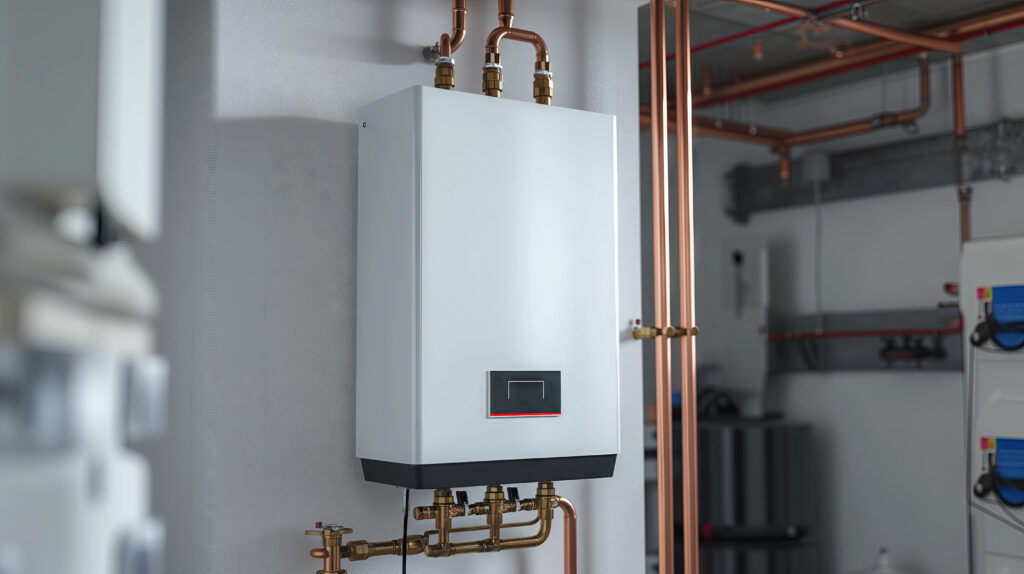
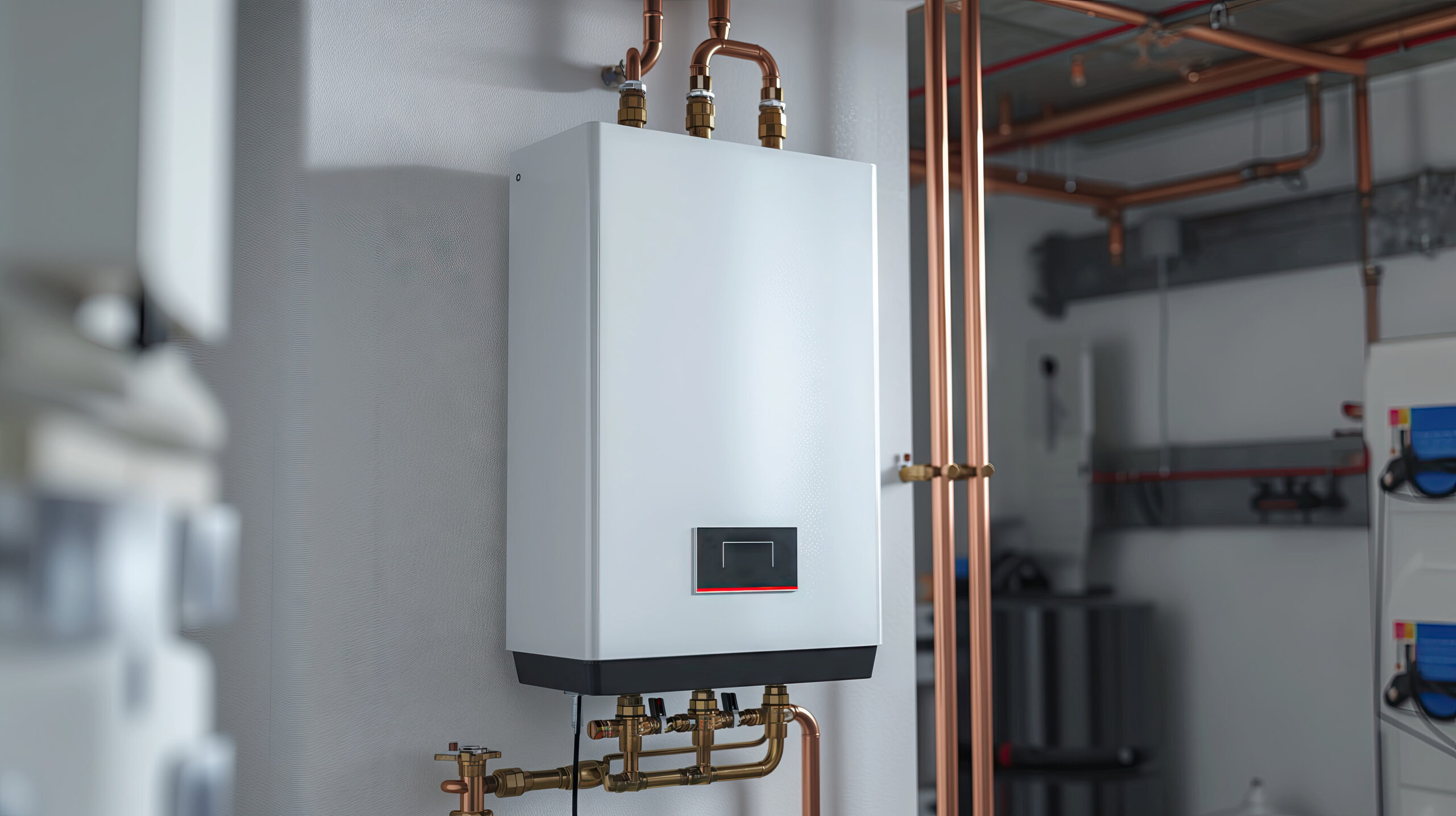
A tankless water heater, often referred to as an on-demand water heater, delivers hot water only when you need it. Unlike conventional systems that store and continuously heat a reservoir of water, tankless units heat water as it flows through the unit. This modern approach eliminates standby energy losses and is generally more efficient. Embedded sensors and advanced thermostatic controls regulate temperature and flow rate, ensuring consistent performance without delay—well, most of the time. When installed and sized properly, they can provide an endless stream of hot water, from morning showers to dishwashing marathons.
How Tankless Water Heaters Work
The science is straightforward but impressive. When you turn on a tap or an appliance demands hot water, cold water enters the tankless unit through a dedicated inlet. A heating element—either gas-fired or electric—activates instantly. The water heats to your pre-set temperature in real time as it flows through a heat exchanger. Once the faucet closes, the system shuts off. No storage tanks, no preheated water sitting idle. These systems respond dynamically to demand and can be wall-mounted, freeing up valuable square footage in basements or closets.
Advantages of Going Tankless
Tankless water heaters bring practical and long-term benefits aligned with the evolving needs of today’s homeowners. First, consider energy efficiency. Because they eliminate standby heat loss, tankless models can be up to 34% more efficient for homes that use 41 gallons or less of hot water daily, according to the U.S. Department of Energy. Over time, this can translate into noticeable utility savings. Secondly, there’s durability. These systems typically last longer—up to 20 years compared to 10–15 years for traditional tank systems. They’re also modular and easier to repair; individual components can be replaced without taking apart the entire unit. And finally, there’s the noticeable spatial advantage. With their compact footprint, they’re ideal for smaller homes or apartments where every square inch counts. Less hardware, more options.
Possible Drawbacks and Challenges
Of course, even the most efficient systems have limitations, and tankless water heaters are no exception. One of the more significant hurdles is upfront cost. The price of the unit combined with professional installation can be significantly higher than a storage tank system. Retrofitting an older home with the necessary gas lines or electrical updates can increase costs further. Another consideration is flow rate. If multiple appliances and showers demand hot water simultaneously, some smaller systems may struggle to keep up. And while maintenance requirements are lower overall, these systems do require periodic descaling—especially in areas with hard water—to maintain peak efficiency. Knowing all of this can help homeowners weigh day-to-day benefits against upfront investments.
Common Maintenance Needs
Tankless systems are known for reliability, but low maintenance doesn’t mean no maintenance. To keep things running efficiently long-term, homeowners should flush the unit at least once a year to remove limescale and mineral buildup. In areas with high water hardness, descaling may be needed more frequently. Some systems include indicators or alarms that prompt service, but it’s best to keep a regular schedule regardless of alerts. Additionally, filter screens should be cleaned, ventilation should be checked, and gas lines inspected periodically. A proactive approach can prevent minor issues from becoming costly repair events. Most service appointments are straightforward when performed regularly, and finding a certified technician is easier now with the growing popularity of these systems.
Installation Considerations for Homeowners
Whether replacing a failed conventional water heater or upgrading during a remodel, proper installation is essential. Tankless water heaters must be precisely matched to your household’s water usage. Calculating peak demand helps determine the correct flow rate rating—typically measured in gallons-per-minute (GPM)—that your system needs. Installation location matters too. These units require proper ventilation in the case of gas-fired models, and electrical capacity must be factored in for electric units. Access to water supply lines, proximity to demand sources, and compliance with local plumbing codes add layers of specificity to the installation process. Working with licensed professionals ensures code compliance and safe, efficient setup. Though the process might feel involved, a well-installed system offers years of dependable performance.
Cost and Long-Term Savings
Initial purchase and installation of a tankless water heater can range anywhere from $2,000 to $4,500, depending on location and household needs. At first glance, those numbers can intimidate. However, when viewed over a 15–20 year lifespan—combined with potential energy savings of 25–35% per year—the cost evens out. Many homeowners see return on investment within seven to ten years. Utility rebates and incentives can also ease the initial burden. Plus, consider the ancillary value: fewer cold-water shocks in the shower, less square footage occupied, and fewer emergency replacements. All of this adds up to smoother day-to-day living and better budget predictability long-term.
Protecting Your Investment with Armadillo
Upgrading to a tankless water heater is a smart move, but protecting that system from unexpected breakdowns is just as important. This is where a home warranty from Armadillo becomes essential. Our modern, homeowner-friendly protection plans cover critical systems—including your tankless water heater—ensuring peace of mind beyond manufacturer warranties. If something goes wrong, we’re ready to handle service requests quickly and transparently—no confusing paperwork, no red tape. More efficient systems deserve smarter protection. Learn more about Armadillo at https://www.armadillo.one or build your plan today at https://app.armadillo.one/plan-builder?current=zip. Invest confidently. We’re here to keep things running.