Can You Really Clean Shoes in the Dishwasher? A Homeowner’s Guide to Proper Use and Potential Risks
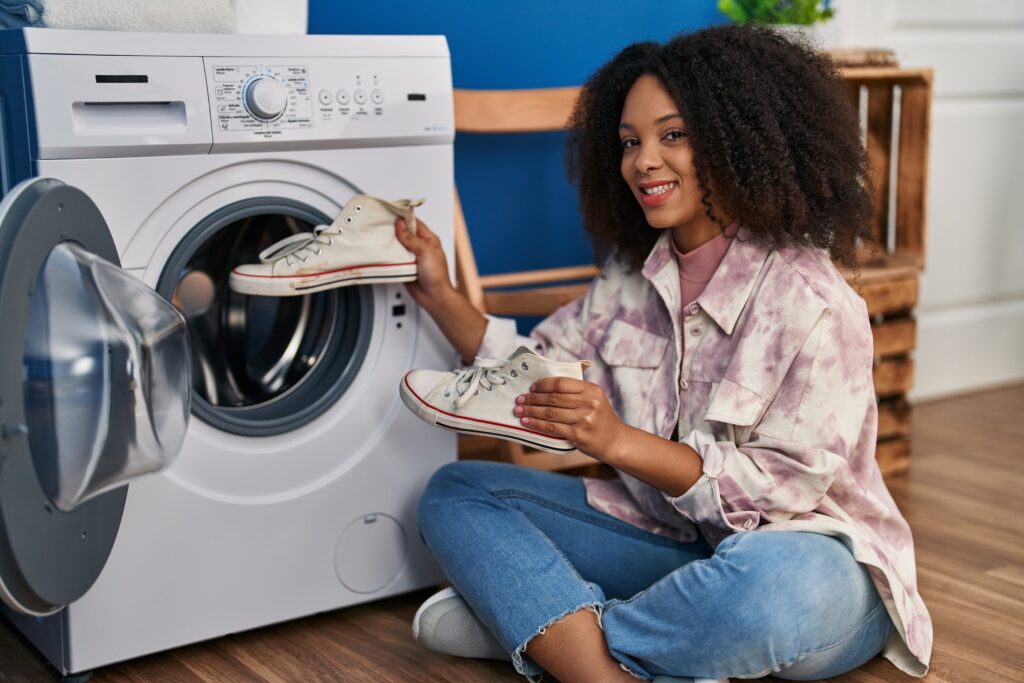
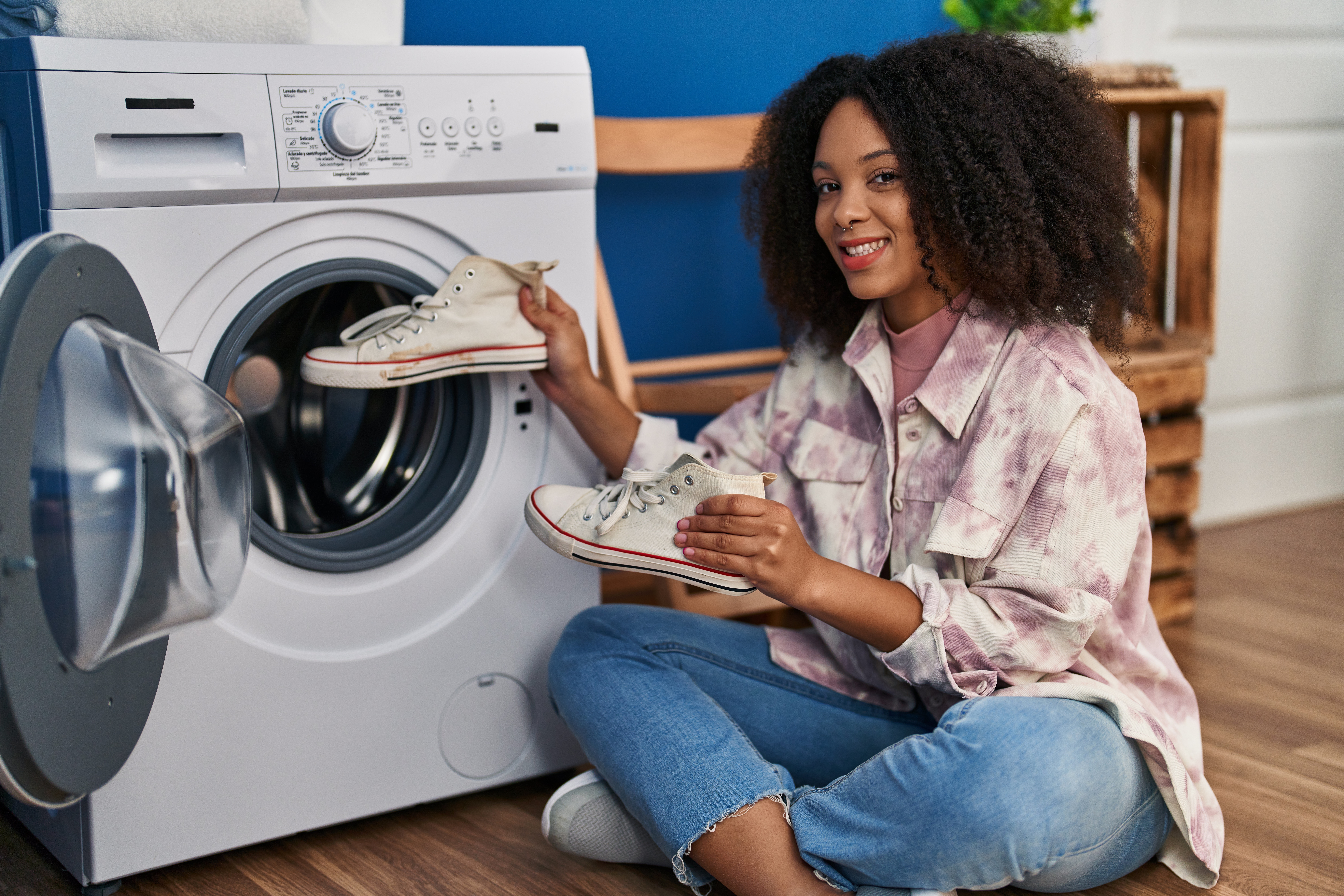
As homeowners look for time-saving hacks and unconventional uses of common appliances, one trend that’s emerged—somewhat surprisingly—is cleaning athletic shoes, especially trainers, in the dishwasher. While it may sound like an efficient way to multi-task, this usage raises serious questions about both hygiene and appliance longevity. If you’ve ever contemplated this shortcut or stumbled across it on social media, it’s worth approaching the topic with a clear understanding of how dishwashers are designed to function, what the implications are for your appliance warranty, and what risks you might be taking with your footwear—and your machine.
Understanding How a Dishwasher Actually Works
A standard residential dishwasher is engineered to spray pressurized hot water mixed with detergent on dishes, utensils, and cookware. Internally, the system heats water up to 140–160°F and circulates it through rotating spray arms. The dirty water is filtered, drained, and replaced by clean water during several cycles. High-temperature drying—or condensation drying, depending on the model—completes the process. These systems are optimized for food particles, grease, and bacteria common to dishware—not soil, fabric threads, or rubber particles found in sneakers.
Why Some People Use Dishwashers to Clean Shoes
The appeal is understandable. Dishwashers use high heat and strong water pressure, promising a deep clean without manual scrubbing. They require minimal user effort: just place the item in, push ‘Start,’ and walk away. In theory, trainers emerge disinfected and refreshed, especially after muddy hikes or rigorous workouts. This is particularly attractive to homeowners managing busy households, tight schedules, and an ever-growing mountain of laundry. Online content has only amplified the idea, encouraging a sense of “Why not?”
Key Advantages (If Done Exactly Right)
In rare situations—using cold water settings, skipping the drying cycle, placing shoes far from heating elements, and only washing non-leather, non-suede styles—you might get a decent result. If your dishwasher hasn’t seen challenging food residue recently and your shoes are machine-washable synthetics, they may appear cleaner. This can be useful in emergencies when the washer is unavailable or when specialized equipment isn’t on hand. But any marginal gain in convenience must be compared against the broader implications of this practice.
The Risks You’re Really Taking with Your Dishwasher
Although dishwashers are designed to handle a variety of materials—from delicate glassware to heavier pots—the internal structure and sensors were never intended for rubber-soled shoes. Trainers often trap small rocks or debris in their tread, which can dislodge and damage motor elements, clog drainage systems, or get caught in spray arms. Furthermore, excess fabric lint or shoe glue can affect the filtration system. The detergent alone—formulated for grease, not textile grime—can create residues harmful to both dishes and the machine. Heated dry cycles may melt adhesives, deform soles, or warp plastic components. In short, you’re risking a high-dollar appliance for a low-reward outcome.
How Cleaning Shoes May Void Your Dishwasher’s Warranty
This matters more than most homeowners realize. Nearly all appliance warranties, including those covered under home warranty plans like Armadillo’s, include a clause related to “misuse” or “non-standard operation.” Using your dishwasher to clean anything other than dishware and cooking utensils may be classified as misuse. Should internal damage occur—whether to heating elements, internal mechanisms, or the filtration system—the manufacturer might decline coverage. Even comprehensive home warranty companies are unlikely to cover repairs resulting from improper use, especially if the claim reveals trace debris or melted material inconsistent with standard dishwasher loads. Repairing these issues can become unexpectedly costly—undoing any benefit gained from that supposedly quick trainer-cleaning hack.
What You Should Do Instead (For Clean Shoes and a Protected Home)
Rather than take risks with an expensive machine, consider safer alternatives. Most athletic shoes include care instructions embedded on the tongue or inside lining. Typically, they recommend hand washing with mild soap and a soft brush or tossing them in a mesh bag in the washing machine on a low spin, cold water cycle. For particularly dirty soles, a toothbrush and baking soda paste is remarkably effective. Air drying is usually the safest method. These methods protect the shape, adhesive, and performance fabric of the shoe, all while preserving your dishwasher’s reliability. Additionally, keeping your dishwasher dedicated solely to kitchen use also helps maintain sanitation in food-preparation areas—this alone should be reason enough to avoid mixing shoes and place settings.
How This Connects to Keeping Home Systems Protected
Using home appliances as they’re designed helps extend their lifespan and maintain warranty coverage. The dishwasher is not just a convenience—it’s part of a finely tuned kitchen ecosystem. Each time you task it with an off-label function, you’re venturing into avoidable risk. Misuse can lead to mechanical breakdowns that disrupt daily routines. And while home warranty providers like Armadillo cover a wide range of appliance failures, clear documentation always plays a role in claim approval. Keeping your appliances in good condition—used just as they were built to be used—is the best way to ensure seamless service and lower long-term repair costs.
Why Armadillo Is the Smart Choice for Appliance Protection
If reading this has you reconsidering exactly how you use your dishwasher (and your other major appliances), know that you’re not alone. Homeownership is full of learning curves. The smartest step you can take—for both peace of mind and financial protection—is having a modern, digital-first home warranty partner that helps cover unexpected repair costs without any stress. Armadillo offers simple, transparent plans designed to fit your lifestyle. As you continue to use and care for your appliances the right way, let Armadillo back you up when life doesn’t go according to plan. Visit armadillo.one to learn more, or start customizing your protective coverage today with Armadillo’s intuitive plan builder at this link. Give your dishwasher—and every vital appliance in your home—the backup it deserves.