Low-Maintenance, Low-Cost Ground Cover Solutions Every Homeowner Should Know
Your yard is an extension of your home, but sometimes, upkeep outdoors feels like a full-time job. Lawn care demands water, time, precision, and—let’s be honest—a fair amount of patience. Whether you’re trying to minimize landscaping costs or simply seeking sustainable alternatives, using inexpensive ground cover is a practical, aesthetically pleasing, and low-maintenance step forward. But there’s more to this decision than just the grass underfoot. Ground cover choices can connect directly to home systems, affect your warranty coverage, and influence how your house handles drainage and HVAC efficiency.
What Is Ground Cover and Why It Matters
In landscaping, ground cover refers to any low-growing plant or material that spreads across the ground surface, providing protection from erosion, improving soil health, and reducing weed growth. It’s a smart substitute for traditional lawns. Typical options include creeping plants, mulch, gravel, bark, or even synthetic turf. The goal is practical but layered—enhance curb appeal, improve long-term outdoor maintenance, and support home systems that rely on adequate outdoor airflow and moisture protection.
How Ground Cover Integrates with Home Systems
This might surprise you, but yes—your outdoor ground cover decisions directly affect critical systems covered under most home warranties. Take your HVAC unit, for example. If your outdoor condenser is surrounded by high-maintenance grass that constantly traps debris, its ventilation can deteriorate. The same applies to your plumbing and drainage systems, which depend on consistent groundwater control. A ground cover that holds moisture too close to your foundation builds the conditions mold and mildew need to thrive. Simply put, choosing the wrong landscape material may void components of your warranty or force repairs not covered under standard protections. Thoughtful decisions up front reduce those risks.
Top Inexpensive Ground Cover Options
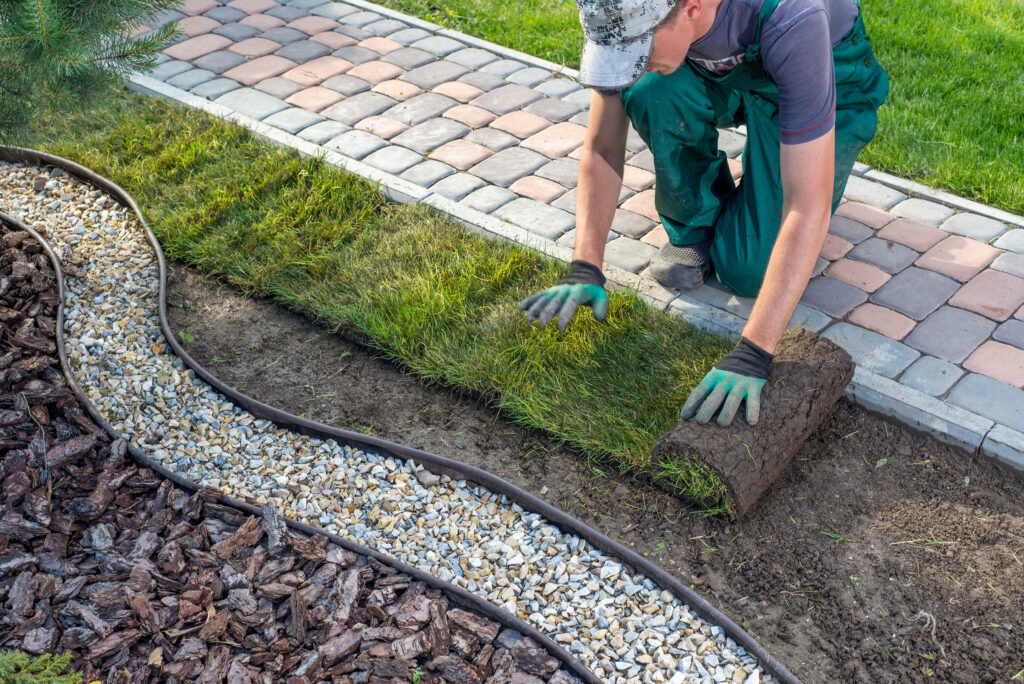
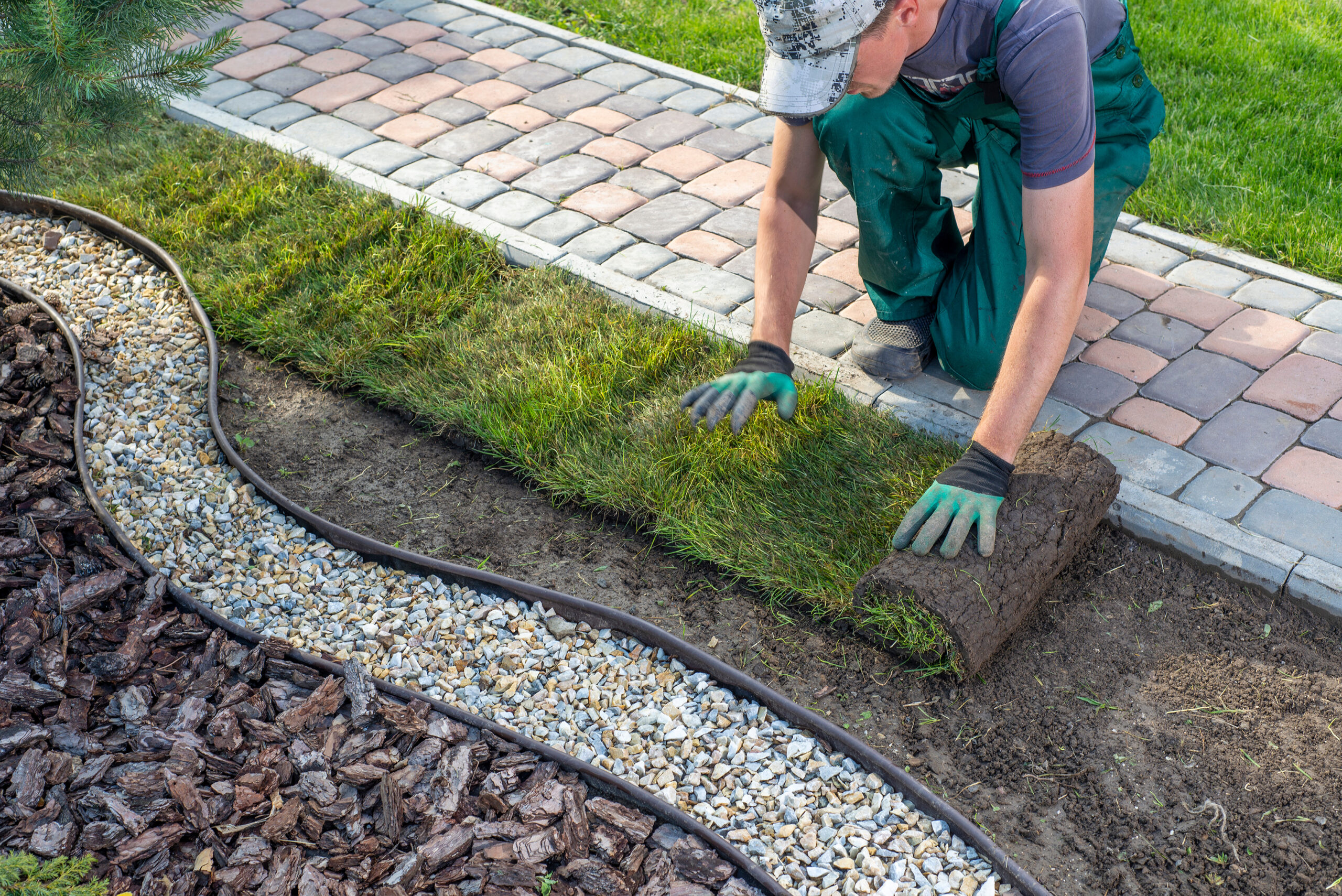
Popular doesn’t always mean costly. In fact, some of the most efficient and attractive ground cover options are also surprisingly affordable. Mulch, one of the simplest choices, delivers immediate benefits and a clean, polished appearance. It’s also effective at reducing weeds and moisture loss. Gravel or crushed stone gives a modern look and increases water runoff efficiency—ideal for areas prone to flooding. Clover, creeping thyme, and moss offer dense vegetative coverage and need less mowing and watering. These varieties are easily planted, thrive with limited attention, and are typically non-invasive. Unlike traditional lawn grasses, which often struggle in shady corners or slopes, these alternatives keep growing where turf falters.
Advantages of Using Ground Cover Alternatives
The appeal of low-cost ground cover options goes beyond budget friendliness. For time-strapped homeowners, the promise of reduced maintenance is powerful. Less time mowing, trimming, or applying weed treatments frees up weekends and trims expenses on yard tools and pest control. Environmentally, low-water needs make many ground covers more sustainable. Plus, you’re not boosting your water bill just to keep your lawn alive during dry months. Many options, especially native plants or organic materials like bark and mulch, also promote healthier ecosystems by feeding soil organisms and providing habitat for pollinators. The added insulation certain ground covers provide even helps regulate soil temperature—translating to more stable conditions for buried pipes or exterior systems prone to temperature fluctuation.
Common Drawbacks to Consider
That said, no solution is flawless. Ground covers can come with trade-offs depending on the type. Organic mulches may need to be replenished annually and can attract pests without proper edging. Gravel, while efficient for drainage, can heat up surrounding areas and cause discomfort in high-sun exposure. Creeping plant varieties, while low maintenance once established, often require careful monitoring during early growth to prevent overrun or invasive behaviors. And of course, yard layout matters—what works in dry Colorado soil won’t automatically thrive in Maine’s wetter climate. Selecting wisely based on your local environment is key. Consult with a local horticulturist or landscape supplier who understands regional planting zones to avoid mismatches.
Key Considerations Before Installation
Before committing to any one ground cover, take a moment to study your yard’s structure, microclimate, and home warranty details. Assess sunlight patterns, drainage flow, and foot traffic levels. For households with children or pets, ensure your chosen material doesn’t pose hazards—thorny or toxic plants, for instance, should be avoided. Proximity to your HVAC, sprinkler systems, or foundation should also play into your decision. Installing proper barriers or edging can prevent unwanted spread and protect vulnerable home systems. When your ground cover project interacts with covered elements under a home warranty—like your sewer line, HVAC condenser, or outdoor electrical—those access points should remain accessible and unobstructed.
Cost-Saving Tips and DIY Options
You don’t have to outsource everything. Many ground cover options are well within the reach of a solid weekend DIY project. Mulch can be delivered in bulk and applied with basic tools. Gravel installation, especially when well-bordered, requires compacting but minimal technical skill. Starting with plant cuttings or seeds is more cost-effective than purchasing mature ground cover plants. One practical approach involves combining two or more ground covers strategically—such as using rocks in high-runoff areas and soft clover around walkways. Local or reused materials can also cut costs, and many municipal recycling centers or tree services offer free wood chips or compost material. Remember to factor in long-term savings. Ground cover reduces annual mowing, herbicide, fuel, and irrigation costs.
Protect Your Investment with Armadillo
The smartest homeowners don’t just invest in curb appeal—they invest in the systems that make their homes livable. Inexpensive ground cover can help safeguard your foundation, HVAC system, and exterior plumbing—all of which tie in closely with your home warranty coverage. At Armadillo, we go beyond the fine print. We help you protect your home’s critical workings with a modern, tech-forward approach to home warranties that meets today’s homeowner where they are. From surprise HVAC failures to drainage problems linked to landscape issues, we’ve got your back. Learn more about the plans we offer at armadillo.one, or get started building your customized protection package by visiting our plan builder.