Tankless Water Heaters: What Every Homeowner Should Know
Energy efficiency has become more than just a buzzword—it’s an underlying factor in nearly every home improvement decision. If you’ve been contemplating ways to save on energy bills, free up space, or simply modernize your home’s internal systems, upgrading your water heater might be a strategic move. Among your options, tankless water heaters have steadily gained traction. Understanding how they work, their advantages, and potential pitfalls will help you make a confident, informed choice—and protect that choice with the right coverage.
What Is a Tankless Water Heater?
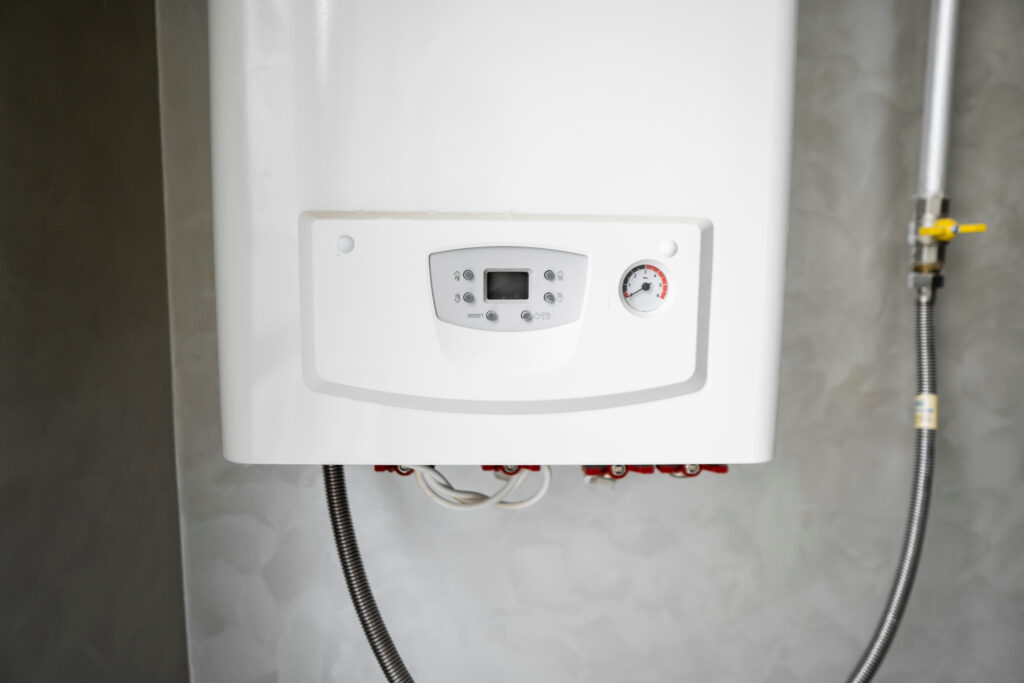
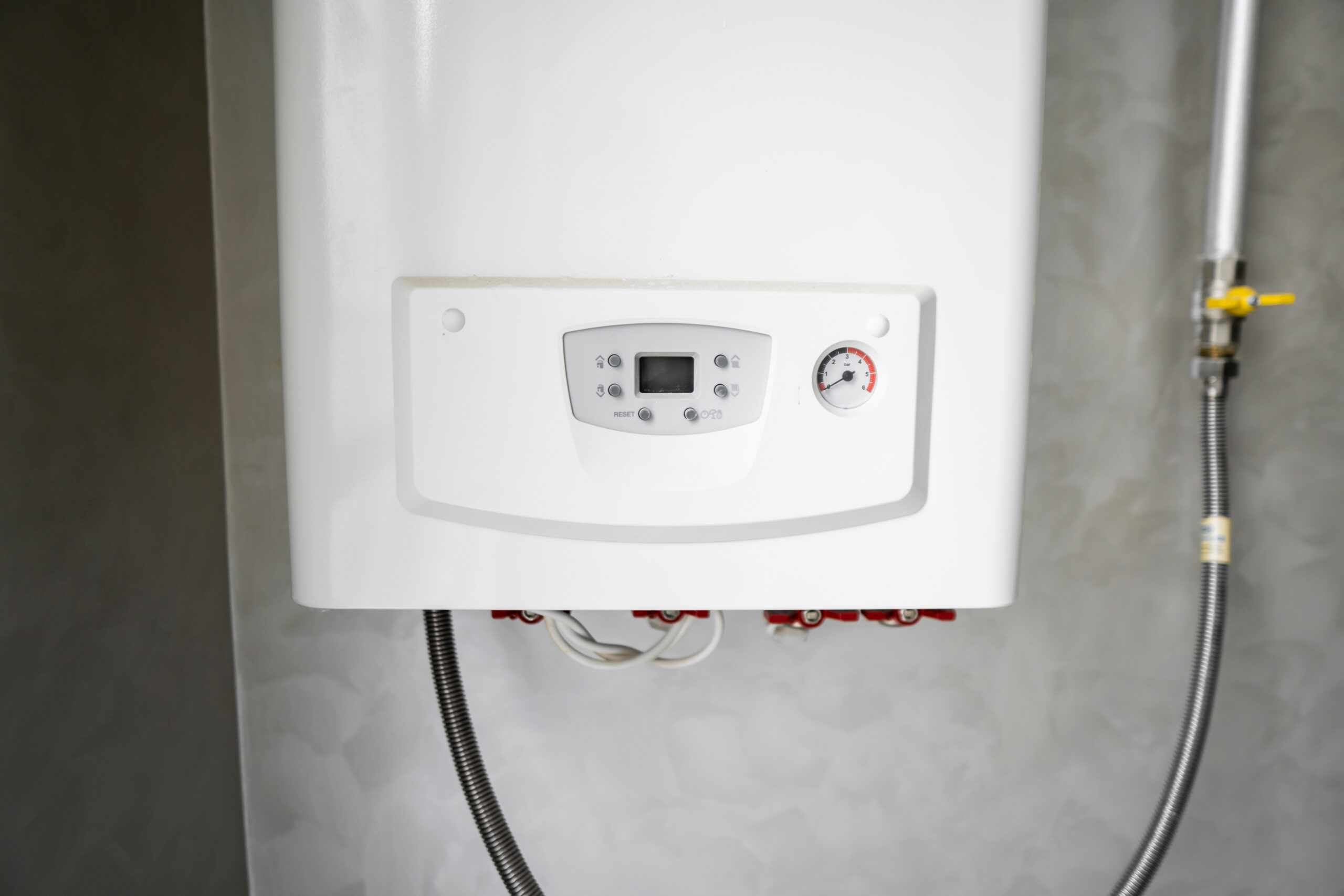
Tankless water heaters, also known as on-demand water heaters, are systems that heat water directly as it’s needed, rather than storing it in a large tank like traditional units. When a hot water tap is turned on, cold water flows through the unit. A gas burner or electric element activates, heating the water instantly. Since they don’t rely on stored hot water, tankless systems are more efficient in usage and space.
Despite the innovation, the technology isn’t entirely new—it’s simply refinement of an old concept adapted for evolving lifestyle and energy demands. Think of it as the difference between batch cooking and à la carte prep—hot water made to order, each time, every time.
How Tankless Water Heaters Work
Understanding how a tankless water heater functions begins with flow activation. When hot water is requested—via a shower, faucet, or appliance—cold water enters the unit and passes through a heat exchanger. For gas models, a burner ignites; for electric models, heating elements are triggered. The heat exchanger quickly elevates the water temperature before delivering it throughout your plumbing system.
Because tankless heaters don’t hold heated water in reserve, there’s virtually no standby heat loss. That enhances energy efficiency, particularly in homes where hot water is used sporadically or across multiple points in short bursts. Still, adequate sizing is critical. Undersized units can struggle if several hot water sources run simultaneously. It’s essential to assess flow rates and household usage when selecting a model.
Advantages of Choosing a Tankless System
For homeowners looking at long-term resource savings, tankless systems offer several unbeatable advantages. First and foremost is energy efficiency. According to the U.S. Department of Energy, homes using less than 41 gallons of hot water per day can see energy savings of 24% to 34% compared to conventional storage water heaters.
Next is space. Wall-mounted and compact in design, tankless heaters free closet or basement real estate previously devoted to bulky tanks. This feature proves particularly attractive in smaller homes or those undergoing modernization projects.
Lifespan is another plus. While traditional tank heaters last around 8 to 12 years, tankless models can last up to 20 years with proper maintenance. That’s a full extra decade of service, making it not just a performance upgrade, but a financial one over the long run.
Common Drawbacks and Considerations
Tankless water heaters are not without their nuances. The upfront cost is typically higher—sometimes significantly so—compared to traditional units. Installation complexity, especially for retrofitting in older homes, can drive costs upward.
There’s also a slight lag in hot water delivery. While marginal, it can be noticeable depending on how far the unit is from the fixture. In larger homes, this may require a recirculation system, adding complexity and expense. Cold water sandwiches—those moments of cold water between bursts of hot—can also happen if hot water is used inconsiderately or abruptly.
Finally, maintenance requirements are crucial. Scale buildup, especially in hard water areas, can affect performance. Routine flushing and descaling are needed to maintain peak operation. Ignoring these tasks can shorten the lifespan of the system, negating one of its core advantages.
When a Tankless Heater Makes Sense
Tankless water heaters make compelling sense for households with consistent or predictable usage windows, especially if energy efficiency and space-saving matter. Families with staggered daily routines or homes with limited storage may experience an immediate payoff. New construction is another high-fit scenario, allowing integration of the system from the ground up without needing to overhaul plumbing infrastructure.
Smaller households—such as couples or retirees—also tend to find more value. Lower water demand aligns well with the performance curves of most units, amplifying efficiency and cost-savings benefits. However, even larger households can benefit if the right capacity model is chosen and possibly multiple units are installed in parallel.
What to Look for When Choosing a Tankless Water Heater
Beyond the decision to go tankless lies another big one: choosing the right unit. Key criteria include fuel type, capacity, efficiency ratings, and expected maintenance. Gas tankless water heaters tend to cost more upfront but are more efficient at delivering continuously heated water under heavy use. Electric models offer a simpler and more compact solution but may lack the throughput needed for larger households.
Look for Energy Star-rated models to maximize energy savings. Review the gallons-per-minute (GPM) rate to match household demand. It’s critical to calculate your maximum concurrent usage—say, a shower, dishwasher, and laundry running at once—and compare against GPM ratings to prevent performance bottlenecks.
Opt for models with diagnostic displays or app integration. These features help simplify maintenance monitoring and, in some cases, connect directly with manufacturers for update alerts or service scheduling.
How a Home Warranty Elevates Your Investment
While the thought of a 20-year lifespan may ease concerns, the investment still deserves protection. Tankless units are complex, and repair or replacement costs can quickly erase upfront savings if things go sideways. That’s where a robust home warranty can make all the difference. Coverage can mitigate repair expenses, offer vetted professional service, and ensure peace of mind during those unexpected moments when appliances fail at the worst possible time.
Traditional homeowner’s insurance typically doesn’t cover appliance breakdowns due to wear-and-tear. A home warranty bridges that gap. For homeowners installing modern systems like tankless water heaters, the right home protection plan ensures that innovation doesn’t come with unintended vulnerability.
Expert Installation and Maintenance Tips
Proper installation is key to a successful tankless water heater experience. Always hire licensed professionals familiar with regional codes and product specifications. Improper installation can lead to overheating, water leaks, or reduced efficiency that outweighs the system’s performance benefits.
Ongoing maintenance is equally important. In hard water areas, install a pre-filter or water softener to reduce scale buildup. Flush the unit at least once per year; manufacturers often include service valves to help streamline this process. Schedule an annual inspection to verify burner functionality, venting, and flow calibration. These small steps extend lifespan and help retain energy savings over time.
Why Armadillo Is the Right Home Warranty Partner
Upgrading to a tankless water heater is a meaningful improvement in home efficiency and comfort. But any high-efficiency system deserves coverage as smart as the technology itself. With Armadillo, you get a home warranty designed for modern homes. From comprehensive appliance protection to tailored service options, Armadillo makes it easy to protect your investment without the headaches. Our fast, digital-first claims process, vetted service professionals, and customizable plans ensure you spend less time stressing about what’s covered and more time enjoying the benefits of better home performance.
Start confidently by visiting Armadillo’s Home Page or take the first step to coverage that fits your needs with our Plan Builder. Your tankless system is smart – your coverage should be too.