Understanding Refrigerant in Your AC System: What Homeowners Need to Know
Air conditioning is one of those essential comforts you don’t think much about—until it stops working. When your AC starts blowing warm air, handling the issue often involves refrigerant. But what exactly is refrigerant, how much does it cost, and what are the considerations if your system needs a recharge? Whether you’re exploring your first home warranty or looking to make sense of a repair bill, understanding refrigerant and how it’s handled in the home warranty industry helps you make smart, informed decisions about your home’s HVAC system.
What Is Refrigerant and Why Is It Important?
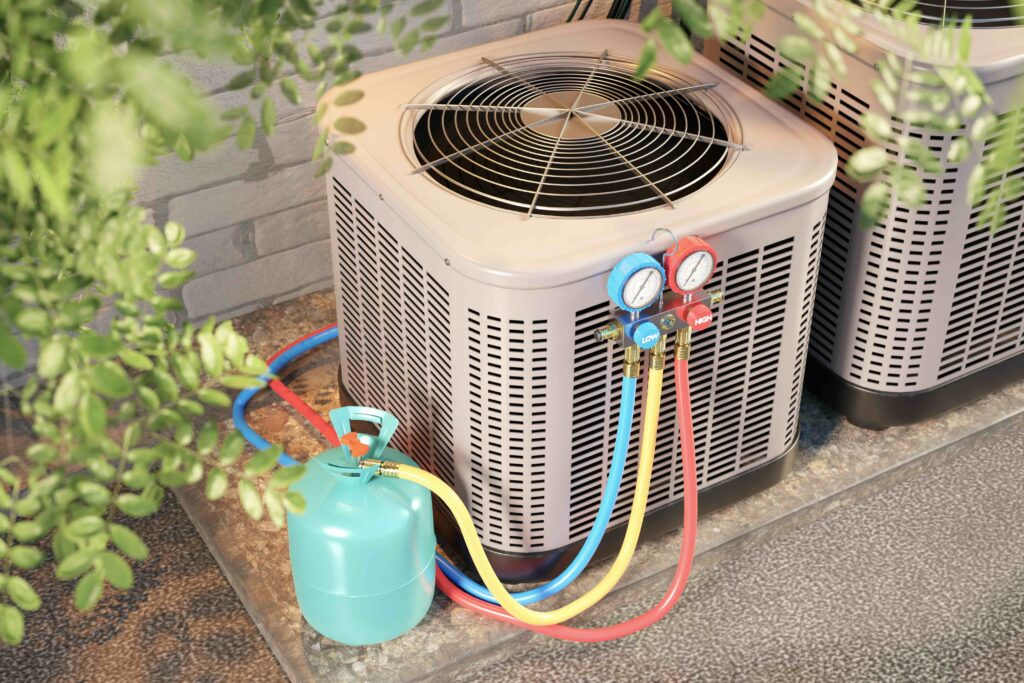
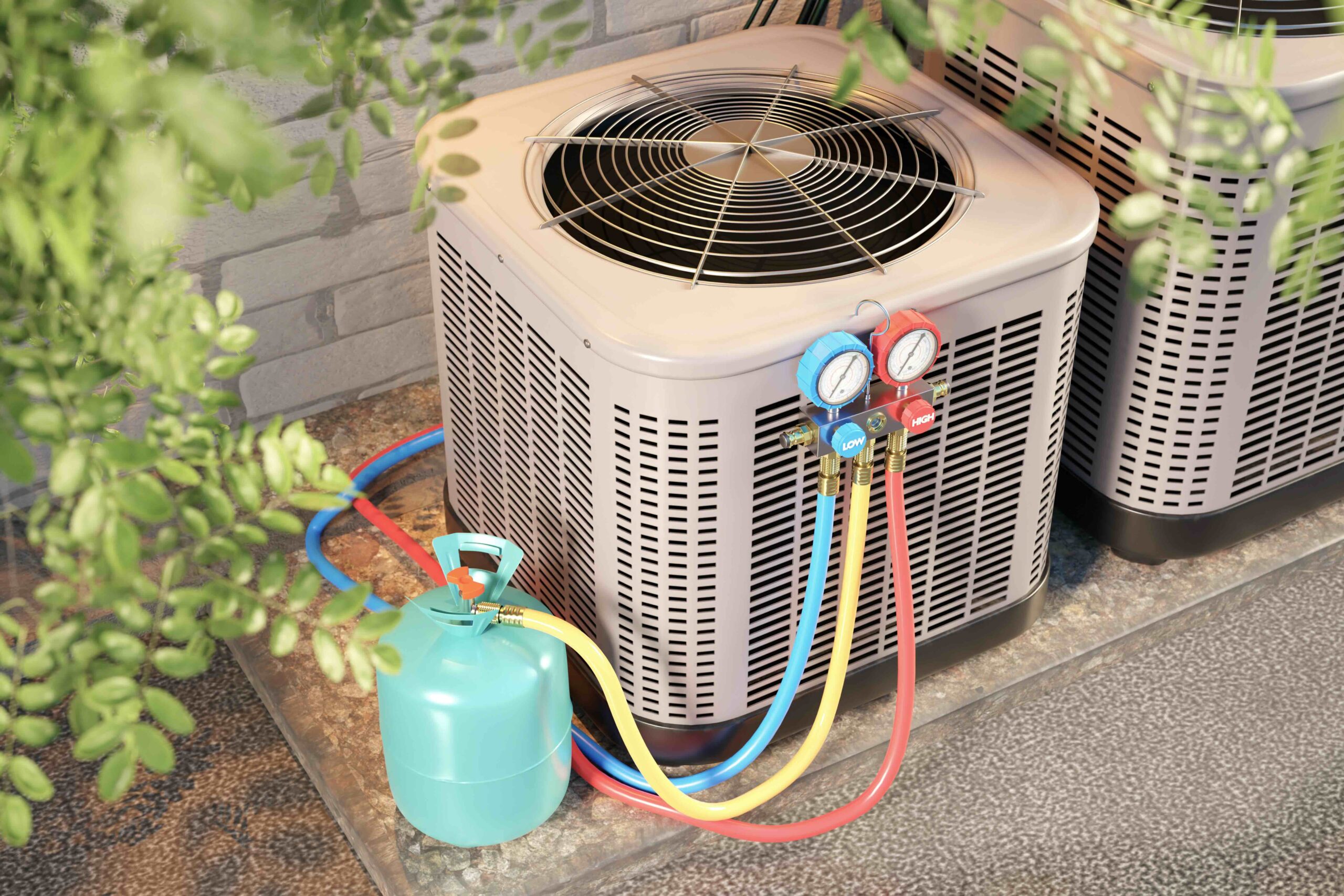
Refrigerant is the lifeblood of any air conditioning system. It’s a chemical compound that travels through the coils and components of your AC, absorbing heat inside your home and releasing it outside. As the refrigerant moves, it changes from a liquid to a gas and back again in a closed loop that allows your system to cool indoor air efficiently and effectively.
There are different types of refrigerant, the most common being R-22 (phased out in new systems) and R-410A (commonly used in modern systems). Each type requires careful handling and must comply with environmental regulations. The amount and type of refrigerant your AC uses depends on its make, model, and age.
How Does Refrigerant Work in an AC System?
The cooling cycle begins when the refrigerant absorbs heat from inside your home. This happens inside the evaporator coil, usually located in the indoor unit of your HVAC system. The refrigerant evaporates into a gas, then travels to the outdoor condenser unit, where the heat is released into the outside air and the compound cools back into liquid form. This cycle repeats continually, enabling the consistent cooling effect you rely on during warmer months.
Refrigerant doesn’t get “used up” like fuel; it recirculates in the system. So, if your AC is low on refrigerant, it’s likely due to a leak—something that should be addressed immediately by a licensed HVAC technician.
How Much Does Refrigerant Cost?
The cost of refrigerant can vary widely, and a big part of that variation depends on the type of refrigerant your system requires. R-410A might cost homeowners anywhere from $75 to $125 per pound, while older systems that still use R-22 can face charges of $200 or more per pound—if it’s even available. The total cost largely depends on how much refrigerant your system needs to restore optimal function, which is typically between 2 and 4 pounds for most residential systems.
On top of the actual refrigerant, labor and service fees apply. These can add $100–$300 depending on the technician’s rates, day of the week, or whether it’s urgent due to high demand during summer months. If your system has a leak, locating and repairing the issue is often the most significant cost factor—and it’s rarely covered by basic home insurance policies.
Does a Home Warranty Cover Refrigerant?
This is one of the most important areas where homeowners need clarity. A well-structured home warranty plan can cover the cost of refrigerant, but not all providers treat it the same way. Some plans only cover a capped amount of refrigerant, such as $10 or $20 per pound, while others may limit coverage based on system type or age. A few home warranty companies may fully cover refrigerant if it’s part of a necessary repair related to a covered system component.
It’s critical to read the fine print. Some home warranty contracts might exclude refrigerant costs altogether or require supplemental upgrades for full HVAC coverage. The best providers anticipate modern HVAC needs—and that includes refrigerant refills, leak detection, and system recharge when needed.
Advantages of Refrigerant-Covering Home Warranty Plans
A well-chosen home warranty with refrigerant coverage offers several noticeable advantages. First, it significantly reduces out-of-pocket repair costs. A sudden $500–$1,000 charge for leak repairs and refrigerant refill can come as a shock for many homeowners. Having a warranty softens those financial surprises.
Second, it adds predictable value to homeownership. Refrigerant-related issues are common in AC systems after several years of use. When you have cooling system protection through a comprehensive plan, you gain peace of mind during high-demand heatwaves when service prices spike and system breakdowns are inevitable.
Third, it simplifies the repair process. Home warranty providers work directly with licensed, pre-vetted technicians, so you’re not forced to search or negotiate rates on your own—especially in emergency situations when prompt service is critical, and decision paralysis is your worst enemy.
Challenges and Limitations
While home warranties offer notable benefits, there are still limitations to keep in mind. Coverage for refrigerant may not extend to the full labor or diagnostic time involved in repair services. Some contracts may avoid coverage for older HVAC systems that use outdated refrigerants like R-22. If your system needs a full replacement due to refrigerant incompatibility, it may fall outside the terms of a standard plan.
Additionally, many warranties only kick in after a waiting period of 30 days or more, meaning a sudden issue right after signing up won’t be eligible for immediate service. Reimbursement limits, service fees, and required maintenance documentation are other areas where claims may be denied if conditions aren’t met. Understanding these boundaries puts you in control and reduces frustration during the claims process.
Warning Signs You Might Need Refrigerant Service
Most refrigerant issues reveal themselves with warning signs if you know what to look for. Cooling performance that suddenly drops is a common first clue. Ice building up on the evaporator coils, hissing sounds near the AC unit, or unusually high energy bills might also indicate a leak. If your system runs constantly without achieving your set thermostat temperature, low refrigerant could be the underlying issue.
A certified technician will test refrigerant levels, pressure gauges, and look for visible signs of leakage. If detected, prompt sealing and a controlled recharge are critical to return your home to a comfortable environment and avoid overworking the system long-term.
What to Expect During a Refrigerant Service Call
When you schedule refrigerant service, the technician will begin with a routine system assessment. They’ll check pressure readings and temperature differentials and may use UV dye or electronic sniffers to find leaks if levels are low. If a leak is confirmed, it must be repaired before adding more refrigerant—otherwise, it’s a costly, temporary fix.
Once the system is sealed and safe, the technician recharges refrigerant to the manufacturer-specified level. Depending on availability, refrigerant may need to be specially ordered. After service, your system should cool efficiently with normal cycling behavior and lower energy consumption.
Protect Your HVAC System With Armadillo Home Warranty
Refrigerant issues are more than just seasonal annoyances—they’re signs your HVAC system needs attention. With the right home warranty plan in place, you’re not alone in tackling unexpected AC failures. Armadillo offers forward-thinking home warranty coverage designed for modern homes and everyday challenges. We take refrigerant seriously, offering plans that help cover both the substance and the service, ensuring your cooling system performs when it matters most.
Explore our full HVAC coverage options and see transparent pricing with our easy-to-use plan builder at www.armadillo.one. Ready to personalize your coverage and protect your home’s most relied-upon systems? Start your customized plan today at app.armadillo.one/plan-builder.