How to Reset Garage Door Keypad Clicker: A Homeowner’s Guide to Access Control and Peace of Mind
A garage door keypad clicker is one of those home features you don’t give much thought to—until it stops working or you need to reset it. Whether you’re moving into a new home, upgrading your home security, or simply replacing batteries, understanding how to reset your garage door keypad can save time, money, and frustration. It’s a small part of a broader access control system that influences everything from convenience to household safety. In this guide, we’ll walk through what a garage door keypad is, how it functions, how to reset it correctly, and what homeowners should keep in mind to avoid common pitfalls. If you’re interested in understanding one of the more underappreciated systems in your home—this is your starting point.
Understanding What a Garage Door Keypad Clicker Is
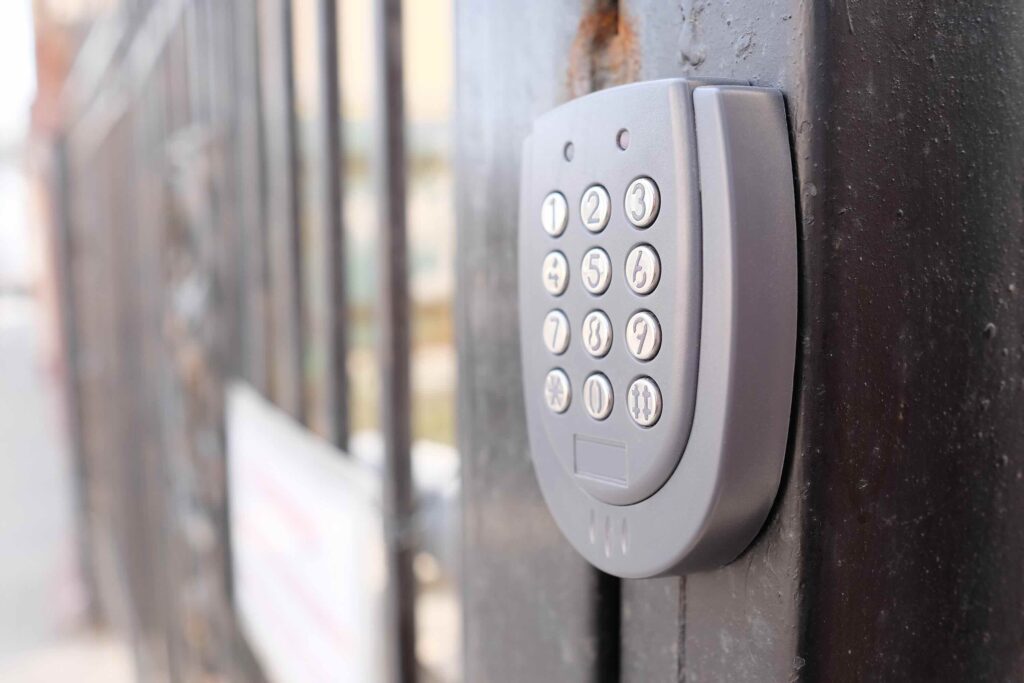
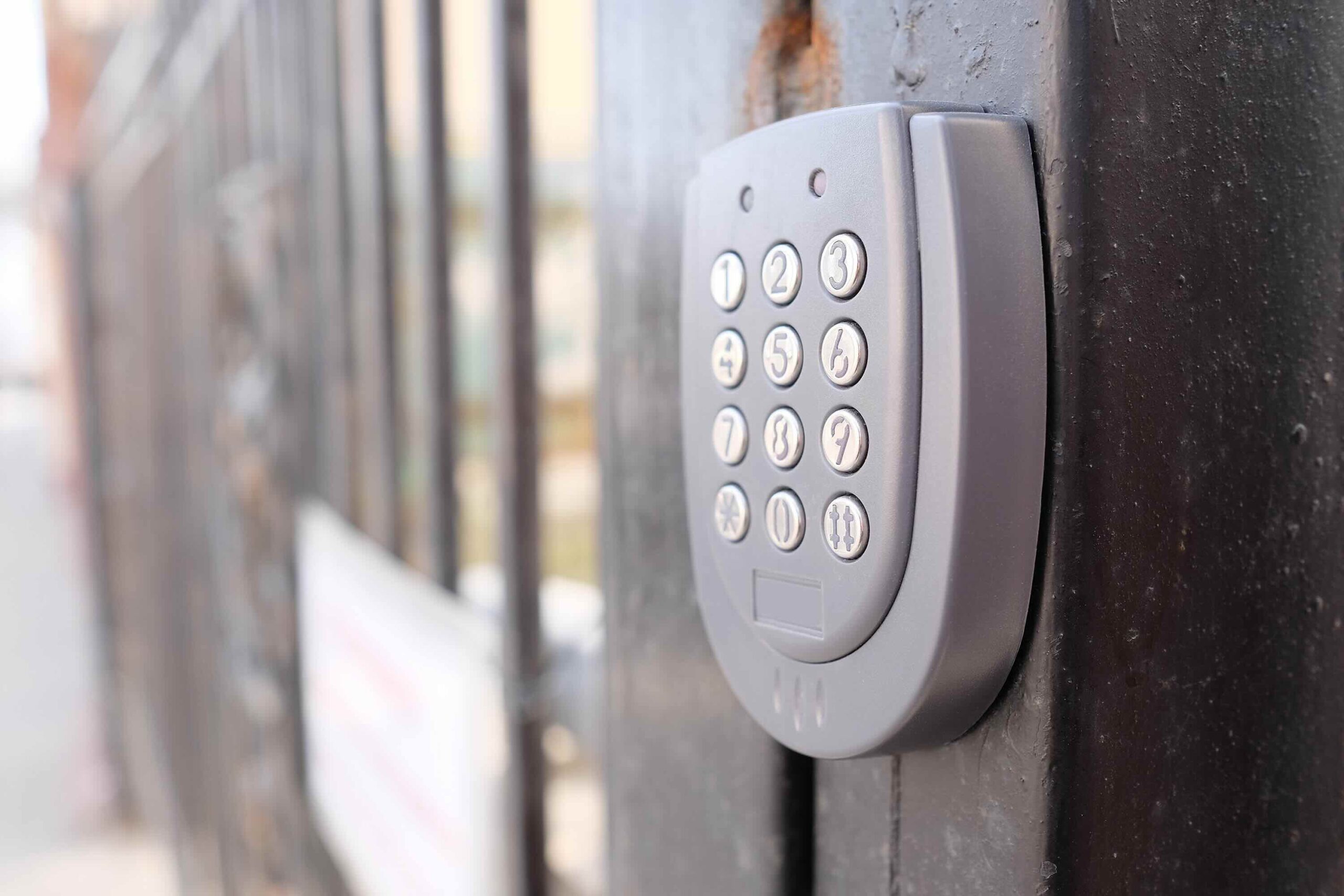
A garage door keypad clicker is an exterior-mounted, wireless device that allows you to open and close your garage door using a personal identification number (PIN). Unlike remote control clickers kept in your car, the keypad is affixed to the outside of your garage, either battery-operated or sometimes hardwired. It communicates wirelessly with the opener’s motor unit inside your garage. Most modern systems operate on rolling-code technology, which changes the access code each time the door is engaged, increasing security. This keypad is often the most convenient entry point for families with multiple drivers or for homeowners who don’t want to rely on physical keys.
How a Garage Door Keypad Works Within Your Home System
The keypad is just one node in a larger garage door operating system. When the correct PIN is entered, the keypad transmits a radio frequency signal to the garage door opener. This triggers the motor to raise or lower the door. That communication relies on software-compatible syncing with the opener, which is why resetting the keypad often involves not just the keypad itself but also the opener unit. In short, resetting your keypad is not only about changing the code but ensuring proper reprogramming alignment with the internal motor system. Misalignment can lead to missed signals, entry denial, or security risks.
Why You Might Need to Reset Your Garage Door Keypad
Garage door keypads are reliable devices, but they’re not failproof. There are several scenarios where resetting is the most logical next step. You may have moved into a previously owned home and want to change the PIN for safety reasons. You might be experiencing delayed responses or total failure, indicating an internal error. Perhaps batteries were changed, and now the device is out of sync with the opener. Or maybe the keypad’s memory simply glitched after a power surge. These are not signs of catastrophic failure but cues to perform a reset to restore proper function or improve household security.
Step-by-Step Guide: How to Reset a Garage Door Keypad
Resetting a garage door keypad depends on the brand and model, but the general process is consistent across most systems. Begin by locating the “Learn” or “Program” button on the opener unit, usually found under a panel on the back of the motor housing. Press and release this button; a light should blink, indicating readiness to receive a new code. Quickly return to your keypad, enter your desired PIN, and press the “Enter” or designated program key. The light on the motor should blink again or the door may respond to confirm programming was successful. If the opener lacks a Learn button or uses dip switches, refer to the manufacturer’s manual—because this indicates a legacy or fixed-code system. Always test the system immediately after programming. If the reset fails more than twice, a system inspection or keypad replacement may be in order. Missteps here could involve setting a new code improperly or not completing the pairing process within the installer-defined timeframe, usually 30 seconds.
Benefits of Having a Functional Garage Door Keypad
A well-functioning garage door keypad integrates security and convenience. It eliminates the need for spare keys and enables family members or guests to gain access without physical hardware. You can also give temporary codes to service providers, a feature included in many upgraded models. A keypad also serves as a backup when your car’s built-in remote fails or when batteries in the main garage opener run low. For families with older children or frequent visitors, it streamlines access while reinforcing safety. Some advanced models tie into home automation systems, giving you remote access over Wi-Fi, trackable via an app. That adds a layer of usability and surveillance to your home’s overall digital footprint.
Common Drawbacks and Troubleshooting Areas
Even the best systems have inherent limitations. Garage door keypads are exposed to the elements, so weather-related wear can limit lifespan and performance. Prolonged sun exposure or moisture infiltration may lead to circuitry damage. Another issue is battery life—while it seems minor, expired or corroded batteries inside the keypad will cause communication failure. Homeowners often overlook incompatibility issues when upgrading openers or replacing components; not all keypads sync universally. Security-wise, outdated models that lack rolling-code encryption are more vulnerable to code grabbing. Lastly, power outages can sometimes reset the opener unit’s memory, decoupling it from the keypad entirely. All of these issues make regular maintenance and periodic checks a worthwhile habit.
How Garage Door Access Ties to Broader Home Functions
Garage access is not just about vehicle storage; it’s often a point of entry into the main home. In many residences, especially single-family homes, the garage functions as the most-used entrance. For that reason, keypad security represents more than just hardware; it’s a safety protocol. A malfunctioning keypad compromises your home’s perimeter. That becomes even more critical in households using smart locks. If garage access ties into an internal laundry room or kitchen, a reset keypad that isn’t updated in the system software can cause sync issues. Homeowners who invest in home warranties understand this touchpoint well—systems must function cohesively. The same warranty that covers appliance repair or HVAC service considers the garage opener keypad part of the home’s mechanical envelope. This is especially relevant when evaluating home warranty coverage and deciding what systems need inclusion. If a keypad failure blocks garage access, and that’s your only door into the kitchen or basement, the disruption expands beyond mere inconvenience.
Why Smart Homeowners Choose Armadillo for System Reliability
A garage door keypad may seem like a small cog in the homeownership machine—but when it fails, the ripple effects are real. Whether it’s about maintaining access for aging parents, keeping deliveries secure, or ensuring uninterrupted functionality, these systems deserve attention. For homeowners looking to protect and simplify life’s many mechanical touchpoints, Armadillo offers intelligent, comprehensive home warranty coverage, including garage door systems. When a keypad malfunctions or a motor refuses to sync, you’re never left troubleshooting alone. Armadillo’s plans are built to address these everyday disruptions with precision and speed. To see how your garage and other essential systems measure up under protection, explore [Armadillo’s home page](https://www.armadillo.one). For those ready to secure peace of mind and avoid costly out-of-pocket repairs, start building your plan with [Armadillo’s plan builder](https://app.armadillo.one/plan-builder?current=zip). Your home isn’t just four walls—it’s a system. Protect it like one.