Understanding Tankless Water Heaters: A Smart Upgrade for Modern Homes
For homeowners invested in efficiency, comfort, and long-term savings, the systems inside your walls matter just as much as the materials on your roof. One key component often overlooked until it’s too late is your water heating system. Traditional tank-style heaters have long been the standard, but tankless water heaters are quietly changing the game in home performance. This article aims to demystify how tankless water heaters work, their advantages, challenges, and what you should really consider before making the switch. Whether you’re building new, upgrading systems, or safeguarding with a home warranty, knowing your options is the first step toward smarter homeownership.
What Is a Tankless Water Heater?
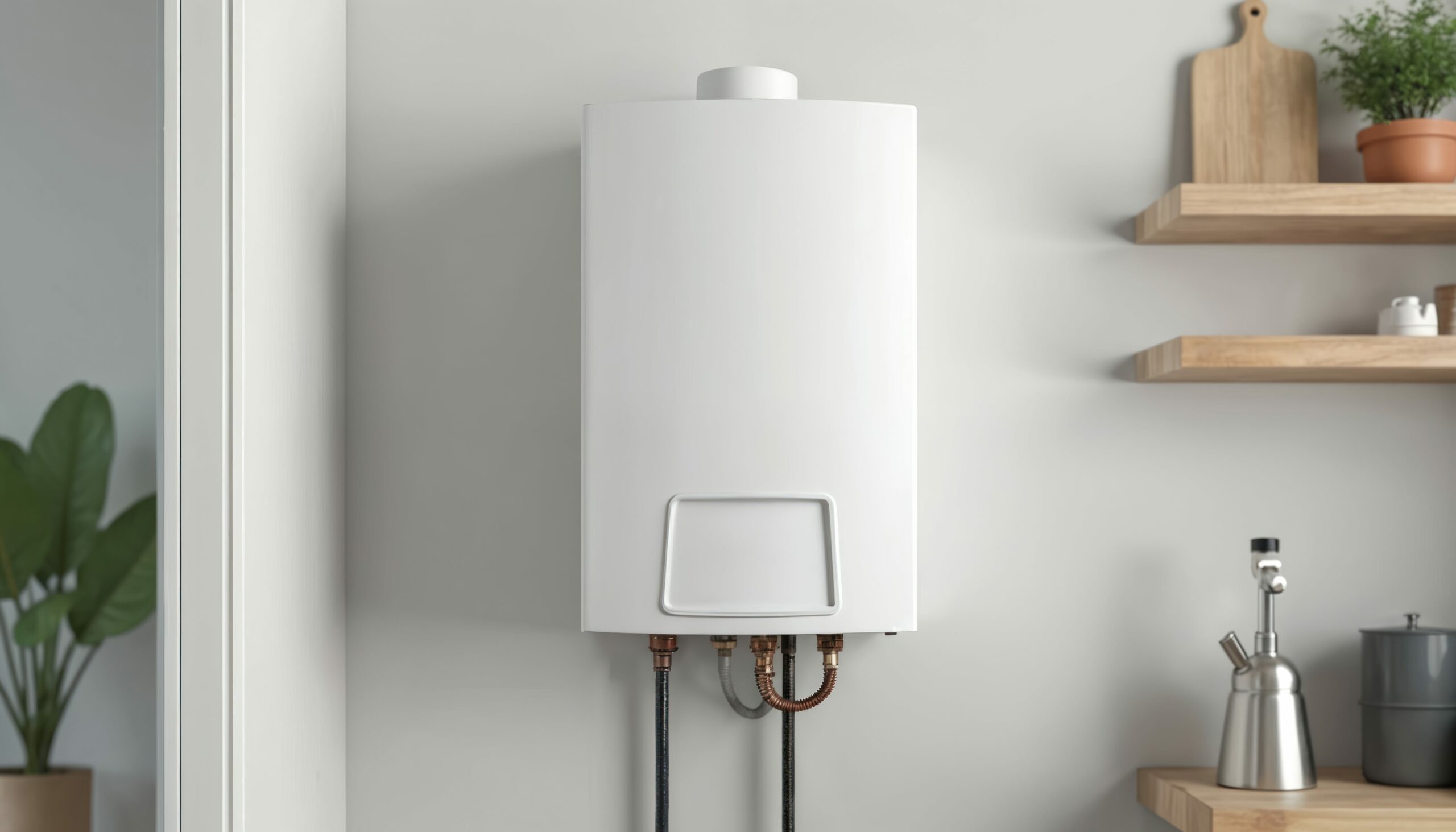
Also known as on-demand water heaters, tankless water heaters are exactly what they sound like—water heating systems that operate without a storage tank. Unlike conventional tank systems that maintain a reservoir of hot water around the clock, tankless systems heat the water instantly as it flows through the unit. When you turn on a faucet, cold water travels through a heat exchanger powered by either electricity or natural gas, producing a continuous stream of hot water on demand. No standby water, no bulky tank taking up real estate in the garage or basement—just hot water when you need it.
How Tankless Water Heaters Work
At the core of a tankless system is a compact unit housing sensors, flow valves, and a heating element. As water enters the system, flow sensors detect the demand and signal the heating elements to activate. Gas units ignite a burner, while electric units use high-powered heating coils to instantaneously increase the temperature of the water passing through. Because the unit heats water only when requested, there’s no delay in hot water delivery—at least within its designed flow rate capacity. That means it doesn’t need to keep 40 or 50 gallons hot all day, drastically cutting energy consumption.
Why More Homeowners Are Choosing Tankless Water Heaters
The appeal of tankless water heaters centers around efficiency, longevity, and space-saving design. On the efficiency front, tankless units can be up to 34% more efficient than traditional tank heaters in homes that use less than 41 gallons of hot water daily, according to the Department of Energy. This efficiency translates into real savings on utility bills over time. They also tend to last longer—often 20 years or more with proper maintenance, compared to the 10 to 15-year lifespan of a standard tank heater. Their compact size is another considerable benefit, especially in smaller homes or those with modern layouts where space is at a premium.
Potential Drawbacks and Limitations
That said, tankless water heaters are not one-size-fits-all. First, the initial cost is higher. Between the unit itself and the specialized installation, upfront expenses may be significantly more than a conventional unit. If your home has an old infrastructure, retrofitting could lead to added labor costs as well. Another common concern is flow rate capacity. A single tankless unit may struggle to supply multiple fixtures simultaneously—think two people showering while the dishwasher runs. In some households, that could necessitate installing two units or a larger, more expensive model. Additionally, electric tankless models can strain your existing electrical system if not designed correctly.
Maintenance and Performance Considerations
While tankless systems require less maintenance overall, they are not maintenance-free. Mineral buildup—especially in areas with hard water—can reduce efficiency over time. Routine servicing, generally once per year, is recommended to flush the unit and maintain performance. If neglected, scale accumulation can lead to premature breakdowns and void manufacturer warranties. You should also factor in professional servicing costs when comparing the total lifetime value against tank-based systems. Understanding your local water quality and choosing a system with built-in scaling inhibitors can streamline this process long term.
Energy Costs and Environmental Impact
Homeowners increasingly ask not just how a system works—but how it works for the planet. Tankless water heaters perform well here too. By only heating water when needed, you reduce your total energy footprint. For gas-powered units, look for high-efficiency condensing models that use exhaust gases for additional heating, further conserving energy. For electric models, pairing them with solar panels can offer net-zero or near-zero heating costs. Over a system’s lifespan, this can translate into substantial reductions in CO2 emissions—an appealing prospect to eco-conscious homeowners or those looking to meet local energy-efficiency standards.
Is Tankless Right for Your Home?
The answer depends on your water usage habits, household size, and long-term budget. Small households that use moderate hot water tend to benefit the most from a tankless system. For larger families or homes with simultaneous hot water needs, you need to assess pipe sizing, water pressure, and flow volume to ensure satisfaction. Some may even opt for hybrid configurations—using tankless systems for high-demand areas like master bathrooms or kitchens while keeping a tank unit for general use. A professional assessment can pinpoint what setup delivers optimal comfort without overcapitalizing your investment.
Safeguard Your Investment with a Home Warranty
Upgrading to a tankless water heater is a strategic decision, but like all home systems, it’s not immune to wear, breakdowns, or unexpected repair needs. That’s where Armadillo comes in. Armadillo’s home warranty coverage is designed for modern homeowners who demand reliability and transparency. Whether you’re replacing an aging tank unit or installing tankless technology for the first time, Armadillo helps ensure your investment works for you long after install day. Learn more about comprehensive home system protection at www.armadillo.one. Ready to customize your coverage? Start building your plan today at this link and take the next step in smart homeownership.