Why Your Kitchen Sink Isn’t Draining—and What You Can Do About It
It’s a scene every homeowner dreads: the kitchen sink filled with murky water that refuses to budge. Whether it creeps up gradually or floods in an instant, a non-draining sink can halt daily routines and spark concern over what’s gone wrong behind the scenes. While it may seem like a minor inconvenience, a backed-up sink is often a red flag for broader issues in your home’s plumbing system. Understanding the inner workings of your kitchen plumbing, how clogs form, and what preventative steps you can take will empower you to protect your kitchen’s most relied-upon fixture. This guide walks through exactly that—from how your sink plumbing operates to the benefits of being covered with a trusted home warranty.
Understanding How a Kitchen Sink Drain System Works
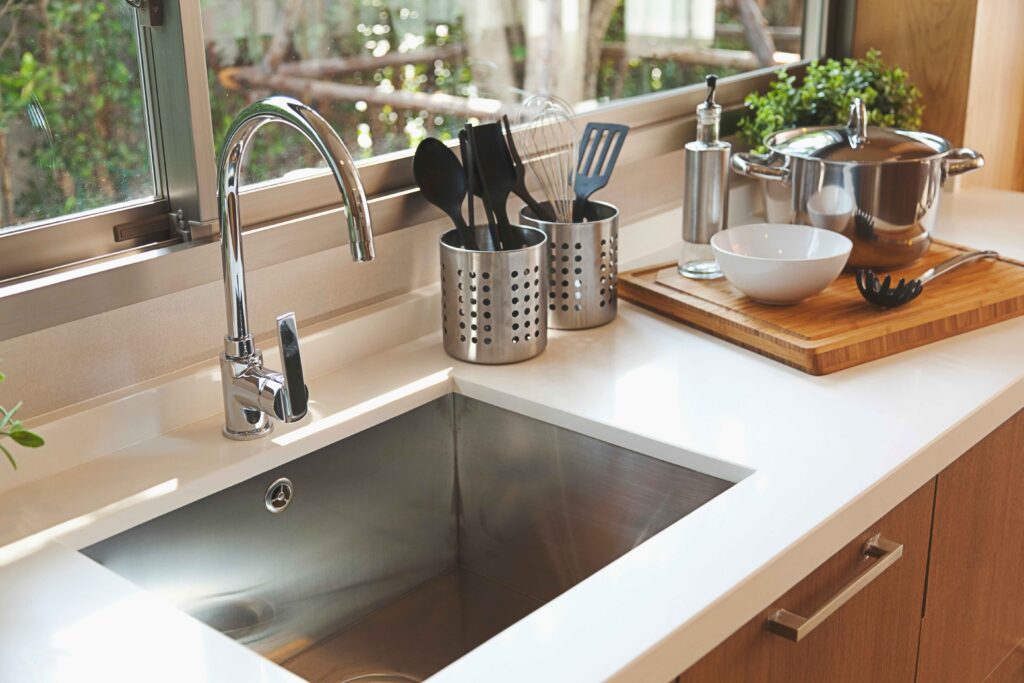
The drain beneath your kitchen sink is part of a larger, interconnected plumbing system that handles wastewater. The moment you wash dishes or run the garbage disposal, water flows through the strainer, down the sink drain, and into the P-trap—the curved pipe below your sink designed to trap debris and keep sewer gases from rising into your home. From there, greywater moves into your home’s drainage pipes and eventually exits the house through the main sewer line or a septic tank.
This system depends on consistent water flow and pressure, plus proper venting to allow air in and reduce vacuum force. Disruptions anywhere in the sequence—usually in the form of slow build-up or physical obstructions—can grind that process to a halt. One blocked section in the drain line is all it takes to cause stagnation, backflow, or leaks, sometimes out of sight until damage has spread.
Common Reasons Your Kitchen Sink Won’t Drain
Most frequently, sink drainage problems trace back to food scraps, grease, or foreign objects accumulating within the P-trap or beyond. Fats, oils, and grease are notorious for cooling and solidifying in pipes, clinging to the inner lining, and gradually narrowing the passageway. Coffee grounds, vegetable peels, pasta, and even soap residue can cling to that greasy surface, forming stubborn blockages that worsen over time.
Another common cause? A compromised or collapsed pipe—especially in older homes. Over time, metal pipes corrode, plastic pipes shift, and natural settling may deform drain slopes, making it impossible for gravity to help waste flow efficiently. Less visibly, tree root invasion, poor ventilation, or inadequate installation can increase your chances of encountering persistent clogs, leaks, and drainage issues.
How to Diagnose the Drainage Problem
To approach a solution, first observe how the system behaves. Does the water drain slowly before backing up? Is one sink basin affected or both? Is there a gurgling noise as the water shifts, or a foul odor rising up from the drain? These sensory clues can reveal where the issue lies. If the water drains slowly but eventually goes down, it’s likely a partial clog close to the basin. If both the garbage disposal and sink show signs of backing up simultaneously, a deeper line may be obstructed.
Test the garbage disposal to rule out mechanical blockage. If it hums without spinning, the unit may be jammed. Avoid pouring chemical cleaners, especially after using the disposal, as those compounds can react and damage internal seals. If the plumbing beneath the sink feels warm or emits a smell of rot or mold, inspect for leaking seals or ruptured pipes. Timely action here minimizes risk and escalated repairs.
Fixing the Problem Before It Worsens
Clearing a clog often begins with the basics—remove visible debris from the stopper or strainer, then try a conventional plunger. Applying pressure while creating a seal above the drain can often dislodge surface clogs within the P-trap. If the clog lies beyond, consider removing and cleaning the P-trap itself. Make sure to shut off water access and place a bucket beneath the trap to catch any existing fluid or debris before unfastening the slip nuts.
If deeper blockages persist, a manual drain snake or a wet/dry vacuum can aid in reaching further into the pipe system. For more aggressive clogs, hydro jetting—pressurized water flow applied by a professional—can clear out hardened grease and scale deposits without damaging the pipes. In these instances, recognize when the issue is persistent enough to justify expert support, especially if you’ve gone through DIY attempts without success. Ignoring repeated backups may lead to long-term structural damage or mold growth within cabinetry and flooring.
Benefits of Preventive Maintenance
Proactive attention to your sink’s drainage system can preserve the integrity of your entire kitchen plumbing layout. Routine practices—such as running hot water down the drain after each use, avoiding excess food wastage, and limiting grease disposal—significantly reduce the buildup that leads to blockage. For homes with garbage disposals, occasional grinding of ice cubes and citrus peels can assist in cleaning blades and neutralizing odors.
Inspection of under-sink plumbing every few months can prevent minor leaks from turning into major rot or mold intrusions. Monitoring unusual sounds, smells, or water flow changes over time helps establish a baseline, making deviations easier to recognize. These small habits cost little and significantly extend the lifespan of a plumbing system that most homeowners depend on every single day.
The Hidden Costs of a Failed Drain System
Drainage issues don’t exist in isolation. Lingering water damage caused by unmanaged drainage problems can jump to adjacent systems—like cabinetry, flooring, or even electrical wiring situated nearby. Mold infestation, structural deterioration, and pest attraction are common consequences when a seemingly minor clog results in hidden leaks or standing water. These conditions aren’t just inconvenient—they’re expensive, time-consuming, and potentially unsafe.
Service calls for plumbing interventions vary in cost, but when foundational issues compound over time, what starts as a backed-up sink could culminate in full pipe replacement, drywall restoration, or comprehensive kitchen remodeling. And most of these situations—unfortunately—are not covered under basic homeowners’ insurance policies.
Why a Home Warranty Makes a Critical Difference
This is where the value of a home warranty becomes evident. A solid home warranty plan can bridge the gap between everyday wear-and-tear and costly surprise breakdowns. When your kitchen sink’s drainage system fails due to normal use, it falls into coverage categories under most home warranty plans—as long as consistent maintenance is demonstrated. Leaks, system backups, and failed garbage disposals can often be addressed swiftly and affordably without tapping into emergency savings accounts or delaying repairs due to out-of-pocket costs.
With professional service appointments baked into your warranty protection, you’re empowered to file a claim quickly and get your kitchen running normally again—before damage spreads and costs climb.
Why Armadillo Is the Smarter Choice for Your Kitchen and Beyond
The simple fact is this: your home does heavy lifting every day. And systems like your kitchen sink are at the center of it all. Protecting them isn’t just smart, it’s necessary. At Armadillo, we design modern home warranty solutions built around real-life needs—covering breakdowns from normal wear and tear with a streamlined process that prioritizes speed, simplicity, and trusted execution. If your kitchen stops working, so does everything else. Don’t wait for a clog to bring your home to a halt. Take the proactive step to shield your most-used systems with a plan tailored for your household. Start building yours today at this link and discover why thousands of homeowners turn to Armadillo for confidence, not chaos, when things go wrong behind the scenes.