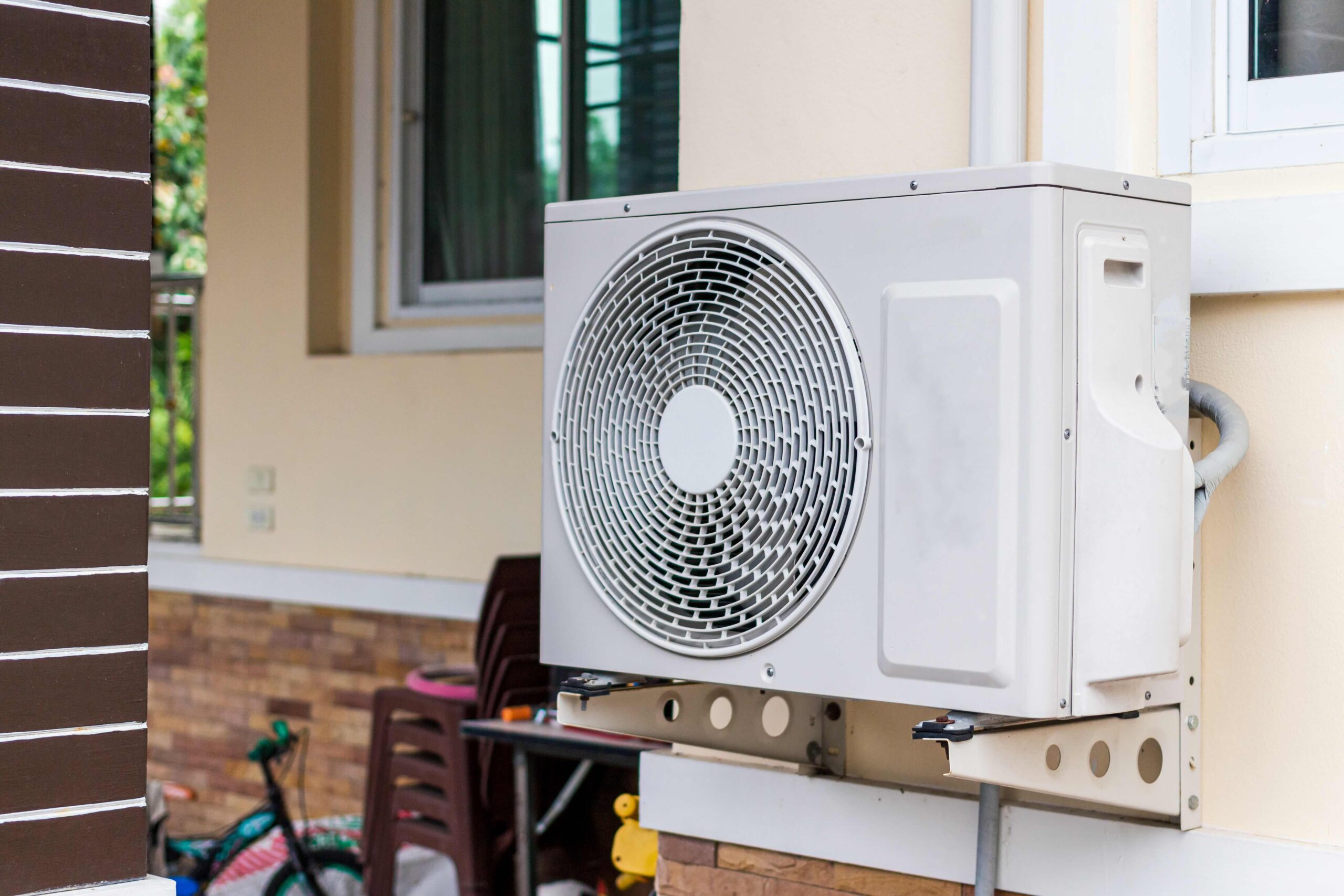
Is a Heat Pump System Right for Your Home?
When it comes to managing indoor temperature throughout the year, homeowners often find themselves choosing between traditional heating and cooling systems—furnaces, air conditioners, maybe even radiant heating or window units. But there’s a standout option gaining momentum for its energy efficiency, adaptability, and year-round utility: the heat pump. Though once thought of as only suitable for moderate climates, today’s technology has made these systems increasingly popular across diverse regions in the United States. If you’re exploring ways to modernize your home’s heating and cooling systems or curb your energy bills, understanding what a heat pump does, how it works, and whether one fits your needs is essential.
What Is a Heat Pump System?
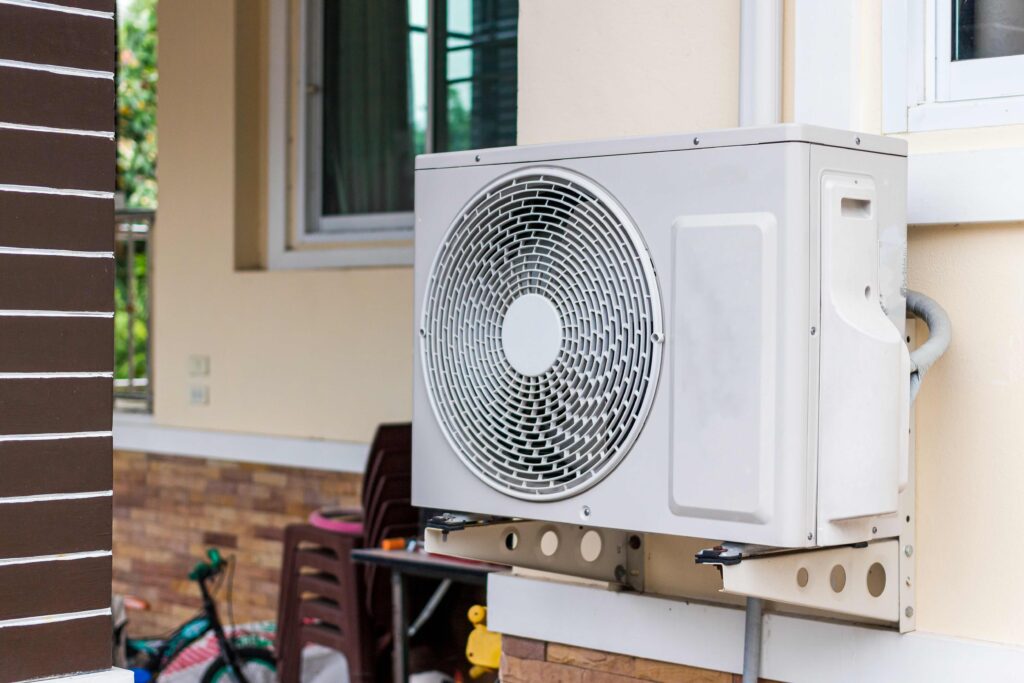
A heat pump is a versatile device that provides both heating and cooling using a highly efficient energy transfer process. Unlike traditional furnaces or air conditioners, which generate hot or cold air, a heat pump simply moves heat from one place to another. In the summer, it pulls heat out of your indoor space and transfers it outdoors. In winter, it reverses this process, pulling heat from the outside air—incredibly even when it’s cold—and moving it into your home. This makes it a dual-purpose system operating off a single electrical unit, often eliminating the need for both a furnace and a central air conditioner.
How Does a Heat Pump System Work?
At its core, a heat pump uses refrigeration principles nearly identical to those found in your refrigerator. A refrigerant circulates through a closed loop inside the system, absorbing and releasing heat as it moves through various components such as the evaporator coil, compressor, condenser coil, and expansion valve. In cooling mode, indoor heat is absorbed and expelled outside. Flip to heating mode, and the process reverses, drawing in outdoor warmth and redistributing it inside. The reversing valve—an integral feature of most heat pumps—is what allows this change in function. These systems are generally powered by electricity and use significantly less energy than combustion-based systems.
Key Advantages of Installing a Heat Pump
Heat pumps shine when it comes to energy efficiency. Because they’re simply transporting heat rather than generating it, they can often deliver up to three times more heating or cooling energy than the electrical energy they consume. That translates into lower monthly utility bills, particularly in climates where extremes in temperature aren’t the norm. They also reduce greenhouse gas emissions if replacing older fossil fuel systems. Maintenance is typically straightforward, and modern models are equipped with smart thermostats and zoning capabilities that provide excellent climate control. Additionally, the fact that one system takes care of your year-round temperature management simplifies home infrastructure and long-term maintenance schedules.
Drawbacks and Limitations to Consider
Despite the benefits, no system is ideal for every home. Heat pumps can struggle during extended periods of extreme cold—especially older models or units not specifically designed for colder climates. In those cases, a supplemental heating source like electric resistance coils or a gas furnace may still be required. Initial installation costs can also be higher than a base model furnace or traditional A/C setup, potentially deterring homeowners working within tight renovation budgets. And, as with any system that relies on outside air, efficiency can be less predictable when environmental conditions are sub-optimal. Durability is comparable to other HVAC systems, but component repair or replacement can be expensive without proper coverage.
Is a Heat Pump Right for Your Climate?
Historically, heat pumps were recommended primarily for milder climates like the Southeast or Pacific Coast. However, recent advances in cold-climate heat pumps have expanded their usability into areas like the Northeast and Midwest. If your region sees winter lows falling below freezing for long periods, a supplemental backup heating option—usually integrated into the same system—can offset performance dips. Humidity levels also play a role; heat pumps inherently dehumidify during cooling, offering added comfort in muggy summers. In dry climate zones, that might not add as much value. Always consult a licensed HVAC professional to evaluate how a heat pump will interact with the weather patterns and thermal dynamics of your specific home.
Cost, Installation, and Long-Term Ownership
Upfront costs can vary, but a typical air-source heat pump system ranges from around $4,000 to $8,000 for equipment and professional installation. Ground-source (or geothermal) systems cost more initially—often exceeding $15,000—but may come with long-term operational savings. Most homeowners will qualify for federal or state-level tax rebates or utility incentives, especially for ENERGY STAR rated models. Over time, the lower energy consumption can make up the difference when compared to maintaining both a gas furnace and air conditioner. However, these savings assume consistent maintenance. Filters should be cleaned or changed regularly, outdoor units must remain unobstructed, and annual service checkups are recommended.
The Role of Home Warranties in System Protection
No matter how advanced the equipment, even high-efficiency systems can experience wear and tear. Compressors can fail, control boards may short out during voltage fluctuations, fans and coils can become damaged over time. These aren’t low-cost fixes. This is where a home warranty becomes a crucial safety net. With a quality home warranty plan, you’re not on the hook for unexpected repair costs that could compromise comfort and financial peace of mind. Furthermore, many utility companies and local jurisdictions require regular servicing for compliance with warranty policies, making routine maintenance a feature as much as a responsibility. Heat pumps are long-term investments, and a solid warranty strategy offers a layer of predictability you can trust.
Why You Can Trust Armadillo to Protect Your Heat Pump System
Heat pumps are a compelling choice for year-round comfort and lower energy cost, but it’s their complexity that makes them worth protecting. With Armadillo’s modern, responsive home warranty coverage, you can be confident that your investment is supported long after installation. We offer transparent, flexible plans that include key home systems like HVAC—with no runaround or hidden exclusions. Whether you’re installing your first high-efficiency unit or looking to safeguard an existing one, Armadillo offers coverage that’s as advanced and dependable as the technology it protects. Learn more at our homepage: www.armadillo.one, or get started building your custom plan by visiting our sign-up page now. Your home deserves protection that works as hard as your systems do.