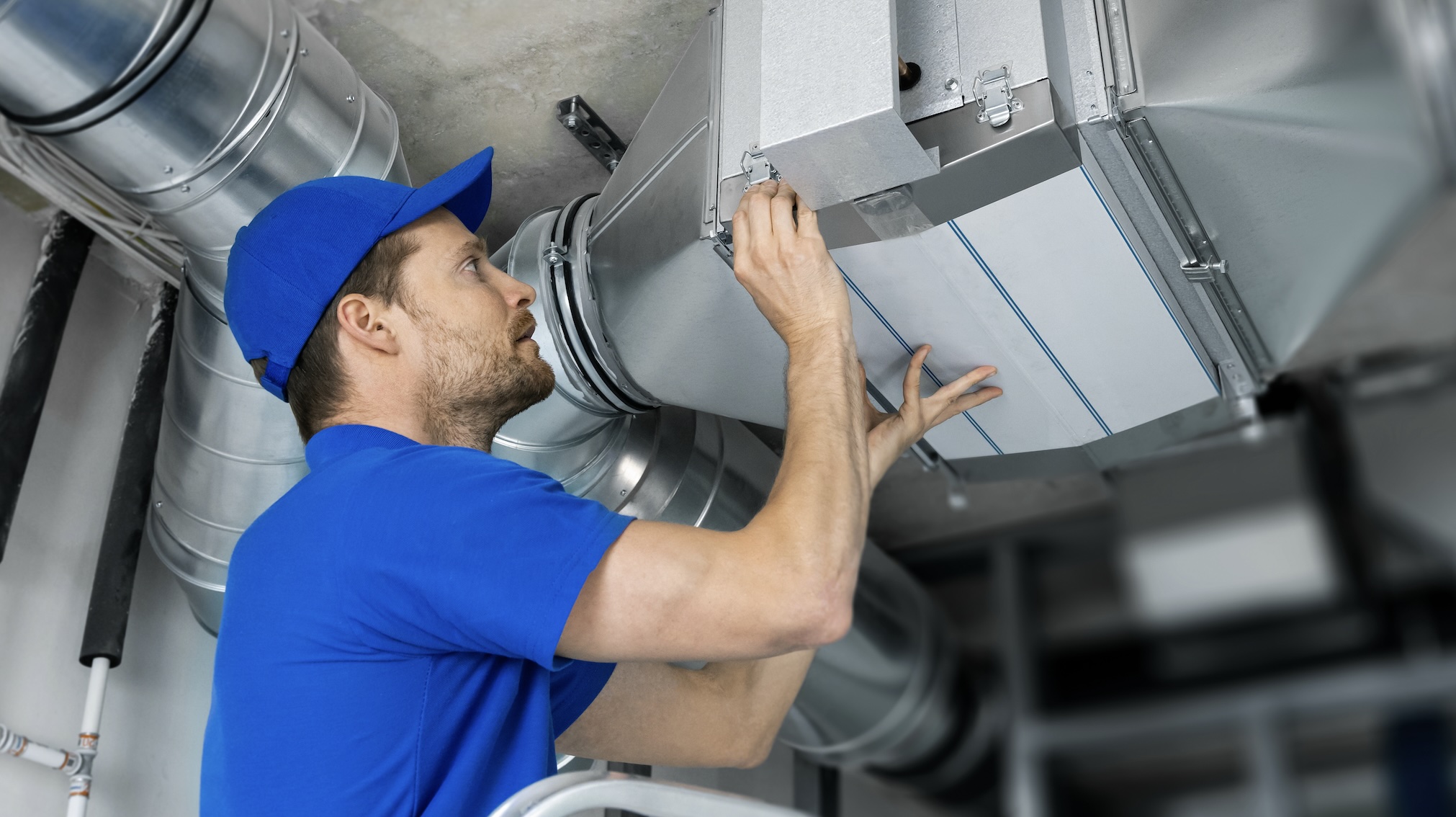
Understanding HVAC Systems: What Every Houston Homeowner Needs to Know
Whether you’re cooling off during a Houston summer or warming up through an unexpected cold front, your HVAC system is the unsung hero of your home. Reliable and efficient heating, ventilation, and air conditioning systems are more than just a modern convenience—they’re essential to living comfortably year-round in Southern Texas. But how much do homeowners really know about what goes on behind those vents?
This guide aims to break down the basics: what an HVAC system is, how it operates, its advantages, drawbacks, and maintenance best practices. If you’re a Houston homeowner looking to protect your investment or simply understand what keeps your indoor environment in check, this article will get you up to speed without the jargon or guesswork. Let’s get started.
What Is an HVAC System?
HVAC stands for Heating, Ventilation, and Air Conditioning. It refers to the entire system that moves air between the indoor and outdoor areas of your home. It heats your house in the winter, cools it in the summer, and ensures proper air filtration and circulation throughout the year.
The primary components of an HVAC system include a furnace, an air conditioner or heat pump, ductwork, vents, and a thermostat. There’s also often a ventilation component, which helps improve air quality by circulating fresh air and controlling humidity. Together, these elements work to regulate temperature, manage humidity levels, and maintain consistent air quality inside your home.
How HVAC Systems Work
At its core, your HVAC system uses a thermodynamic cycle to maintain indoor climate. The air conditioner cools your home by transferring warm air out and bringing cooler air in through the use of refrigerants and compressors. The furnace, usually powered by gas or electricity, heats air and distributes it using fans and ductwork.
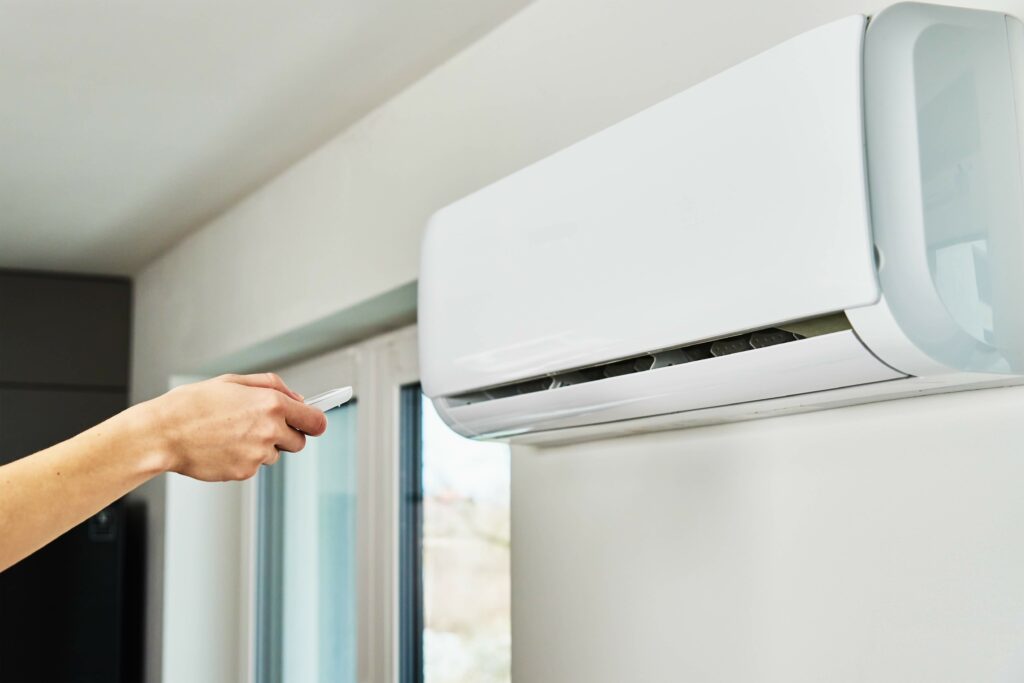
Ventilation pulls in outside air, filters it, and blends it with your indoor air. Depending on system design, this can be controlled mechanically through fans and ducts or passively through vents and natural airflow. Smart thermostats help maintain pre-set temperatures by triggering heating or cooling based on the indoor temperature.
Key Advantages of a Reliable HVAC System
Comfort is an obvious benefit, but a quality HVAC system does more than just maintain a consistent temperature. Proper ventilation ensures healthier indoor air, reduces allergens and bacteria, and helps manage moisture levels, which can prevent mold growth.
Efficiency is another critical advantage. Modern HVAC systems are energy-efficient and designed to save homeowners money over time. They also include zoning options, programmable thermostats, and humidity controls that tailor climate settings to individual preferences and room conditions, increasing both comfort and energy savings.
In Houston, where the humidity can soar and the heat can linger for months, a responsive HVAC system prevents long-term damage to your home by controlling moisture and mitigating heat-related strain on walls, insulation, and furnishings.
Common Drawbacks and Challenges
No system is perfect. A major drawback of HVAC systems is their complexity. A small malfunction in one component—like a worn blower motor or leaky refrigerant line—can compromise the entire system. In Houston’s climate, breakdowns often happen during peak usage seasons, creating uncomfortable and even risky living conditions.
Another common issue is inconsistent performance due to improper installation or aging equipment. If your system didn’t start strong, or if it’s past its prime, it may struggle to maintain desired temperatures, spike energy bills, or cause uneven airflow throughout the home.
Finally, the initial cost of installation and long-term repairs can quickly add up. Even with a newer unit, component failure or regular wear can be expensive without a proper protection plan in place.
What to Know About HVAC Maintenance
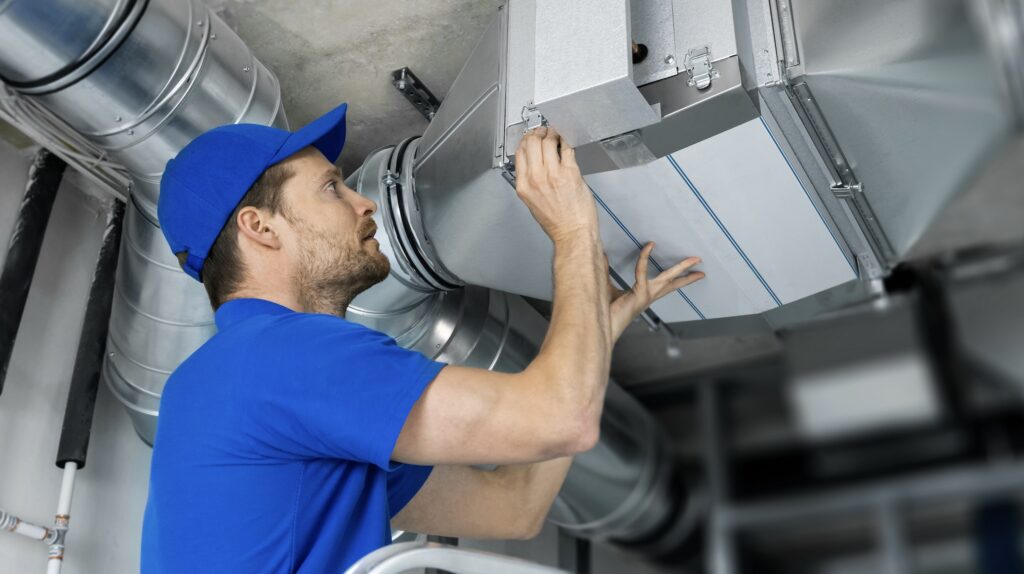
Routine maintenance can significantly extend the lifespan of your HVAC system. Annual checkups by a licensed HVAC technician are highly recommended. These inspections involve checking refrigerant levels, cleaning coils and filters, identifying any wear on belts or motors, ensuring electrical components are running smoothly, and confirming that thermostats are calibrated accurately.
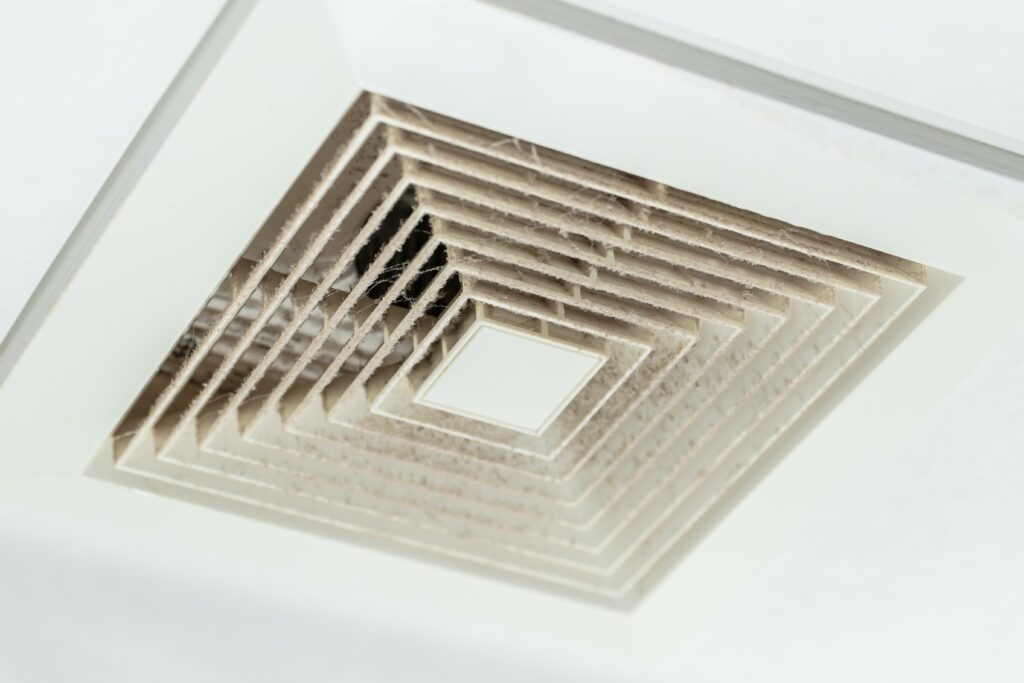
Air filters should be changed every one to three months, especially during heavy use seasons in Houston. Ductwork should be inspected for leaks, which can reduce efficiency. Keep the outdoor HVAC unit free from leaves, dirt, or seasonal debris to ensure the airflow remains unobstructed.
By staying ahead of these tasks, you can reduce emergency breakdowns, increase the system’s life expectancy, and improve your overall sustainability by reducing energy waste.
When to Consider a Replacement
Even with regular maintenance, HVAC systems don’t last forever. The average system lasts 15 to 20 years, depending on usage, unit type, and environment. If your monthly energy bills are creeping up, your home has persistent hot or cold zones, or your current system requires frequent repairs, it may be time to consider a replacement.
Technology has advanced rapidly in the last decade. Upgrading to a modern HVAC system can introduce better efficiency ratings, quieter operation, and features like Wi-Fi enabled thermostats, advanced humidity control, and HEPA-grade air filtration. These upgrades are not just about comfort—they can also increase your home’s resale value.
HVAC Coverage and Home Warranty Considerations
The high cost and unpredictability of HVAC repairs make this system one of the most essential components to protect under a home warranty plan. Homeowners in Houston face long cooling seasons that can severely stress air conditioners. HVAC failures are among the most reported and costly warranty claims.
A robust home warranty plan that includes HVAC coverage ensures that when something goes wrong, you aren’t scrambling for a trustworthy contractor or trying to figure out how to cover the repair cost out-of-pocket. Instead, you have an experienced provider managing the process from diagnosis to fix.
It’s crucial to review what’s included in your warranty: not all plans cover refrigerants, ductwork, or smart thermostats. When choosing a home warranty provider, responsiveness, local contractor networks, and transparent terms are just as important as broad coverage.
Why Armadillo Is Houston’s Smart Choice for HVAC Protection
Your HVAC system is one of the most important—and expensive—investments in your home. Whether you’re dealing with the scorching Houston heat or managing indoor air quality, peace of mind comes from knowing that unexpected repairs are backed by a reliable safety net. That’s where Armadillo steps in.
Armadillo offers HVAC coverage as part of its flexible home warranty plans, tailored to the demands of Houston homeowners. With fast claims processing, vetted local professionals, and coverage clarity, Armadillo ensures your comfort system runs effectively year-round. Start building your custom plan today by visiting armadillo.one, or take the first step toward smarter protection at our plan builder tool.