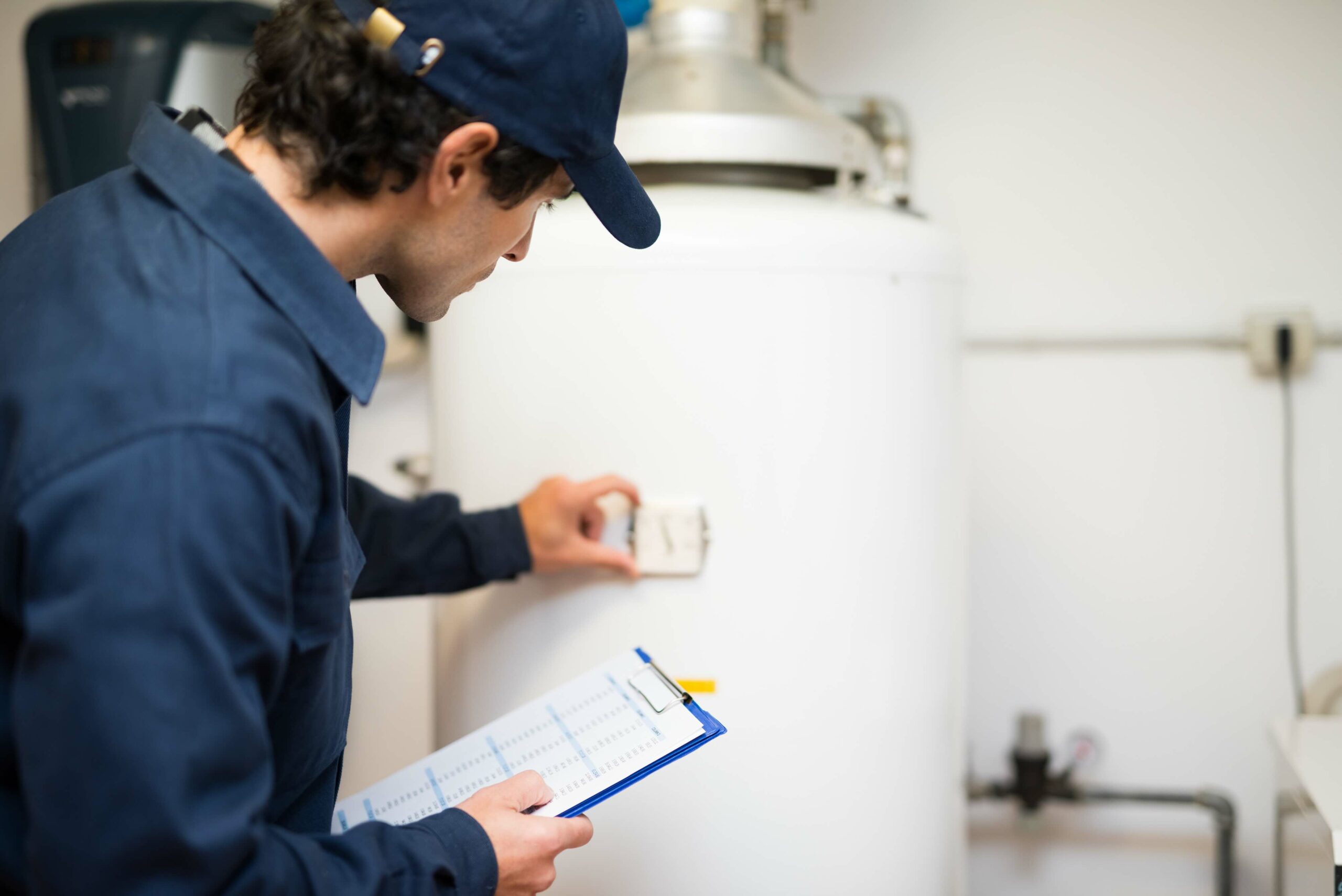
The Homeowner’s Guide to Understanding Water Heaters: How They Work, Pros, Cons, and When to Replace
For homeowners, a functioning water heater isn’t a luxury—it’s a necessity. Few home systems are used as continuously and universally as your water heater. Whether you’re taking a morning shower, washing dishes, or doing laundry, your water heater is quietly doing its job in the background. And like any other major home system, understanding how it works, what options are available, and how to know when it’s time to replace it is vital. When issues arise, the right knowledge helps avoid unnecessary costs or discomfort. If you’re evaluating your current setup or considering a switch, this detailed guide will help equip you with what you need to know.
What Is a Water Heater and How Does It Work?
A water heater is a household appliance responsible for heating and storing hot water for daily domestic use. There are several types of water heaters, but most homes still use either a storage tank unit or a tankless (on-demand) system. In a traditional tank model, cold water enters the tank and is heated by either a gas burner or electric heating element. The hot water is then stored in the tank until it is needed. Meanwhile, tankless models heat water directly without storing it, using powerful coils to rapidly raise the temperature as water moves through the unit.
Systems are typically powered by gas or electricity, though some newer homes may also have hybrid, solar-powered, or heat pump models. Each type comes with specific installation requirements, utility demands, and performance metrics. Regardless of the model, the end goal remains unchanged: hot water on demand whenever your household needs it.
Types of Water Heaters and Which One Is Right for You
Deciding which water heater is best for your home depends on several variables including your household size, budget, water usage habits, and energy efficiency goals. Storage tank heaters are the most common, and they’re reliable, easier to install, and typically less expensive upfront. However, they’re also less energy efficient because they keep heating water around the clock to be “at the ready.”
Tankless models, on the other hand, deliver hot water only as needed, which means less energy waste. These models generally take up less space and last longer but come with a higher initial cost and may require more complex installation, especially in older homes. Heat pump water heaters, which pull heat from the surrounding air, are efficient but may not be ideal in colder climates. Solar models are sustainable but cost-prohibitive for many and depend on consistent sunlight exposure. The best fit will ultimately blend efficiency, cost-effectiveness, and the demands of your household.
Key Benefits of a Well-Maintained Water Heater
Reliable access to hot water isn’t the only benefit. A well-maintained water heater can significantly influence your utility bills, energy footprint, and overall home comfort. Water heaters that are correctly sized and properly installed ensure consistent temperature control across taps, reducing the likelihood of scalding or cold surprises. Tankless systems offer the added perk of potentially unlimited hot water, ideal for families or homes with high usage.
Additionally, consistent maintenance extends the appliance’s lifespan, supporting optimal performance while also spotting issues early. Routine flushing of sediment buildup and inspecting connections safeguard against leaks, corrosion, and pressure-related issues. This level of upkeep can delay costly repairs and defer full replacement for years.
Common Challenges and Drawbacks of Water Heater Systems
No system is flawless. Storage tank heaters can run out of hot water if multiple appliances or bathrooms are in use simultaneously. They also tend to be larger, requiring a designated footprint, and the need to maintain tank temperatures results in standby energy loss. Tankless models, while efficient, typically have a limited flow rate—making them less effective in households with simultaneous high demand unless multiple units are installed.
Unexpected failures often result from neglected maintenance. Sediment buildup in tanks reduces efficiency and heats water inconsistently. For electric units, failed heating elements can result in cold water deliveries. Aging water heaters may leak or even burst if corrosion reaches tank walls—a scenario that can lead to expensive home repairs. Essentially, aging or inefficient units don’t simply deliver poor performance, they increase risks and utility costs.
When to Repair and When to Replace Your Water Heater
Age is a significant factor. Most storage models last 8 to 12 years, while tankless units can last up to 20. If your system is nearing the end of its expected life span, replacement may be more economical than continued repairs. Leaking tanks, unusual noises, cloudy or rust-colored water, and inconsistent water temperatures all indicate a need to inspect—and likely retire—your unit. If a repair is over 50 percent of the cost of a new system, replacement becomes the smart financial move.
Additionally, if your water heater no longer delivers consistent performance or has begun consuming noticeably more energy, it’s reasonable to consider a more efficient, modern upgrade. Many homeowners are now shifting toward Energy Star certified models that qualify for rebates and lower monthly costs by 10 to 20 percent over standard models, depending on usage patterns and local utility rates.
Installation and Maintenance: What Homeowners Should Know
Installation selection goes beyond just choosing a model. Factors include sizing the system accurately, ensuring venting or electrical infrastructure match the unit’s requirements, and understanding the location’s insulation or environmental demands. It’s not always a project suited for a DIY approach—especially with electric or gas connections involved. Going the professional route ensures compliance with code, increases safety, and delivers better long-term outcomes.
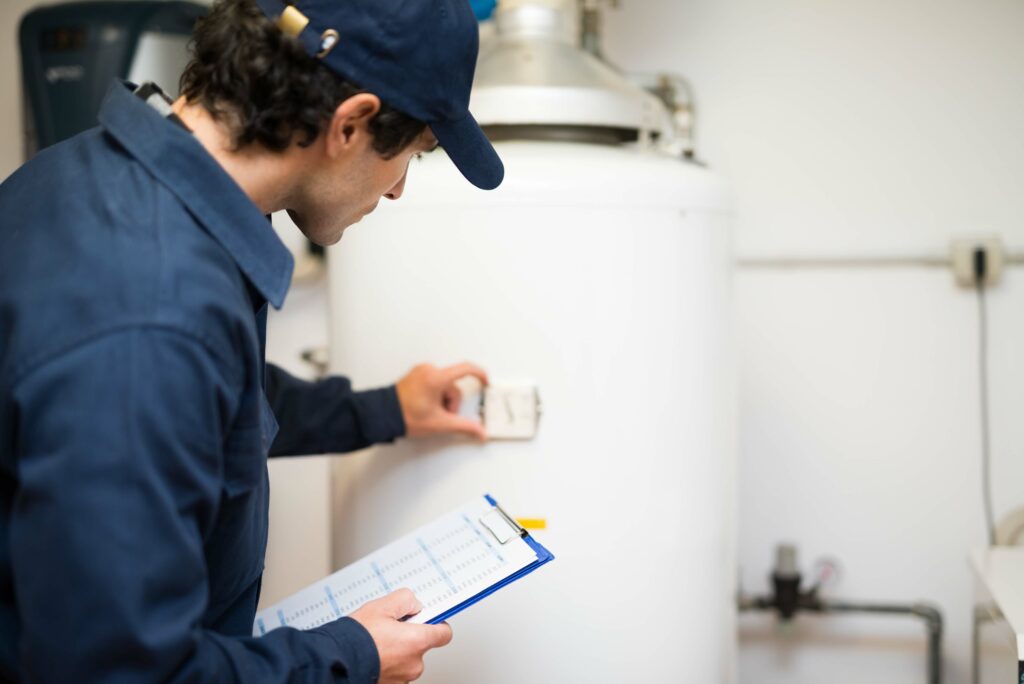
Once installed, regular maintenance protects your investment. For storage tanks, this includes flushing the system annually, testing the pressure relief valve, inspecting the anode rod for corrosion, and checking for mineral deposits. Tankless systems should have their filters cleaned regularly and should also undergo descaling once a year to prevent calcium buildup in the heating chamber. Importantly, keeping clear records of service supports warranty validation and helps with future resale value should you ever move.
Water Heaters and Home Warranty Coverage: How Protection Helps
Water heaters are among the most commonly claimed systems under home warranty plans—and for good reason. When a water heater fails, it can mean significant repair bills and major discomfort. A home warranty provides peace of mind, especially for older systems or homes that recently changed owners. These plans typically cover both parts and labor for mechanical failures due to normal wear and tear, offering real value when you consider average water heater replacement costs range between $1,000 and $3,000 depending on the unit and installation needs.
With a home warranty in place, homeowners aren’t left scrambling for a solution, vetting repair technicians, or guessing at costs. This kind of protection not only minimizes financial risk, but it also connects homeowners to licensed professionals when time is of the essence. Especially for families and those managing multiple home systems, that reliability becomes essential—not optional.
Protect Your Water Heater Today with Armadillo
Maintaining a reliable, efficient water heater isn’t just about comfort—it’s about smart homeownership. Unexpected breakdowns can drain not just your hot water supply, but also your budget. Armadillo offers modern, transparent home warranty plans that cover critical home systems, including your water heater, giving you comprehensive coverage with zero hassle. Learn more at www.armadillo.one and build your own plan suited to your home and lifestyle at this link. Homeownership made easier, with protection that works.