How to Replace a Toilet Flush Handle: A Homeowner’s Guide
Small components can make a big impact in the everyday functionality of your home. The toilet flush handle is a perfect example. Easily overlooked until the moment it fails, this simple lever can put a stop to your household routine faster than you’d expect. Thankfully, learning how to replace a flush handle on a toilet is straightforward. For homeowners, knowing how this mechanism works, what causes it to break, and when to call for extra help protects the usability of your bathroom and supports smarter home systems management. This guide will walk you through the basics of flush handles, explain their significance, cover the steps to replacement, and connect these insights to broader home protection strategies.
What Is a Toilet Flush Handle and How Does It Work?
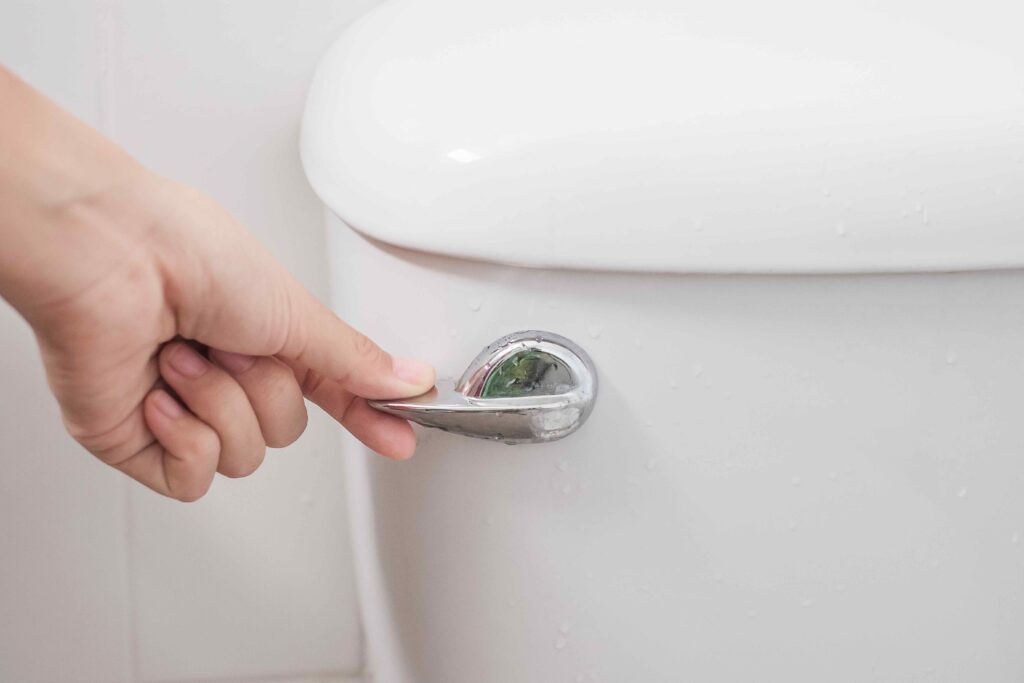
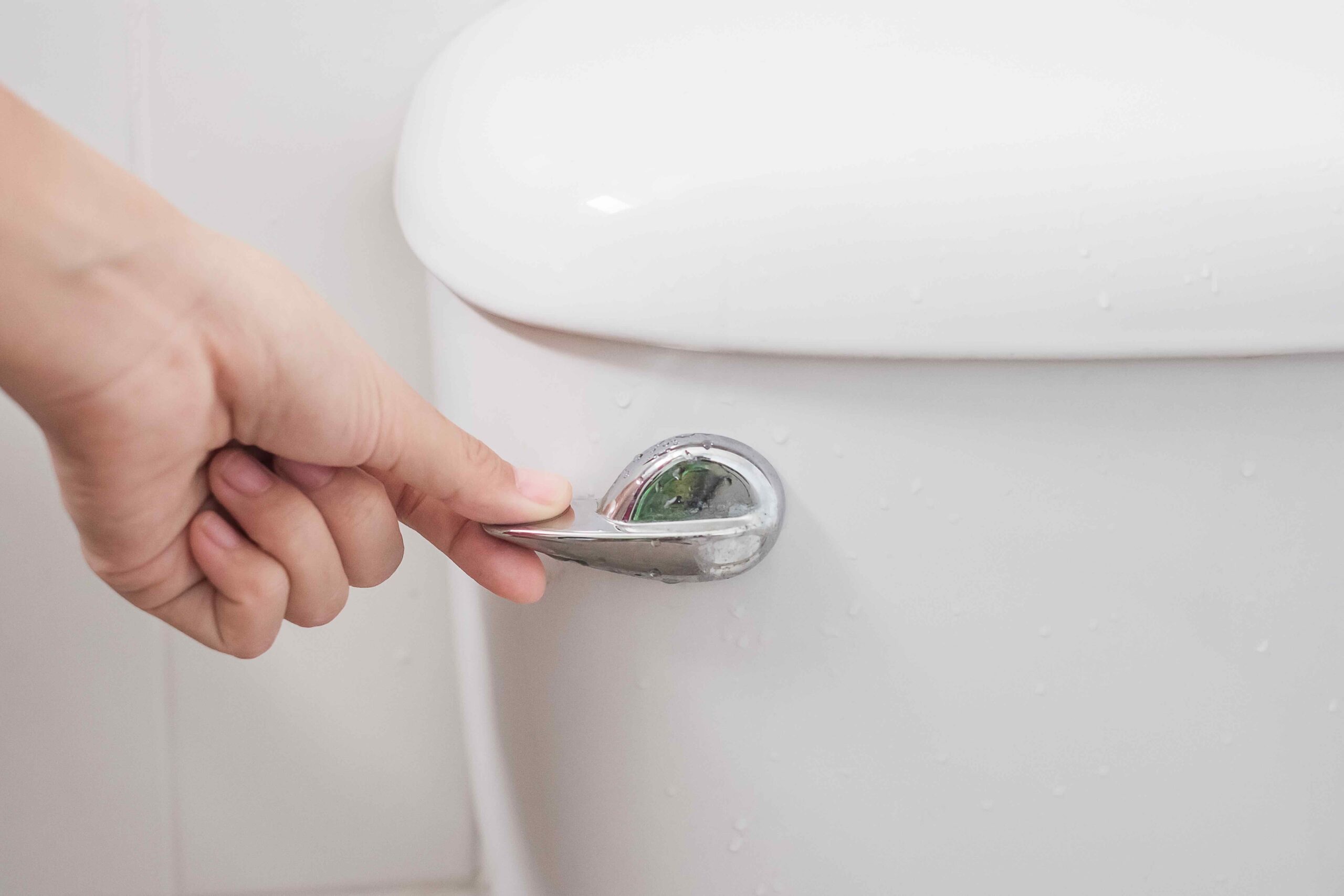
The flush handle, also known as a trip lever, is the external lever attached to the toilet tank. When you press it down, it activates an internal linkage system that lifts the flapper or flush valve, allowing water in the tank to rush into the toilet bowl and complete the flush cycle. Once the water drains, the flapper lowers, the tank refills, and the handle returns to its resting position. This fairly basic mechanical action is reliable by design—which is partly why most homeowners don’t think about it until it’s loose, broken, or completely unresponsive.
Reasons You Might Need to Replace a Flush Handle
There are several scenarios where a flush handle replacement is necessary. Corrosion is a common culprit, especially if your handle is metal and constantly exposed to moisture. Plastic handles can crack under pressure or degrade over time. Sometimes, it’s not the handle itself but the internal chain or mounting nut that fails, disrupting the flushing mechanism. In some older homes, mismatched replacement parts or dated fixtures can lead to an ill-fitting assembly. Regardless of the cause, a malfunctioning flush handle is more than an inconvenience—it often signals wear that can affect other toilet components too.
Step-by-Step Guide to Replacing a Flush Handle
Before beginning, turn off the water supply to the toilet and remove the tank lid. Drain most of the water from the tank by flushing. Next, locate the mounting nut on the inside of the tank that connects the handle to the flush lever. This nut holds the handle in place and is often reverse threaded, meaning you’ll turn it clockwise to loosen. Once removed, slide the old handle out and install the new one in reverse order. Make sure the new lever arm works cleanly with the flapper chain—neither too tight nor too slack. Lastly, turn the water supply back on, allow the tank to refill, and test the flush several times to ensure full functionality.
Advantages of a Correctly Functioning Flush Handle
A working flush handle ensures that your toilet operates as designed—effectively and hygienically. But it also supports long-term performance by preventing overly aggressive flushing, water leaks, or internal damage. A smooth and responsive handle ensures the flush valve opens fully and resets properly, which avoids strain on both your water usage and internal toilet components. In short, keeping this small part in order extends the life of your toilet and keeps flow efficiency optimized. It’s a detail that supports the whole system.
Common Challenges and Mistakes Homeowners Face
Some homeowners purchase the wrong replacement part—either the size doesn’t align with the mounting hole or the arm length is incompatible with the flapper chain connection. Another common mistake is misthreading the nut, which can cause cracks in ceramic tanks. Forgetting to adjust the chain length also results in half-flushes or water continuously running. Each of these issues, while minor in scope, can lead to bigger mechanical efficiency problems if left unchecked. Replacing the flush handle is low-stakes, but accuracy matters. Incorrect installation can negate the benefit entirely.
When to Repair vs. When to Replace Components
While the flush handle itself is often an isolated replacement job, it sometimes reveals underlying issues—like a cracked flapper, calcium build-up around seals, or corroded tank bolts. If your toilet shows signs of persistent running or incomplete refills, or if multiple components are failing, it may be time for a more thorough repair or even an upgrade to the toilet system. For homeowners trying to extend the value of their existing plumbing, swapping out individual parts works, but repeated minor issues may point to the need for a full evaluation.
How a Broken Flush Handle Ties Into Home Warranty Considerations
This brings us to a bigger point: household systems are interconnected. When a simple fix like a flush handle replacement doesn’t work—or triggers further issues—it’s helpful to have a resource standing by. That’s where home warranty coverage becomes more than just a safety net. A comprehensive home warranty plan ensures you’re not paying out-of-pocket every time an essential system, like your plumbing, suffers damage from normal use. If your flush handle is just the tip of the iceberg, a home warranty helps cover replacements and professional repairs without surprise costs. It also allows you to act with confidence instead of hesitation when little mechanical components give out.
Protect Your Home’s Plumbing—and Your Budget—With Armadillo
Knowing how to fix a toilet flush handle is a valuable homeowner skill—but having support when small problems turn into complex ones is even more essential. Armadillo offers straightforward, homeowner-first home warranty coverage that includes plumbing system protection. Whether it’s a worn-out valve or something far deeper in the line, your plumbing is one of the most used—and least appreciated—systems in your home. Armadillo makes sure you’re covered. Explore flexible options on our homepage or design your custom plan today by visiting our plan builder. Keep your home running smoothly, no matter what goes wrong.