How to Use a Ceiling Fan in Summer — and Why It Matters for Your Home Warranty
Ceiling fans are more than a decorative element or a convenient way to stir the air in a room. Used strategically, they contribute to energy savings and enhance indoor comfort during the hottest months of the year. But they also play a noteworthy role in the health of your HVAC system and can intersect with home warranties in surprising ways. Understanding how to operate a ceiling fan in summer and how it fits into your home systems is critical for maintaining efficiency—and for protecting your home investment.
What Is a Ceiling Fan and How Does It Work?
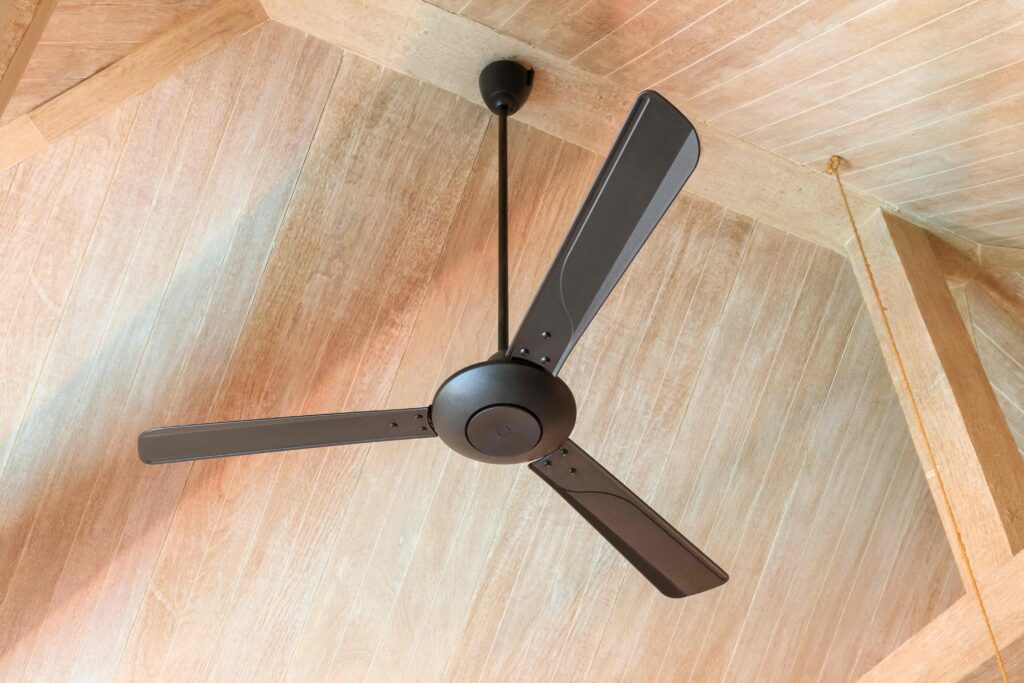
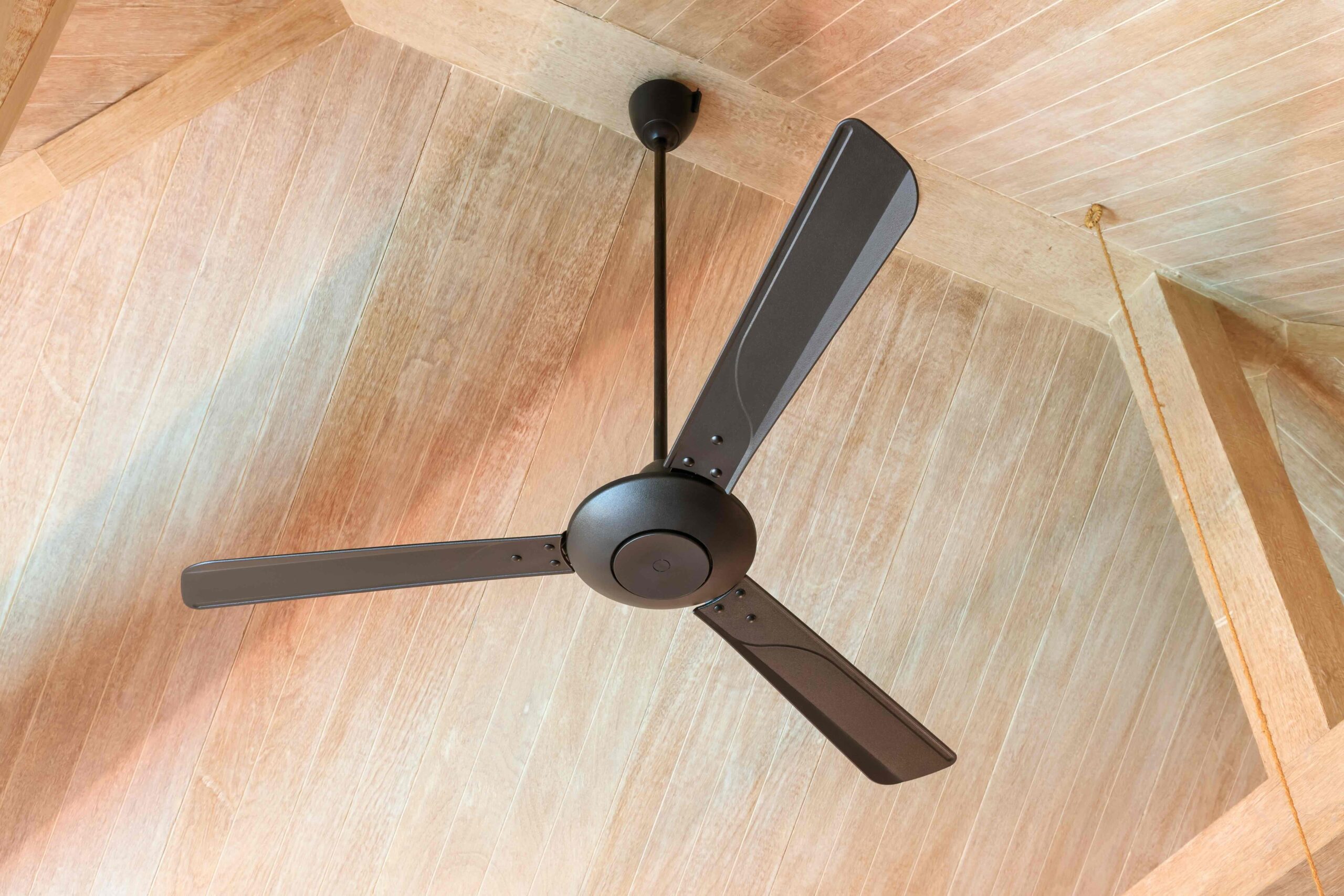
A ceiling fan is a mechanical motorized device mounted to a ceiling that uses rotating blades to circulate air in a room. Unlike air conditioners, which cool the air physically, ceiling fans don’t lower the room temperature. Instead, the movement of air against your skin helps improve perspiration evaporation, making you feel cooler. This perceived cooling effect can make a room feel up to four degrees cooler, which allows you to adjust your thermostat without compromising comfort.
All ceiling fans have a reversible motor function. In warm weather, the fan should run counterclockwise—this pushes air down, creating a breeze effect. In winter, switching the direction to clockwise (at low speed) pulls cool air upward and pushes warm air near the ceiling back down. Getting this detail right is essential to maximizing the ceiling fan’s seasonal benefits—especially in summer.
Key Benefits of Using Ceiling Fans in Summer
Running a ceiling fan in the correct direction during summer adds up in both comfort and energy efficiency. First, you get that wind-chill effect, allowing you to raise the AC thermostat setting by several degrees without sacrificing your comfort. Every degree you raise your thermostat saves roughly 3% on cooling costs. So, combining ceiling fans with an efficient HVAC strategy can produce noticeable savings over the season.
Second, ceiling fans reduce the strain on your air conditioning unit. When your AC doesn’t have to operate constantly to keep your home cool, you’re extending its operational lifespan. For homeowners with a home warranty, this matters because while many plans cover HVAC repairs, not all cover every cause of breakdown—especially those linked to neglect or excessive usage.
Finally, ceiling fans can help circulate conditioned air more evenly, eliminating hot spots and keeping comfort levels consistent throughout the space. That makes open concept homes and multi-zone systems more manageable, at a reduced energy cost.
Common Ceiling Fan Mistakes Homeowners Make
Despite their relative simplicity, ceiling fans are often misunderstood. A common error in summer is setting the fan to run clockwise rather than counterclockwise. Clockwise operation is intended for winter use and will push warm air back down into the space—exactly the opposite of what you want in July or August.
Another frequent issue is running fans in unoccupied rooms. A ceiling fan cools people, not air. Leaving a fan on in an empty room does nothing to lower temperatures and just adds to your electricity bill. Over time, unnecessary usage can wear out the fan motor or lead to overheating, which may fall outside what your home warranty covers if labeled as improper use.
Homeowners also commonly bypass the simple maintenance steps that keep ceiling fans operating optimally. Dust buildup on fan blades not only affects balance and motor strain but also degrades air quality. Regular cleaning and periodic tightening of blade screws extend the lifespan of the unit and reduce the risk of failures that may or may not be warranty-eligible.
How Ceiling Fans Interact with Home Warranties
When it comes to home systems and warranties, the devil is in the details. Most comprehensive home warranty providers cover electrical systems, which may include ceiling fan wiring and components. However, the fan itself—the blades, the motor, the housing—is often considered an appliance or accessory item. That means you’ll need to review your specific contract to see if it’s protected under your plan.
This distinction becomes important when the ceiling fan contributes to or is affected by another system failure. For instance, if a malfunctioning thermostat forces overuse of ceiling fans for supplemental comfort, both appliances are impacted. While your home warranty may step in to repair or replace a thermostat, damage to the fan due to strain or improper electrical connections may not be covered if it’s an excluded item or wasn’t installed to code.
Additionally, most warranties do not cover damage from poor installation. If a ceiling fan was improperly secured or installed on an incompatible ceiling type, and it later causes damage to ceiling materials or the mount itself, you could face out-of-pocket repairs. That’s why correct setup and routine inspections matter—both for functional performance and for aligning with your home protection plan.
Choosing the Right Ceiling Fan for Your Home
Not all ceiling fans perform equally, and the right choice depends on room size, ceiling height, and desired airflow. For rooms up to 75 square feet, a fan with a blade span of 29 to 36 inches is typically sufficient. Medium-sized rooms benefit from blades between 36 and 50 inches, while large open areas may require fan spans exceeding 52 inches or even dual-motor models.
Energy efficiency should also factor into your decision. Look for ENERGY STAR-certified models, which use high-efficiency motors and advanced blade design to deliver better airflow with less electricity. These fans reduce overall strain on your cooling system, which means fewer potential claims on your HVAC system repair—or at the very least, more breathing room before an issue escalates.
And remember the reversible motor. It’s a fundamental seasonal feature, yet some lower-end models forego the option entirely. Install models that allow you to adapt functionality between summer and winter to maximize year-round benefits (and protect your other temperature-regulating systems).
Quick Maintenance Tips for Ceiling Fan Longevity
Ceiling fan upkeep doesn’t demand much, but consistent attention can help avoid service interruptions or conflicts with your home warranty. Check the mounting bracket and blade screws quarterly to ensure stability. Clean the blades monthly to prevent dust recirculation and maintain operational balance. If your fan starts wobbling or emitting noise, inspect the motor housing and re-balance the blades using a calibration kit.
Electrical issues—flickering lights, frequent shut-offs, or switch malfunctions—should be reviewed promptly for signs of wiring concerns. If you have a home warranty that covers internal wiring, this could qualify for service. However, neglecting intermittent signs until they trigger a larger failure could complicate or invalidate your claim.
Why Armadillo Adds Value to Your Ceiling Fan Strategy
When you’re thinking about the bigger picture of home systems, something as seemingly simple as a ceiling fan can make a real difference. Whether it’s your HVAC working overtime or electrical wiring showing its age, a ceiling fan in summer can tip the scales between comfort and cost. That’s where Armadillo comes in. Our modern home warranty solutions help guard every moving part—from fans to furnaces—so you don’t have to second-guess each upgrade or repair. With transparent coverage and user-friendly plans, we make maintaining home airflow as breezy as possible. Learn more at our homepage or get started building your personalized plan today at our sign-up page.