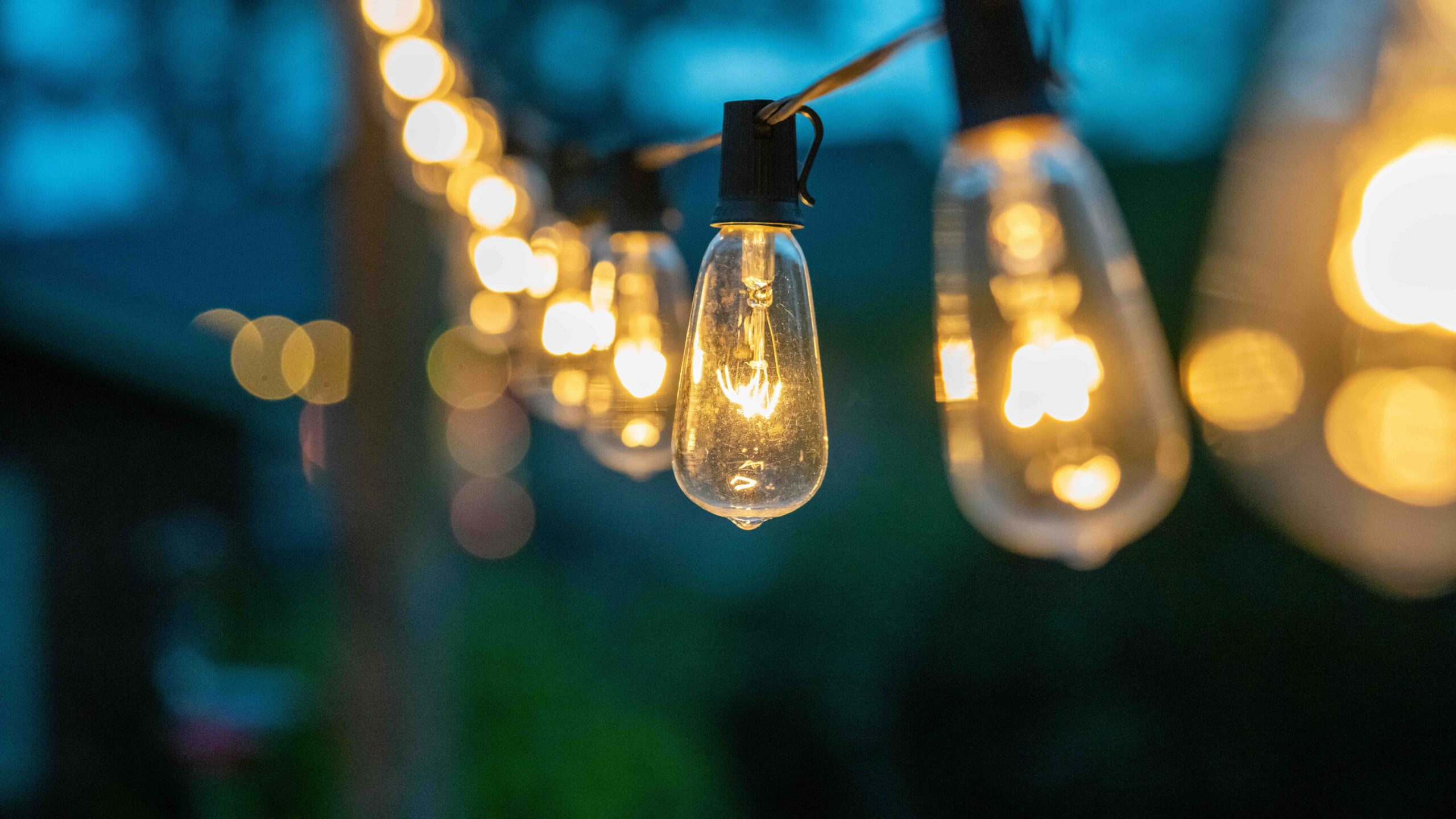
A Bright Idea: A Homeowner’s Guide to Outdoor String Lights and Their Impact on Your Home Systems
Outdoor string lights bring instant charm to any backyard, patio, or porch. With their warm glow and effortless impact, they’re an increasingly popular option for homeowners looking to enhance curb appeal and extend the usefulness of their exterior spaces. But there’s more power behind those twinkling bulbs than you might think. If you’re considering installing string lights outdoors—or already enjoying their glow—it’s worth understanding how they interact with the electrical systems of your home. As a homeowner-focused brand rooted in home warranty coverage, we know that small improvements often have layered implications. So let’s unpack outdoor string lighting from the ground up: what it is, how it works, its advantages and potential drawbacks, and how to make wise, worry-free decisions about bringing it into your home life.
Understanding the System: What Are Outdoor String Lights?
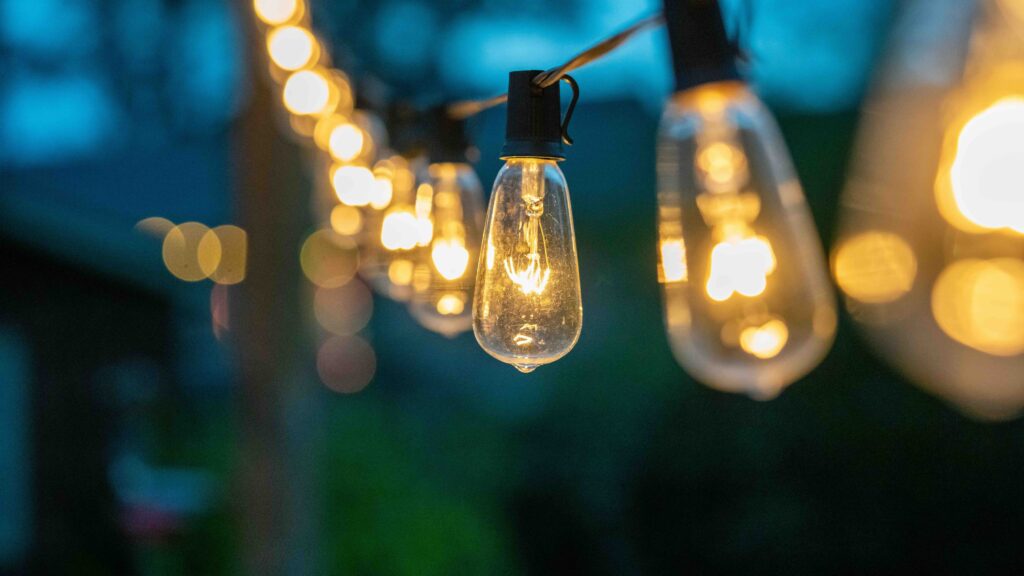
At its core, outdoor string lighting is a decorative electrical system designed to add ambient illumination to exterior areas. It can be as simple as a strand of plug-in LED bulbs or as elaborate as a hardwired series controlled via smart home integrations. While these lights appear straightforward, they interface directly with your home’s electrical wiring, which brings certain responsibilities and technical considerations into play. Outdoor string lights are designed specifically for external use, which means they’re built to withstand weather exposure, temperature fluctuations, and occasional physical impacts. Manufacturers typically assign IP (Ingress Protection) ratings to their products to specify how resistant they are to moisture or dust—something to keep in mind when comparing upgrades.
How Outdoor String Lights Work with Your Home’s Electrical System
Most outdoor string lights either plug into a GFCI (ground fault circuit interrupter) protected outlet or connect to a low-voltage transformer integrated into your home’s main power source. These GFCI outlets are required by electrical code for exterior usage—they shut the circuit down instantly if irregular activity is detected, helping to prevent shock or fire. For homes with exterior lighting zones or smart outdoor panels, string lights may also be installed through hardwiring, which typically requires a licensed electrician and possibly a permit. All of this means your charming glow is part of a wider system—and any issue with the lights may hint at larger electrical concerns. Short circuits, bad connections, or improperly rated cords can lead to breaker trips, outlet damage, or even equipment failure. The more you string together—figuratively and literally—the more load you introduce into your home’s larger energy system.
The Upsides: Why Homeowners Love Outdoor String Lights
There’s no denying the visual impact of string lights. With the right design plan, they can completely transform the feel of patios, decks, pergolas, gardens, and fences. But the benefits are more than aesthetic. Outdoor lighting extends functionality—allowing you to enjoy your outdoor space after sunset, entertain into the evening, or move about safely in areas that would otherwise be deeply shadowed at night. Energy efficiency is another bonus, particularly with modern LED string lights. These low-consumption systems provide substantial illumination at a fraction of the energy cost of older incandescent versions. They also scale easily—you can start with a few light strands and add more over time without overhauling your layout. Finally, well-planned string lighting can increase property value and appeal, particularly when part of a larger backyard improvement approach. Outdoor lighting is one of the most budget-friendly upgrades with measurable returns.
Some Cautions: Challenges and Drawbacks to Keep in Mind
Despite the benefits, not all string lighting installations offer a fairy tale ending. The most common concern involves improper installation. Overloading an extension cord, using non-weatherproof equipment, or daisy-chaining too many strands are all common mistakes that pose real electrical risks. Moisture is another consideration. Even weather-rated lights are subject to corrosion and damage over time. Connectors that aren’t tightly sealed or sockets exposed to standing water can cause sparks, melting, or worse. Durability varies significantly by brand. Cheaper kits may last one or two seasons at best before flickering out, leaving you with another maintenance task on your outdoor checklist. Additionally, not all homeowners enjoy a constant glow outside their windows at night—especially in denser neighborhoods. Glare, intrusive light patterns, and buzzing from poorly installed systems can all lead to frustration. It’s important to build lighting that suits your space, schedule, and long-term maintenance tolerance.
How This Upgrade Affects Your Home Systems—and Warranty Coverage
It’s tempting to treat outdoor lighting as an isolated feature, but it shouldn’t be separated from your broader home systems. When string lights interact with your electrical panel, outlets, or circuit protections, they become part of your larger electrical ecosystem. Any damage or wear they introduce—such as tripped breakers or fried outlets—not only affects their own operation but can destabilize appliances that share the same load path. From a home warranty perspective, unprofessional modifications can limit coverage. For instance, if a customer experiences a problem with their exterior outlets, proper documentation of lighting installations and adherence to code may be a factor in claim eligibility. At Armadillo, we educate homeowners about the way damage flows—an overloaded outdoor outlet might eventually impact a freezer plugged into the same circuit. The ripple effect is real, and sometimes it starts with a single light strand.
Installation Best Practices for Long-Term Safety and Function
If you’re planning to install outdoor string lights—or looking to upgrade safely—start by choosing UL-listed lighting kits specifically rated for outdoor use. Look for products with at least an IP65 rating for areas exposed to rain or snow. All installations should connect to GFCI outlets, and any new hardwiring should be handled by a professional electrician. Avoid using indoor extension cords or running lights through windows or door frames, as pinched cords quickly wear down and spark. Make sure lights are securely fastened and spaced to prevent stretching or tearing from wind. Finally, plan your electrical load. Most lighting kits will specify how many strands can be safely connected to one another. Surpassing that limit—especially on a single outlet—can cause overheating and damage your circuit. When in doubt, divide installations across separate circuits using timers or smart plugs to manage run-time. The goal is beauty with operational safety—not temporary shine that burns out your system.
Maintaining Your Outdoor String Lights Properly
Even the best lighting system requires regular attention. At the start of every season, inspect each bulb, cord section, and anchor point before turning them on. Look for evidence of wear such as frayed edges, discoloration, rust around sockets, or loose connections. Clean glass bulbs and dust off cobwebs that can catch fire under heat. Update your mounting system every few seasons—hook systems and plastic clips degrade from sunlight and repeated stress. During storms or off-season months, unplug lights and store removable strands indoors. For permanently installed lighting, waterproof junction boxes should be reviewed annually. Lastly, if your lighting system is smart-controlled or Bluetooth-enabled, make sure firmware remains up to date to avoid compatibility issues. These small efforts preserve your lighting—and your system—from avoidable failures, not to mention help extend the usable lifespan for years of enjoyment in your yard.
Protect Your Home System from the Unexpected with Armadillo
At Armadillo, we’ve designed our home warranty services around the actual way homeowners live. Every string light, outlet, and sideline upgrade you make tells us something about how your home functions as a complete system. That’s why our plans confidently cover electrical components that intersect with outdoor improvements—because real life is connected and your coverage should be, too. When you choose Armadillo, you’re not just getting peace of mind. You’re getting thoughtful, tech-informed protection that keeps every part of your home supported. Learn more about what we cover at armadillo.one or start creating your custom plan today at our plan builder. Because your lights—and everything else—deserve backup that holds up.