Stainless Steel Appliance Paint: A Practical Option for a Fresh Kitchen Look
Whether you’re renovating your kitchen or sprucing up your home before selling, upgrading the look of your appliances is often a priority. But buying brand-new stainless steel appliances? That gets expensive fast. A simpler and far more budget-friendly approach is stainless steel appliance paint. It offers the modern, clean aesthetic of true stainless steel without the heavy price tag. But how does it work, what should you know before applying it, and is it really a viable long-term improvement? From a home warranty expert’s perspective, here’s what you need to know before reaching for the paintbrush.
What Is Stainless Steel Appliance Paint?
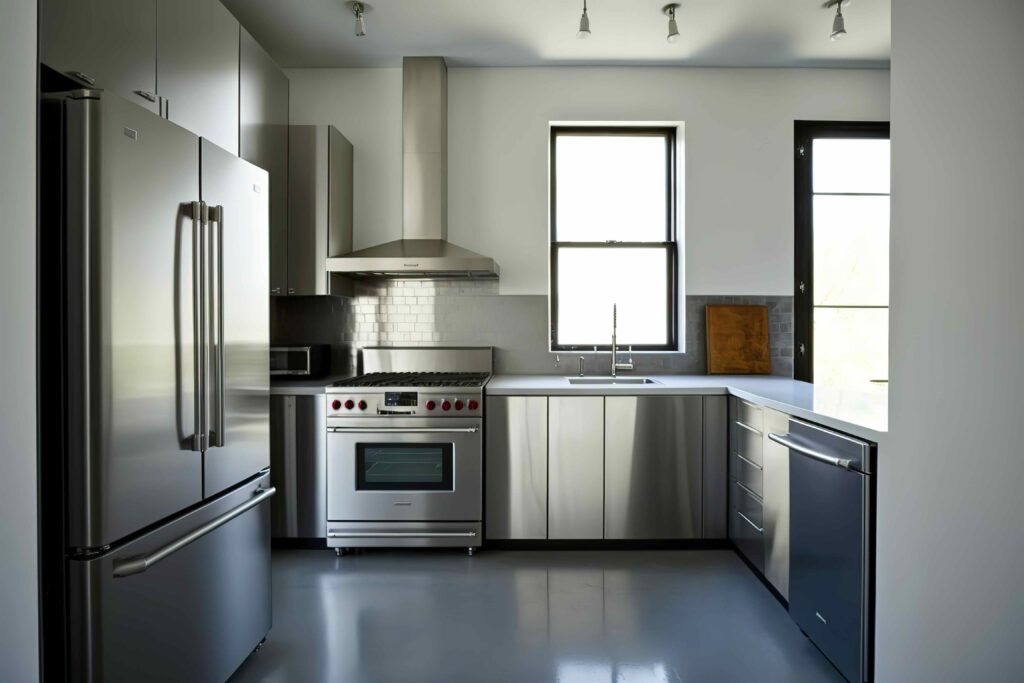
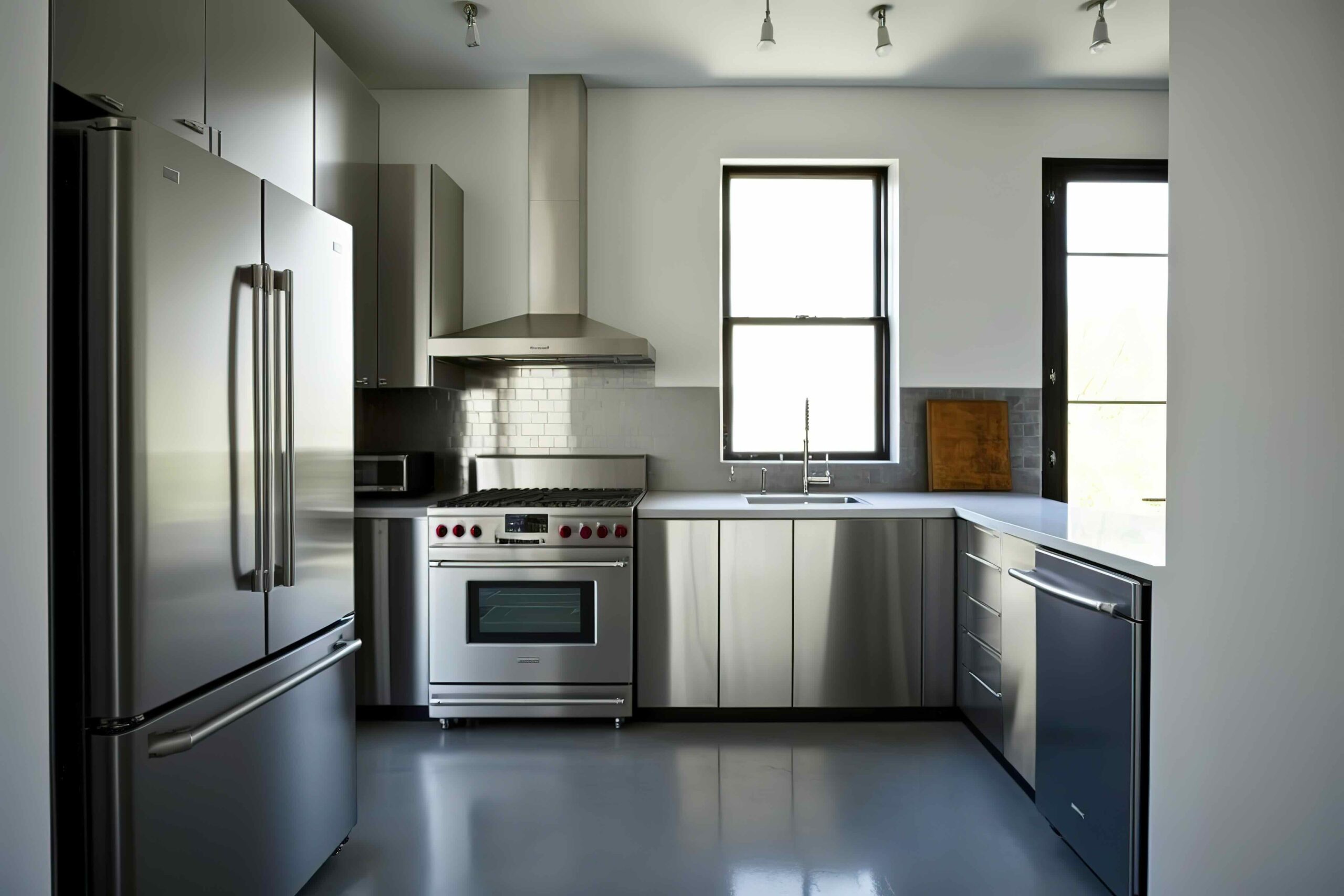
Stainless steel appliance paint is a specially formulated coating designed to replicate the metallic sheen of stainless steel on various surfaces—primarily kitchen appliances. We’re talking about refrigerators, dishwashers, microwaves, and oven exteriors. The product doesn’t contain actual stainless steel, but it’s engineered with metallic pigments to deliver that signature brushed finish. Available in brush-on or spray form, these paints work best on non-heated, smooth surfaces and are often marketed as “stainless steel finish” or “liquid stainless steel.”
While it doesn’t transform an appliance into stainless steel in any physical sense, it does create the visual appeal of a more contemporary kitchen. For homeowners who want to upgrade without replacing working appliances, it’s a practical solution worth your attention.
How Does It Work?
The application process is relatively straightforward—but success depends heavily on preparation. First, the appliance surface must be thoroughly cleaned, degreased, and dried. Any peeling paint, rust, or uneven surfaces should be sanded down. Once dry, the user applies the stainless steel paint in thin, even coats, ideally following the direction of a natural brush stroke to mimic brushed metal. After drying, a clear sealer is often recommended to protect the finish and add luster.
Unlike traditional house paint, stainless steel appliance paint cures to a hard, durable finish resistant to smudging or minor abrasion. However, it’s not infallible, and performance often depends on the conditions of application and everyday use. Still, when done properly, the transformation is striking and long-lasting enough to hold up under typical kitchen use.
Advantages of Stainless Steel Appliance Paint
There’s genuine upside here. The most immediate benefit is cost savings. A set of new stainless steel appliances can easily run five figures. A quality appliance paint kit? Around thirty to fifty dollars. Savings aside, this solution allows homeowners to create visual consistency across mismatched pieces without replacing functional machines.
Second, the process is accessible. For most standard kitchen appliances, applying stainless steel paint is a manageable weekend DIY project. No specialized tools, no contractors—just some prep work, a clean environment, and patience. The transformation can be dramatic, breathing new life into older designs and helping you achieve the modern kitchen look that continues to dominate home design trends.
Third, if you’re planning to sell your home, this kind of aesthetic improvement can support your kitchen’s appeal without requiring massive upgrades. While it’s not a substitute for professional-grade kitchen gear, the visual uniformity and contemporary flair can influence buyer perception.
Drawbacks and Common Failures to Understand
None of this comes without trade-offs. The durability of stainless steel paint—while respectable—does not rival that of factory-finished stainless steel. It’s prone to scratches and chipping if improperly applied or exposed to aggressive cleaning methods. It’s also not suitable for surfaces that get very hot, like stovetop burners or oven interiors, which means you need to be selective about its application.
If you skip surface preparation or apply the paint too thick, don’t expect a smooth or long-lasting result. Peeling and bubbling are the most common failure points when users rush or underestimate the importance of clean, dry surfaces.
Another consideration: lighting and ambient conditions matter. Appliance paint reflects light differently than true stainless steel, especially under overhead kitchen lights. In a side-by-side comparison, a trained eye—or even a mildly observant one—can spot the difference. The finish can look slightly more matte or subtly metallic, depending on the brand and how thinly the paint is layered.
Should You Use It on Every Appliance?
Not necessarily. Use it where it makes the most impact and the least trouble. Refrigerators, dishwashers, and microwave exteriors tend to respond best—large, flat surfaces with minimal heat exposure and little direct contact. Think twice before painting appliance handles; they experience constant use, and the paint may wear off or chip more quickly in those areas.
Small standalone appliances like toasters or coffee makers? While theoretically possible, painting them may be more trouble than it’s worth. Their curved or mechanical surfaces are harder to evenly coat, and paint applied to these high-touch, high-temperature areas can flake prematurely.
When evaluating where to implement stainless steel appliance paint, consider both the visual impact and the practical longevity of the finish. Focus on pieces that genuinely benefit from a unified look without overcomplicating maintenance or risking premature failure.
Maintenance and Care After Application
Once applied and cured, stainless steel paint doesn’t require special maintenance, but a gentle touch is essential. Avoid abrasive scrubbers or harsh chemical cleaners, which can dull or scratch the finish. A soft cloth and mild soap usually suffice. Touch-ups may be necessary over time, particularly on high-contact areas like fridge doors or control panels. Thankfully, reapplying is straightforward and generally seamless if the original product is used.
Homeowners should also protect painted appliances from prolonged moisture exposure—don’t leave spills uncleaned—and resist the urge to stick magnets, tape, or adhesive products onto painted surfaces, all of which can damage the finish over time.
Where It Fits Into Smart Homeownership Decisions
From a larger home systems perspective, this improvement doesn’t affect the functionality or integrity of your appliances. It’s an aesthetic decision, plain and simple. Stainless steel appliance paint won’t make your 10-year-old fridge run quieter, nor will it extend the life of your microwave. What it does do is offer a superficial cohesion that many homeowners crave in the heart of the home.
Done thoughtfully, it can contribute to kitchen appeal and homeowner satisfaction—two factors that play an important role when it comes to perceived home value. But keep your expectations grounded. This fix won’t fool an appraiser or justify a kitchen’s reclassification in a real estate listing. It enhances curb appeal inside the home and provides a valuable stopgap solution between upgrades.
Why It’s Smart to Pair Surface Upgrades With a Home Warranty
While stainless steel paint can freshen the look of your kitchen, it doesn’t protect you from appliance breakdowns. That’s where a home warranty becomes essential. Even beautifully coated machines have motors, compressors, and electrical systems that can—and eventually will—fail. This is where Armadillo steps in. Our home warranty covers the real systems and components that keep your house running, not just the way they look. While you make aesthetic upgrades like stainless steel paint work for your space, let Armadillo handle the unexpected repairs beneath the surface. Start building a plan tailored to your home’s needs now at this link.