How to Clean Mold from AC Vents: A Homeowner’s Essential Guide
Mold in your air conditioning vents isn’t just unsightly—it can also impact the air quality in your home and compromise your indoor comfort and wellbeing. If you’ve looked up and noticed black or green specks on or around your AC vents, it’s time to address it. Mold cleaning isn’t merely cosmetic. It’s about protecting your home’s systems, your air quality, and your health.
Why Mold Grows in AC Vents
Air conditioning systems are designed to regulate temperature and circulate air throughout your home. However, they also create the perfect environment for mold to thrive: moisture, darkness, and consistent airflow. When condensation builds up on or around your AC vents—often due to poor insulation, clogged drainage lines, or humidity—it creates an ideal home for mold spores.
Without adequate airflow maintenance and system care, mold can grow within the vents, ductwork, and even on nearby walls and ceilings. Once it settles in, it can spread rapidly, especially if your HVAC system is operating without routine inspections or filter changes.
The Signs of Mold in Your Air Vents
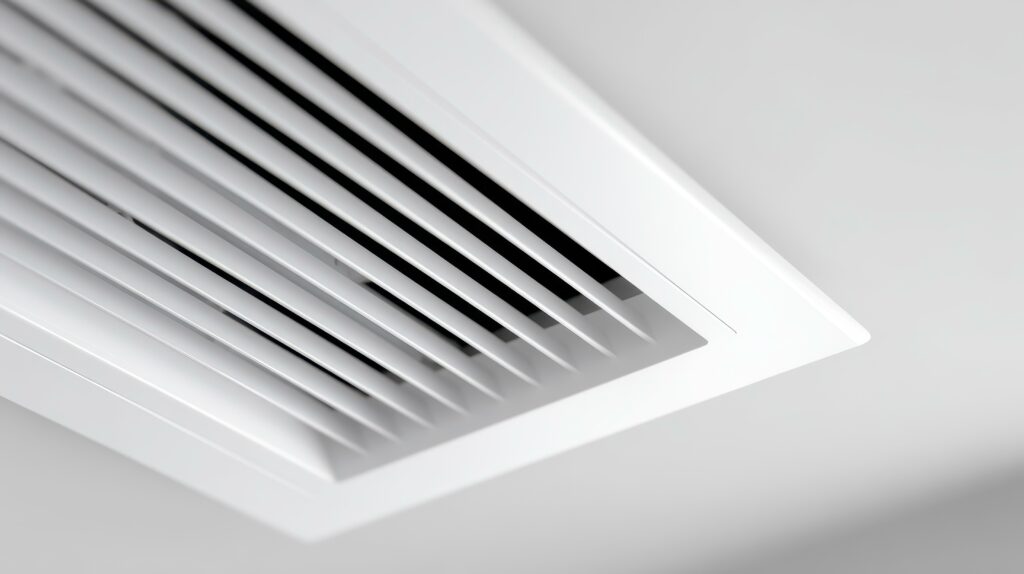
Mold can be subtle at first. You may notice a musty, unpleasant odor when the AC is running. In some cases, you’ll visibly see black or gray spots around the vent grills, or even tiny patches forming around ceiling registers. If anyone in the home starts experiencing sudden allergy-like symptoms—sneezing, coughing, itchy eyes—or if known respiratory conditions worsen, mold is a potential culprit.
The severity ranges from minor surface mold near the vent to more serious contamination deep within your ductwork. Not every case requires professional remediation, but identifying the signs early can prevent more complex—and costly—damage later.
DIY Mold Removal from AC Vents
Before you begin cleaning, safety is essential. Turn off the power to your HVAC system to avoid circulating spores while you work. Wear protective gear such as disposable gloves, goggles, and a face mask rated for mold exposure.
Remove the vent covers and wash them with warm water and mild detergent. For visible mold on the covers or surrounding surfaces, a solution of one part bleach to ten parts water can be effective. Apply the mixture with a cloth or soft brush, scrub carefully, and let the area dry completely. Do not oversaturate the area, as excessive moisture encourages mold to return.
For mold deeper inside the vents or ductwork, a flashlight and flexible brush can help you detect and reach affected spots. However, if symptoms persist, or the growth extends beyond what you can clean manually, professional inspection is recommended.
When to Call a Professional
Mold removal becomes significantly more complex when it spreads into HVAC ductwork or if your home’s humidity levels remain consistently high. If the affected area is larger than about 10 square feet, the Environmental Protection Agency suggests hiring a certified mold remediation specialist. They have the tools and protocols to remove mold without contaminating other parts of your home.
In these more serious cases, specialized fogging, duct cleaning, and filtration may be necessary. If your HVAC system itself has interior mold—within drip pans, coils, or blowers—repair or replacement may be considered, alongside proper system maintenance and upgrades to prevent recurrence.
Preventing Future Mold Growth in AC Systems
Once the mold is removed, long-term prevention is the goal. Reduce indoor humidity by using dehumidifiers, especially during warmer months. Maintain HVAC components by changing air filters every few months and scheduling seasonal tune-ups. Ensure proper insulation around duct openings to prevent condensation, and check that drainage lines are clean and free of blockages.
Keeping vents open and unobstructed promotes airflow, and setting your thermostat to avoid wild temperature fluctuations can further reduce condensation buildup. For homes in more humid climates, consider investing in HVAC systems with integrated humidity control features.
The Role of Home Warranty in Mold Prevention and Remediation
It’s important to understand that while mold itself often falls outside of standard home warranty coverage due to its nature as an environmental contaminant, the underlying systems that contribute to mold growth—like HVAC units, condensate pumps, or clogged drainage lines—can be covered. A solid home warranty helps ensure these appliances and systems are maintained and repaired before they create conditions ripe for mold development.
Catching an AC malfunction early, for example, might prevent excessive moisture buildup from ever happening. A trusted home warranty provider can be a valuable partner in identifying system issues quickly and scheduling timely service—before it impacts your indoor air quality and comfort.
Why Mold in AC Vents Shouldn’t Be Ignored
Mold in air vents isn’t just a superficial issue. Left unaddressed, it can weaken your HVAC system, reduce its efficiency, and lower your indoor air quality—impacting the health of everyone in your home. Over time, mold-contaminated ductwork can contribute to persistent allergies and even structural damage through moisture penetration.
Beyond health concerns, ignoring mold can lead to financial implications. System breakdowns from longstanding moisture exposure can be costly and time-consuming to fix—and most homeowners’ insurance policies explicitly exclude mold damage unless the cause is sudden and accidental. That’s where a proactive approach, combined with home warranty coverage, plays a critical role.
The Armadillo Advantage
If you’ve ever experienced the stress of a failing AC system, you know how important fast, reliable, and trustworthy support is. That’s where Armadillo steps in. We’re not just a home warranty provider—we’re your strategic defense against the unexpected. With coverage designed to protect HVAC systems, including air conditioning and drainage components that contribute to mold conditions, you can take a proactive approach to home protection.
By partnering with Armadillo, you gain access to vetted technicians, fast response teams, and peace of mind knowing system issues can be addressed before becoming larger problems. Learn more about how Armadillo can protect your home environment at armadillo.one. Ready to build a plan tailored to your home’s needs? Start now at armadillo.one/plan-builder and take control of your indoor air quality, comfort, and long-term maintenance with confidence.