The Homeowner’s Guide to Snow Removal from Roofs: What You Need to Know
Winter brings a stunning blanket of snow that can make any neighborhood look like a holiday postcard. But along with the beauty comes a fair share of responsibilities for homeowners—especially when it comes to snow accumulation on the roof. Left unchecked, heavy snow can pose structural risks, create ice dams, and invite leaks and water damage. For homeowners trying to protect their investment while navigating seasonal challenges, understanding roof snow removal is not just prudent—it’s essential. Whether you’re new to homeownership or a seasoned resident of colder climates, this guide breaks down what roof snow removal is, how it works, its benefits and drawbacks, and how it intersects with your home warranty coverage.
What Is Roof Snow Removal, and Why Does It Matter?
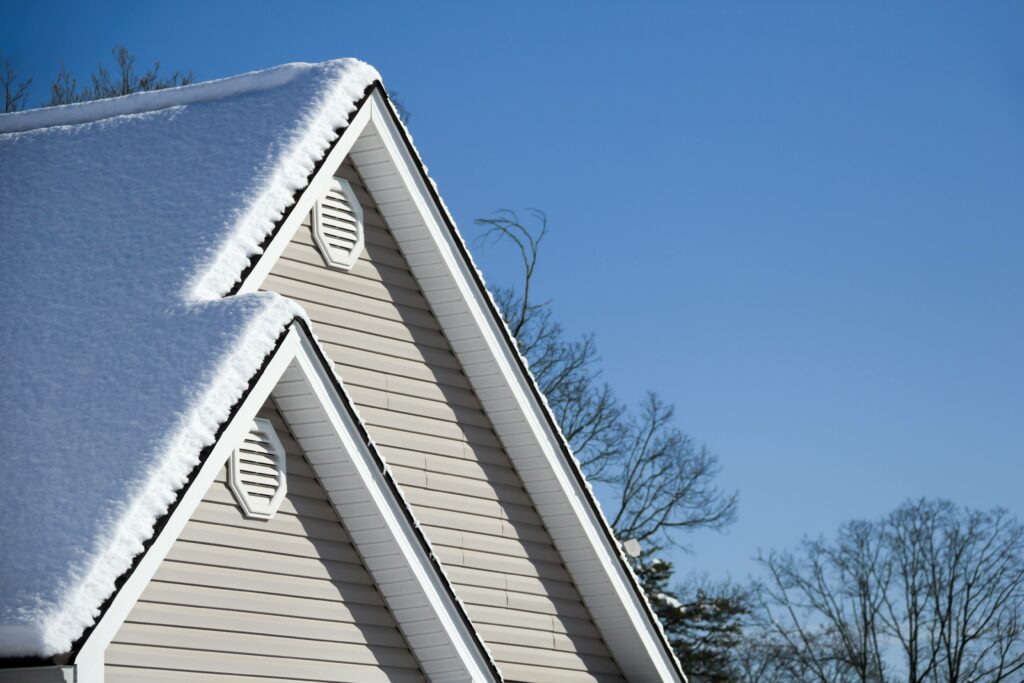
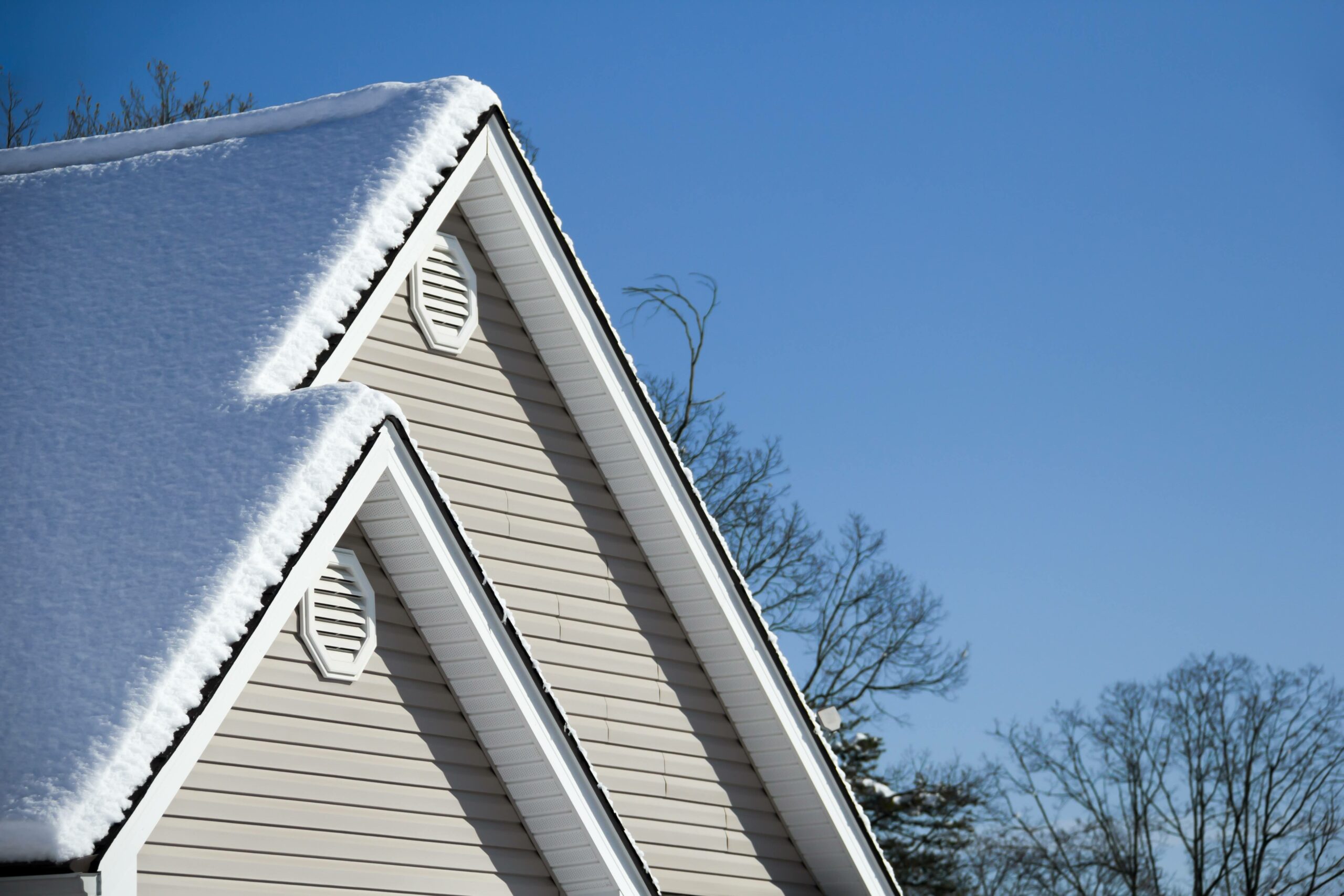
Roof snow removal refers to the process of clearing snow accumulation from a home’s roof, either manually or mechanically. While a fresh snowfall may seem innocent enough, layers of snow can quickly build up, adding thousands of pounds to your roof’s load. It’s not just about weight—fluctuating temperatures can cause melting and freezing cycles that lead to ice dams, trapping water and forcing it beneath your shingles. Over time, these issues can damage roofing materials, gutters, and even cause interior water intrusion. Snow removal helps preserve the integrity of your roof, extends its lifespan, and prevents expensive repairs.
How Roof Snow Removal Actually Works
There are generally two main methods for roof snow removal: manual and mechanical. Manual removal typically involves using a roof rake—a long-handled tool designed to pull snow off pitched surfaces while keeping homeowners safely on the ground. This is often the first line of defense and a job many homeowners take on themselves when snow is still fresh and manageable. For larger accumulations or hard-to-reach areas, professional services may use commercial-grade tools, heat cables, or even steam systems to eliminate compacted snow and ice. Mechanical removal systems can be installed during the home construction or renovation phase and may include heated shingles or built-in de-icing wires. These systems automate the process, reducing the physical labor involved but increasing upfront and maintenance costs.
Recognizing the Signs That Snow Needs to Be Removed
Knowing when to take action is just as important as knowing how to do it. As a general rule, if snow accumulation exceeds six inches, it’s wise to monitor your roof closely. A foot or more of dense, wet snow can weigh more than 20 pounds per square foot. That level of stress can compromise roof trusses and joists, especially in older homes. Warning signs include creaking sounds, sagging ceiling tiles, warped door frames, or visible leaks. If you notice ice expanding along the edges of your roof or gutters, chances are an ice dam is forming—another alert that snow removal is needed immediately. Trust your senses; if parts of your home feel off, your roof might be under distress.
The Advantages of Proactive Snow Removal
Taking charge of snow before it becomes a problem can save homeowners more than just money. Regular snow removal helps preserve roofing materials, reduce wear on gutters and flashing, and protect attic insulation from water infiltration. It also minimizes the chances of ice dams and boosts energy efficiency by maintaining uniform roof temperatures. Perhaps most importantly, it helps avoid costly emergencies such as roof collapse. And from a safety perspective, filing claims and addressing property damage in the dead of winter is exponentially more difficult than routine maintenance. Peace of mind comes standard when snow removal is part of your winter home care routine.
Common Drawbacks and Potential Hazards
Despite the clear benefits, roof snow removal isn’t without risks—if done improperly, it can cause more harm than good. Scraping too aggressively with metal tools may tear shingles, damage flashing, or compromise waterproof membranes. Not using the proper safety equipment might lead to falls, especially when attempting to surface higher parts of the roof. Even the use of heat cables entails some risk if electrical work wasn’t properly installed or regularly maintained. Additionally, over-removal can be counterproductive; leaving a small layer of snow can actually protect roofing materials from extreme temperature dips. Like most home maintenance efforts, moderation and proper technique go a long way.
What It Means for Your Home Warranty Coverage
Roof coverage under most home warranty plans is typically limited, often focused on leak repair rather than structural integrity or routine maintenance. Snow load damage—such as collapsed roofs or broken gutters—might fall outside of standard warranties unless riders are purchased or specific regional considerations are in place. That said, warranties may still cover secondary systems impacted by snow issues, like heating systems, water heaters, or electrical components strained by moisture intrusion. This makes it all the more important to understand your coverage specifics and consider comprehensive options tailored to cold climates. Preventive snow removal helps minimize not only physical damage but also potential warranty claim denials resulting from neglect.
Tips for Choosing the Right Roof Snow Removal Approach
Safety and strategy should guide your snow removal decisions. Start by assessing your roof’s pitch, materials, and access points. Use an extendable rake with a plastic blade to remove snow gently and effectively from the ground level. Focus on eaves and valleys, where snow accumulation tends to be greatest. Avoid climbing onto your roof unless absolutely necessary, as snowy surfaces are incredibly hazardous. If your area experiences frequent snowfalls, it may be worth investing in a mechanical de-icing system or scheduling professional services after every major storm. Evaluate cost, warranty implications, and your home’s unique vulnerabilities when selecting your approach. The goal is sustained protection—not just a quick fix.
Protect Your Roof—and Investment—Year-Round with Armadillo
Staying ahead of seasonal threats like roof snow buildup is one of the smartest moves a homeowner can make. But even with the best intentions and tools, homes age and systems fail. That’s where a trusted home warranty provider like Armadillo becomes invaluable. Our customizable plans offer robust coverage options that help you protect your home’s key systems—including those impacted by snow and weather-related stress. Transparent terms, fast claims handling, and nationwide service partners mean you’re never left out in the cold. To winterproof your home with confidence, explore plans at www.armadillo.one or get started today by customizing your coverage at our plan builder. Peace of mind is only a few clicks away.