Understanding Your HVAC System: How It Works, Why It Matters, and What Homeowners Should Know
Every home has a heartbeat—something that regulates comfort, responds to the seasons, and mostly goes unnoticed until it stops working. For millions of U.S. homeowners, that pulse is the HVAC system. Heating, Ventilation, and Air Conditioning—HVAC—is one of the most relied-upon systems in a home, but few understand how it really functions day to day. This in-depth guide aims to demystify your HVAC system with clear, practical insights to help you care for it, spot potential issues, and make informed decisions about repairs, replacements, or coverage through a home warranty plan.
What is an HVAC System?
An HVAC system is a complex network of mechanical, electrical, and fluid components that regulate indoor temperature, airflow, and air quality. It combines three core functions—heating, ventilation, and air conditioning—to maintain a controlled interior environment regardless of outside weather conditions. HVAC systems vary in configuration depending on home size, climate zone, and energy efficiency preferences, but all aim to improve living comfort through indoor climate control. From traditional forced-air systems to modern heat pumps and ductless mini-splits, HVAC systems are central to a livable, breathable home.
How Does an HVAC System Work?
At its core, an HVAC system uses a cycle of heating or cooling air and distributing it throughout the home. In colder months, the system switches into heating mode. A furnace or heat pump warms the air using fuel (gas, electric, or oil) or energy transfer, then pushes it through ducts via a blower motor. When temperatures rise, the system’s air conditioner or cooling function kicks in. Refrigerant absorbs heat from indoor air, expels it outside through a condenser unit, and re-circulates cooled air inside. Ventilation plays a year-round role—it moves fresh air in, forces stale air out, maintains humidity balance, and filters pollutants and allergens. All this is managed through a centrally located thermostat, which communicates your settings to the system.
The Key Advantages of HVAC Systems
Comfort aside, HVAC systems bring real, practical advantages to homeowners. First and foremost is the consistency of climate control. Well-calibrated systems allow homeowners to enjoy stable indoor temperatures without constant manual adjustments. Energy efficiency is another benefit. Modern HVAC systems—especially those with programmable thermostats or zoned control—reduce energy waste and optimize usage, which leads to lower utility bills. HVAC systems also address indoor air quality through integrated filtration, dehumidifying, and circulation features—an increasingly important factor in homes with children or allergy-sensitive residents. Finally, properly maintained HVAC systems can extend the life of the physical structure of the home by managing humidity and preventing mold or material degradation.
Common HVAC Challenges and Drawbacks
No system is perfect. HVAC units, especially older models, can introduce several frustrations. Top among these are breakdowns—when summers turn sweltering or winters hit hard, a forgotten filter or failing condenser can leave your home uncomfortable or even uninhabitable. HVAC repairs can also be costly. Minor repairs like replacing a capacitor may cost under a hundred dollars, but full system failures, compressor replacements, or older unit repairs can run into the thousands. Inconsistent heating or cooling between rooms, noisy operation, or high humidity levels indoors are also common symptoms of underlying issues. Lastly, without routine maintenance, efficiency drops over time, forcing the unit to work harder (and burn more energy) to achieve the same output.
Tips For Maintaining Your HVAC System
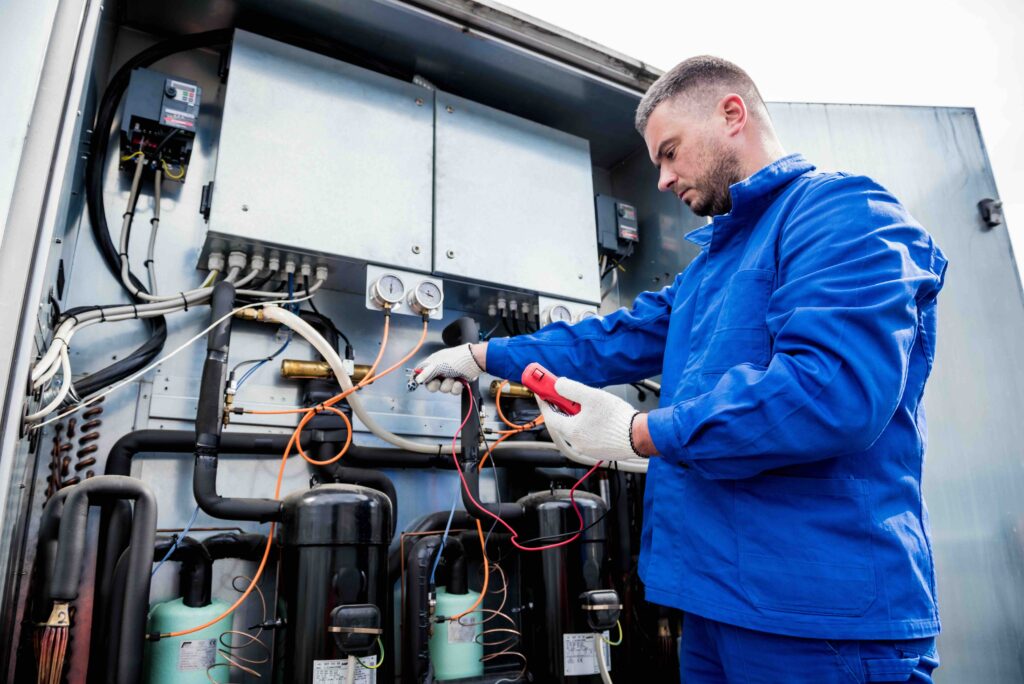
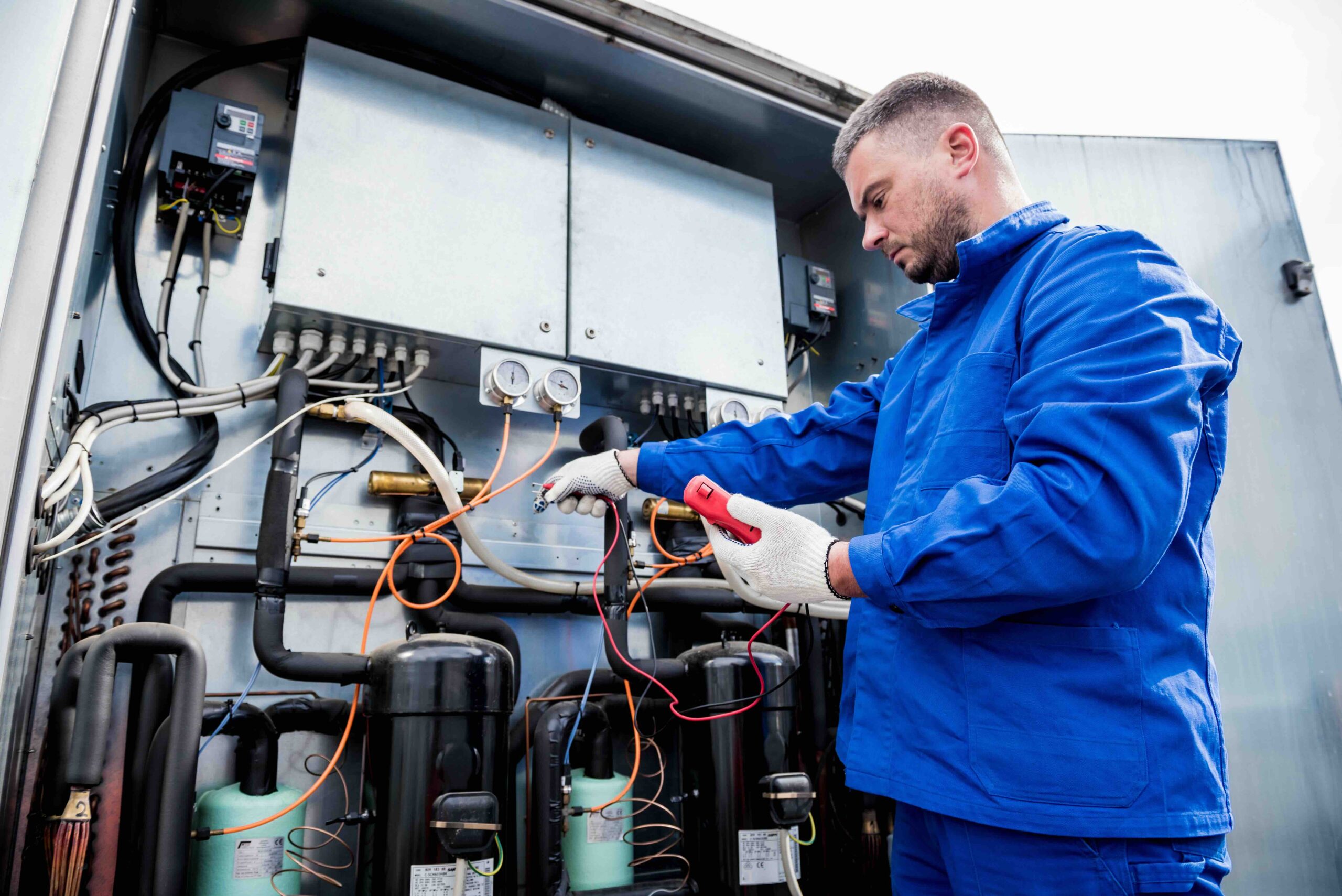
Preventive maintenance is your best defense. Changing air filters every one to three months is not optional; it’s essential. Dirty filters force the system to strain and reduce airflow. It’s equally important to schedule professional inspections—ideally once before cooling season and once before heating season. HVAC technicians can identify loose parts, refrigerant leaks, or electrical concerns that may not be visible to a homeowner. Keeping outdoor units clear of debris, trimming surrounding plant growth, and cleaning vents regularly can support airflow and prevent overheating. Consider installing a smart thermostat to keep energy usage in check. If you hear grinding, popping, or experience airflow issues, don’t wait—address it before the problem escalates. Neglect is the number one cause of irreversible system damage.
Replacing vs. Repairing an HVAC System
There comes a time when repair simply isn’t the logical choice. Most HVAC systems have a lifespan of 10 to 15 years. After that, energy consumption tends to rise while output falls precipitously. If your system requires frequent repairs, or struggles to maintain temperatures despite regular servicing, it might be near the end of its functional life. Upgrading to a newer, high-efficiency HVAC system may involve considerable upfront cost, but the benefits are long-term: better performance, higher resale value, and improved indoor climate control. Always factor in the age, condition, and repair history before making a decision. Consult a licensed HVAC professional to conduct a full system evaluation—including airflow testing, duct inspection, and load calculation—to understand the right path forward for your home.
Why HVAC Systems Matter in a Home Warranty Plan
Including your HVAC system in a home warranty isn’t just a good idea—it’s strategic. Because HVAC repairs and replacements rank among the most expensive home service costs, giving your system protection through a warranty plan like Armadillo’s creates both practical value and peace of mind. Unlike homeowners insurance, which typically only covers sudden incidents like storm or fire damage, a home warranty plan addresses the wear and tear breakdown scenarios you’re far more likely to face. By covering service calls, labor, and many parts depending on your plan level, a warranty goes beyond reaction—it becomes a key part of your homeowner strategy, helping preserve your investment, reduce emergencies, and keep your space habitable in uncertain moments. Evaluating your system’s age and service history will help determine the best plan tier for your needs.
Partner with Armadillo to Keep Your HVAC Covered
When your HVAC stops working, comfort drops fast—and costs rise even faster. With Armadillo, you’re backed by a modern, flexible home warranty built around real-life needs. Unlike older warranty providers, Armadillo focuses on speed, transparency, and simplicity. Our plans are designed to cover your HVAC system through reliable, vetted service professionals and seamless digital claims. Start by exploring plans at www.armadillo.one, or get a quote for your ZIP code and customize the coverage at our Plan Builder tool. Protect your home’s heartbeat with warranty coverage that works as hard as your HVAC does.