Understanding Whole-House Water Filtration Systems: Should Every Homeowner Invest?
Clean water is non-negotiable. From drinking to showering to cooking, water quality directly impacts health, comfort, and even the longevity of appliances. Municipal water systems do a relatively good job, but even treated water can carry contaminants, metals, or excessive mineral content as it travels through outdated pipes. One solution steadily gaining popularity among homeowners is the installation of a whole-house water filtration system. While it may sound like a high-end luxury, this home improvement option addresses real-life concerns—like hard water spots, chlorine odor, and trace sediments. So let’s take a closer look at what whole-house water filtration systems are, how they work, and whether they’re worth your investment.
What Is a Whole-House Water Filtration System?
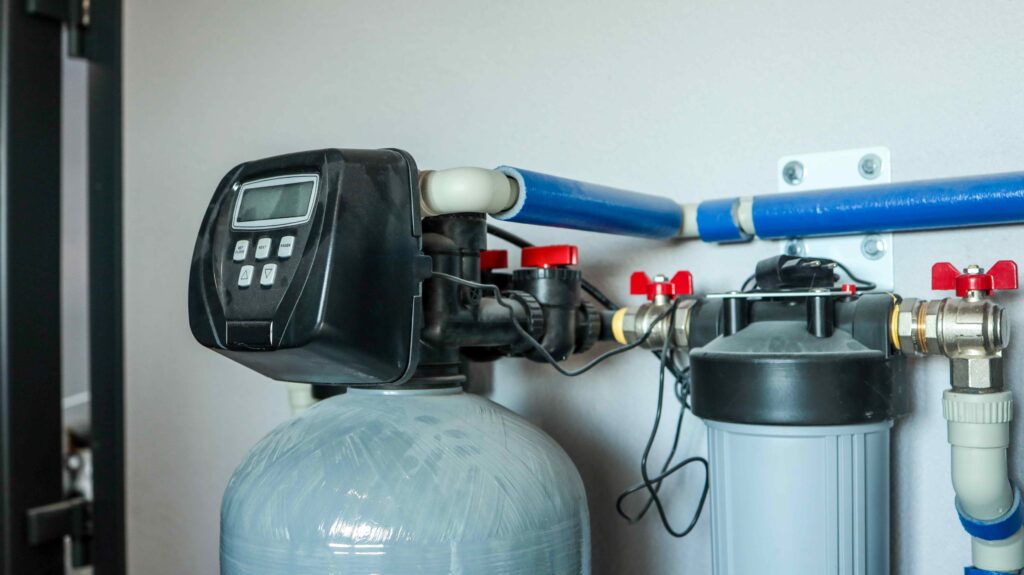
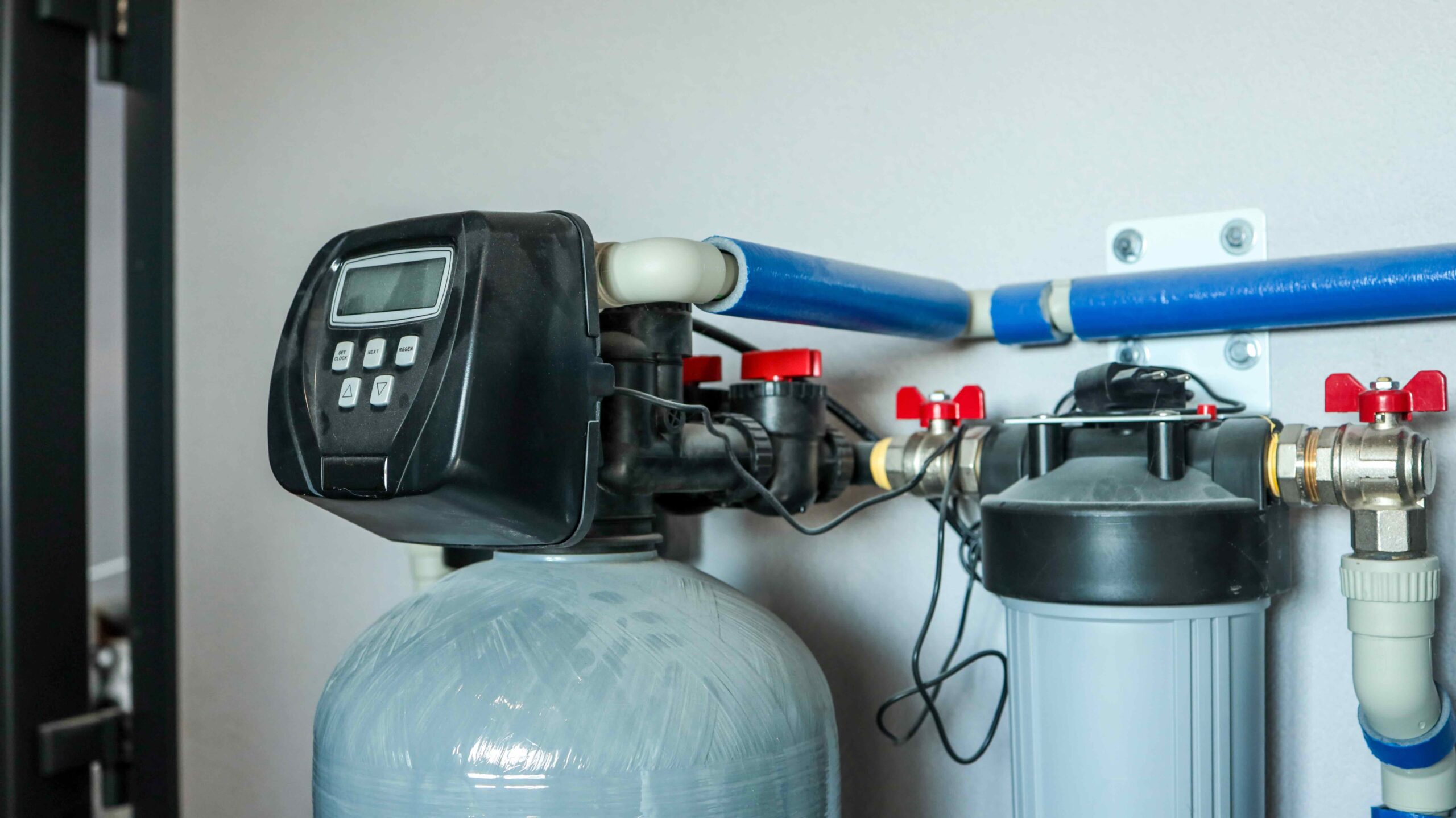
A whole-house water filtration system treats water at the point it enters your home. This “point-of-entry” approach means every single tap—whether in the kitchen, bathroom, laundry room, or outdoor spigot—delivers filtered water. These systems are typically installed where the main water line enters your home. Unlike a single-point filter on your faucet or under the sink, this system works across your entire home. The goal is comprehensive: remove or reduce contaminants, protect plumbing, and improve overall water quality for everyday use.
How Does a Whole-House Filtration System Work?
Let’s break it down. A standard whole-house water filtration system runs your incoming water through several layers of filtration. The initial stage might involve a sediment pre-filter, which traps larger particles like sand, rust, or dirt. Then, water moves through an activated carbon filter to reduce chlorine, pesticides, and volatile organic compounds (VOCs). Some models include additional media filters for specific contaminants such as iron, sulfur, or even bacteria, depending on your local water quality. More advanced systems might incorporate UV purification or water softening components. Once this multi-stage process is complete, water flows on to your faucets, cleaner and safer for every use throughout the house.
Key Benefits of Installing a Whole-House Filtration System
The advantages of whole-house water purification are not just about better-tasting water. The improvements ripple through almost every part of your household’s daily life. First, filtered water helps extend the life of water-using appliances—fewer minerals mean less scale buildup in dishwashers, washing machines, and water heaters. Skin and hair often respond positively to reduced chlorine levels. Laundry may come out softer, and glassware cleaner. There’s also the peace of mind factor: knowing that your entire home is shielded from sediment, chemical contaminants, or trace metals is a kind of invisible insurance for your health and your home’s infrastructure.
Common Drawbacks and Considerations
No system is flawless. Whole-house filtration comes with financial and operational considerations. Installation involves both upfront cost and plumbing modifications. Depending on system complexity and size, you might be looking at a price tag ranging from several hundred to several thousand dollars. Annual maintenance is another long-term commitment—filters need changing, media must be replaced periodically, and specialized setups like UV components may require professional servicing. Not all systems are suited for every municipality or water source, making water testing a crucial first step. And if your water comes from a well, you may need an entirely different setup than someone on a city supply. Choosing the right model without wasting budget or compromising performance takes time and research.
Upgrading Versus Retrofitting: Is It Worth It?
If you’re building a new home, planning the system into your plumbing layout is straightforward. But retrofitting an existing home with whole-house filtration can be more complex. Older homes may require pipe rerouting or additional permits. That said, many modern systems are designed for flexibility, offering compact sizing and easier integration with existing infrastructure. The value of retrofitting often depends on location. In areas with notoriously hard water or older water infrastructure, filtration can tackle persistent issues that otherwise require frequent plumbing fixes or appliance replacement. While installation may be more invasive, the long-term benefits in utility savings and reduced wear and tear can quickly offset those hurdles.
How a Filtration System Impacts Home Longevity and Appliance Health
Filtered water doesn’t just taste better—it behaves better. Limescale and mineral buildup silently erode the efficiency of your appliances. Heating elements in water heaters corrode faster when exposed to hard water minerals. Washers and dishwashers suffer from internal sediment deposits, leading to poor performance. Even high-efficiency toilets and faucets see reduced lifespan in homes plagued with unfiltered water. Over time, these inefficiencies translate to larger maintenance and replacement costs. A whole-house system helps mitigate this, preserving function and extending the operational life of major household systems. It’s an example of preventative care that most homeowners overlook—until repairs become unavoidable.
Evaluating the Return on Investment for Homeowners
While the upfront cost and installation effort are considerable, the ROI of a good water filtration system can be meaningful. Improved appliance lifespan, fewer plumbing issues, enhanced personal comfort, and even reduced reliance on bottled water stack up over time. If you’re in a region with specific water quality alerts—like elevated lead levels, excess chlorine, or sulfur smells—a filtration system becomes less of a luxury and more a necessity. Additionally, some homebuyers consider whole-house water treatment systems a valuable feature, adding market appeal and potential resale advantage. Like insulation upgrades or efficient HVAC systems, it’s the kind of home improvement that continues to serve you quietly in the background, year after year.
Protection for What’s Inside the Pipes—and Out
Home systems need care and protection, just like the people using them. A whole-house water filtration system is one of those upgrades that strengthens both your home’s mechanics and your daily quality of life. But even the most advanced systems occasionally run into hiccups—leaks, valve issues, pressure drops. That’s where a robust home warranty becomes your safety net. At Armadillo, we take the worry out of home maintenance with plans that cover key home systems, including those you’ve upgraded, like water filtration. Our team understands how these systems integrate with your home—and how to keep them protected. Learn more at armadillo.one or start customizing your coverage by entering your zip code here.