Understanding Tankless Water Heaters: A Smarter Home Upgrade
For homeowners evaluating ways to improve efficiency and comfort in their homes, the tankless water heater stands out as a modern solution to an old problem: limited hot water, higher energy bills, and wasted space. While traditional water heaters continue to be common across households, tankless models are becoming increasingly popular for their on-demand functionality and long-term savings. Whether you’re replacing an aging system or planning a home upgrade, understanding how tankless water heaters work—and how they fit into the broader home warranty landscape—can help inform your decision.
What Is a Tankless Water Heater?
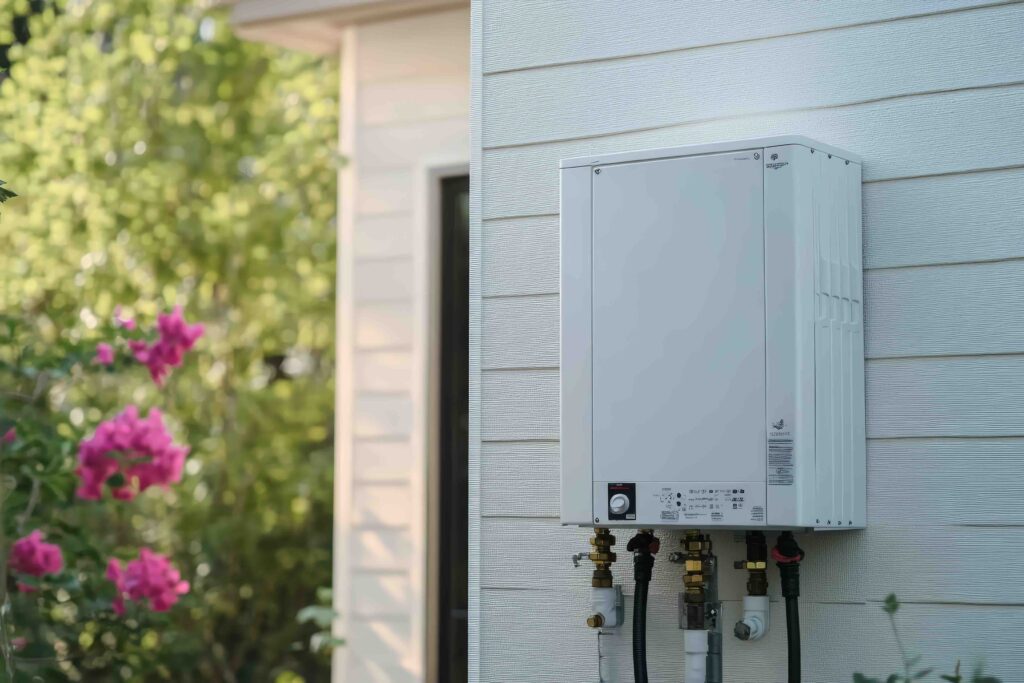
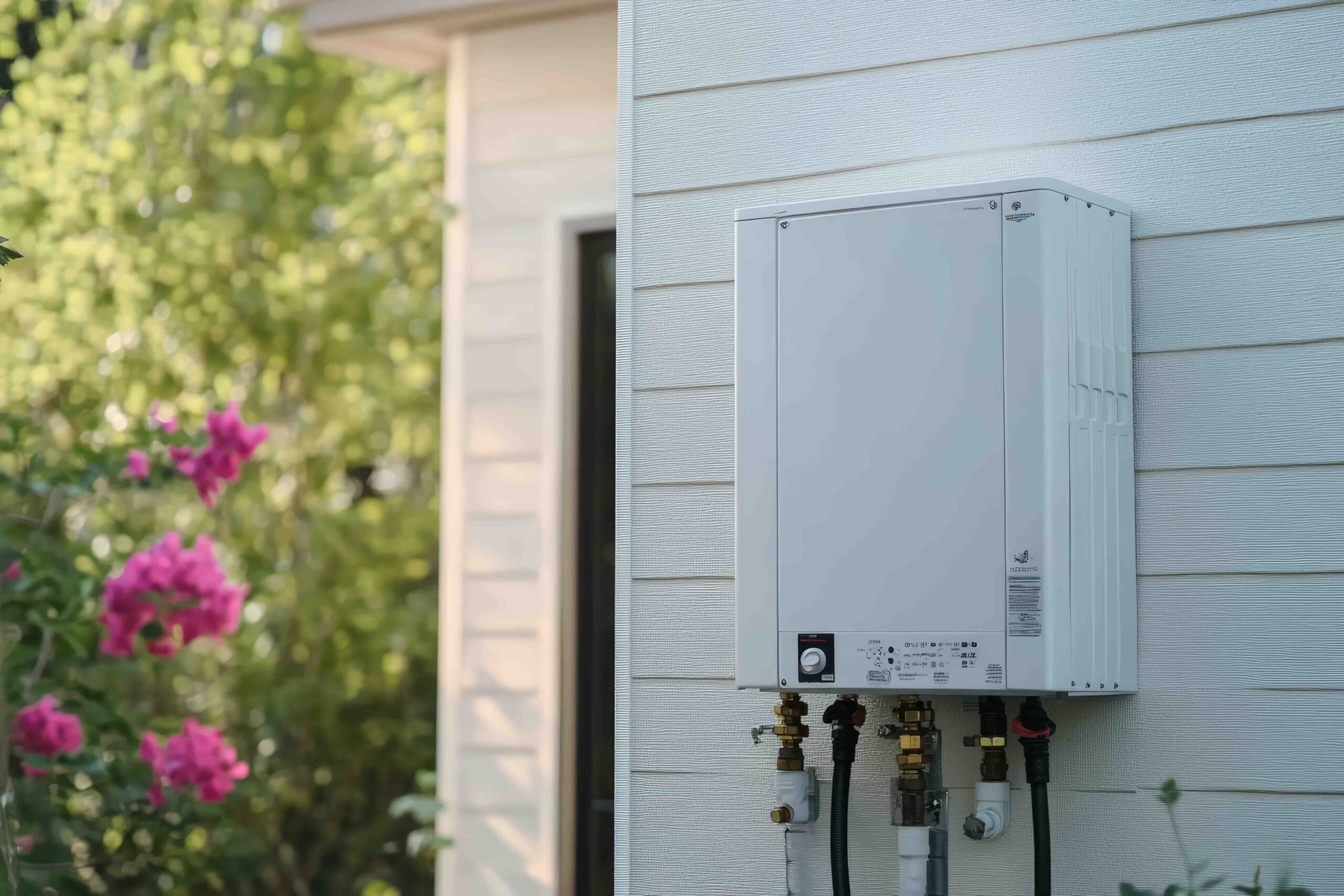
A tankless water heater, sometimes referred to as an on-demand water heater, is a home water heating system that heats water directly without the use of a storage tank. When a hot water tap is turned on, cold water travels through a pipe into the unit. The heater—powered by electricity or gas—then heats the water instantly as it passes through. This means that hot water is always available, without the need to wait for a storage tank to fill up or reheat. The concept might sound simple, but the distinction from traditional tank-based systems is substantial, especially for high-usage households or homes aiming for energy-efficient solutions.
How Does It Work?
Tankless water heaters use either an electric element or a gas burner to quickly raise the temperature of water on contact. When you turn on a faucet or start a dishwasher, sensors inside the unit detect the flow of water. These sensors activate the heating element, delivering hot water within seconds. Once the demand stops—the faucet turns off or the appliance finishes its cycle—the system shuts off, leading to minimal standby energy loss. This responsive approach contrasts with traditional systems, where water is continuously heated and held in a tank, even when no one is using it.
The Major Advantages of Tankless Systems
Tankless water heaters appeal to homeowners for several reasons. The most prominent benefit is energy efficiency. Because water is heated only as needed, these systems often consume less energy than conventional models. According to the U.S. Department of Energy, homes that use 41 gallons or less of hot water daily can realize energy savings of up to 34% compared to storage water heaters. Additionally, tankless water heaters have a longer functional lifespan, typically lasting over 20 years with proper maintenance, outpacing the 10-15 year average of standard storage models. The compact design is also ideal for those looking to maximize usable space inside utility rooms or closets. For families or households with varying schedules, the promise of endless hot water is practically reason enough.
Common Drawbacks To Consider
Despite their benefits, tankless heaters aren’t without limitations. One of the most common concerns is the initial cost. Tankless units, particularly whole-house systems, can be more expensive to purchase and install than traditional water heaters. Installation can require updates to electrical systems or rerouting of gas lines, depending on the home’s current infrastructure. Additionally, while the systems can keep up with moderate usage, multiple simultaneous demands—like multiple showers or running the laundry and dishwasher at the same time—can strain output, especially on smaller units. This makes correct sizing and placement critical, and often means consulting a professional installer before making the switch.
Tankless Water Heaters and Home Warranties
Adding or replacing a tankless water heater is a significant investment, and homeowners increasingly rely on home warranties as a safeguard against potential malfunctions. While many warranty companies cover traditional models, coverage for tankless systems varies. Homeowners should carefully examine whether their policy category includes tankless models or requires an add-on for non-conventional appliances. With American Home Shield and others offering discounted appliances and add-on coverage, it’s essential to validate what’s actually included. The complex components and sensitivity to water quality mean that tankless heaters can occasionally require service or descaling, and having coverage in place can limit unexpected out-of-pocket costs, particularly in the first few years of ownership.
Signs It Might Be Time to Upgrade
If you’re noticing a dip in your current water heater’s performance—such as running out of hot water quickly, escalating energy bills, or noisy operation—it may be time to consider a new system. Tankless water heaters are particularly attractive to households where usage patterns fluctuate or space is limited. Older storage tank heaters can also pose safety risks or leak as they age, so switching preemptively can help prevent water damage and give homeowners control over the installation process, rather than racing to replace a failed unit during freezing winter months. For those with energy or sustainability goals, the transition is even more compelling.
Practical Tips for Choosing the Right Tankless System
Before purchasing a tankless water heater, determine your home’s hot water needs. Consider how many bathrooms you have, the frequency of high-demand usage, and appliance overlap throughout the day. Analyze the flow rate of your current usage to select a unit with the proper gallons-per-minute (GPM) capacity. Next, determine if a gas or electric model works best with your home’s infrastructure. Also factor in water hardness, as mineral-rich water can reduce system efficiency and lead to scaling without a filtration solution. Once installed, regular maintenance—including descaling and filter checks—will ensure longevity and reliability. Consulting with a licensed technician before committing can prevent costly miscalculations and support long-term satisfaction with your investment.
Protecting Your Upgrade with Armadillo
A tankless water heater upgrade is a smart, energy-efficient move, but like any significant appliance, it benefits from proactive protection. Armadillo offers a forward-thinking home warranty that integrates with today’s modern systems, including coverage for tankless water heaters. Unlike traditional warranty providers, Armadillo modernizes how home protection works—offering fast, digital-first solutions without hidden fees or outdated exclusions. Their plans are simple, flexible, and designed with your specific preferences in mind. You can review your home coverage options directly at armadillo.one. Ready to protect your tankless water heater and the rest of your home systems? Begin customizing your coverage and get an instant quote at armadillo.one/plan-builder.