Understanding Outdoor String Lighting: What Homeowners Need to Know
String lights have long been associated with festive patios and cozy backyard retreats, but as more homeowners invest in improving outdoor spaces, string lighting has emerged as a functional, stylish lighting solution valued for both ambiance and practicality. Whether you’re looking to enhance curb appeal or create an inviting entertainment area, homeowners are increasingly incorporating string lights into the long-term design and functionality of their outdoor spaces. As simple as they may seem, string lights present opportunities and challenges worth exploring, especially when it comes to safety, energy efficiency, and durability—areas particularly relevant within the home warranty space.
What Are Outdoor String Lights?
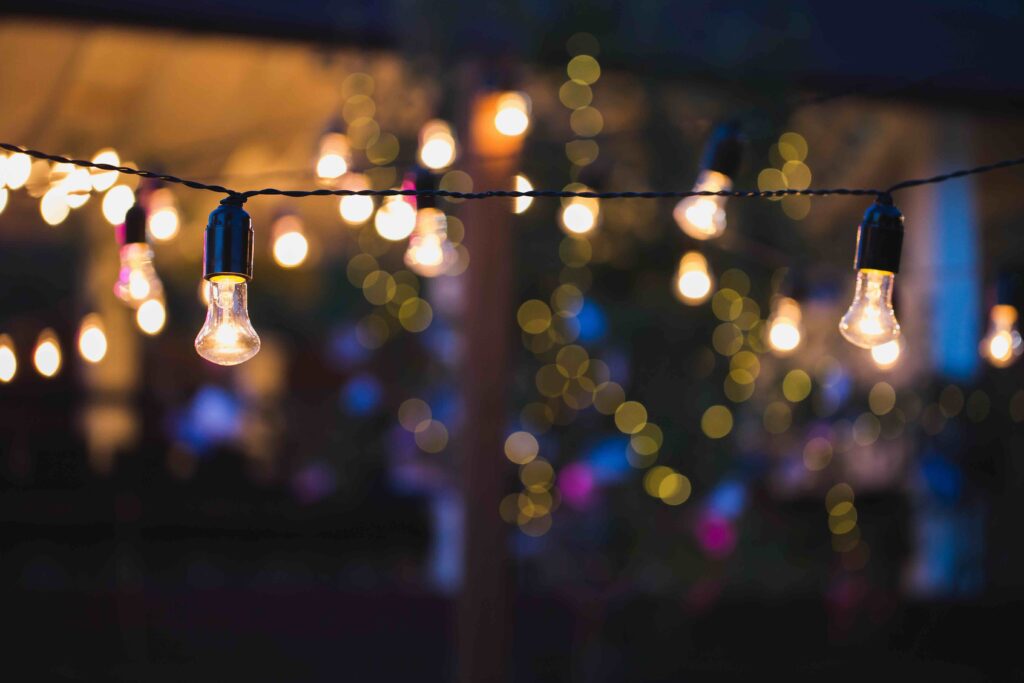
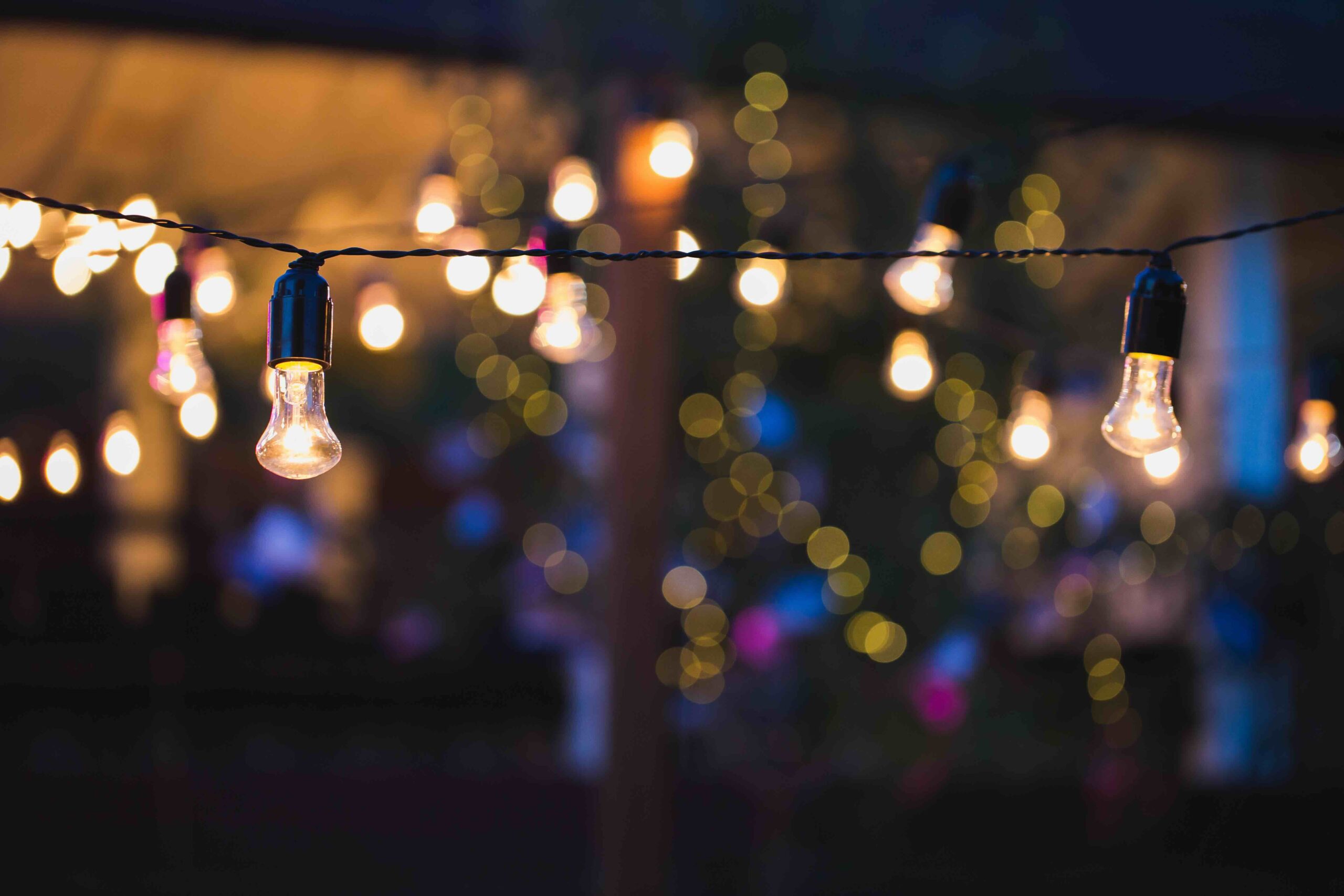
Outdoor string lights, also referred to as patio or café lights, are weather-resistant light strands designed for exterior use. Manufactured to withstand moisture, UV exposure, and fluctuating temperatures, these lights typically consist of a durable cord fitted with evenly spaced bulbs, either integrated or replaceable. Available in a variety of bulb styles—LED, incandescent, Edison-style, and even solar-powered—string lights are versatile enough to suit both traditional and contemporary home aesthetics. They can be hung across yards, wrapped around pergolas, mounted along fences, or even installed on ceilings of covered patios. Fundamentally, string lights transform underutilized outdoor zones into extended living areas while delivering aesthetic cohesion throughout the property.
How Outdoor String Lights Work
The principle behind string lights is straightforward: lights wired in sequence along an insulated cord draw power from a central source, typically a GFCI (ground-fault circuit interrupter) outlet for safety. For solar-powered versions, an integrated panel gathers sunlight during the day and converts it into electrical energy stored in a rechargeable battery. More advanced models feature smart technology compatibility, providing dimming capabilities, remote on/off functions, scheduling, and even app integration—an especially convenient option for homeowners looking to build energy-efficient outdoor systems. Hardwired systems exist as well, often implemented by electricians during new construction or renovation projects, offering a permanent, more robust installation directly integrated into the home’s electrical grid.
Why String Lights Are a Valuable Outdoor Improvement
Outdoor string lighting provides more than ambience—it extends your living space beyond indoor walls. This is especially valuable as outdoor environments become functional extensions of the home. Lighting plays a key role in defining these spaces, making them safer and more usable after dusk. For families with children, well-lit play areas mean added peace of mind. Homeowners who entertain gain flexibility with lighting that adapts to gatherings of any size. In cooler months, string lights add inviting warmth to outdoor areas otherwise abandoned when daylight fades. Furthermore, well-designed lighting can enhance property value and curb appeal by elevating the nighttime profile of a home. Despite their small footprint, string lights deliver disproportionate impact, a quality not lost on property assessors or future buyers.
Key Advantages of Outdoor String Lights
The appeal of string lighting lies in its visual warmth and practical flexibility. From an aesthetic standpoint, the soft illumination adds dimension and atmosphere without overwhelming the space. Functionally, the installation process is relatively simple compared to other outdoor fixtures; many homeowners complete DIY projects without requiring a contractor. Energy consumption is increasingly efficient, particularly with LED variants which consume significantly less electricity and offer longer lifespans—upward of 25,000 hours for many quality models. Solar-powered options require no wiring or ongoing energy cost, making them appealing for low-intervention setups. Placement freedom allows for customized layouts that adapt to yard size, configuration, or risk of obstruction. Multiple strands can be connected end-to-end, expanding light coverage to paths, decks, and outdoor kitchens. In homes where landscape lighting or overhead fixtures are not feasible or affordable, string lights provide a compelling, scalable solution.
Considerations and Common Drawbacks
As with any home system or improvement, string lights bring certain tradeoffs. Durability, while enhanced in outdoor-rated models, is not infinite. Weather-related wear, especially from wind or sun exposure, may demand replacement of bulbs or cords over time. Connection points and hanging hardware can falter if not properly maintained or installed to handle outdoor weight loads, leaving systems vulnerable and occasionally unsafe. Electrical risks remain a concern without GFCI protection, particularly if water contact occurs. Power capacity should also be monitored; plugging too many strands into a single outlet may trip breakers or overload circuits. Solar-powered models offer easy installation, but performance dip is common in cloudy or shaded environments, leading to unreliable illumination. From an aesthetics perspective, string lights can clash with certain architectural styles, feeling too informal for homes with formal entryways or high-end landscaping unless integrated thoughtfully. Ongoing bulb replacement, while infrequent with LEDs, should also be budgeted to sustain visual integrity.
Tips for Implementing String Lights the Right Way
Before installation, consider the placement, power needs, and mounting requirements. Sketch out a lighting plan that accounts for access to electrical outlets and avoids interference with trees or other obstacles. The chosen path should allow for taut support using guide wires, hooks, or poles designed for string lighting weight. Insist on using outdoor-rated equipment—even bulbs, cords, and extension wires must meet weather-resistance standards. If connecting multiple strands, verify the maximum wattage capacity to avoid exceeding the limits of plugs, cords, or breakers. Time lighting use smartly by integrating timers or smart plugs to curb unnecessary consumption and extend product life. Homeowners in colder regions should consider removing or covering lights during peak winter weather to prevent wire brittleness or degradation. Maintenance is simple but important: inspect monthly for broken bulbs, frayed wires or compromised mounting points, especially after storms or heavy winds. A well-maintained system tends to last longer and pose fewer risks.
Where String Lights Fit Into a Home Warranty Conversation
Warranty programs do not traditionally cover decorative elements like string lighting, but they intersect with core systems that support or power them. Electrical circuits, GFCI outlets, or outdoor-exposed wiring, for example, fall under many home warranty policies, particularly if directly connected to the main grid. When these fail, string lights may appear to malfunction, though the warranty-covered system may be the true cause. Extended outdoor use, especially in moisture-prone zones, increases the likelihood of circuit issues—all of which make high-quality support plans a smart layer of protection. Property upgrades that include permanent or hardwired string lighting should always be disclosed and discussed during warranty enrollment, ensuring comprehensive coverage that reflects the home’s real use profile. With more homeowners expanding outdoor living spaces post-pandemic, warranty providers increasingly recognize auxiliary systems that blur the line between functional and aesthetic utility.
Why String Light Enthusiasts Should Consider Armadillo
If string lighting plays a central role in your outdoor design, it makes sense to protect the systems that keep it running. When a power surge puts your outlet at risk—or moisture wears down wiring—you want confidence that your investment in your home’s outdoor beauty is safe behind the scenes. Armadillo provides reliable, modern home warranty coverage tailored to today’s homeowner lifestyle, including the electrical systems and connections that support intricate outdoor lighting arrangements. With clear terms, fast support, and plans built for real-world living, Armadillo helps you relax while enjoying the spaces you’ve thoughtfully lit up. Explore plan options at armadillo.one or start building your customized protection today at our signup page.