Understanding Garbage Disposals: What Homeowners Should Know Before Repairing or Replacing
For many homeowners, the garbage disposal is one of those kitchen features that often goes unnoticed—until it stops working. Tucked beneath the kitchen sink, it’s a quiet convenience that powers through food scraps and helps maintain a cleaner, more efficient cooking space. Whether your disposal is humming quietly or growling to a stop, understanding how it works, its benefits and limitations, and what to do when it needs attention will leave you better prepared. Especially in the home warranty industry, knowledge can lead to smarter repair decisions—and it may even be the line between a DIY win and a service call. Let’s break it down.
How Garbage Disposals Work
A garbage disposal is essentially an electrically powered grinding system that resides between the underside of your kitchen sink drain and the U-shaped plumbing trap, known as the P-trap. When food particles are sent down the drain, the device uses centrifugal force and impeller blades to grind them into small bits. These particles are then washed away with water through the plumbing into the home’s waste system. Contrary to common belief, there are no sharp blades—impellers use force, not slicing, making it technically more of a pulverizer than a shredder.
There are typically two types of garbage disposal systems: continuous-feed and batch-feed. Continuous-feed models allow users to continuously add food while the motor runs, controlled by a wall switch. Batch-feed disposals work only when a special stopper is placed in the opening, which activates the unit and promotes added safety. Knowing which type you have—or which type you want—is key to decision-making when it’s time for repair or replacement.
Core Benefits of Having a Garbage Disposal
The primary advantage of installing and maintaining a garbage disposal is convenience. It streamlines kitchen clean-up, reducing the need for trash bins filled with food scraps. That can mean fewer odors and lower risk of pests. A properly working disposal also helps reduce food waste volume, which in turn may improve neighborhood sanitation systems and reduce landfill loads.
Water treatment plants are generally equipped to process finely ground organic waste efficiently, transforming it into energy or compost. So, when used responsibly, garbage disposals offer an environmentally conscious way to handle daily food waste. Also, when integrated with a home warranty plan, unexpected issues tend to be less disruptive—because resolution becomes a matter of policy coverage, not panic.
Common Issues Homeowners Encounter
No appliance is perfect, and garbage disposals are no exception. Over time, even quality systems begin to lose efficiency. The most frequent issue is clogging, especially when inappropriate items—like grease, bones, fibrous vegetables, or expandable starches—are sent down the drain. A jammed impeller can halt the system’s operation entirely, often requiring the classic reset button or a manual turn with a hex key to restart motor function.
Leaks are another concern. Age, vibrations from regular use, or improper installation can compromise the flange seal located at the top of the disposal or crack the casing altogether. Some signs are clearly visible: dripping under the sink or damp cabinets. In more subtle cases, unusual smells or mold growth signal lingering moisture. Electrical failures also arise, particularly if the wiring corrodes or water infiltrates connections. Regular maintenance and proper use reduce these risks, but recognizing them early is crucial.
Repair vs. Replace: What to Consider
Homeowners often face a dilemma: should I repair this garbage disposal or just replace it? The answer depends heavily on age, condition, and warranty coverage. If the unit is under ten years old and the issue is minor (like a clog or reset), repair is likely more practical. Conversely, if the unit has corrosion, persistent leaks, or repeated failures, full replacement becomes more cost-effective in the long term.
Before reaching for pliers or a wrench, check the manufacturer’s warranty—some disposals come with limited coverage for parts or labor. If you’re covered under a home warranty, call the provider to check claim eligibility. With partners like Armadillo, claims are streamlined and professional repair techs are dispatched quickly. In some cases, a fix may not even require any action on your part beyond claim initiation. The key is knowing your options and avoiding unnecessary disassembly—or worse, forceful attempts to use a vice grip or pry open a stuck housing screw, which can void warranties and escalate repair costs.
What Maintenance Involves
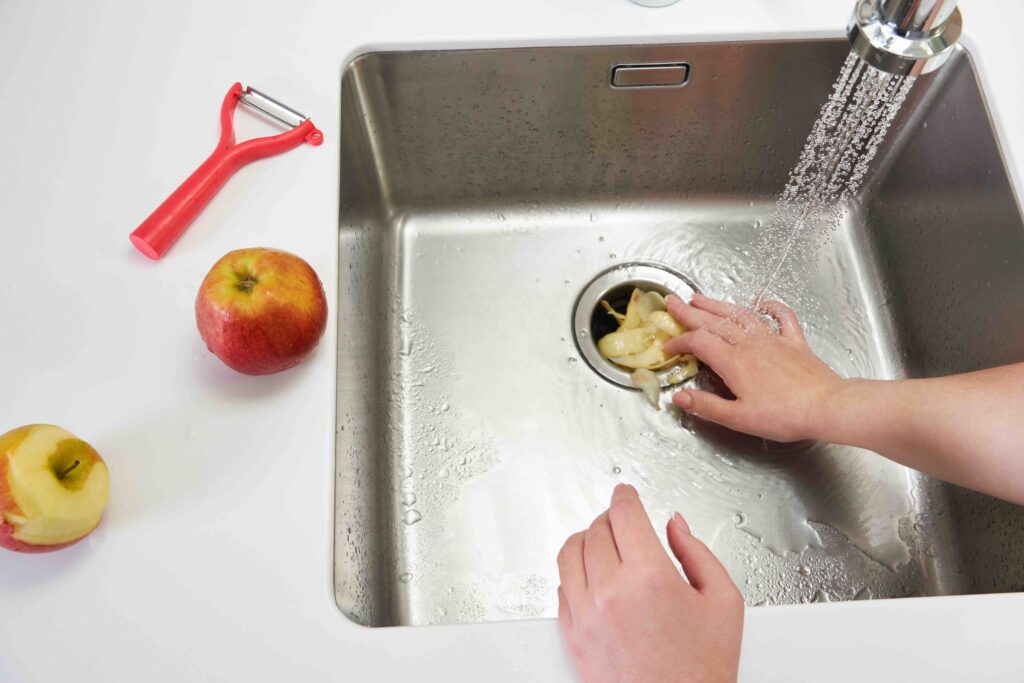
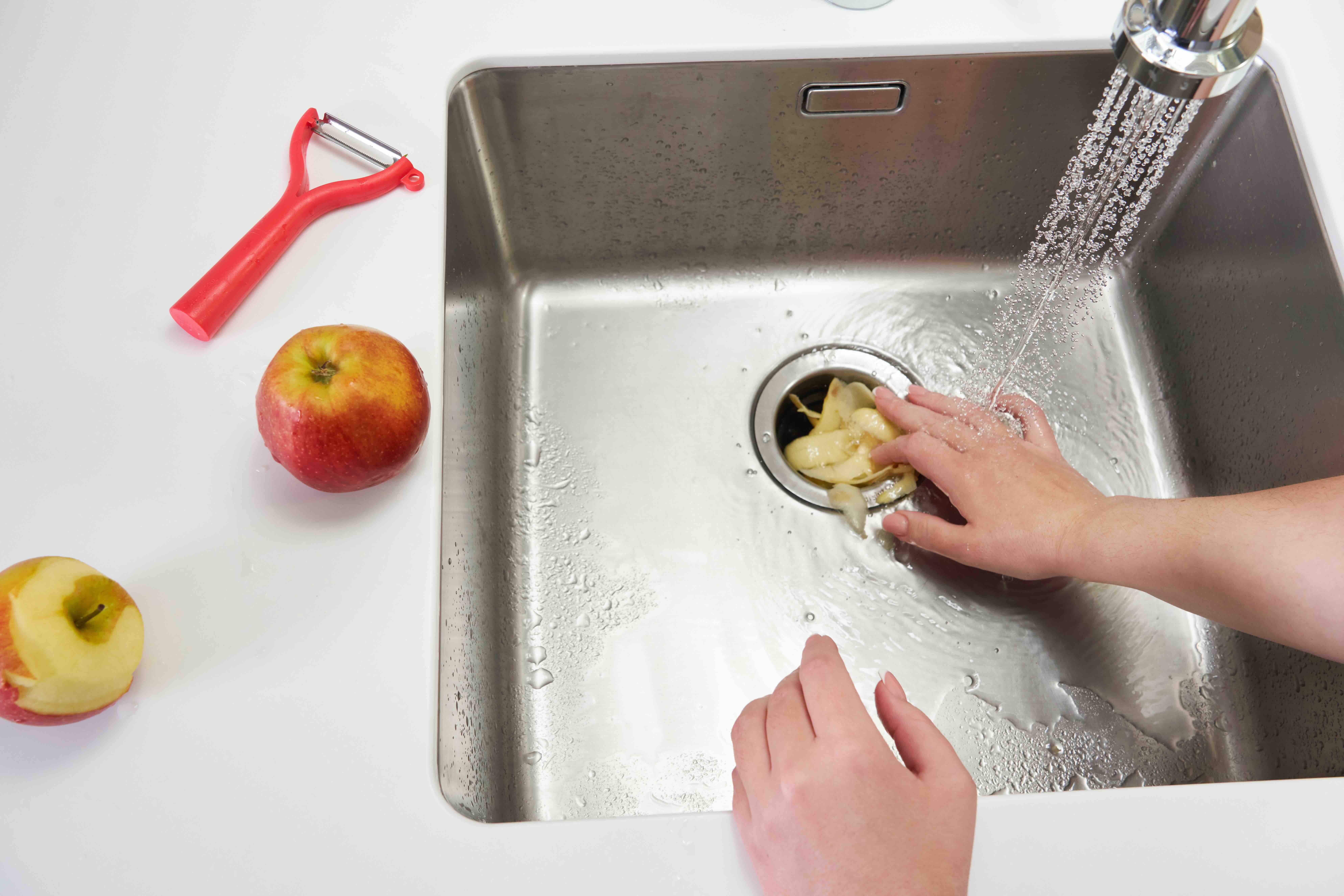
Proper maintenance extends a garbage disposal’s lifespan significantly. Start with routine flushing by running cold water while the unit is grinding. Avoid warm or hot water during disposal runs, as fats can melt and later solidify in pipes, leading to clogs. After grinding, let cold water continue to run for about 20 seconds to ensure all particles move through the system.
Deodorizing occasionally using baking soda and white vinegar helps neutralize odors. Ice cubes can clean the impellers and scrape off minor buildup while lemon peels can freshen the interior. One golden rule: never reach into a disposal. If removal of trapped debris is necessary, disconnect the power first and use pliers to remove visible obstructions.
When Warranty Coverage Matters Most
This is where home warranties such as Armadillo come into sharp focus. Garbage disposal failures often involve multiple areas—plumbing, electricity, mechanical parts—and having comprehensive coverage simplifies the resolution. Armadillo’s plans are designed to include kitchen appliances and the systems that support them. If a leak causes cabinet damage or a short causes under-sink outage, coverage bridges multiple trades in a single claim. That’s peace of mind that goes beyond product warranties or DIY repairs.
Homeowners should periodically confirm that their coverage includes disposals. If yours is an add-on appliance not initially reported, some providers may limit replacement allowances. Armadillo makes it simple; their plan builder tool allows full transparency about what’s included before you subscribe. If your current home warranty doesn’t deliver that kind of clarity or coverage, it may be time for a change.
Time to Involve a Pro?
You don’t always need to be the hero under the sink. If your garbage disposal smells burnt, hums without turning, or leaks persistently despite re-tightened seals, it’s time to bring in a professional. Attempting repairs beyond your scope risks personal safety and damages that exceed the cost of a service visit. Most disposal units work off a 15-amp electrical circuit—harmless under normal use but not trivial when compartments are opened or power isn’t fully disconnected.
Homeowners with coverage through Armadillo can simply file a claim and schedule a licensed technician. If your disposal is deemed unrepairable, coverage can contribute toward a quality replacement that fits your sink dimensions and safely connects to your current plumbing and switch setup. A seasoned eye may even recommend improving other parts of your kitchen workflow, like installing sound-reducing insulation or adding a higher horsepower unit for larger households.
Why Armadillo Is the Smart Homeowner’s Choice
A garbage disposal may seem like a small detail in your kitchen, but when it fails, the disruption can be anything but minor. That’s where Armadillo comes in—not just to put your home back in working order, but to make sure the process is simple, transparent, and fully covered when possible. From appliance malfunctions to leaky fixtures, Armadillo offers comprehensive home warranty plans that work when you need them most. Ready to see how much peace of mind fits your zip code? Visit armadillo.one to explore plan options—and when you’re ready to personalize your coverage, head over to plan builder and protect what matters most, disposal and all.