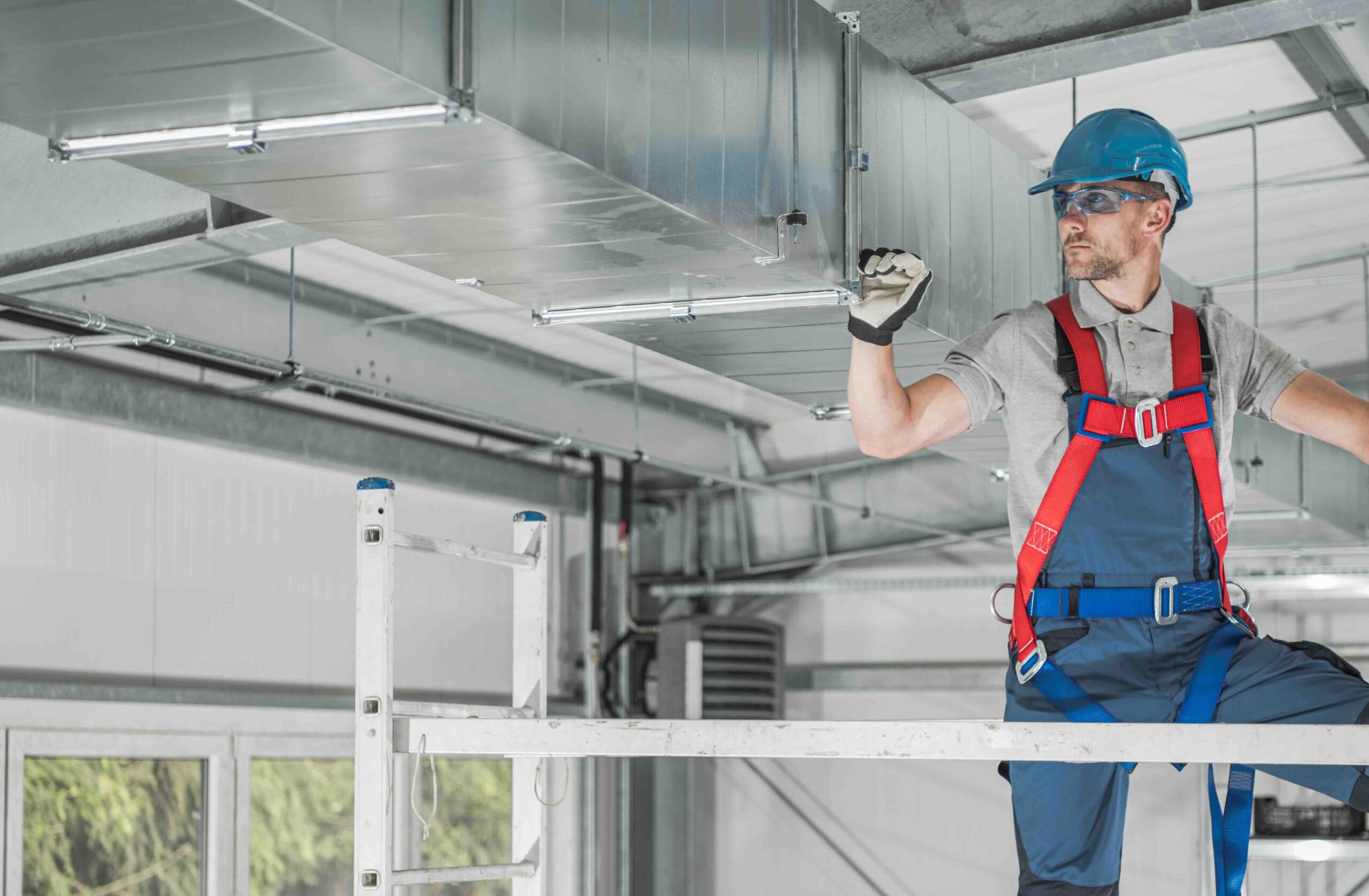
Understanding Your HVAC System: What It Is, How It Works, and How to Protect It
Your HVAC system is the quiet workhorse of your home, responsible for maintaining indoor comfort throughout the year—whether it’s keeping you cool during midsummer heatwaves or warming your space during icy winters. HVAC stands for Heating, Ventilation, and Air Conditioning. It’s an integrated system designed to keep indoor temperatures stable, air properly circulated, and humidity controlled. Despite its essential role, the HVAC system often goes unnoticed until it malfunctions. And when it does, repairs can be inconvenient, costly, and time-consuming. Understanding how your HVAC system works and how to protect it is the first step homeowners can take toward comfort, cost savings, and long-term peace of mind.
The Core Components of an HVAC System
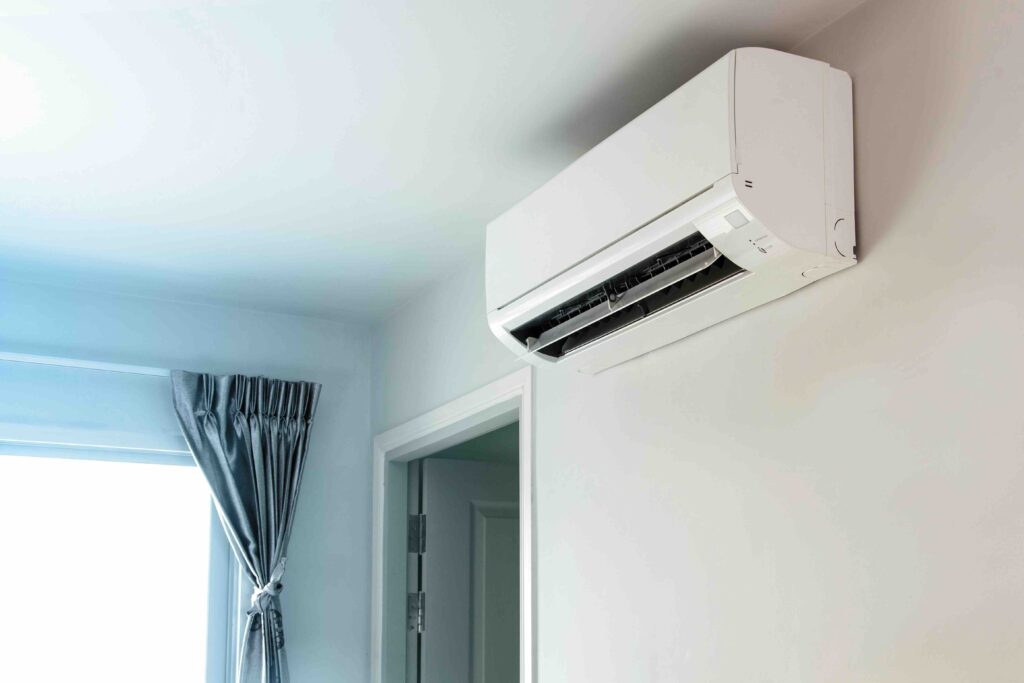
Your HVAC system combines several units, each responsible for different functions. At its core, your system includes a furnace (heating), an air conditioner (cooling), ductwork or piping (distribution), and ventilation fans or exchangers (air circulation). Depending on your home’s climate zone or construction, you might also have a heat pump, boiler, or advanced filtration systems attached to your HVAC network.
The furnace heats air using electricity, gas, or oil and distributes it throughout the home via ductwork. For cooling, the air conditioner uses refrigerant to draw heat from the air indoors and release it outside. Ventilation components, often the unsung heroes of this system, ensure indoor air quality remains at healthy levels by exchanging stale air with fresh outdoor air. Together, these components operate like a finely tuned engine, shifting automatically based on the weather and your thermostat settings.
How HVAC Systems Work: A Simplified Breakdown
At a simplified level, your HVAC system uses a centralized control—usually your thermostat—to regulate indoor temperatures. When you adjust your thermostat, it sends signals to activate heating or cooling. During winter, if the air temperature drops below your set point, the furnace kicks on, warming air through combustion or electrical resistance, then channeling it through ducts and out your vents. In summer, the air conditioner steps in. It uses a compressor and evaporator coil filled with refrigerant to absorb indoor heat and move it outdoors, leaving cooler air behind.
Ventilation maintains airflow, humidity control, and fresh oxygen levels. This system includes exhaust fans, air filters, and sometimes energy recovery ventilators. Newer smart HVAC setups can also optimize energy use, learn your habits, and adjust parameters remotely via mobile apps, contributing to both comfort and cost savings.
The Benefits of a Well-Maintained HVAC System
The biggest advantage to a well-functioning HVAC system is consistent indoor comfort. When properly maintained, the system ensures even temperature distribution, reduces allergens, and promotes healthy air quality. Modern energy-efficient systems also lower your utility bills and carbon footprint. Smart HVAC systems, integrated with programmable thermostats, can further optimize performance and cut down on energy waste.
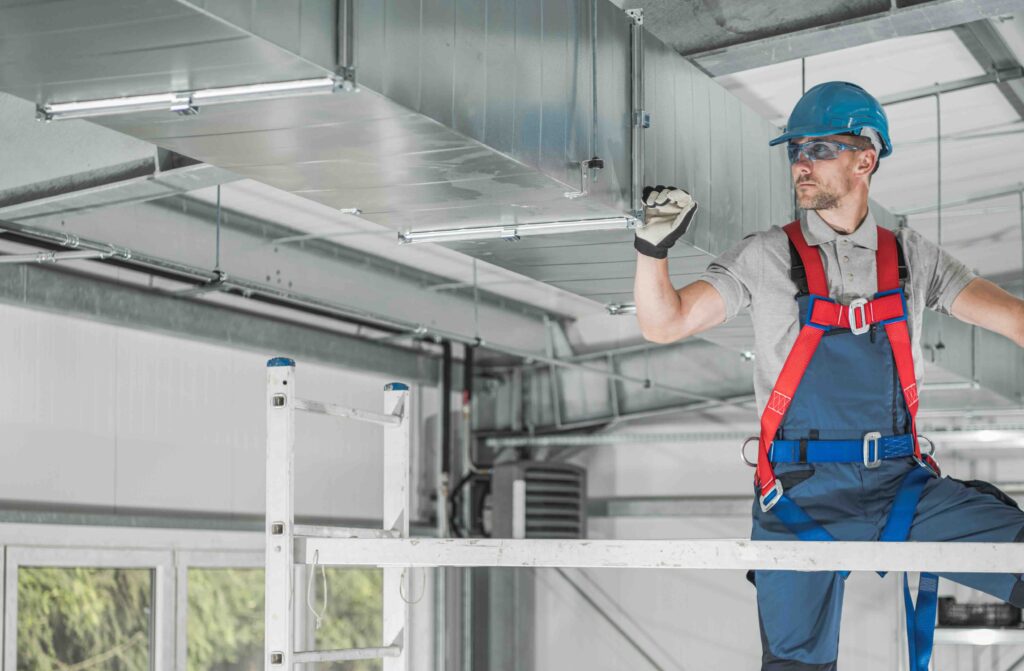
Further benefits include better humidity regulation, noise control, and reduced wear on electrical components. Regular maintenance—such as changing air filters, checking refrigerant levels, and cleaning ducts—can extend the system’s lifespan significantly, sometimes by a decade or more. Most importantly, routine care reduces the risk of emergency breakdowns when demand peaks, such as in the dead of summer or peak heating season.
Potential Drawbacks and Common HVAC Issues
While HVAC systems are built for durability, they’re not foolproof. Common problems include dirty filters, refrigerant leaks, malfunctioning thermostats, and electrical control failures. Ductwork can develop cracks or gaps over time, reducing efficiency. Older units often run longer cycles to achieve the same temperature, which adds to wear and raises energy bills.
Installation costs can also be steep, particularly if you’re upgrading to energy-efficient models or adding new ductwork. Regular maintenance appointments add another ongoing expense. And when components break, especially in aging systems, the replacement parts and professional labor can cost hundreds or even thousands of dollars.
Why HVAC Protection Matters for Homeowners
Without protection, the costs to repair or replace your HVAC system can hit hard, especially when least expected. HVAC replacements can range from $5,000 to $12,000 depending on equipment and installation complexity. Even common repairs—like a failed capacitor, leaking coil, or cracked heat exchanger—can run over $1,000. These expenses are rarely planned for, and even a newer system isn’t immune to mechanical hiccups or environmental factors like power surges and debris damage.
This is where a home warranty steps in. While homeowners insurance covers damage from sudden perils like fire or flooding, it doesn’t address system breakdowns from routine wear and tear. A comprehensive home warranty fills this gap, helping cover repair or replacement costs for HVAC systems and other essential home appliances. It acts as both a safety net and a budgeting tool, allowing families to better anticipate homeownership costs.
Tips to Maximize HVAC Lifespan and Efficiency
First, change your air filters every 30 to 90 days depending on air quality and pet presence. Clogged filters force your system to work harder, increasing energy use and wear. Schedule annual HVAC checkups—once before heating season and again before cooling begins—to catch potential issues before they escalate.
Consider updating your thermostat to a programmable or smart model. These tools learn your behavior and adjust settings to reduce energy waste without sacrificing comfort. Clear the outdoor condenser unit of leaves, branches, and debris to maintain airflow. Inside, keep vents unblocked by furniture or rugs. If your system is over 10 years old and struggles to keep up, replacing it with a high-efficiency model could dramatically cut your energy bills and reduce breakdown frequency.
The HVAC System’s Role in Whole-Home Warranty Planning
Because HVAC systems are among the most expensive and frequently used systems in a home, they often become the cornerstone of home warranty plans. A quality home warranty should offer robust HVAC coverage without exclusions for older units or complex parts. It should include access to vetted technicians, rapid servicing, and transparent coverage limits. This ensures you never have to weigh the cost of comfort against your household budget.
When evaluating warranty providers, look for those offering flexible plans, easy claims processing, and clear documentation. Reliability and responsiveness matter just as much as breadth of coverage. Pick a provider with a streamlined digital experience and real customer support when it’s needed most, especially during climate extremes or peak usage seasons.
Protect Your HVAC System with Armadillo
Your HVAC system works hard year-round. So should your home warranty. Armadillo offers plans that put HVAC protection front and center—with straightforward terms, fast claims, and technician scheduling that respects your time. If your heating or cooling suddenly stops, you’ll have an expert at your door with zero panic, predictable costs, and no guesswork. Design your perfect plan today at armadillo.one, or jump straight into customizing your coverage using our plan builder tool. Your comfort deserves reliable backup. Armadillo is here to deliver it—quietly working in the background, just like your HVAC system.