
Your HVAC System Explained: What It Is, Why It Matters, and How to Keep It Working
For most homeowners, the HVAC system falls into the category of “good as long as it works.” Quietly running in the background, it’s the reason your home is warm in the winter and cool in the summer. It doesn’t make demands—until it breaks. Then, the questions start. What is this system, really? How does it work? Should I repair or replace it? And how can a home warranty help? If you’re asking these questions, you’re not alone. Understanding the essentials of your home’s HVAC system is one of the smartest moves you can make—whether you’re a seasoned homeowner or just getting started. Let’s break it down.
What Is an HVAC System?
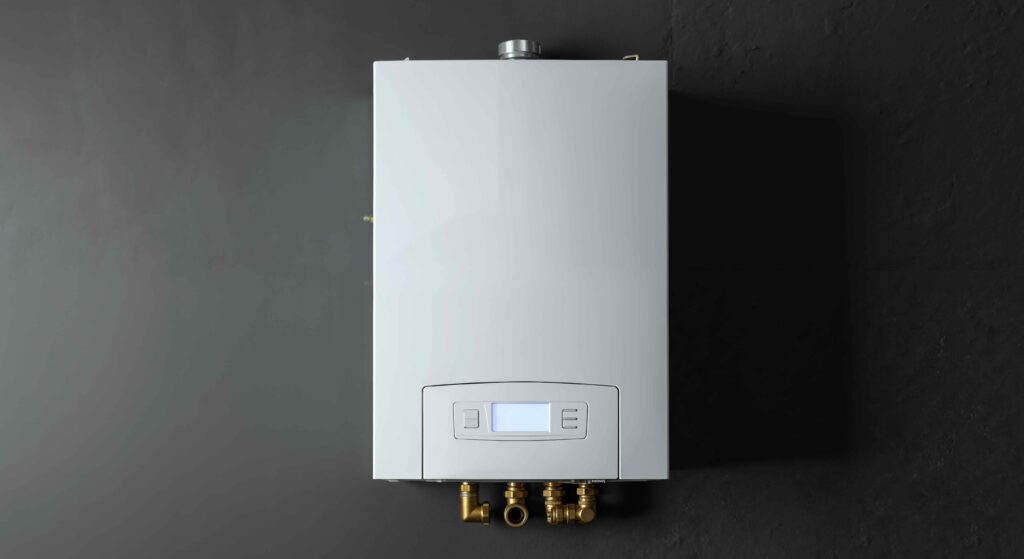
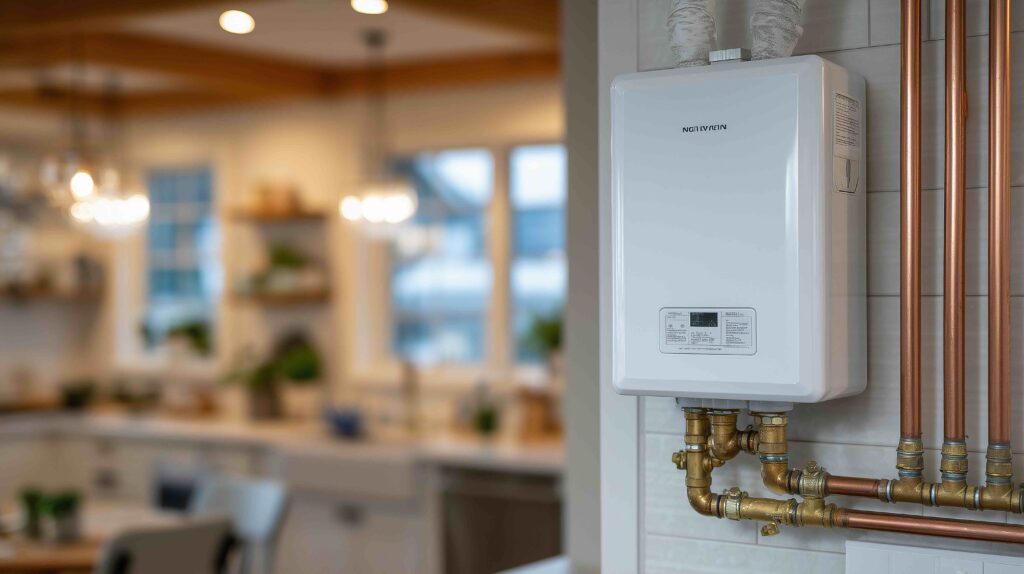
HVAC stands for Heating, Ventilation, and Air Conditioning. Despite sounding technical, its job is simple: keep your indoor environment comfortable—temperature-wise and air-quality-wise. A typical residential HVAC system is made up of key components such as a furnace, air conditioner or heat pump, ductwork, vents, and a thermostat. These units work together to heat, cool, and circulate air throughout your home. Depending on the climate where you live, your system may lean heavier on heating or cooling, but the core infrastructure remains essentially the same.
How Does It Work?
The furnace, generally powered by gas or electricity, heats air and sends it through ducts into rooms via vents. In summer, the air conditioning unit pulls warm air from inside, cools it with refrigerant, and returns chilly air through the same network. Heat pumps can do both. Ventilation—both natural (via windows and doors) and mechanical (via fans and ducts)—supports air circulation and filtration, which keeps your home’s air fresh and healthy. The thermostat acts as the command center, regulating temperature by activating or shutting off units based on your settings.
Advantages of a Well-Functioning HVAC System
Efficiency and comfort are the obvious perks. A home with a modern, properly maintained HVAC system sees more consistent temperatures, cleaner air, and lower monthly energy costs. Many newer systems are designed with energy savings in mind, incorporating smart thermostats and variable-speed motors to adjust output depending on real-time indoor conditions. Plus, better filtration and humidity control can noticeably improve indoor air quality—a must for households with allergies, asthma, or pets.
Common Issues Homeowners Experience
Like all machines, HVAC systems wear down. Age, neglect, and fluctuating weather conditions can all tax your infrastructure. Among the most common complaints are insufficient heating or cooling, higher energy bills, poor airflow, and unusual noises. Clogged filters, refrigerant leaks, faulty thermostats, and worn blower motors often top the list of culprits. These issues, if left unaddressed, may cause cascading damage that multiplies repair costs or shortens your system’s life altogether. That’s why regular maintenance isn’t a suggestion—it’s a necessity.
Repair or Replace? Know the Signs
Determining whether to repair or replace your HVAC system hinges on a few key factors: age, repair history, efficiency, and performance. Most systems last around 15 to 20 years, depending on how well they’re maintained. If your unit is a decade old and has required multiple service calls in the past year, you may be approaching diminishing returns. When repairs start to cost more than 50 percent of the price of replacement, it’s typically more economical to invest in a new unit—especially one that meets current energy efficiency standards, which can bring utility bills down over time.
Using a Home Warranty for HVAC Coverage
HVAC systems are among the most expensive components of any home, with replacement costs often running into the thousands. A home warranty can offset this financial burden by covering repair or replacement costs when things go wrong due to normal wear and tear. That’s where companies like Armadillo come in. A comprehensive home warranty plan ensures you’re not left scrambling when your furnace fails in the middle of a winter storm or your AC stops on the hottest day of the year. Instead of navigating the confusing world of heating and cooling on your own, a warranty brings you vetted professionals and clearly defined coverage, saving you both time and stress.
Tips for Getting the Most Out of Your HVAC System
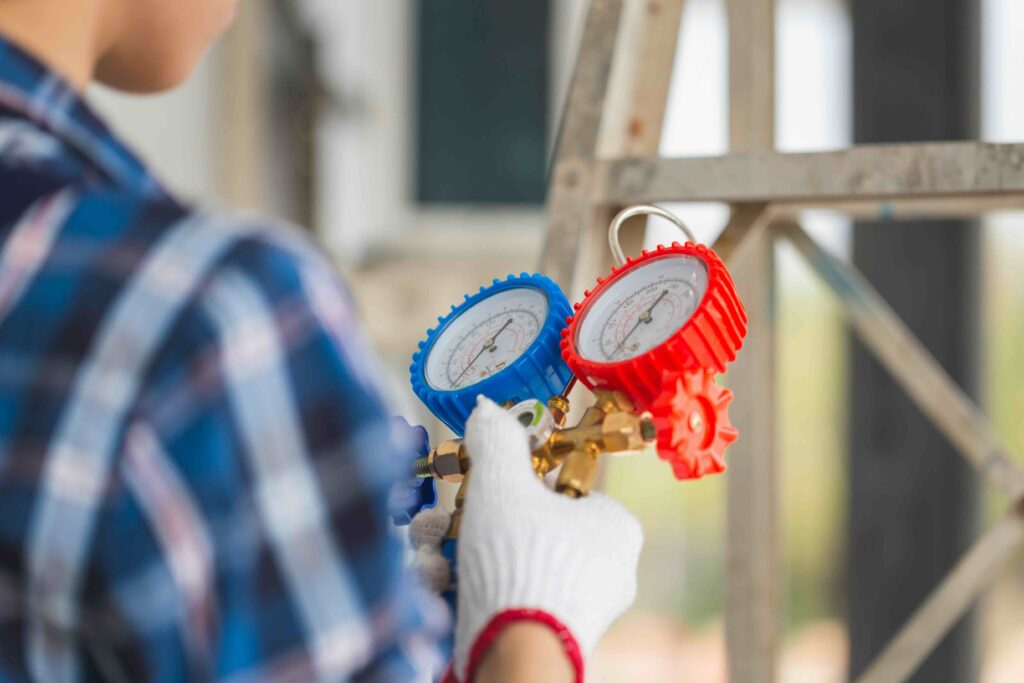
You don’t have to understand every technical detail, but a few small actions can dramatically extend the life and performance of your HVAC setup. First, change or clean filters every one to three months. Clogged filters reduce efficiency and strain your system. Schedule professional inspection and maintenance ideally twice a year—once in spring before cooling season and once in fall before heating begins. Pay attention to unusual noises, inconsistent temperatures, or higher utility bills, as these are often early warning signs of bigger problems. Finally, if your thermostat isn’t programmable, consider upgrading. A smart thermostat not only learns your preferences but also helps cut energy usage without sacrificing comfort.
Protect Your HVAC and Your Budget with Armadillo
HVAC system breakdowns aren’t just inconvenient—they’re expensive. That’s why more and more homeowners are turning to Armadillo for comprehensive home warranty protection. With plans that include HVAC systems as standard coverage, Armadillo helps you avoid the unexpected financial hit that can come with heating and cooling repairs. Whether you’re upgrading your current system, buying your first home, or simply looking for peace of mind, a warranty is a smart move for long-term efficiency and protection. Learn more about what’s covered at armadillo.one or jump straight to building your custom plan at our plan builder. Investing in your home’s HVAC system also means investing in comfort, convenience, and confidence—and with Armadillo, you can do exactly that.