Understanding Your HVAC System: A Homeowner’s Guide to Comfort, Efficiency, and Maintenance
When you purchase a new home, especially in a state like New York where seasonal extremes are a given, your heating, ventilation, and air conditioning (HVAC) system quickly becomes one of the most utilized and essential parts of your living space. Yet, despite its importance, many homeowners only start paying attention when it stops working. Understanding how your HVAC system functions, what its benefits are, and what challenges it may present can help you extend its lifespan, boost its efficiency, and—most critically—ensure your comfort year-round. If your home is protected under a New York new home warranty, you’re already taking a smart first step. This guide helps you take the next ones.
What is an HVAC System and Why Should You Care?
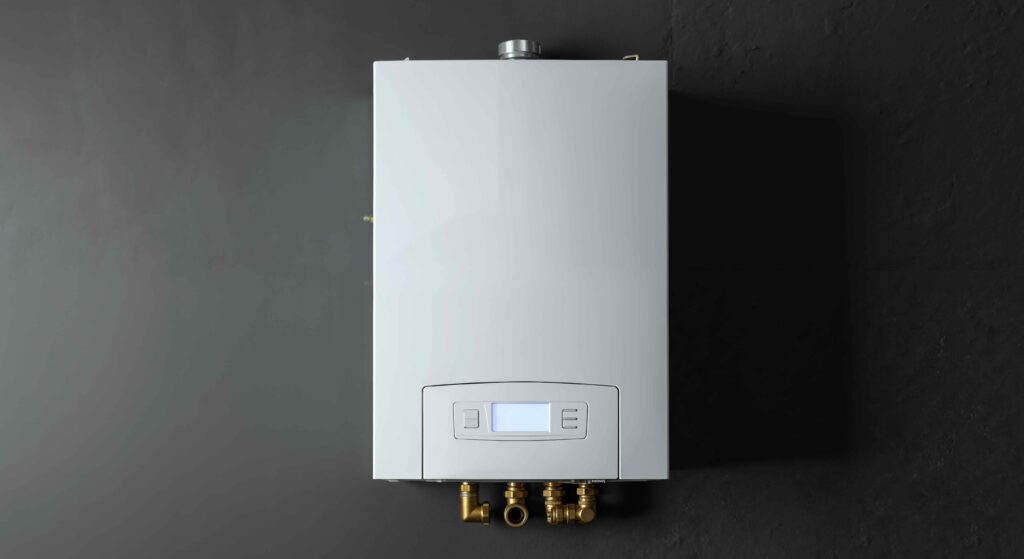
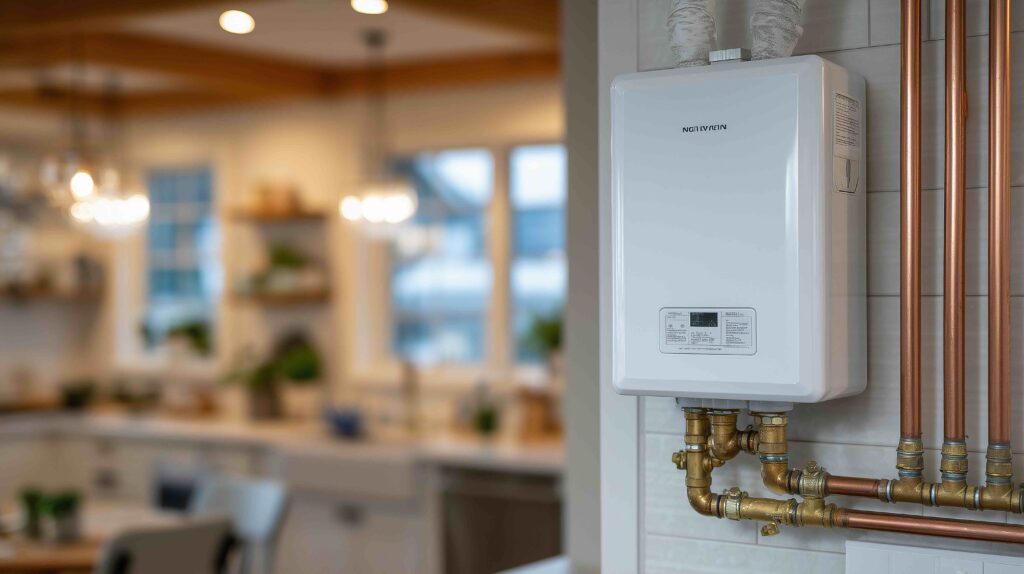
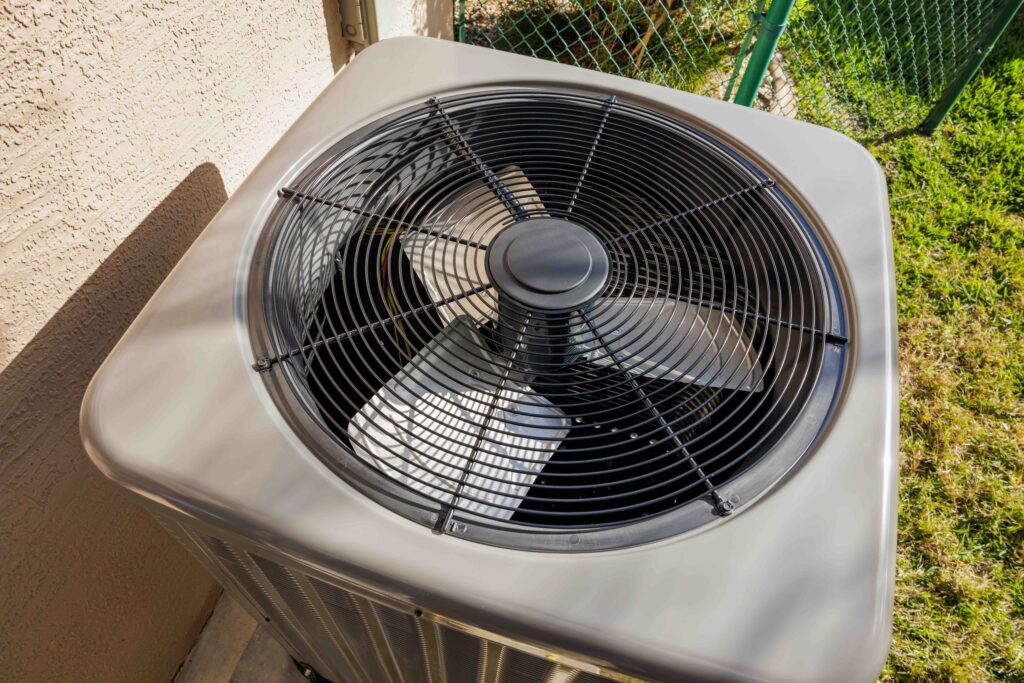

An HVAC system is the powerhouse behind your indoor climate. It encompasses equipment used for heating, cooling, and circulating air throughout your home. In the most typical residential setup, this includes a furnace, air conditioner, ductwork, vents, filters, and a thermostat. Each component plays a vital role in maintaining indoor temperature and air quality. Your HVAC system is not just about comfort—it also regulates humidity and filters out pollutants. In climates like New York’s, where cold winters and hot summers are equally aggressive, having a reliable system is not a luxury; it’s essential.
How Your HVAC System Actually Works
The technical operation varies slightly between system types, but here’s a simplified breakdown. During the cold months, your furnace heats air using gas or electricity and pushes it through your ductwork into rooms. In the summer, the air conditioner removes warm air from inside your home, cools it using a refrigerant, and redistributes it. Ventilation occurs throughout the year, drawing in fresh air, exhausting stale air, and balancing indoor air pressure. A central thermostat controls the entire system, acting as the interface between you and your home’s climate zone. Basic in concept, yet incredibly precise in execution when properly maintained.
Top Advantages of a High-Performing HVAC System
First and foremost, a high-functioning HVAC system keeps your indoor environment at a consistent, comfortable temperature no matter what’s going on outside. Secondly, it boosts indoor air quality, an often overlooked benefit. The filters trap dust, pollutants, and allergens that can otherwise circulate through the home. Dehumidification keeps mold in check, especially during humid New York summers. Third, energy efficiency is a pivotal advantage. Newer or well-maintained units consume less energy, reducing your monthly utility bills while maintaining peak performance. Fourth, temperature zoning in modern systems can allow you to customize specific areas of your home, helping meet individual comfort preferences and save money at the same time.
Common HVAC System Drawbacks and Maintenance Challenges
Despite their utility, HVAC systems are not infallible. One of the core challenges is maintenance. Filters must be changed regularly, ducts cleaned, and systems inspected at least annually to keep things running well. Without this attention, efficiency drops, utility bills rise, and eventual breakdown becomes more likely. The complexity of the system also means that when things do go wrong, repair costs can quickly accumulate. Additionally, air conditioning units and furnaces have finite lifespans—usually 10 to 15 years—after which replacement is needed. For homeowners in New York, where weather can swing dramatically, system overwork is not uncommon, speeding up wear. Minor issues left unattended can compound, leading to major system failures just when you need heat or cooling the most.
Choosing the Right HVAC System for Your Home
Not all HVAC systems are created equal. The right fit for your home depends on square footage, layout, insulation, number of floors, regional climate, and lifestyle habits. A large multi-story house might benefit from a zoned HVAC solution, while a compact home might only need a single split system. Energy efficiency ratings like SEER (Seasonal Energy Efficiency Ratio) for cooling and AFUE (Annual Fuel Utilization Efficiency) for heating help you compare long-term operational costs. Heat pumps, now increasingly popular in New York due to evolving energy codes, provide both heating and cooling and can function in cold temperatures when properly matched to your home’s specs. And don’t overlook smart thermostats—they’re more than a luxury. They learn your habits and adjust temperatures in real-time to save energy without compromising comfort.
How New York’s New Home Warranty Laws Offer HVAC Protection
If you’re moving into a new build or recently built home in New York, the state’s new home warranty law offers critical protections—particularly for structural, mechanical, and systems components, which include your HVAC setup. Under New York General Business Law Section 777-a, builders must provide a one-year warranty on workmanship, two years for mechanical systems such as HVAC, plumbing, and electrical, and six years for material defects on load-bearing components like the foundation. That two-year mechanical protection means installed air conditioning and heating equipment must perform as intended, giving you recourse if components fail due to faulty installation or materials. Still, this protection only applies to newly built homes and does not extend beyond 24 months. So while helpful, it’s limited. To keep peace of mind well beyond those first couple of years, third-party home warranty coverage becomes the obvious next layer of smart protection.
Proactive Tips to Keep Your HVAC System Running Smoothly
Routine care is your HVAC system’s best friend and your wallet’s best defense. Start with quarterly filter replacements—even monthly during allergy season or high-use months. Schedule professional tune-ups twice a year: once in the spring before cooling season and again in the fall before heating becomes essential. Clean vents and keep furniture away from registers to maintain good airflow. Monitor your thermostat programming to avoid unnecessary cycling. Pay attention to unusual noises, smells, or performance drops, which could signal a wear-and-tear issue or early system stress. And if your system is over 10 years old and repairs are becoming more frequent, it’s time to assess replacement options before you’re left without heat in the middle of a New York January cold snap.
Why Armadillo is the Ideal Partner for Your HVAC Protection
Your HVAC system is one of the most vital, most expensive, and most fragile systems in your home. In a state like New York, where climate unpredictability is the norm, safeguarding that investment is not optional—it’s a necessity. That’s where Armadillo steps in. Our modern home warranty plans extend far beyond standard coverage, offering real protection for compressed air systems, central A/C, furnaces, ductwork, and smart thermostats, along with prompt repair assistance and transparent service. Whether your system is state-of-the-art or holding on for a few more seasons, Armadillo is ready to help you avoid the unexpected breakout of costly issues. Learn more about how we can protect your HVAC system and your entire home by visiting our homepage at www.armadillo.one or start building your custom plan now by heading over to our plan builder. Because homeownership should come with fewer surprises—and a lot more comfort.