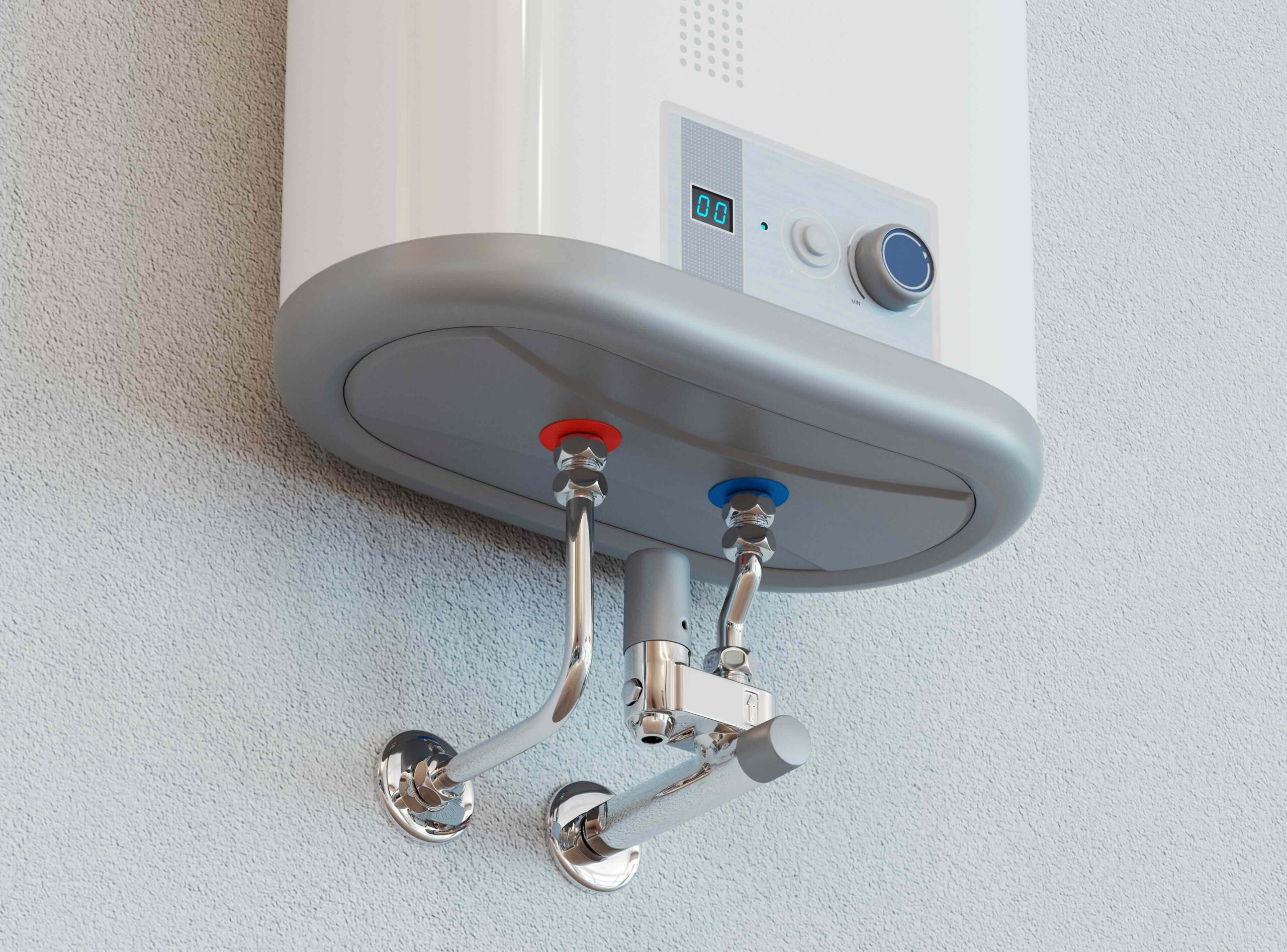
Understanding Tankless Water Heaters: A Smarter Choice for Homeowners
When it comes to essential home systems, the water heater often operates quietly in the background—until something goes wrong. For many homeowners exploring appliance upgrades, tankless water heaters have emerged as a compelling alternative to traditional models. Whether you’re renovating, replacing an aging system, or aiming for improved energy efficiency, understanding how tankless water heaters work and what benefits they provide is critical to making an informed decision. As industry professionals grounded in the home warranty space, we know where performance, longevity, and service converge. Let’s take a deeper look at the tankless water heater: how it functions, why many homeowners are choosing it, and what to consider before making the switch.
What Is a Tankless Water Heater?
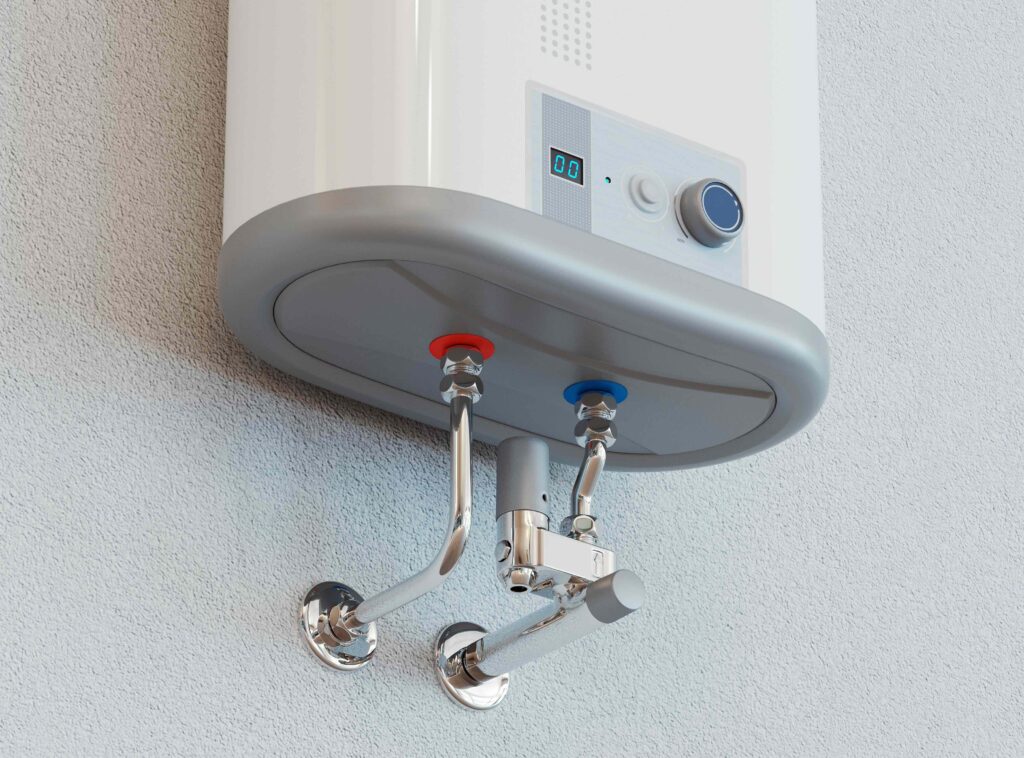
A tankless water heater, often called an on-demand water heater, is exactly what it sounds like—a system that heats water directly as it flows through the unit, without the use of a storage tank. The unit activates when a hot water tap is turned on. Instead of drawing from a reservoir of pre-heated water, it uses high-powered gas burners or electric heating elements to heat the water on the spot. Once the tap is turned off, the heating ceases. This technology has gained popularity throughout the United States for promising significant energy savings and reducing household water waste. Unlike conventional systems, which continuously maintain hot water in a tank, tankless models only operate as needed.
How Tankless Water Heaters Work
The process begins with a flow sensor. When a hot water tap is engaged, cold water enters the unit and the sensor detects the demand for heated water. The system then triggers burners or electrical components to raise the water temperature to the preset level. Within seconds, hot water arrives at the tap with minimal delay. Once use stops, the whole system powers down. This method of heating is not only efficient but also extends the lifespan of the appliance due to reduced thermal stress. Modern units include temperature controls, diagnostic systems, and safety sensors that regulate overheating and pressure buildup. Both gas and electric models exist, and installation specifications depend on local energy infrastructure and household water needs.
The Key Advantages of Choosing Tankless
Every modern homeowner wants confidence that their systems are working smarter, not harder. One of the standout benefits of tankless systems is energy efficiency. Because they eliminate standby heat loss—the energy used to keep water hot within a tank—they can reduce overall energy consumption by up to 30%, according to the U.S. Department of Energy. They also free up space, mounted conveniently on walls, offering smaller homes a valuable spatial advantage. Furthermore, they provide continuous hot water. With proper sizing, you’ll never face the unwelcome surprise of running out during a shower. The systems also generally last longer, with a lifespan of 20 years or more, compared to the 10-15 years typical of tank models. With proper maintenance and timely service, their reliability is hard to match.
Potential Drawbacks to Keep in Mind
While tankless technology offers many upgrades, it’s not without compromise. Initial costs are higher, both for the unit and installation. Retrofitting a home that used a traditional tank water heater may require updated plumbing, venting adjustments, and upgraded wiring or gas line work. Depending on the size and layout of your home, you may also need more than one unit to meet multiple simultaneous demands—say, if someone is washing dishes while another is showering. Though these investments tend to pay off over time via energy savings, the upfront hurdle can feel steep. There is also a noticeable learning curve for homeowners in managing maintenance, such as periodic flushing to remove mineral buildup in hard water areas. Reliability requires a proactive approach that not all homeowners are initially prepared for.
How to Decide if a Tankless Water Heater Is Right For You
Before making the switch, consider factors like household size, number of bathrooms, and regional utility costs. A smaller household with predictable usage patterns might benefit significantly from a single electric unit, while a large multi-bathroom home may require a high-capacity gas model or multiple point-of-use systems. It’s important to have a qualified professional assess your water heating demands. Climate can also be a factor; colder groundwater may require more energy to heat, impacting unit efficiency and cost of installation. Finally, check for available rebates or energy incentives in your region. Local utility companies and federal programs frequently offer discounts that soften the upfront burden and accelerate the return on investment.
Maintenance Tips for Long-Term Performance
Optimal performance of a tankless system is a direct result of attentive maintenance. Homeowners should perform descaling or “flushing” annually to prevent mineral buildup, especially in areas with hard water. Neglecting this leads to reduced efficiency and potentially voids the manufacturer warranty. Some models include maintenance alerts or diagnostic indicators—review your manual and set reminders accordingly. Filters inside the system should be inspected and cleaned regularly to prevent obstructions in flow and performance loss. Partnering with a licensed technician for annual checkups ensures the unit’s temperature controls, safety systems, and burner performance stay calibrated. The reliability of a tankless water heater is supported by the homeowner’s commitment to diligent care, and in the long run, it more than rewards that effort.
Compatibility with Home Warranty Plans
One thing homeowners often overlook with new appliances is how they integrate into home protection plans. A tankless water heater, while robust, is still susceptible to issues over its lifetime—thermostat failure, corrosion, water flow inconsistencies, and even software glitches in advanced models. Confirming compatibility with your home warranty provider is essential. The ideal home warranty plan will cover essential components, labor, and diagnostic services in the event of failure. Make sure the warranty aligns with the specific make and model of your system and does not exclude necessary maintenance tasks. Securing the proper coverage ensures you’re not left exposed to repair costs down the line, preserving the efficiency and peace of mind you’ve paid for upfront.
Protect Your Tankless Investment with Armadillo
A high-performing tankless water heater deserves a home warranty plan built to match its long-term potential. At Armadillo, we specialize in providing flexible, modern home protection services that evolve with today’s smarter appliances. Our intuitive platform helps you build a custom plan tailored to your actual systems—nothing more, nothing less. Tankless technology is efficient, durable, and smart, and we bring that same philosophy to how we protect your home. Discover how Armadillo makes appliance coverage straightforward, fast, and transparent by visiting Armadillo.one. Ready to get started? Build your plan now at armadillo.one/plan-builder. Because coverage should feel like an upgrade, not a compromise.