Understanding Your HVAC System: What Every Homeowner Should Know
For most homeowners, the HVAC system doesn’t draw attention—until it stops working. Heating, ventilation, and air conditioning aren’t just about comfort. A well-functioning HVAC system influences your home’s air quality, energy efficiency, and, frankly, your peace of mind. Whether you’re buying your first home or maintaining an older property, understanding the basics of your HVAC system is essential for making smart, cost-effective decisions. This guide unpacks what HVAC systems are, how they operate, their benefits and limitations, and practical advice for maintaining and protecting them.
What is an HVAC System?
HVAC stands for Heating, Ventilation, and Air Conditioning. It refers to the equipment used to regulate the indoor temperature and air quality of a building. Most residential systems are centralized and use a series of ducts to distribute heated or cooled air throughout your home. At its core, an HVAC system is an interconnected network made up of a furnace, air conditioner (or heat pump), ductwork, vents, and controls like thermostats.
Some homes use split systems, where heating and cooling components are separate, while others use hybrid models or systems like ductless mini-splits. The configurations can vary, but the goal is consistent: to maintain a comfortable and safe interior environment year-round.
How HVAC Systems Work
Most standard HVAC systems operate through a series of coordinated steps that adjust based on the temperature you’ve set on your thermostat. During colder months, the furnace (usually powered by gas, oil, or electricity) generates heat that’s distributed via ductwork. In warmer seasons, the air conditioner uses a refrigerant cycle to extract heat from indoor air and expel it outside, simultaneously releasing cool air indoors.
Ventilation is a constant—it ensures a flow of fresh outdoor air into your home while cycling out stale indoor air. Proper ventilation also helps manage humidity levels and filters out airborne pollutants through integrated air filters or advanced purifiers. The thermostat acts as the command center, signaling to the system when to ramp up or shut down based on your ideal temperature setting.
Top Benefits of an Efficient HVAC System
Your HVAC system doesn’t just keep your living room cozy in January or your bedroom cool in July; it offers tangible and lasting benefits when running properly. First and most obvious, comfort. Temperature regulation isn’t a luxury when extremes hit—it’s a necessity. But that’s just the start.
Energy efficiency is another major advantage. A well-maintained HVAC system can reduce utility bills by optimizing fuel or electricity consumption. Air quality is improved as well, filtering allergens, dust, and pollutants. And in terms of investment, a modern, functional HVAC system adds to your home’s resale value and can be a clear differentiator in competitive housing markets. Lastly, it plays a key role in structural preservation. Controlled humidity prevents mold growth and deterioration of your home’s materials.
Common Challenges and Drawbacks
While HVAC systems are critical to home comfort, they aren’t immune to issues. One of the most common problems is inefficient performance due to accumulated dust, worn components, or neglected maintenance. This inefficiency can drive up energy costs and eventually lead to costly repairs or full system replacements.
Another drawback is the system lifespan. Most HVAC units last 10 to 15 years before major replacements are required. Components wear out, especially in climates with extended heating or cooling seasons. Unexpected malfunctions are often an unpleasant and expensive surprise. And installation? It’s a significant up-front investment. Complex installations that require custom ductwork or insulation upgrades can quickly escalate in cost.
There’s also the issue of zoning or uniform comfort. In many homes, some rooms may be warmer or cooler than others even when the HVAC system runs continuously. This can reduce overall satisfaction and push the system to work harder than necessary, compounding wear and tear.
When to Repair vs. Replace
Determining whether your HVAC system needs a minor fix or a full replacement isn’t always straightforward. There are a few indicators that suggest it’s time to upgrade rather than repair. If your system is over 10 years old and requires frequent repairs, the long-term financial impact often favors installing a new unit. Rising utility bills with no change in usage habits can also point to declining system efficiency.
Strange odors, persistent noises, or inconsistent temperatures across the home may seem like manageable quirks but can signal deeper structural problems. If your system uses a refrigerant like R-22 (phased out for environmental concerns), you may encounter both regulatory and cost-based pressure to upgrade. In contrast, if your system is relatively new, energy-efficient, and a single component fails (like a capacitor or fan motor), a targeted repair may be all you need.
Tips for Routine HVAC Maintenance
Regular maintenance can extend your HVAC system’s lifespan and help avoid major malfunctions. Start with replacing or cleaning filters every 1 to 3 months depending on usage and the presence of pets or allergies. Schedule professional inspections at least once a year, ideally in the spring for AC systems and fall for furnaces, before peak usage seasons kick in.
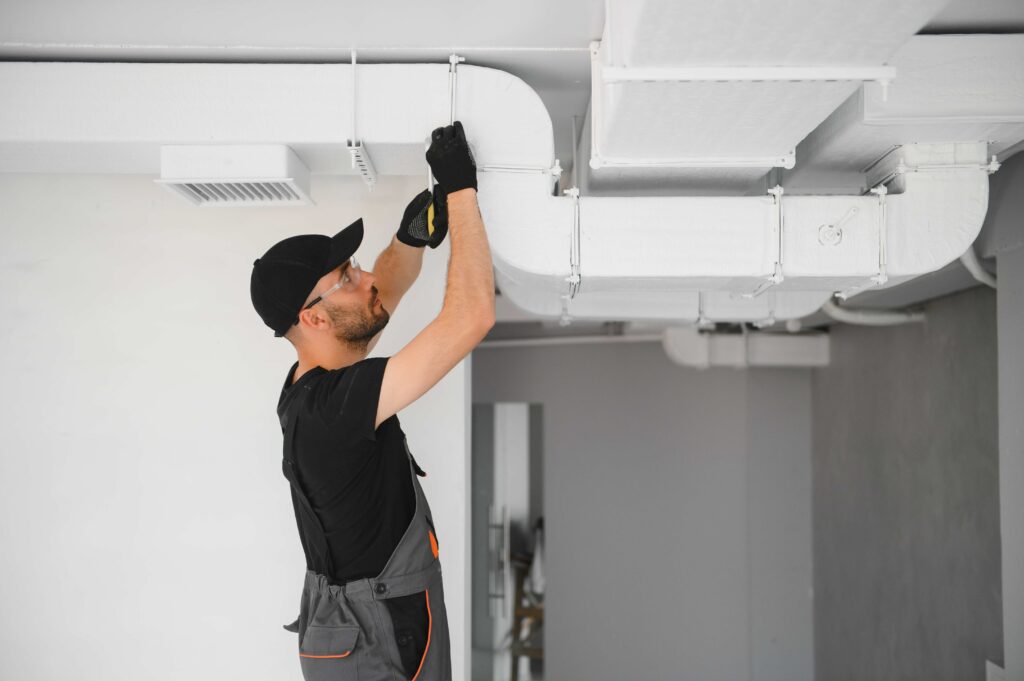
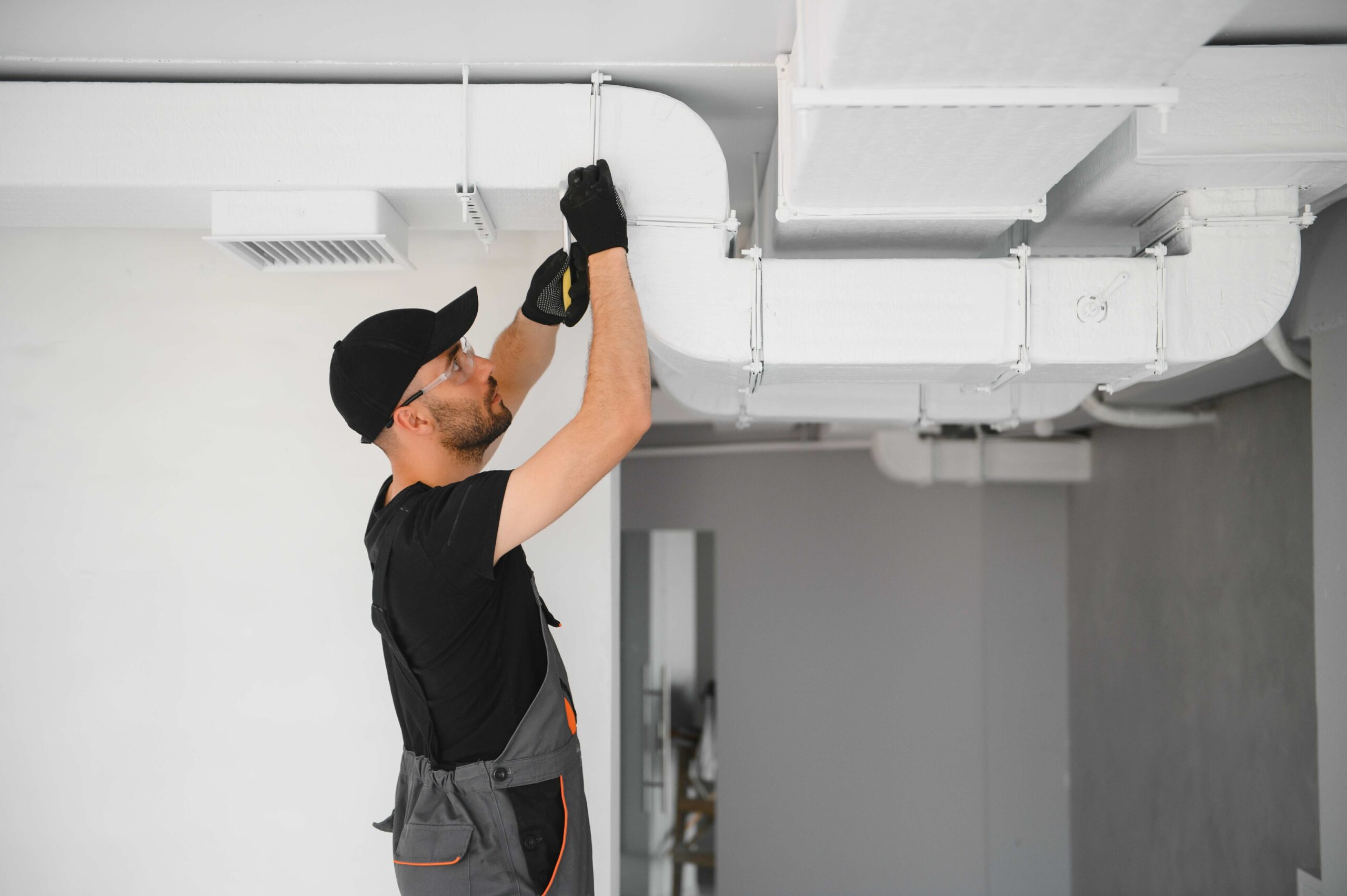
Keep outdoor units clear of debris, leaves, or snow, and inspect ductwork for gaps or leaks. Programmable or smart thermostats offer greater control and efficiency, especially if your lifestyle has varying occupancy patterns. And while DIY solutions have their place, critical service like refrigerant replacement or electrical diagnostics should always be handled by certified technicians.
Maintaining your HVAC system isn’t about over-complication. Simple, consistent habits go a long way toward preserving functionality. The effort you invest now can prevent urgent breakdowns later.
How Home Warranties Protect Your HVAC Investment
Despite best efforts, HVAC systems can—and do—break down. Without protection, homeowners often face hefty, unexpected repair or replacement costs. That’s where home warranties add real value. A home warranty plan covering HVAC systems provides a safety net by offering coverage for repair or replacement due to normal wear and tear. This includes systems that fail due to aged parts, electrical malfunctions, and other typical failures that wouldn’t be covered by a standard homeowners insurance policy.
With a solid home warranty in place, you have direct access to vetted technicians and a simplified claims process. This not only minimizes stress but brings cost predictability to inevitable breakdowns. It’s a smart way to insulate your budget from one of your home’s most critical systems.
Why Armadillo is the Right Choice to Protect Your HVAC System
If protecting your HVAC system—and your home—is a priority, Armadillo offers one of the most trusted, modern approaches in the home warranty industry. Our plans are tailored to meet your home’s unique needs with clarity, flexibility, and real coverage that goes beyond traditional limits. You’ll benefit from access to licensed, responsive contractors and a seamless platform that puts your warranty in your control, not the other way around.
Whether you’re maintaining an older system or looking for peace of mind with a new one, Armadillo gives you the tools and protection to optimize your home without surprise costs. Explore how we can keep your HVAC running smoothly at armadillo.one, or start building your custom plan today at armadillo.one/plan-builder.