The Critical Connection: Understanding How to Connect a Light Switch to an Outlet with Grounding
In the ever-evolving world of home improvement, the ability to manage your electrical systems safely and efficiently is a vital skill. Whether you’re a seasoned DIY enthusiast or a newcomer eager to expand your home improvement knowledge, understanding how to connect a light switch to an outlet with proper grounding can be a game changer. This guide simplifies the process, providing invaluable insights into its advantages, potential pitfalls, and why grounding your outlets is not just a recommendation but a necessity.
Introduction to the Light Switch and Outlet Connection
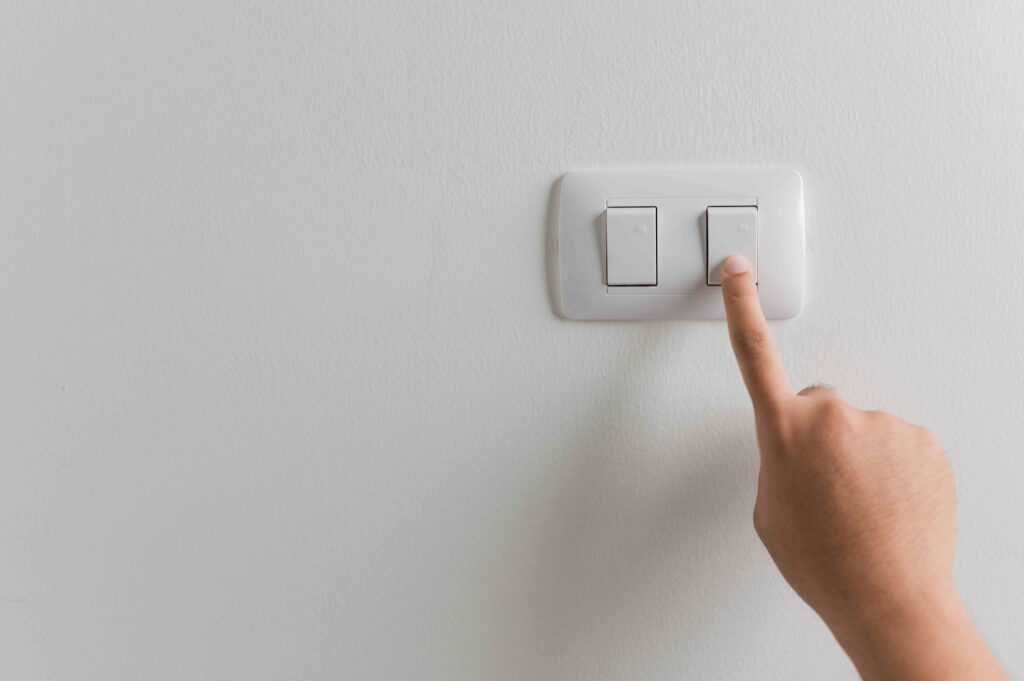
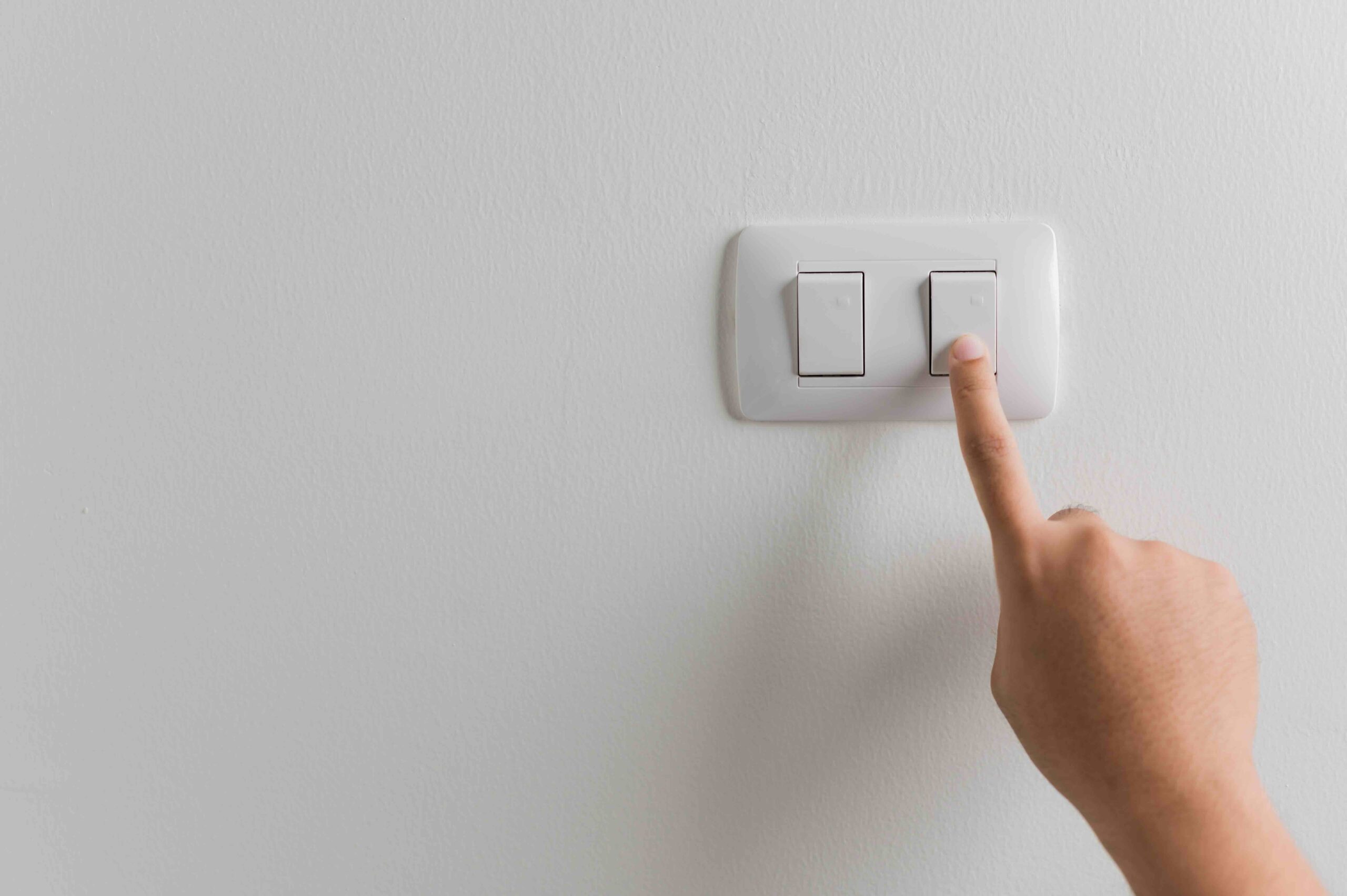
At its core, connecting a light switch to an outlet allows a homeowner to control the power supply in a room more efficiently. It bridges the functional gap, adding an extra layer of convenience to everyday life. To break it down simply—this setup enables you to control non-lighting appliances from a more accessible location. But why stop at understanding the basic operation? To truly grasp the benefits, it’s essential to unravel the intricacies involved.
The Mechanics of the System
When you connect a light switch to an outlet, you’re essentially wiring the switch in place to control the flow of electricity to the outlet. Typically, this involves a switch with two sets of terminals: one for the incoming power source and another for the outlet. Grounding becomes critical here, acting as the safety net that prevents electrical faults from escalating into hazards. Proper grounding ensures that any errant currents are safely channeled away, protecting the home from fires and electrical shocks.
Key Advantages of this Connection
The primary advantage of wiring a switch to an outlet is the sheer convenience it offers. It allows for a centralized control system in areas like the kitchen or home office, where the need to power down appliances quickly can be frequent. Additionally, a grounded system enhances safety by directing stray electrical charges harmlessly into the ground. It not only increases the operational efficiency of the outlet but also prolongs the lifespan of connected devices—lowering replacement and repair costs over time.
Common Drawbacks to Consider
While the advantages are plentiful, one must also be aware of potential drawbacks. A DIY approach may not always be the safest route, particularly if you’re unfamiliar with electrical systems. Incorrect wiring and insufficient grounding can lead to inefficient power flow, and in worst-case scenarios, electrical fires. Furthermore, taking on this task without proper permits and inspections can lead to additional costs and legal issues. Always consider consulting with a professional if you lack the necessary experience.
Steps to Safely Connect Your Light Switch to an Outlet
If you’re confident in your ability and have decided to proceed, begin by ensuring that the main power supply to the house is turned off. Use a voltage tester to double-check that there is no live current in the wires you will be working with. Once confirmed, connect the hot wires to the correct terminals on the switch and the outlet, ensuring a secure fit. The ground wire should be connected last, typically to a green screw. Check your connection by turning the power back on and testing the switch and outlet for proper functionality.
Understanding the Importance of Professional Help
Despite the allure of DIY projects, some tasks necessitate the expertise of a certified electrician. Engaging a professional ensures that all connections meet safety standards and local electrical codes. It also provides peace of mind, averting catastrophic risks associated with faulty installations. For those unfamiliar with electrical systems, hiring a professional is not just an option but a necessity to guarantee safety and efficiency.
Why Choose Armadillo Home Warranty?
Considering the potential risks and costs involved in electrical work, a home warranty from Armadillo could be your best ally. With coverage that extends beyond basic repairs, Armadillo offers comprehensive protection for your home systems and appliances. Explore more about their offerings on their homepage and get started with a tailored plan by visiting their sign up page. With Armadillo, you’re not just buying assurance; you’re investing in peace of mind for the electrical integrity of your home.