How to Recharge an AC System: A Homeowner’s Guide
In the sweltering heat of summer, your home’s air conditioning system is nothing short of a lifesaver. But what happens when that cool breeze stops? Often, it’s a signal that your AC might need a recharge. Recharging an AC system is essential for maintaining not only the comfort of your home but also the efficiency of your cooling unit. In this comprehensive guide, we’ll navigate the fundamentals of AC recharging, what it involves, how it functions within your HVAC unit, the benefits it offers, common pitfalls to avoid, and practical tips to ensure your AC operates optimally. By the end, you’ll understand how to keep your home cool and energy-efficient, while discerning when professional help might be necessary.
Understanding the AC Recharging Process
The core purpose of recharging an AC system involves replenishing the refrigerant, the substance responsible for absorbing and releasing heat to provide a cooling effect. Over time, your AC might lose this refrigerant due to leaks or system inefficiencies, compromising its performance. A recharge restores the refrigerant to its optimal level, ensuring consistent cooling. Most AC systems use refrigerants like R-410A or the older R-22 (though it’s being phased out for environmental reasons). It’s crucial to identify the type of refrigerant your system uses before considering a recharge—this detail often appears on the AC’s label or manual.
How an AC System Works with Refrigerant
At the heart of every air conditioning unit is its refrigerant cycle. The refrigerant circulates through a closed loop of coils, transitioning between gas and liquid states. It absorbs heat from indoor air through the evaporator coils and releases it outdoors via the condenser coils, assisted by the compressor and fans. Recharging is critical because it ensures that there’s enough refrigerant to perform this thermodynamic exchange efficiently. Low refrigerant translates to a longer running compressor, higher energy consumption, and, frustratingly, lesser cooling efficacy.
Key Advantages of Proper AC Recharging
Maintaining the correct refrigerant level in your AC unit is not just about comfort. Firstly, it helps optimize energy efficiency, which can result in lower electricity bills—a major boon during peak cooling seasons. Secondly, it enhances the longevity of your unit by preventing the compressor and other parts from overworking. Proper refrigerant levels also contribute to a smaller carbon footprint by reducing the potential for excess emissions, aligning with modern energy-saving initiatives.
Common Drawbacks and Challenges
Despite its importance, there are risks associated with improper AC recharging. Overcharging refrigerant can lead to decreased cooling, higher pressure in your AC system, and potential damage to components, notably the compressor. Conversely, an undercharge can lead to premature system wear and increased energy consumption. Additionally, some refrigerants require professional handling due to environmental and safety regulations, underscoring the need for expert involvement in certain cases.
Best Practices for Recharging Your AC
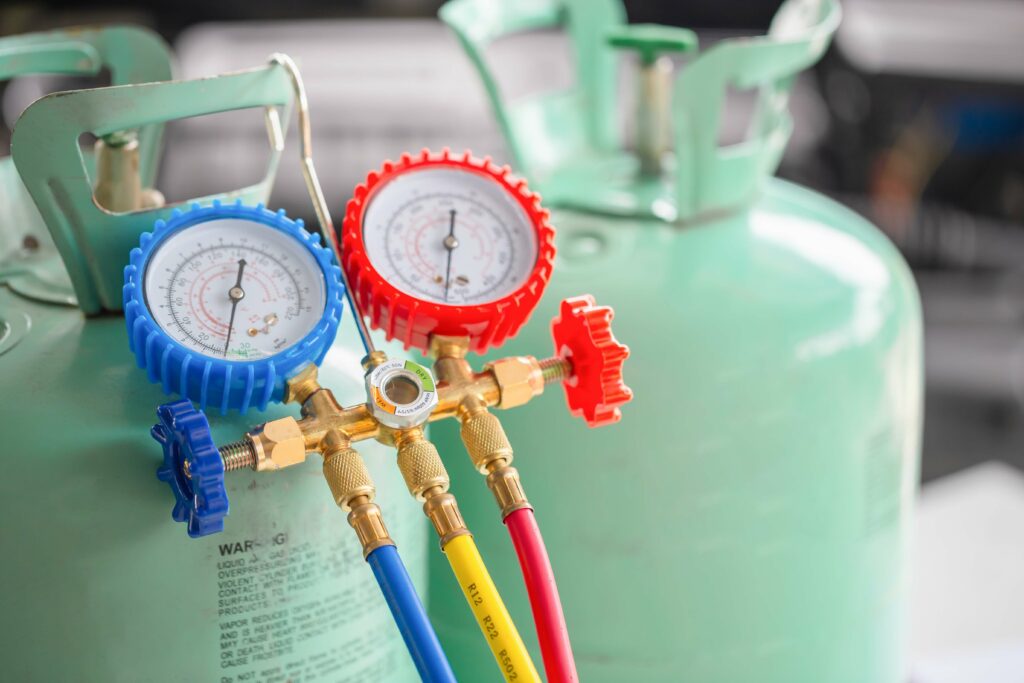
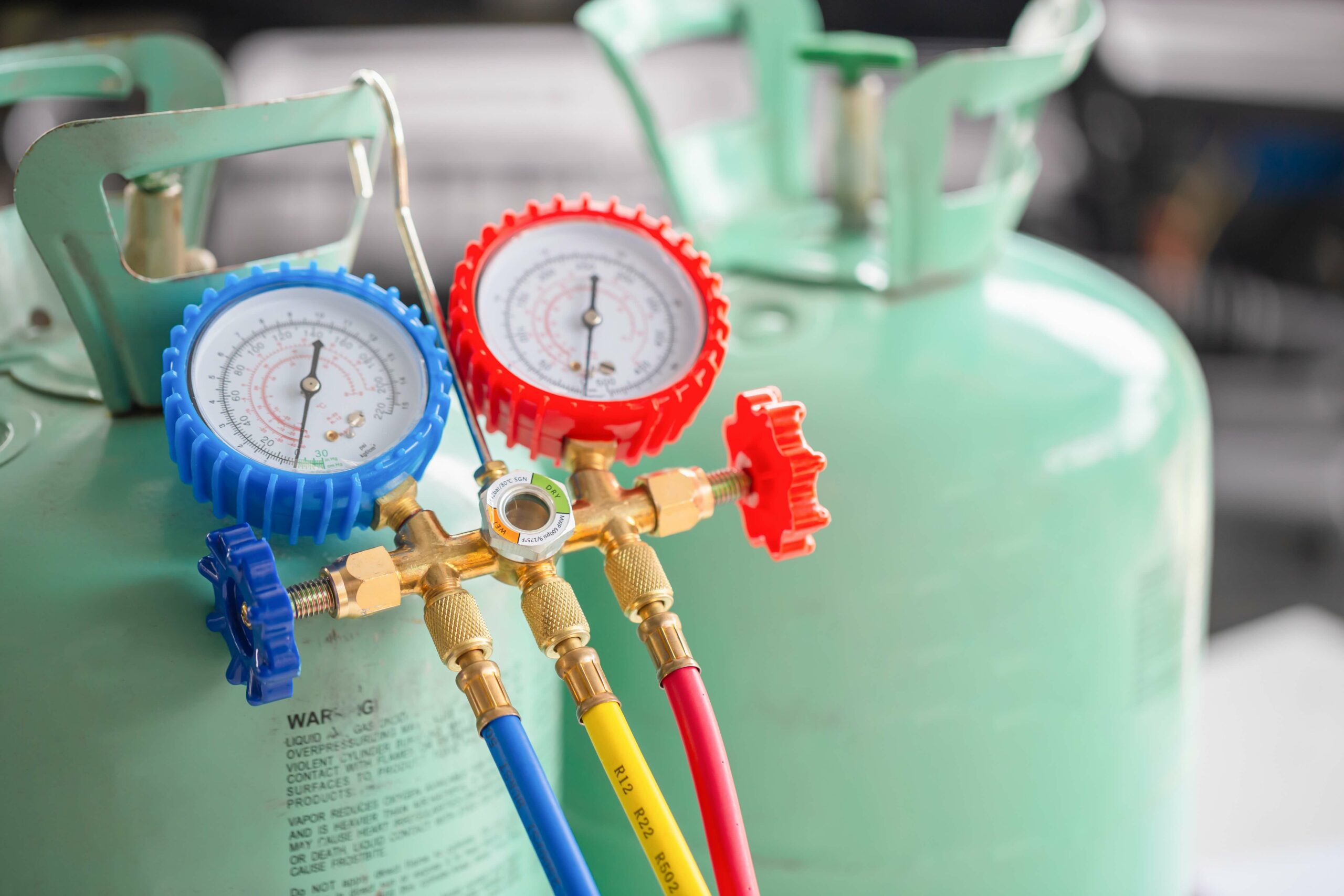
To effectively recharge your AC system, ensure it’s diagnosed by a knowledgeable technician. Initial assessment often involves checking for leaks using specialized tools, as recharging a leaking system is merely a temporary fix. If all checks are cleared, the technician will use a refrigerant gauge manifold to add the correct amount of refrigerant—a precise task that must align with the system’s specifications. Routine maintenance is essential; consider scheduling a professional check-up at least annually.
Signs Your AC Might Need a Recharge
Recognizing when your AC needs a recharge can prevent major efficiency losses. Common indicators include diminished airflow from vents, air that isn’t cold, unusual hissing noises signaling possible leaks, and an increased frequency in AC cycles. Noticing any of these signs should prompt you to evaluate your system—early intervention can prevent more costly repairs down the line.
When to Call a Professional
Recharging an AC system involves precise technical details that aren’t always DIY-friendly. If you lack HVAC expertise or the necessary tools, it’s prudent to contact a certified technician. Proper training ensures they handle refrigerants safely and in compliance with environmental standards, ensuring your system is charged correctly and efficiently. DIY attempts might save money initially but could lead to costly mistakes, so weigh the risks carefully.
Secure Your Home’s Comfort with Armadillo
While understanding AC recharging ameliorates many household woes, partnering with a reliable home warranty service ensures peace of mind year-round. Armadillo offers comprehensive home warranty plans that cover your HVAC system, safeguarding against unexpected breakdowns and costly repairs. With Armadillo, enjoy expert service with confidence—whether through our handy guides or professional technician network. Visit our homepage for more information, or head directly to our sign-up page to start customizing your protection plan today.