Understanding Home Air Conditioning Systems: A Homeowner’s Guide
As the mercury soars and summer unleashes its warmth, air conditioning becomes more than a luxury—it’s a necessity. Whether you’re building a new home or seeking to upgrade your current system, understanding how air conditioning systems operate can guide you toward making informed decisions and ensuring your home remains cool and comfortable. In this guide, we unravel the complexities of home air conditioning systems, walking you through their components, operations, benefits, and challenges. Let’s dive in with confidence as we arm you with knowledge to navigate this crucial home appliance.
What is an Air Conditioning System?
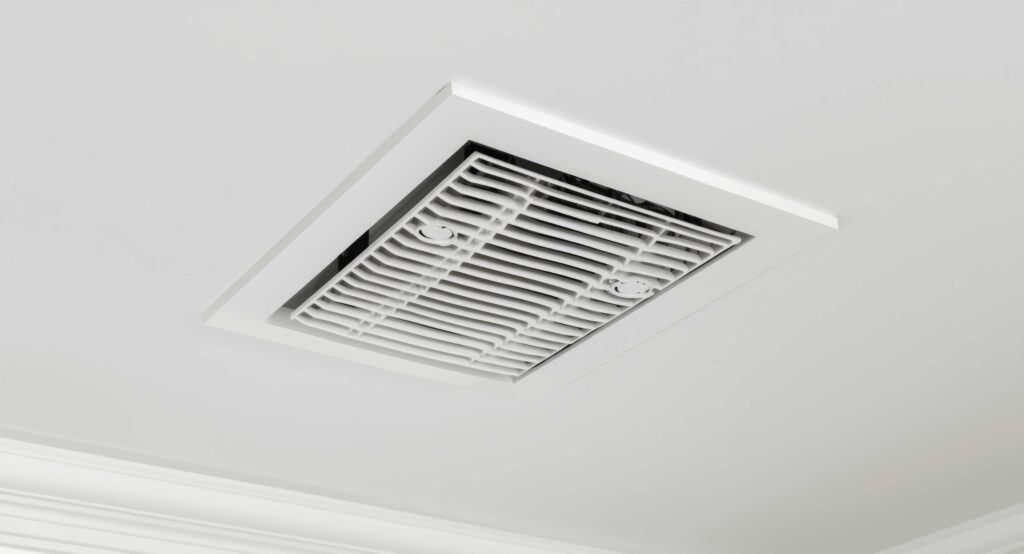
An air conditioning (AC) system is a device or a set of devices designed to regulate the air temperature inside a space. Beyond just cooling, modern air conditioning systems can also control humidity, purify the air, and provide some degree of ventilation. This complex orchestration allows homeowners to enjoy a comfortable indoor environment regardless of what’s happening weather-wise outdoors. Often, AC systems are part of an HVAC (heating, ventilation, and air conditioning) setup, especially in regions where both heating and cooling are essential.
How Does an Air Conditioning System Work?
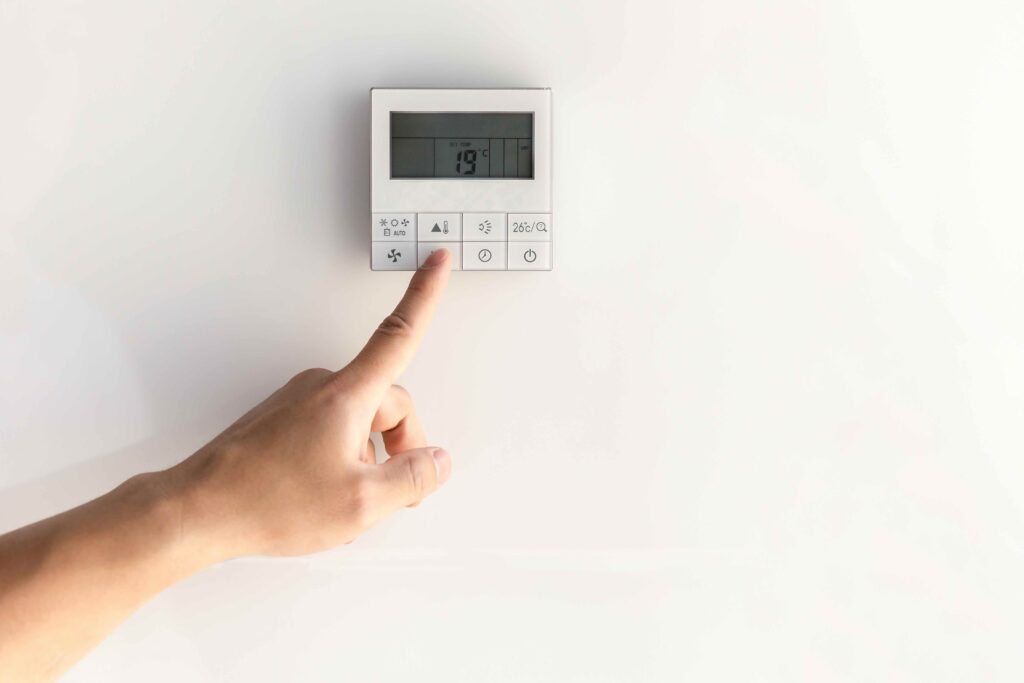
Air conditioning systems operate on a simple principle: removing heat from the indoor environment. This process involves several key components working in harmony. The system’s heart is the compressor, which pumps refrigerant—a special fluid designed to absorb and release heat—through a closed system of coils and fans. Air is drawn in, cooled by passing over the evaporator coil filled with cold refrigerant, and then blown back into the room, while the absorbed heat is expelled outside. Thermostats play a critical role by regulating this cycle, ensuring the desired temperature is achieved and maintained.
Key Advantages of Air Conditioning Systems
First and foremost, air conditioning systems offer comfort by keeping indoor environments at pleasant temperatures. But their benefits extend beyond sheer comfort. They help reduce humidity levels, which can be particularly beneficial in avoiding mold and mildew. Air conditioners also improve air quality by filtering out pollutants and allergens. Furthermore, a consistent temperature can protect your home’s infrastructure, preventing the expansion and contraction that can occur with temperature fluctuations.
Common Drawbacks of Air Conditioning Systems
While air conditioning systems are tremendously beneficial, they are not without drawbacks. They can be significant energy consumers, leading to higher electricity bills, and not all systems are created equally in terms of energy efficiency. Outdated systems or those not properly maintained can fall short in performance and become environmental burdens. Additionally, incorrect sizing or installation may lead to inadequate cooling and increased strain on the system, reducing its lifespan.
Choosing the Right Air Conditioning System
When selecting an AC system, consider factors such as the size of your home, your climate, and your cooling requirements. Central air conditioning is suitable for larger homes, while ductless mini-split systems offer flexibility and are ideal for homes without vent systems. Consider energy efficiency ratings like SEER (Seasonal Energy Efficiency Ratio) to ensure your unit is both economical and eco-friendly. Consulting with HVAC professionals can provide personalized recommendations based on expert assessments of your home’s unique needs.
Maintenance and Efficiency Tips
Regular maintenance of your air conditioning system is crucial for optimal performance and longevity. Change filters routinely to keep the system free of dust and allergens, and have annual inspections to check for refrigerant levels and other potential issues. Keeping the outdoor condenser unit clear of debris can also enhance efficiency. These preventative steps help maintain low energy costs and extend the life of your AC system.
Smart Technology Integration in Air Conditioning
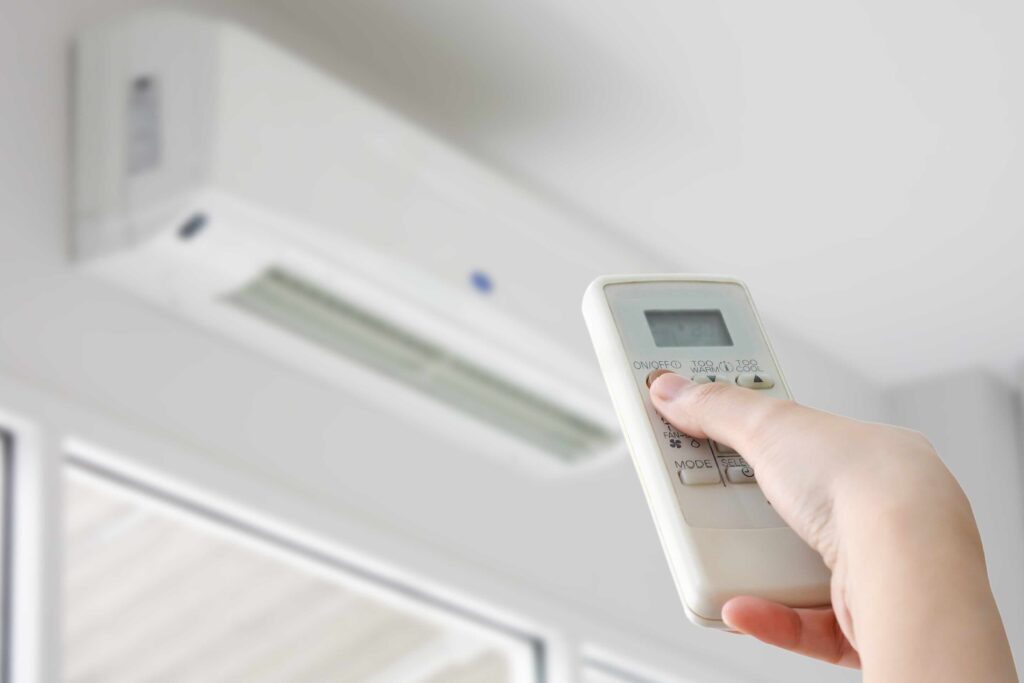
As homes turn smarter, air conditioning systems have not been left behind. Smart thermostats and AC systems can now be controlled remotely, allowing homeowners to adjust temperatures on the go. These intelligent systems can learn your preferred settings and adjust them to optimize energy use without sacrificing comfort. By integrating your air conditioning with smart home systems, you can enjoy heightened convenience and increased energy savings.
Why Choose Armadillo for Your Home Warranty?
Navigating the intricacies of home air conditioning systems doesn’t have to be daunting. With Armadillo’s comprehensive home warranty plans, you can ensure your AC system is covered against unexpected breakdowns, providing peace of mind and financial protection. Our user-friendly platform and expert support make safeguarding your home systems a breeze. Ready to elevate your home warranty experience? Explore our offerings at Armadillo’s homepage or begin your journey with a personalized plan through our plan builder. Trust Armadillo to keep your home’s comfort systems running smoothly, season after season.