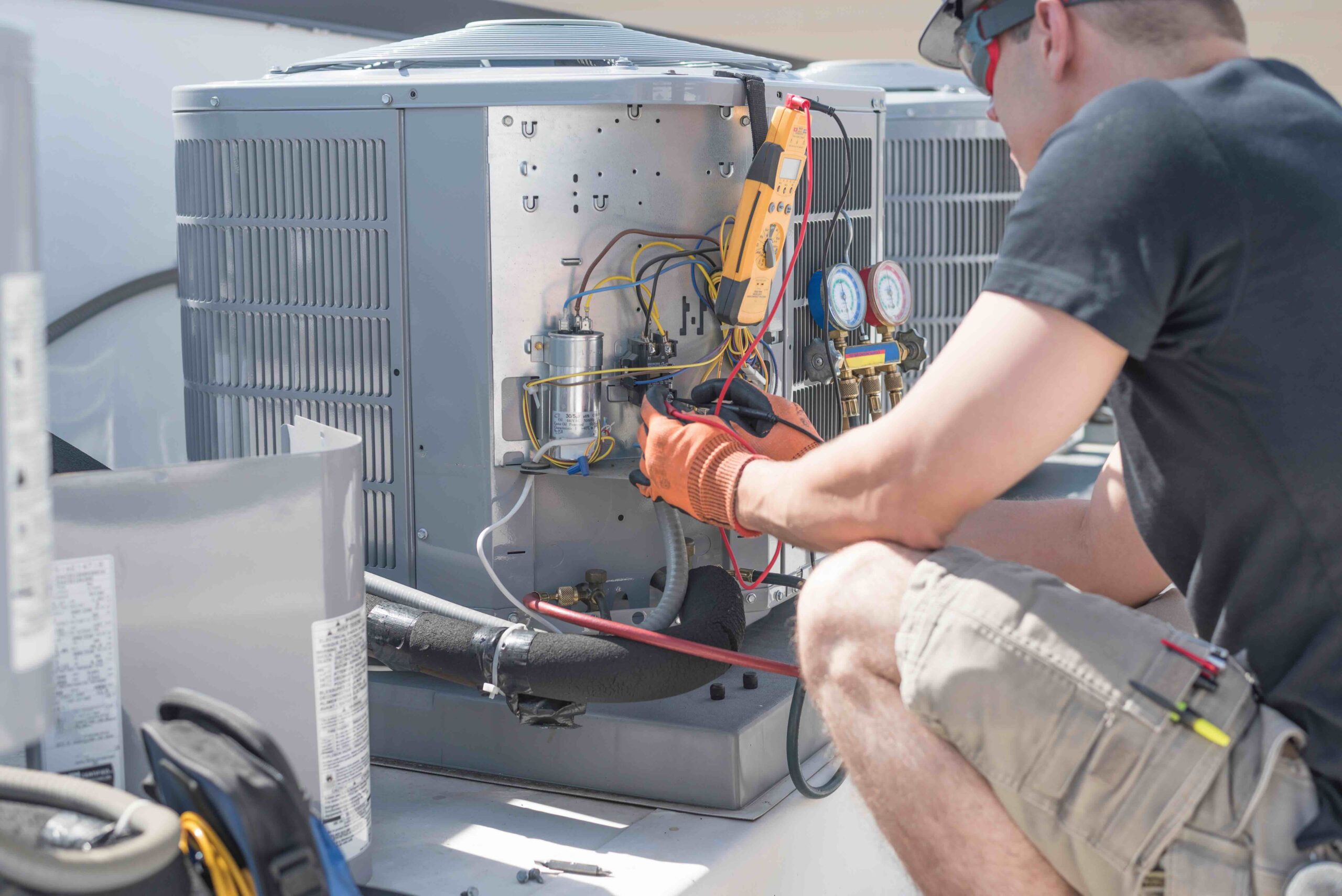
Heating Ventilation and Air Conditioning (HVAC): A Comprehensive Homeowner’s Guide
When it comes to maintaining a comfortable and energy-efficient home, the Heating, Ventilation, and Air Conditioning (HVAC) system plays a pivotal role. Through its interconnected components, this complex system not only warms your home in chillier months but also ensures optimum cooling during scorching summers. This guide aims to unravel the intricate workings of your HVAC system, highlighting essential benefits and possible pitfalls, to offer insight into informed decision-making whether you are considering installation, upgrade, or maintenance.
What is an HVAC System?
An HVAC system is a combined network comprising three separate functions: heating, ventilation, and air conditioning. These components work together to regulate indoor temperature, ensure adequate ventilation, and maintain indoor air quality. Typically, HVAC systems consist of components like furnaces, air conditioners, vents, ducts, and thermostats, orchestrated to control your home’s environment efficiently. With diverse models available, systems can range in size and capacity to accommodate small homes to larger commercial spaces.
How Does an HVAC System Work?
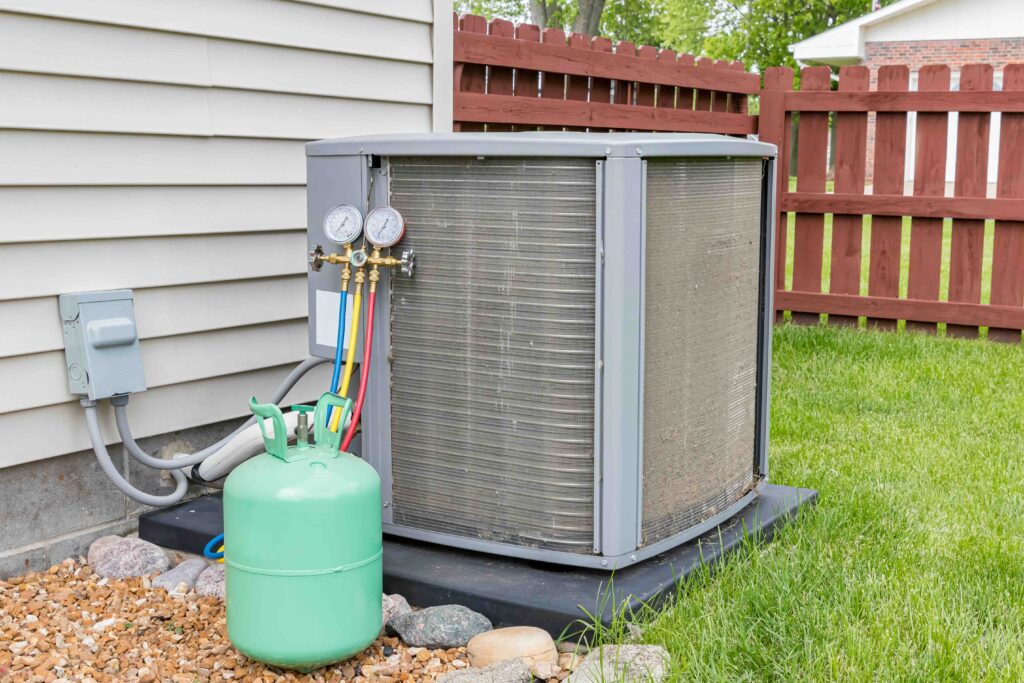
Understanding the HVAC system begins with its distinct components. The heating element often comprises a furnace or boiler which heats air or water through combustion, distributing it via ducts or radiators. The air conditioning component uses refrigerants to extract heat from indoor air, releasing it outside and circulating cooled air indoors. Ventilation, vital yet understated, ensures fresh air replaces indoor air, significantly affecting air quality, temperature, and moisture levels. Each component is managed by a thermostat device, allowing convenient control over temperature settings.
Key Advantages of HVAC Systems
The advantages of the HVAC system are numerous, starting with enhanced comfort that offers ideal temperatures all year round. Modern systems ensure energy efficiency, reducing utility costs while minimizing ecological footprints. The inclusion of air filtration systems traps allergens and particles, enhancing health and well-being. Furthermore, zoned systems allow users to set different temperatures in specific areas, increasing energy savings by not over-conditioning unoccupied spaces.
Common Drawbacks of HVAC Systems
Notwithstanding their benefits, HVAC systems come with certain challenges. Initial setup costs can be exorbitant, especially for higher-efficiency models. Regular maintenance is crucial, as neglect can lead to increased utility bills and potential breakdowns. Additionally, older HVAC systems might struggle to balance energy efficiency and indoor air quality, necessitating gradual upgrades to align with modern standards and consumer expectations. Homeowners must invest adequately to mitigate these drawbacks.
How to Maintain Your HVAC System
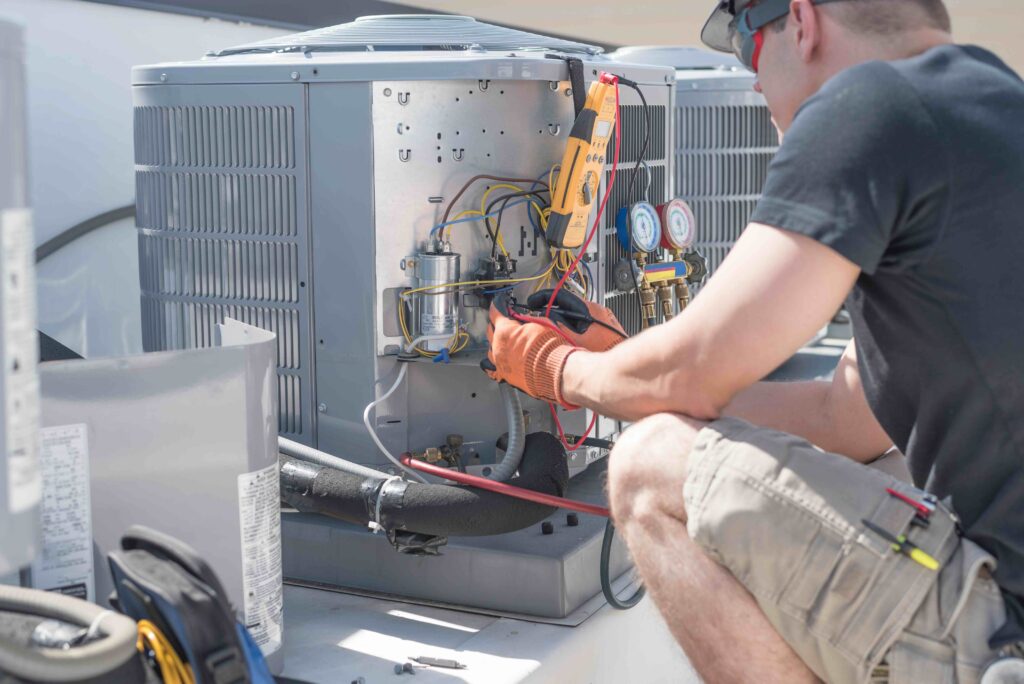
Regular maintenance is indispensable for optimal operation and longevity of your HVAC system. Simple practices include changing air filters every 1-3 months to prevent clogs and ensuring efficient air circulation. Scheduling annual professional inspections evaluates important components such as electrical connections, thermostat accuracy, and ductwork integrity. Cleaning of coils and fan motors enhances air flow and prevents system failures. Ensuring unobstructed vents maintains even coverage and efficiency.
Energy Efficiency and the Environment
Opting for an energy-efficient HVAC system is a cardinal step for environmentally-conscious homeowners. Modern systems boast higher Seasonal Energy Efficiency Ratio (SEER) ratings, using less electricity, while delivering superior performance. Transitioning to eco-friendly refrigerants mitigates ozone depletion and reduces your carbon footprint. Implementing smart thermostats and adopting energy-conserving habits can further amplify environmental and financial benefits, sustaining a more livable planet for future generations.
When to Consider a New HVAC System
Recognizing when to replace an older system is essential for efficiency and cost-effectiveness. Systems over 10-15 years old, experiencing frequent breakdowns, or escalating energy bills indicate it might be time to upgrade. Incorporating newer models with advanced features not only enhances comfort but aligns with energy efficiency standards, lowering operational costs and boosting property value. Proactively planning a replacement avoids surprises during extreme seasonal conditions.
Choosing Armadillo for Your Home Warranty Needs
Armadillo offers superior protection and peace of mind for homeowners looking to safeguard their HVAC systems and other key appliances. With tailored plans to suit diverse needs, Armadillo ensures reduced expenses and hassle incurring from unexpected repair costs. By choosing Armadillo, access expert support and comprehensive coverage for your home’s most vital systems. Explore our offerings today on our homepage and start your journey towards hassle-free living by initiating your plan through our sign-up process.