Understanding the Benefits and Drawbacks of Solar Panels for Homeowners
As a homeowner today, you possess a myriad of options for home improvement projects. Perhaps you’ve been considering the leap into renewable energy by installing solar panels. Solar energy is a compelling and sustainable option that many homeowners are exploring as an alternative to traditional electricity. This article will provide an authoritative overview of solar panels, how they operate, their advantages, and potential downsides. You’ll also find practical tips to help you make an informed decision regarding solar energy for your home.
What Are Solar Panels?
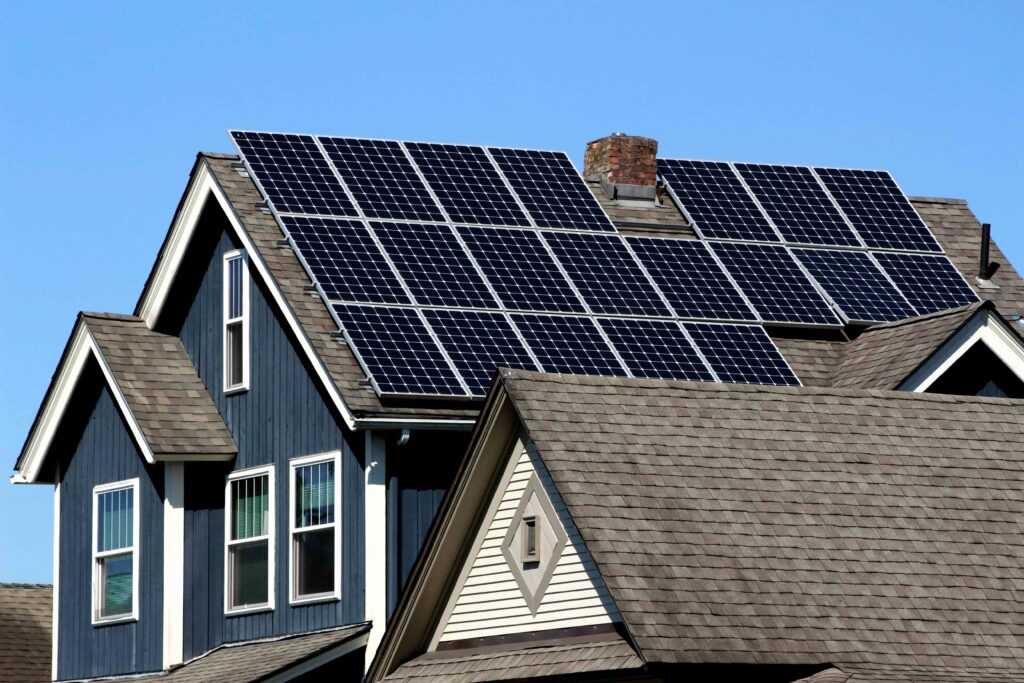
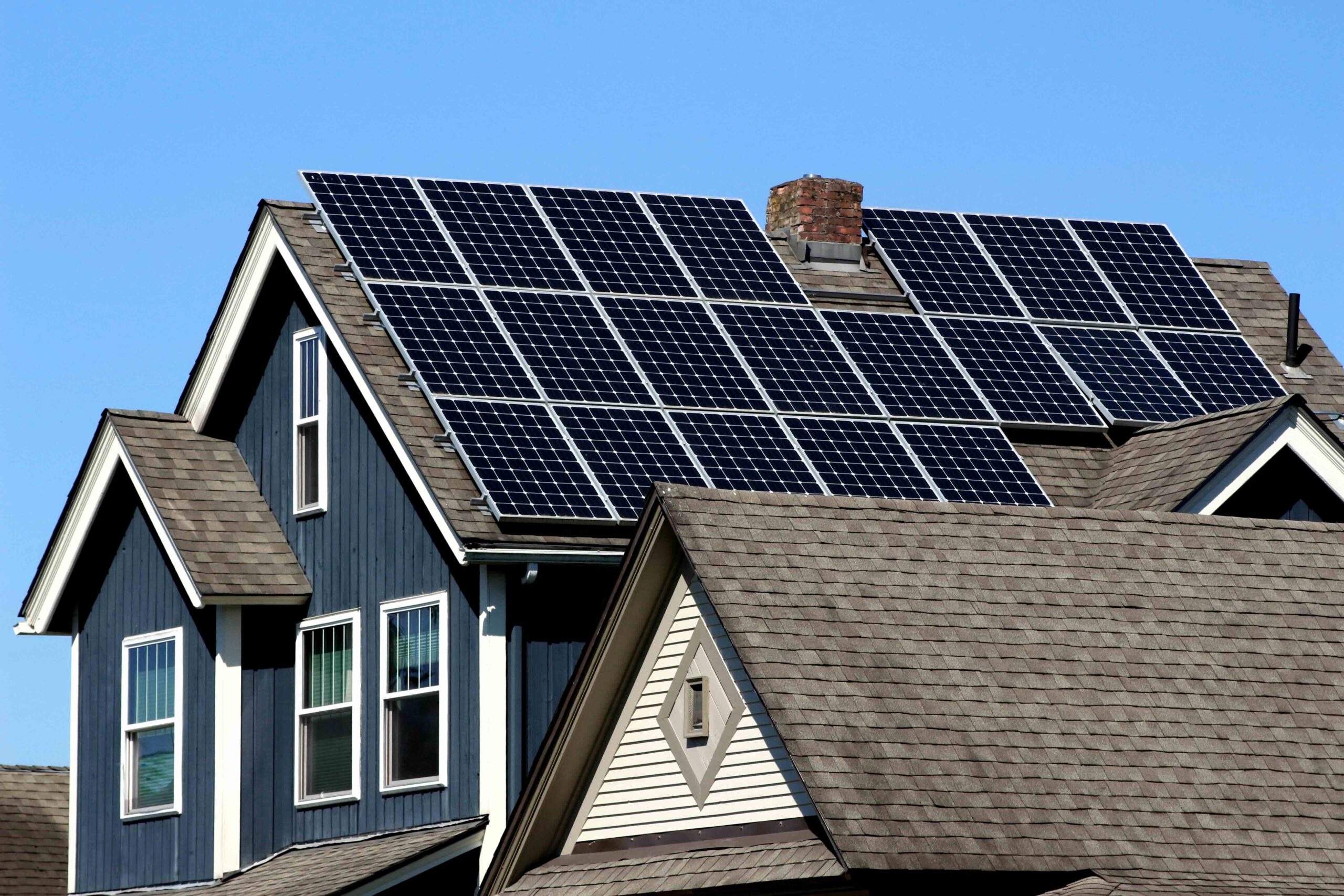
Solar panels, also known as photovoltaic (PV) panels, are devices designed to convert sunlight into electricity. This transformative technology leverages solar cells made primarily of silicon. When sunlight hits these cells, it stimulates the flow of electrons, creating an electric current. That electricity can then be used to power your home, stored into batteries for later use, or redirected back to the power grid. Solar energy systems often comprise multiple panels, strategically placed to harness maximum sunlight exposure, ensuring efficiency and optimal energy production.
How Do Solar Panels Work?
The operation of solar panels is both fascinating and straightforward. Solar cells within the panels contain semiconductor materials that possess unique properties, facilitating the photovoltaic effect. When sunlight, composed of photons, contacts the cells, it dislodges electrons from the atoms. The free-flowing electrons generate a direct current (DC) of electricity, which is converted by an inverter into alternating current (AC)—the type of electricity typically used by homes. The system also includes components to ensure the safety and reliability of electricity delivery, such as circuit breakers and monitoring devices for system performance.
Key Advantages of Installing Solar Panels
Opting for solar panels offers several compelling advantages. Firstly, solar energy is a renewable resource, meaning it doesn’t deplete the Earth’s natural resources or contribute to environmental degradation. This makes solar panels an eco-friendly choice, championing reduced carbon footprints. Additionally, over time, solar panels can substantially reduce or eliminate your electricity bills, translating into savings. Many governments encourage the use of solar energy through tax incentives and rebates, further offsetting installation costs. Lastly, solar panels can enhance the value of your property. Homes equipped with solar systems are generally more attractive to eco-conscious buyers.
Common Drawbacks of Solar Panels
Despite their benefits, solar panels come with a few drawbacks that warrant consideration. The initial cost of installation can be steep, though it may be mitigated by incentives and long-term savings. Additionally, solar panels’ energy production is contingent upon sunlight availability, which means cloudy or shady environments may not yield optimal results. This impacts both day-to-day electricity generation and overall investment return. Furthermore, the aesthetics of solar installations can be a concern for some homeowners who prefer to maintain traditional roofing appearances. Maintenance and potential need for cleaning can impose additional considerations over time.
How to Decide if Solar Panels Are Right for You
Deciding on solar panels requires assessing several factors. Begin by analyzing your household energy consumption and parallel costs. Evaluate local sunlight exposure and shading conditions on your property. Consider seeking quotes from reputable solar installation companies, comparing system types, warranties, and maintenance contracts. Research local government incentives and financing options. A key part of the decision is aligning solar panel installations with long-term home ownership plans and energy goals. Ultimately, personal preferences and financial considerations will determine if solar is the right fit for your home.
Practical Tips for Homeowners Considering Solar Panels
If you’re leaning towards solar energy, it’s advantageous to conduct an energy audit. Identify areas to improve home energy efficiency as a precursor to installation. Obtain multiple quotes and be thorough in contractor vetting to ensure quality workmanship. Keep abreast of emerging technologies and electrical standards. Understand the warranty framework accompanying your solar investment. Monitoring systems may also provide helpful data insights into usage patterns and panel performance. Remember, successful solar utilization is a combination of strategic purchasing decisions and diligent project management.
Why Choose Armadillo for Your Home Warranty?
Embracing solar energy is a significant home improvement venture. Complement your investment with a robust home warranty plan. At Armadillo, we offer tailored warranties that address your unique needs. Our comprehensive coverage includes safeguards that can protect your home from unforeseen repair and maintenance costs, thus securing your investments for years to come. Our solution-driven approach ensures you’re supported every step of the way. Explore Armadillo for more information, or initiate your coverage journey today. With us, your home’s energy future is in capable hands.