Why Your 20 Amp Circuit Breaker Keeps Tripping — And What It Means for Your Home
There you are, mid-task — maybe running the microwave, maybe using a power tool in the garage — and suddenly, everything goes dark or dead. You already know what happened. The breaker tripped again. And if this is becoming a regular occurrence on a 20 amp circuit, it is more than just a nuisance. It is your electrical system sending a very clear message that something needs attention. Understanding why this happens, what it means, and when it becomes a covered event under your home warranty can save you time, money, and a lot of frustration.
What a 20 Amp Circuit Breaker Actually Does
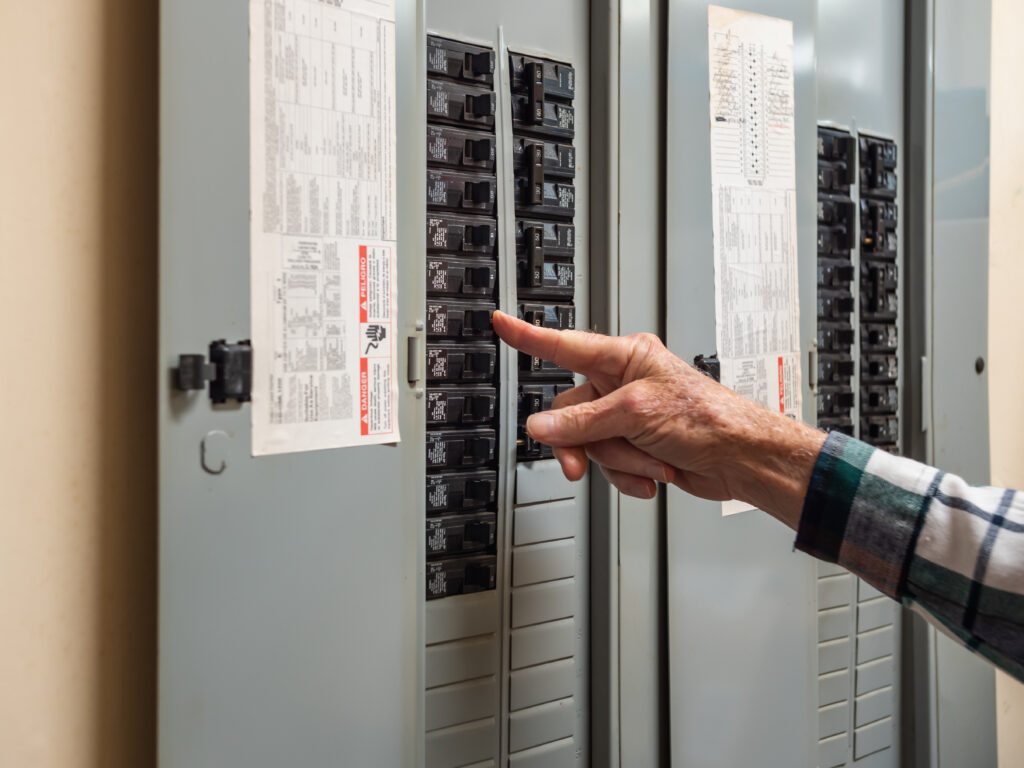
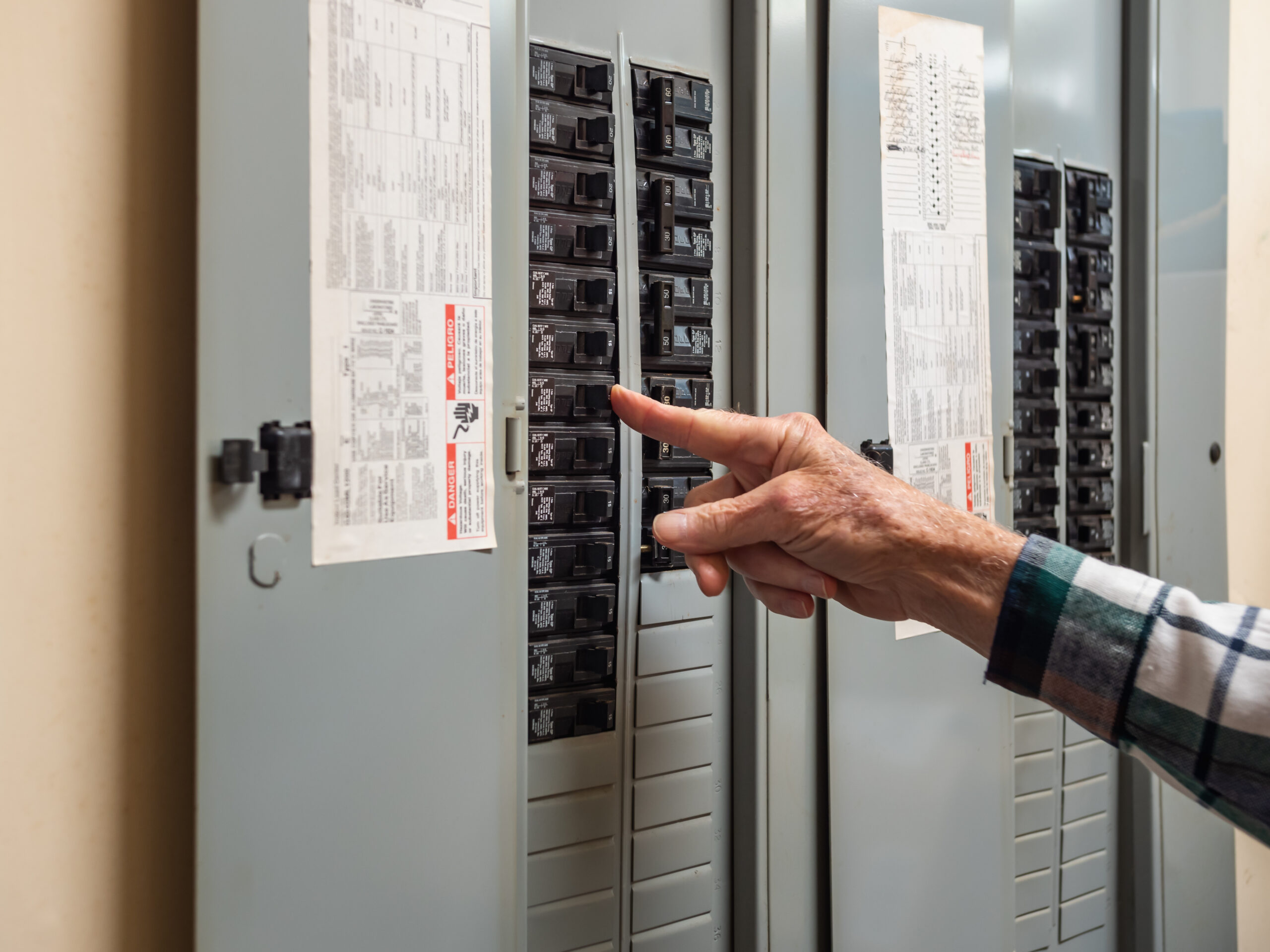
A circuit breaker is a protective device built into your home’s electrical panel. Its job is straightforward: monitor the flow of electricity through a specific circuit and cut the power if that flow exceeds a safe threshold. A 20 amp breaker is designed to handle up to 20 amps of electrical current before tripping. These circuits are typically found in kitchens, bathrooms, laundry rooms, garages, and anywhere that higher-draw appliances are used regularly. The breaker itself does not create the problem — it responds to one. That distinction matters a lot when diagnosing what is actually going wrong.
The Most Common Reasons a 20 Amp Breaker Trips
There are three primary causes behind a tripping circuit breaker, and knowing the difference between them can help you respond appropriately. Each one has different implications for safety and repair.
- Overloaded circuit: Too many devices are drawing power simultaneously from the same circuit, exceeding the 20 amp limit.
- Short circuit: A hot wire comes into direct contact with a neutral wire, causing a sudden surge of current. This is often indicated by a burning smell or visible scorch marks.
- Ground fault: A hot wire touches a ground wire or a grounded surface, creating an unintended path for electricity. Ground faults are especially dangerous in wet areas.
- Faulty breaker: The breaker itself is worn or defective and trips even under normal load conditions.
- Wiring issues: Loose connections, damaged insulation, or outdated wiring can all contribute to repeated tripping.
Understanding Grounding and Why It Matters
Grounding is one of those electrical concepts that gets mentioned often but is rarely explained well. In simple terms, a grounded electrical system provides a safe path for excess electricity to travel — usually into the earth — rather than through a person or appliance. Every properly wired outlet in your home should have three prongs: hot, neutral, and ground. The grounding wire acts as a safety release valve. When something goes wrong and electricity strays from its intended path, the ground wire redirects it safely. When a ground fault occurs on a 20 amp circuit, the breaker trips because the current is flowing somewhere it should not. That trip is not the system failing — it is the system working exactly as intended to protect your home and your family.

How to Identify if Your Circuit Is Overloaded
An overloaded circuit is the most common reason a 20 amp breaker trips, and it is also the most manageable. If the breaker trips when multiple appliances run at the same time — say, a microwave and a toaster on the same kitchen circuit — that is a strong signal of overload. You can estimate the load by adding up the wattage of all devices on the circuit and dividing by 120 volts to get the approximate amperage. If that number consistently exceeds 16 amps, which is the safe working load of a 20 amp circuit, you are pushing into risky territory. Redistributing devices to other circuits or adding a dedicated circuit for high-draw appliances are both practical solutions worth exploring with a licensed electrician.
When a Tripping Breaker Signals a Bigger Problem
Repeated tripping on the same circuit is not something to reset and ignore. If you are resetting your 20 amp breaker more than once in a short period, especially without an obvious cause like running too many appliances, the issue could be deeper. Damaged wiring inside walls, deteriorating insulation, a failing appliance creating an internal fault, or even a compromised breaker panel can all be responsible. Some of these issues escalate into fire hazards if left unaddressed. A breaker that trips immediately after being reset, trips under minimal load, or feels warm to the touch is a clear sign that a licensed electrician needs to evaluate the circuit as soon as possible.
Key Advantages of Having Properly Functioning Circuit Protection
It is worth pausing here to appreciate what a properly functioning 20 amp circuit breaker system actually does for your home. Circuit protection is one of the most underappreciated safety systems in any residence. When the system works as intended, it prevents electrical fires caused by overheating wires, protects expensive appliances from damage due to power surges, reduces the risk of electrical shock, and helps maintain the overall integrity of your home’s wiring. The National Fire Protection Association consistently cites electrical failures and malfunctions as one of the leading causes of residential fires in the United States. A breaker that trips is, in most cases, a breaker that is doing its job — even when it is inconvenient.
Common Drawbacks and Limitations Homeowners Should Know
Circuit breakers are reliable, but they are not infallible. Understanding their limitations helps homeowners make smarter decisions about electrical maintenance and upgrades.
- Breakers age and can become less sensitive or fail to trip when they should, which is actually more dangerous than tripping too often.
- Older homes may have panels with outdated breaker technology that does not meet current safety standards.
- A breaker that trips often may simply be undersized for the circuit’s actual demand, requiring a panel upgrade rather than a simple reset.
- GFCI and AFCI breakers, which offer additional protection against ground faults and arc faults respectively, are now code-required in many areas but may not be present in older homes.
Practical Tips for Homeowners Dealing With a Tripping Breaker
If your 20 amp breaker keeps tripping, there are several steps you can take before calling a professional. First, identify which circuit is affected and unplug or turn off every device connected to it. Then reset the breaker by firmly switching it to the off position before turning it back on. Gradually restore devices one at a time to see if a specific appliance is triggering the trip. If the breaker holds with fewer devices running, you likely have an overload situation. If it trips immediately or shortly after being reset with minimal load, the issue is likely a short circuit, ground fault, or faulty breaker, all of which require professional diagnosis. Never attempt to replace a breaker or open your electrical panel without proper training and knowledge of local electrical codes.
Why Armadillo Home Warranty Has You Covered When Electrical Problems Strike
Electrical issues can surface at the most inconvenient times, and the repair costs can be surprisingly significant once a licensed electrician is involved. That is exactly where having the right home warranty plan changes the conversation entirely. Armadillo home warranty coverage for electrical systems and circuit breakers is built to protect homeowners from those unexpected repair costs that come with everyday system failures. When your 20 amp breaker keeps tripping because of a covered wiring issue or a faulty breaker component, you should not have to absorb the full cost out of pocket. Armadillo makes it simple to understand what is covered, get a technician dispatched, and move forward without the financial stress. If you have been dealing with recurring electrical issues and want real protection in place before the next trip, take a moment to get a personalized home warranty quote for electrical system protection and see exactly what coverage is available for your home.

Frequently Asked Questions About 20 Amp Circuit Breakers Tripping
These are some of the most common questions homeowners ask when dealing with a tripping 20 amp circuit breaker.
Why does my 20 amp circuit breaker keep tripping even with nothing plugged in?
If a 20 amp breaker trips with nothing connected, the breaker itself may be faulty, or there could be a wiring issue such as a short circuit or ground fault somewhere within the circuit’s wiring that exists independent of connected devices. A licensed electrician should inspect the circuit.
Is it safe to just keep resetting a tripping circuit breaker?
Resetting a breaker once to restore power is acceptable, but repeatedly resetting a tripping breaker without identifying the root cause is not safe. Frequent resets without investigation can mask a serious issue like a short circuit or failing wiring that could lead to a fire.
What is the difference between a short circuit and a ground fault?
A short circuit occurs when a hot wire contacts a neutral wire, creating an unintended low-resistance path for current. A ground fault occurs when a hot wire contacts a ground wire or grounded surface. Both cause a breaker to trip, but ground faults are particularly hazardous in wet environments like kitchens and bathrooms.
How many amps can I safely run on a 20 amp circuit?
The National Electrical Code recommends that a circuit should not be loaded beyond 80 percent of its rated capacity for continuous use. For a 20 amp circuit, that means a safe continuous load of approximately 16 amps under sustained use.
Can a bad appliance cause a circuit breaker to trip?
Yes. A failing appliance with an internal short circuit or damaged wiring can cause a 20 amp breaker to trip repeatedly. Unplugging each device one at a time and monitoring whether the breaker holds is an effective way to isolate the problem appliance.
Does a home warranty cover circuit breaker issues?
Many home warranty plans include coverage for electrical systems, which can encompass circuit breakers and internal wiring failures. Coverage specifics vary by provider and plan, so reviewing the terms of your policy is essential to understanding what qualifies as a covered repair.
What is a GFCI breaker and do I need one?
A GFCI, or ground fault circuit interrupter, breaker provides enhanced protection against ground faults by detecting even small current imbalances and tripping the circuit immediately. Current building codes require GFCI protection in kitchens, bathrooms, garages, and outdoor circuits. Older homes may not have them and should be evaluated by an electrician.
How do I know if my electrical panel needs to be upgraded?
Signs that a panel upgrade may be necessary include frequently tripping breakers, breakers that feel warm or show visible damage, a panel that is more than 25 to 30 years old, the use of fuses instead of breakers, or an inability to add new circuits to meet the home’s electrical demand.
Can I replace a 20 amp breaker myself?
Replacing a circuit breaker involves working inside an electrical panel where live voltage is always present, even when the main breaker is off. This type of work carries serious risk of electrical shock and should only be performed by a licensed electrician who understands local codes and safe panel work procedures.
How long do circuit breakers typically last?
Circuit breakers are generally rated to last between 30 and 40 years under normal conditions, though they can fail earlier due to repeated tripping, heat exposure, or manufacturing defects. A breaker that trips frequently or fails to hold after being reset may be nearing the end of its service life and should be tested or replaced by a professional.