
What Is an Air Conditioner Tune-Up and Why Does It Matter?
Most homeowners think about their air conditioner exactly twice a year — when they turn it on for the first time in summer and when they get the utility bill afterward. That gap in attention is where problems quietly grow. An air conditioner tune-up is a scheduled maintenance service performed by an HVAC technician who inspects, cleans, and adjusts the core components of your cooling system to make sure everything is running the way it should. It is not a repair visit. It is a preventive one. And that distinction matters more than most people realize.
How an A/C Tune-Up Actually Works
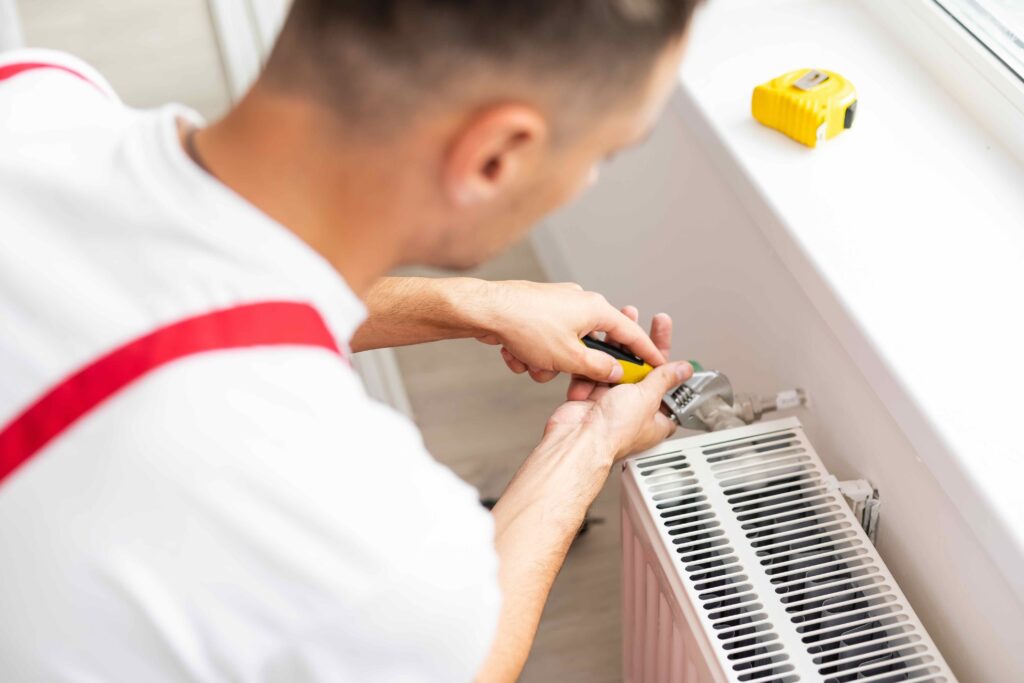
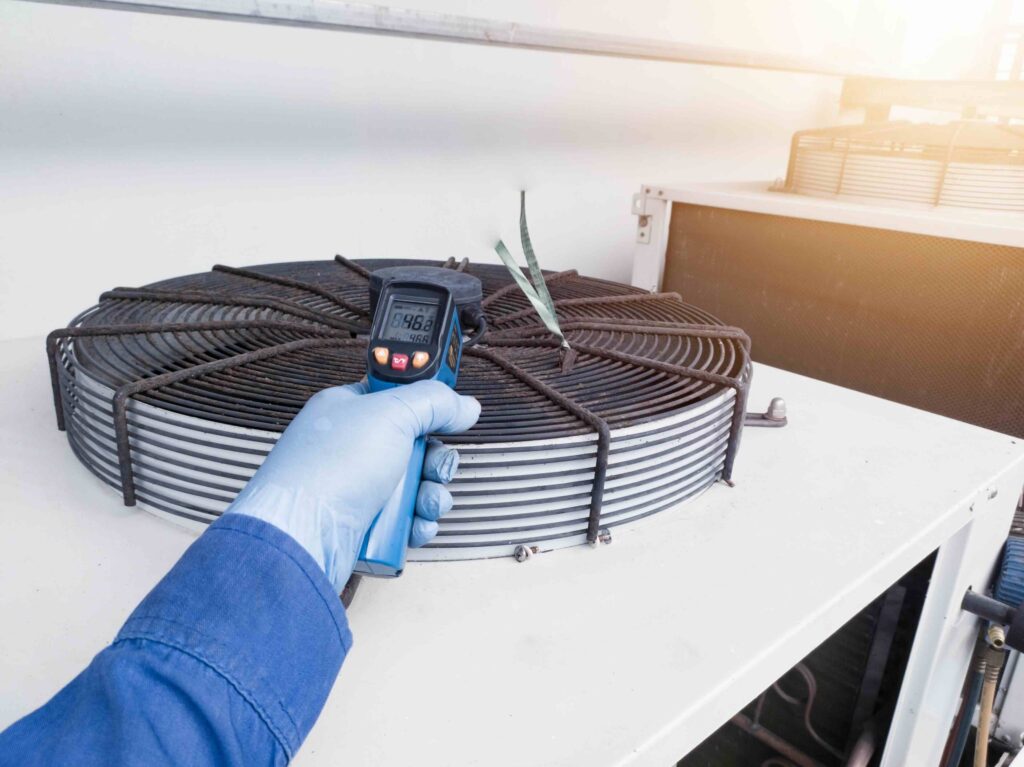
When a qualified technician shows up for a tune-up, they are working through a detailed checklist that covers the mechanical, electrical, and airflow components of your system. The process typically begins with a visual inspection of the entire unit, inside and out. From there, the technician checks refrigerant levels, inspects the evaporator and condenser coils, examines the blower motor and belts, tests electrical connections and voltage, cleans the condensate drain line, lubricates moving parts, and evaluates the thermostat for accuracy. If the air filter has not been recently replaced, that gets addressed too. What looks like a straightforward visit is actually a fairly comprehensive assessment of your system’s health — one that catches small issues before they turn into expensive failures mid-July.
The Core Components Inspected During a Tune-Up
Understanding what gets checked helps homeowners appreciate why this service is worth scheduling annually. A standard A/C tune-up checklist typically covers the following areas:
- Thermostat calibration and operation
- Air filter condition and replacement if needed
- Evaporator coil cleanliness and refrigerant charge
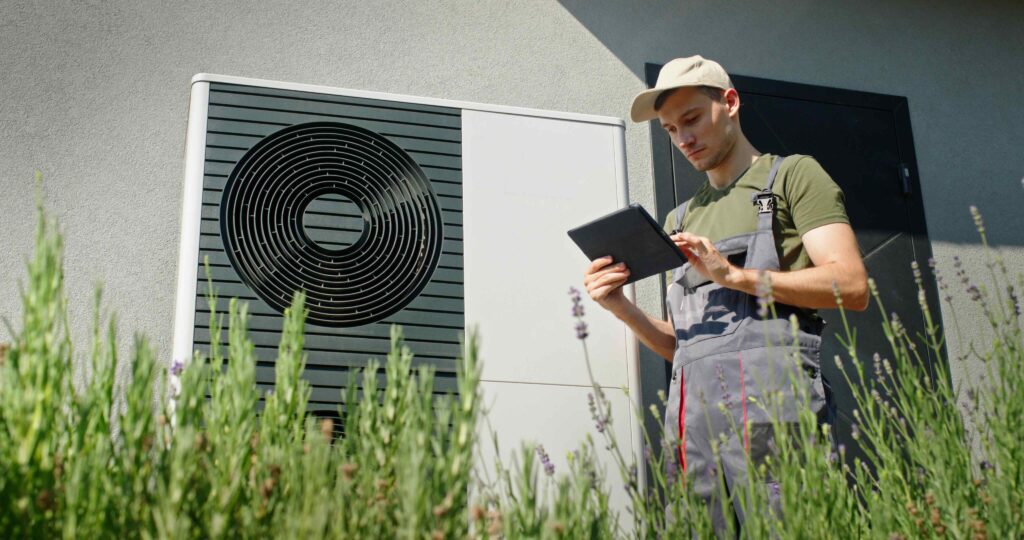
- Condenser coil and outdoor unit inspection
- Electrical components including capacitors, contactors, and wiring
- Blower motor function and belt condition
- Condensate drain line for blockages
- Refrigerant levels and leak detection
- Overall system performance and airflow measurement
Each item on that list plays a specific role in keeping your system efficient and reliable. Skipping one area is like skipping a step on a ladder — it might be fine, or it might not be.

Key Benefits of Scheduling Regular A/C Maintenance
The advantages of a tune-up go well beyond just keeping the air cold. A properly maintained air conditioner runs more efficiently, which directly impacts your monthly energy costs. When coils are dirty, refrigerant is low, or airflow is restricted, the system works harder to reach the same temperature setpoint — and that extra effort shows up on your electric bill. Regular maintenance also extends the lifespan of the unit. The average central air conditioner lasts between 15 and 20 years when properly cared for. Neglect that same unit and you could be looking at replacement a decade earlier. On top of that, routine tune-ups improve indoor air quality by keeping components clean and ensuring the system is not circulating dust, mold, or debris through your home’s ductwork.
How Often Should You Schedule an A/C Tune-Up?
The general recommendation from HVAC professionals is once per year, ideally in the spring before the cooling season begins. That timing gives the technician a chance to catch any issues before the system is running full-time during peak summer heat. If your home also has a heat pump — which provides both heating and cooling — twice-annual service is worth considering. Homeowners in climates where the A/C runs nearly year-round may also benefit from more frequent checkups simply due to the volume of hours the system accumulates. Age matters too. Older systems tend to need more attention, and staying on top of maintenance becomes more critical the closer a unit gets to the end of its expected service life.
Common Drawbacks and Limitations to Be Aware Of
A tune-up is not a cure-all, and it is worth setting realistic expectations. If a component is already failing, a maintenance visit might identify it, but it will not fix it for free. Repairs are separate from tune-up service and come with their own costs. Some technicians will upsell services or products during a tune-up visit that may not be strictly necessary, so it helps to work with a reputable contractor and understand what is included in the service before they arrive. Tune-ups also do not address ductwork issues, insulation problems, or airflow imbalances caused by the home’s design. Those are separate evaluations. Finally, a tune-up performed on a very old or heavily worn system may still not prevent a breakdown — at some point, replacement becomes the more economical path forward.
DIY Maintenance vs. Professional Tune-Ups
There are things homeowners can and should do on their own between professional visits. Changing the air filter every one to three months is the single most impactful thing a homeowner can do to support their system’s performance. Keeping the outdoor condenser unit clear of debris, leaves, and overgrown vegetation also makes a real difference. Checking that vents throughout the home are open and unobstructed helps maintain proper airflow. What homeowners should not attempt on their own includes anything involving refrigerant, electrical components, or internal mechanical parts. Those tasks require licensing, specialized tools, and training. The value of a professional tune-up lies in the technical depth of the inspection — it covers the areas that most homeowners simply cannot access or evaluate safely.
What a Tune-Up Costs and Whether It Is Worth It
The average A/C tune-up runs between $75 and $200, depending on your region, the size of your system, and the contractor you hire. Some HVAC companies offer maintenance plans that bundle annual tune-ups with priority scheduling and discounts on repairs, which can be a smart option for homeowners who want consistent coverage. When you consider that a refrigerant recharge alone can cost several hundred dollars, or that a compressor replacement can exceed $1,500, a $150 tune-up starts to look like a very reasonable investment. The math makes sense. Preventive maintenance is almost always less expensive than reactive repair — and significantly less expensive than emergency repair during a heat wave when every HVAC contractor in the area has a three-day waitlist.
How Home Warranty Coverage Connects to A/C Maintenance
This is the part that trips up a lot of homeowners. A home warranty plan can cover the cost of repairing or replacing your air conditioning system when it breaks down due to normal wear and tear — but most plans require that the homeowner has kept the system reasonably maintained. Skipping annual tune-ups can, in some cases, create grounds for a claim denial if the breakdown is attributed to neglect. That means staying current on maintenance is not just good practice for your system — it also protects your ability to use your home warranty coverage when you need it most. Keeping records of your tune-up visits, including receipts and service notes from the technician, is a smart habit that provides documentation if a claim ever comes into question.
If your air conditioner breaks down after you have done everything right — scheduled the tune-ups, changed the filters, kept up with the basics — you want a home warranty that actually shows up for you. Armadillo home warranty plans for central air conditioning systems are built around exactly that kind of reliability. There are no confusing exclusion lists or surprise denials for homeowners who have maintained their systems properly. And getting started does not require a phone call or a sales pitch. You can get a fast online quote for A/C coverage and home warranty protection in just a few minutes, right from your zip code. For a system as essential as your air conditioner, that kind of straightforward protection is worth having in place before anything goes wrong.

Frequently Asked Questions About A/C Tune-Ups
Answers to the questions homeowners ask most often about air conditioner maintenance, tune-ups, and what to expect from the process.
What is included in a standard air conditioner tune-up?
A standard tune-up includes inspection and cleaning of the evaporator and condenser coils, checking refrigerant levels, testing electrical components and connections, lubricating moving parts, clearing the condensate drain line, evaluating thermostat accuracy, and assessing overall system airflow and performance.
How often should an air conditioner be tuned up?
Most HVAC professionals recommend scheduling a tune-up once per year, ideally in spring before the cooling season begins. Heat pump systems, which run year-round, benefit from twice-annual service.
Can I lose my home warranty coverage if I skip A/C maintenance?
Yes, it is possible. Many home warranty providers include language requiring that covered systems be reasonably maintained. A breakdown tied to documented neglect — such as years without service — can result in a denied claim. Keeping tune-up records helps protect your coverage.
What is the difference between an A/C tune-up and an A/C repair?
A tune-up is a preventive maintenance service designed to keep a functioning system running efficiently. A repair addresses a specific component that has failed or is malfunctioning. A tune-up may identify the need for a repair, but the two services are billed separately.
How much does an air conditioner tune-up typically cost?
The average cost ranges from $75 to $200, depending on your location, the contractor, and the size of your system. Some companies offer annual maintenance plans that include the tune-up as part of a broader service agreement.
What happens if refrigerant is low during a tune-up?
If refrigerant is found to be low, the technician will typically check for leaks first. Adding refrigerant without addressing a leak is a temporary fix. Refrigerant recharge is a separate service from the tune-up itself and will come at an additional cost.
Is spring the best time to schedule an A/C tune-up?
Yes, spring is the most recommended time because it allows any identified issues to be resolved before the system runs continuously during summer. HVAC contractors also tend to have more availability in spring compared to the peak summer season.
Can a tune-up improve my energy bills?
A properly maintained air conditioner runs more efficiently than a neglected one. Clean coils, correct refrigerant charge, and unrestricted airflow all reduce the energy required to cool your home, which translates directly into lower monthly utility costs.
Do new air conditioners still need annual tune-ups?
Yes. Even a brand-new system benefits from annual maintenance to catch installation-related issues, ensure the system is calibrated correctly, and maintain any manufacturer warranty requirements. Starting maintenance early also establishes good habits and a documented service history.
What should I do between professional tune-up visits?
Replace the air filter every one to three months, keep the outdoor condenser unit clear of debris and vegetation, make sure all indoor vents are open and unobstructed, and monitor the system for any unusual sounds, odors, or performance changes that might indicate a developing issue.