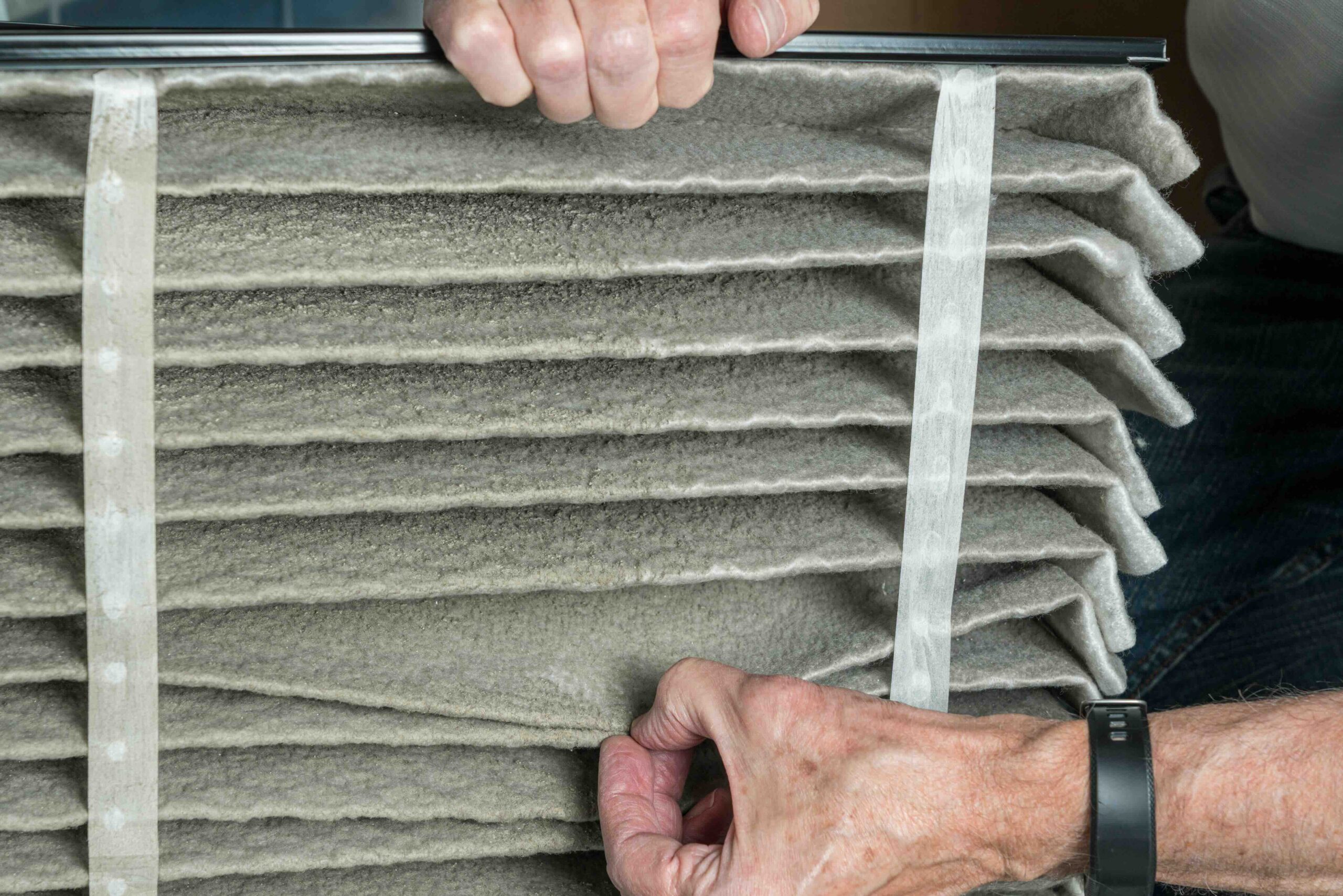
What Homeowners Need to Know About AC and Furnace Replacement
Few things in a home demand your attention quite like a failing HVAC system. When the air conditioner stops cooling in July or the furnace gives out mid-January, the urgency is immediate and the costs can be significant. Replacing an AC unit or furnace is one of the largest home improvement investments a homeowner will face, and doing it with accurate, grounded information makes all the difference. This guide breaks down everything from how these systems actually work to what replacement really costs, and why a home warranty might be the smartest layer of financial protection you can add before something breaks.
How Your AC and Furnace Actually Work
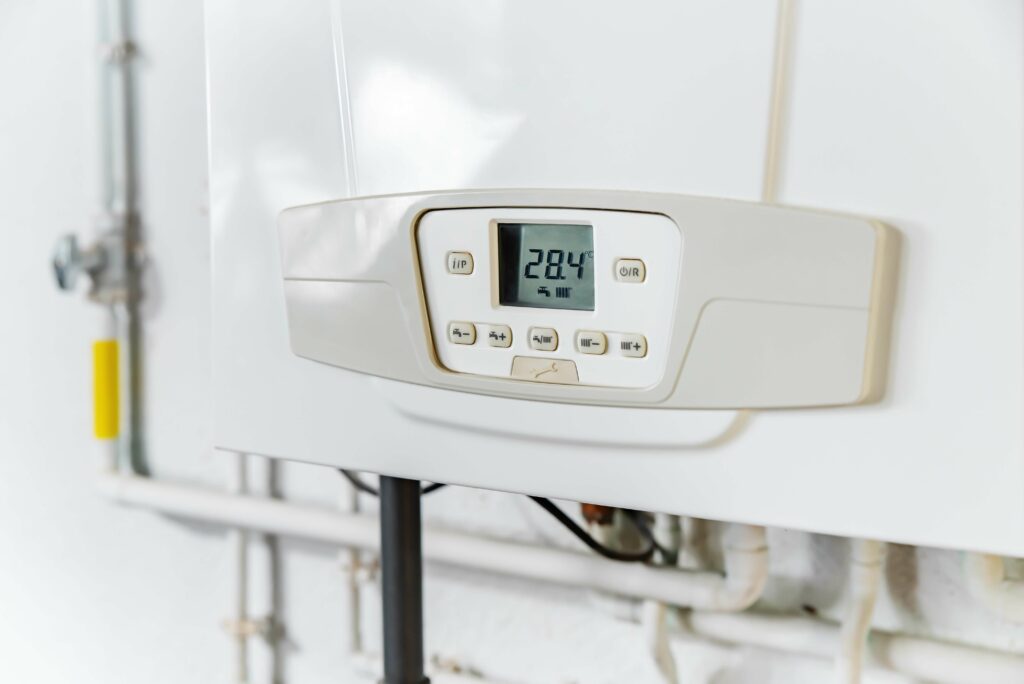
Most homes rely on a split HVAC system, which means the cooling and heating components are separate units that share the same ductwork and thermostat. The air conditioner uses a refrigerant cycle to pull heat from indoor air and release it outside, while a blower fan circulates the cooled air through the ducts. The furnace, typically powered by natural gas, propane, oil, or electricity, generates heat through combustion or electrical resistance and then pushes that warm air through the same duct system. The two systems work independently but rely on shared infrastructure, which is why replacing both at the same time often makes financial and logistical sense. Understanding this baseline helps when you are talking to contractors and reviewing quotes, because you will recognize what is actually being discussed.
Average Lifespan and When Replacement Becomes Necessary
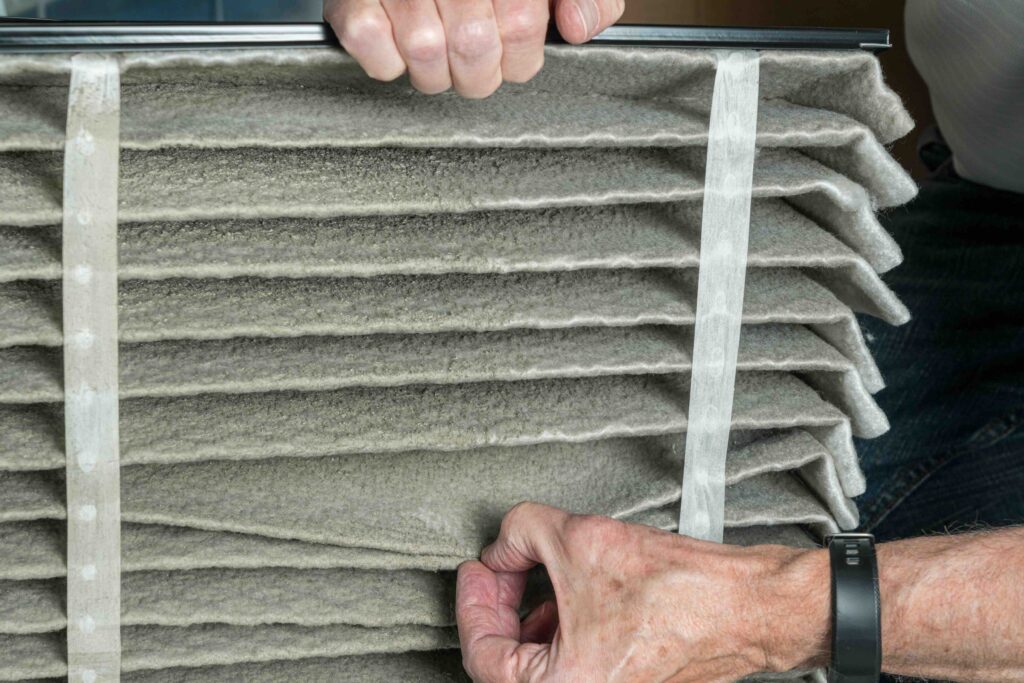
Central air conditioners typically last between 15 and 20 years, while gas furnaces often run for 20 to 30 years with consistent maintenance. Those numbers assume regular filter changes, annual tune-ups, and prompt attention to minor repairs. When a system starts approaching the end of its expected lifespan, the calculus shifts. Repair costs become harder to justify when you are sinking money into a system that has one foot out the door. A common industry guideline is the 50 percent rule: if a repair costs more than 50 percent of the unit’s replacement value, replacement is usually the smarter financial move. Signs that replacement is likely overdue include uneven heating or cooling throughout the home, rising energy bills without a clear explanation, frequent cycling on and off, unusual sounds like banging or rattling, and a system that simply cannot keep up with demand on extreme weather days.
What AC and Furnace Replacement Actually Costs
Costs vary based on unit size, efficiency rating, brand, and local labor rates, but here is a general picture of what homeowners typically encounter. A standard central air conditioner replacement runs between $3,800 and $7,500 installed, while higher-efficiency models or larger homes can push that figure above $10,000. Furnace replacement generally falls between $2,500 and $6,000 installed, depending on fuel type and unit capacity. Replacing both systems at the same time often carries a modest discount on labor since technicians can complete the work in a single visit. These are not small numbers, and they catch many homeowners completely off guard, which is exactly why planning ahead matters so much.

Key Advantages of Upgrading to a New HVAC System
A new AC and furnace are not just replacements for something broken. They represent a meaningful upgrade in how your home performs on a daily basis. Modern systems operate at significantly higher efficiency ratings than equipment manufactured even ten years ago. A furnace with an AFUE rating of 96 percent wastes very little fuel compared to an older 80 percent unit, and high-efficiency air conditioners carry SEER2 ratings that translate directly into lower monthly electricity costs. Beyond efficiency, newer systems offer quieter operation, improved air filtration, better humidity control, and compatibility with smart thermostats. Homeowners also benefit from manufacturer warranties on new equipment, typically five to ten years on parts and sometimes longer on heat exchangers. That coverage, combined with a home warranty, creates a strong protective layer around one of the home’s most critical systems.
Common Drawbacks and Challenges to Plan For
Replacement is not without its complications. Installation quality varies widely between contractors, and a poorly installed system will underperform regardless of how good the equipment is. Choosing the wrong size unit is one of the most common and costly mistakes, where an oversized system short-cycles and an undersized one never fully meets demand. There may also be additional costs beyond the unit itself, including duct modifications, electrical panel upgrades, new refrigerant line sets, or permit fees depending on local regulations. Supply chain delays and contractor availability can also push timelines out, which matters when you are dealing with a failed system in extreme weather. Going in with a clear understanding of these potential complications means fewer surprises at the end of the job.
Efficiency Ratings Explained Simply
Shopping for HVAC equipment comes with a short alphabet of efficiency terms worth knowing. For air conditioners, SEER2 stands for Seasonal Energy Efficiency Ratio and reflects how efficiently a unit cools over a typical season. Higher numbers mean better efficiency, and current federal minimums require at least SEER2 13.4 in northern states and 14.3 in the south. For furnaces, AFUE stands for Annual Fuel Utilization Efficiency and expresses as a percentage how much of the fuel consumed is converted into usable heat. Standard efficiency furnaces run around 80 percent AFUE, while high-efficiency condensing furnaces can reach 96 to 98 percent. The upfront cost difference between standard and high-efficiency equipment is real, but for homeowners planning to stay in a property long term, the energy savings typically offset that gap within a few years.
Tips for Choosing the Right Contractor
The contractor you hire matters as much as the equipment you buy. Here are the most important things to look for when vetting HVAC companies for a replacement project:
- Verify that the contractor holds a valid state license for HVAC work and carries both liability insurance and workers compensation coverage.
- Ask for a Manual J load calculation, which is the industry-standard method for determining the correct system size for your specific home.
- Get at least three written quotes that itemize equipment, labor, permits, and any additional materials separately.
- Check reviews across multiple platforms and ask for references from recent replacement jobs rather than just general service calls.
- Confirm that the contractor will pull the necessary permits and schedule any required inspections, since skipping this step can create problems when you sell the home.
How Home Warranties Factor Into AC and Furnace Coverage
A home warranty is a service contract that covers the repair or replacement of home systems and appliances when they break down due to normal wear and use. For HVAC systems specifically, a home warranty can be the difference between a manageable situation and a financial emergency. When a covered AC or furnace fails, the homeowner pays a service fee rather than absorbing the full cost of repair or replacement out of pocket. Most home warranty plans that include HVAC coverage will address mechanical failures in the compressor, fan motors, electrical components, and other internal parts. Coverage limits and what qualifies as a covered failure vary by provider, so reading the details of any contract carefully is essential before signing.

Why Armadillo Is the Right Partner for HVAC Protection
When your furnace or air conditioner is aging, or you have just invested in a new system and want to protect that investment beyond the manufacturer warranty, Armadillo is built to be the coverage layer that actually makes sense. Armadillo was designed with homeowners in mind, not just the fine print. The plans are straightforward, the service process is transparent, and the focus is on getting your home back to functioning without unnecessary friction. If you are looking for home warranty coverage that includes central air and heating systems, Armadillo offers plans structured to address the HVAC failures that hit hardest and cost the most. You can take a few minutes right now and get a personalized home warranty quote for AC and furnace protection without any sales pressure or confusing jargon. For a system as critical as your HVAC, having the right protection in place before something fails is always the smarter move.
Frequently Asked Questions About AC and Furnace Replacement
Below are answers to the questions homeowners ask most often when facing an AC or furnace replacement decision.
How do I know if my AC or furnace needs to be replaced rather than repaired?
If the repair cost exceeds 50 percent of the system’s replacement value, or if the unit is approaching the end of its expected lifespan and experiencing repeated failures, replacement is typically the more cost-effective path forward.
How long does it take to replace a furnace or air conditioner?
Most standard HVAC replacements are completed within one day. More complex installations involving duct modifications or electrical upgrades may extend the timeline to two days.
Should I replace my AC and furnace at the same time?
If both units are near the end of their lifespan, replacing them together often reduces total labor costs and ensures the systems are properly matched for optimal efficiency and performance.
What size AC or furnace do I need for my home?
Sizing is determined by a Manual J load calculation, which accounts for your home’s square footage, insulation levels, window placement, and climate zone. Never allow a contractor to size equipment based on square footage alone.
Does a home warranty cover AC and furnace replacement?
Many home warranty plans cover repair and replacement of HVAC components that fail due to normal wear and use. Coverage limits and specific terms vary by provider and plan, so reviewing the contract details is important.
What is the most energy-efficient type of furnace available?
Condensing gas furnaces with AFUE ratings between 96 and 98 percent represent the highest efficiency option in conventional forced-air heating. Heat pumps can also be highly efficient depending on climate conditions.
How much can I expect to save on energy bills after replacing an older HVAC system?
Homeowners who replace a system that is 15 or more years old with a high-efficiency unit often see energy bill reductions between 20 and 40 percent, depending on prior system condition and local utility rates.
Are there tax credits available for installing a new high-efficiency furnace or AC?
Yes, the federal Inflation Reduction Act includes tax credits for qualifying high-efficiency HVAC equipment installations. Consulting a tax professional and reviewing current IRS guidelines will give you the most accurate information for your situation.
What maintenance is required after installing a new AC or furnace?
Annual professional tune-ups, regular filter replacements every one to three months, and keeping the outdoor condenser unit clear of debris are the core maintenance tasks that protect system performance and longevity.
Does replacing my HVAC system increase my home’s value?
A new HVAC system is a meaningful selling point for prospective buyers and can positively influence home valuations, particularly when the existing system is visibly aging or has documented repair history.