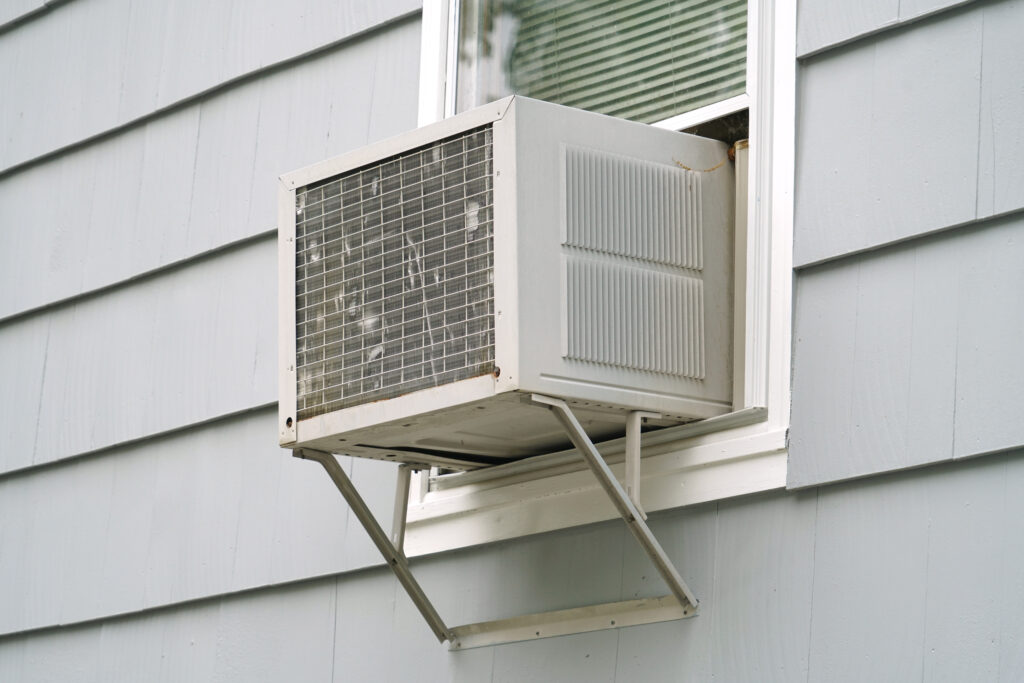
What Is Air Conditioner Condensation and Why Does It Matter?
If you have ever noticed water pooling around your indoor AC unit or dripping near your air handler, you have witnessed air conditioner condensation firsthand. It is one of those things that looks alarming but is actually a normal byproduct of how your cooling system operates. That said, normal does not mean harmless. When condensation is managed correctly, it quietly does its job and disappears. When it is not, the results can be expensive and messy in ways that homeowners rarely see coming.
How Air Conditioners Actually Produce Water
Here is a quick walk through the science without getting too deep into thermodynamics. Your air conditioner does not just cool air, it also dehumidifies it. Warm air from inside your home is pulled across a set of cold evaporator coils. As that warm, humid air contacts the cold surface of the coils, the moisture in the air condenses into liquid water, the same way a cold glass of water sweats on a humid afternoon. That collected water drips down into a drain pan located beneath the coils and then exits your home through a condensate drain line, typically routed to a floor drain, utility sink, or outside the home. On a hot, humid day, a central air conditioning system can remove anywhere from five to twenty gallons of water from your home’s air. That is a significant amount of moisture moving through your system every single day of the cooling season.
The Key Components Involved in Condensate Management
Understanding which parts handle this moisture helps you know where problems tend to develop. The condensate system is made up of several components working in sequence, and a failure at any point can cause water damage, mold growth, or system shutdowns.
- Evaporator coils where condensation first forms as warm air contacts the cold surface
- The drain pan, also called a drip pan, which catches the water that falls from the coils
- The primary condensate drain line that channels water away from the unit
- A secondary drain line or overflow pan designed as a backup if the primary line becomes clogged
- A condensate pump, used in systems where gravity alone cannot move water to a proper drain location
- A float switch that detects when the drain pan is overflowing and shuts down the system to prevent water damage
What Can Go Wrong With AC Condensation
The condensate drain line is, without question, the most common source of problems. Because the line stays moist and is sometimes located in dark, enclosed spaces, algae, mold, and debris can build up inside it over time. Once a clog forms, water has nowhere to go. It backs up into the drain pan and eventually overflows. Depending on where your air handler is located, this can mean water damage to ceilings, walls, flooring, and anything stored nearby. It can also trigger the float switch, which will shut your system down entirely on a hot summer day. Beyond clogs, a rusted or cracked drain pan is another common issue. Drain pans are typically made of metal or plastic, and both materials degrade over time. A small crack in the pan can allow water to drip continuously without triggering the float switch, causing slow but sustained water damage that often goes undetected for weeks.
Signs That Your Condensate System May Have a Problem
Catching condensation issues early can save you from significant repair bills. Your air conditioner will often give you signals before things escalate into a major problem. Water stains on the ceiling beneath your air handler, visible pooling around the indoor unit, musty odors coming from vents, or an AC system that keeps shutting off unexpectedly are all indicators worth investigating. High indoor humidity levels even while the system is running can also suggest that the evaporator coils are not removing moisture efficiently, which could point to a refrigerant issue, dirty coils, or restricted airflow.

How to Maintain Your AC Condensate System
The good news is that routine maintenance for your condensate system is relatively straightforward and inexpensive when handled proactively. Most HVAC technicians will clear and inspect the drain line as part of an annual tune-up, but there are also things homeowners can do between service visits. Pouring a small amount of distilled white vinegar into the condensate drain access point every few months helps prevent algae and mold buildup inside the line. Some homeowners use diluted bleach instead, though vinegar tends to be gentler on the line material over time. You should also inspect the drain pan visually whenever you replace your air filter. Look for standing water, rust, cracks, or any discoloration that might indicate a slow leak. Keeping the area around your indoor air handler clear of clutter also allows you to spot problems quickly before they develop into something more serious.
The Role of Humidity Control in Condensation Management
Your air conditioner is doing double duty every time it runs. It is not only cooling your home but actively managing indoor humidity. A properly functioning system should keep indoor relative humidity somewhere between thirty and fifty percent during the cooling season. If your home consistently feels sticky or humid even with the AC running, the system may be oversized for your home, which causes it to cool the space too quickly without running long enough to adequately dehumidify the air. This is called short cycling, and it is a surprisingly common issue in homes where the AC system was not properly sized during installation. A supplemental whole-home dehumidifier can help in these situations, particularly in climates where humidity levels are persistently high throughout the summer months.
When Condensation Becomes a Warranty or Coverage Question
Water damage resulting from condensation issues sits in an interesting space when it comes to home insurance and home warranties. Homeowners insurance typically covers sudden and accidental water damage, but it often excludes damage caused by slow leaks, neglect, or maintenance failures. That is where a home warranty becomes particularly relevant. A home warranty plan can cover the repair or replacement of mechanical components within your air conditioning system, including the condensate pump, drain pan, and other related parts, depending on the terms of your specific plan. Understanding what is and is not covered before something goes wrong is far more valuable than reading the fine print after your ceiling is already stained.
Practical Tips for Homeowners to Stay Ahead of Condensation Problems
- Schedule a professional HVAC inspection at least once per year, ideally in early spring before the cooling season begins
- Flush your condensate drain line with vinegar or a manufacturer-approved cleaner every three months during active use
- Inspect the drain pan monthly during peak cooling season and look for standing water or visible cracks
- Make sure your secondary drain line and overflow pan are clear and functioning as a backup
- Replace your air filter on schedule to maintain proper airflow across the evaporator coils, which reduces excessive condensation
- Consider installing a condensate overflow sensor or smart float switch for early detection of drain pan issues
Why Armadillo Should Be Your First Call When AC Problems Strike
Condensation issues have a way of escalating quietly. A small clog in the drain line today can mean a flooded utility closet or damaged ceiling within a week. That kind of unpredictability is exactly why having a reliable home warranty in place is worth serious consideration. Armadillo home warranty coverage for air conditioning systems is built to address the mechanical failures that catch homeowners off guard, including the components most directly tied to how your system handles condensation. When your condensate pump stops working or your drain pan develops a crack that requires a repair, you want a plan that responds quickly without putting you through an obstacle course of exclusions and fine print. You can take the first step right now and get a free home warranty quote for AC system protection in just a few minutes, so you are not making coverage decisions under pressure when something has already gone wrong. Armadillo exists to make home ownership feel less like a gamble, and that starts with having the right plan before you need it.

Frequently Asked Questions About Air Conditioner Condensation
Answers to the questions homeowners ask most when dealing with AC moisture, drain lines, and related system concerns.
Is it normal for my air conditioner to produce a lot of water?
Yes, it is completely normal. A standard central air conditioning system can remove between five and twenty gallons of moisture from indoor air per day depending on humidity levels and how long the system runs. Water exiting through the condensate drain line is expected and healthy operation.
Why is water pooling around my indoor AC unit?
Water pooling near the indoor unit typically indicates a clogged condensate drain line, an overflowing drain pan, a cracked pan, or a failed condensate pump. Each of these issues requires prompt attention to prevent water damage to surrounding structures.
How do I unclog my AC condensate drain line?
Turn off your AC system first. Locate the condensate drain access point, usually a capped PVC pipe near the air handler, and pour a mixture of distilled white vinegar and warm water into the line. Allow it to sit for about thirty minutes, then flush with water. If the clog is severe, a wet vacuum applied to the exterior drain outlet can help pull the obstruction through.
How often should I clean my condensate drain line?
During active cooling months, flushing the line every one to three months is a reasonable maintenance cadence. A professional HVAC inspection once per year should also include a full condensate system check and clearing of the drain line.
What is a condensate pump and do I need one?
A condensate pump is a small mechanical device that moves collected water from the drain pan to a proper drain location when gravity drainage is not possible. It is commonly used in finished basements or attic installations where the drain line cannot slope naturally toward a drain outlet.
Can a clogged condensate drain line cause my AC to stop working?
Yes. Most modern air conditioning systems are equipped with a float switch in the drain pan. When the pan fills with water due to a clog, the float switch detects the overflow condition and shuts the system down to prevent water damage. The system will not restart until the drain is cleared and the pan is empty.
Can AC condensation cause mold in my home?
It can. When condensation is not properly drained or when there is a slow leak from the drain pan or line, sustained moisture in walls, ceilings, or flooring creates favorable conditions for mold growth. Addressing condensation issues quickly and maintaining the system regularly significantly reduces this risk.
Does my home warranty cover condensate-related AC repairs?
Coverage depends on the specific terms of your home warranty plan. Many plans cover mechanical components of the air conditioning system, which can include the condensate pump and related parts. It is important to review your plan documents carefully and ask your provider directly about condensate system coverage before you need to file a claim.
Why does my AC smell musty when it runs?
A musty odor from your vents often indicates mold or mildew growth on the evaporator coils, inside the drain pan, or within the drain line itself. This is frequently caused by moisture that is not draining properly. A professional coil cleaning and condensate line flush will typically resolve the issue.
What is the difference between primary and secondary condensate drain lines?
The primary condensate drain line is the main channel that removes water from the drain pan during normal operation. The secondary drain line serves as a backup, activating only if the primary line becomes blocked. The secondary line is often routed to a visible location, such as above a window, so that water dripping from it alerts the homeowner to a primary drain clog before overflow damage occurs.