What Is an AC Condenser and Why Does It Matter for Your Home?
If you have central air conditioning, there is a large metal unit sitting outside your home right now doing some seriously heavy lifting. That is your AC condenser, and without it, your cooling system simply does not function. A lot of homeowners walk past it every day without giving it a second thought — until something goes wrong. Understanding what the condenser does, how it works, and what it costs to repair or replace can save you a lot of stress and money over the life of your home. So let us get into it.
The Role of the AC Condenser in Your Cooling System
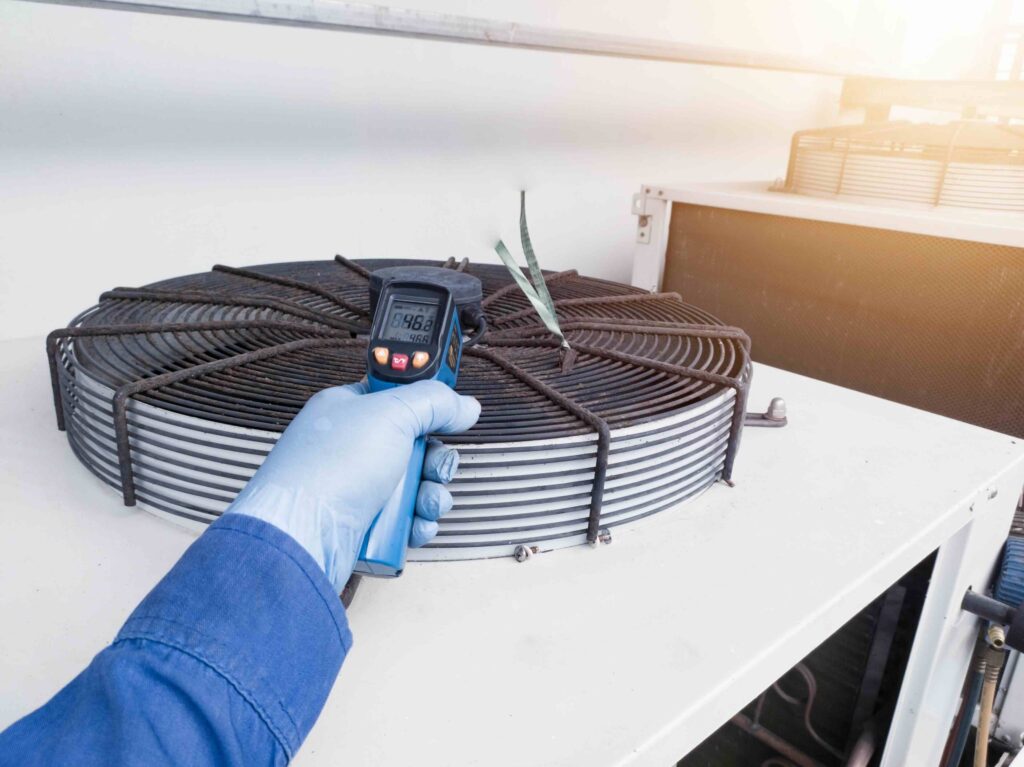
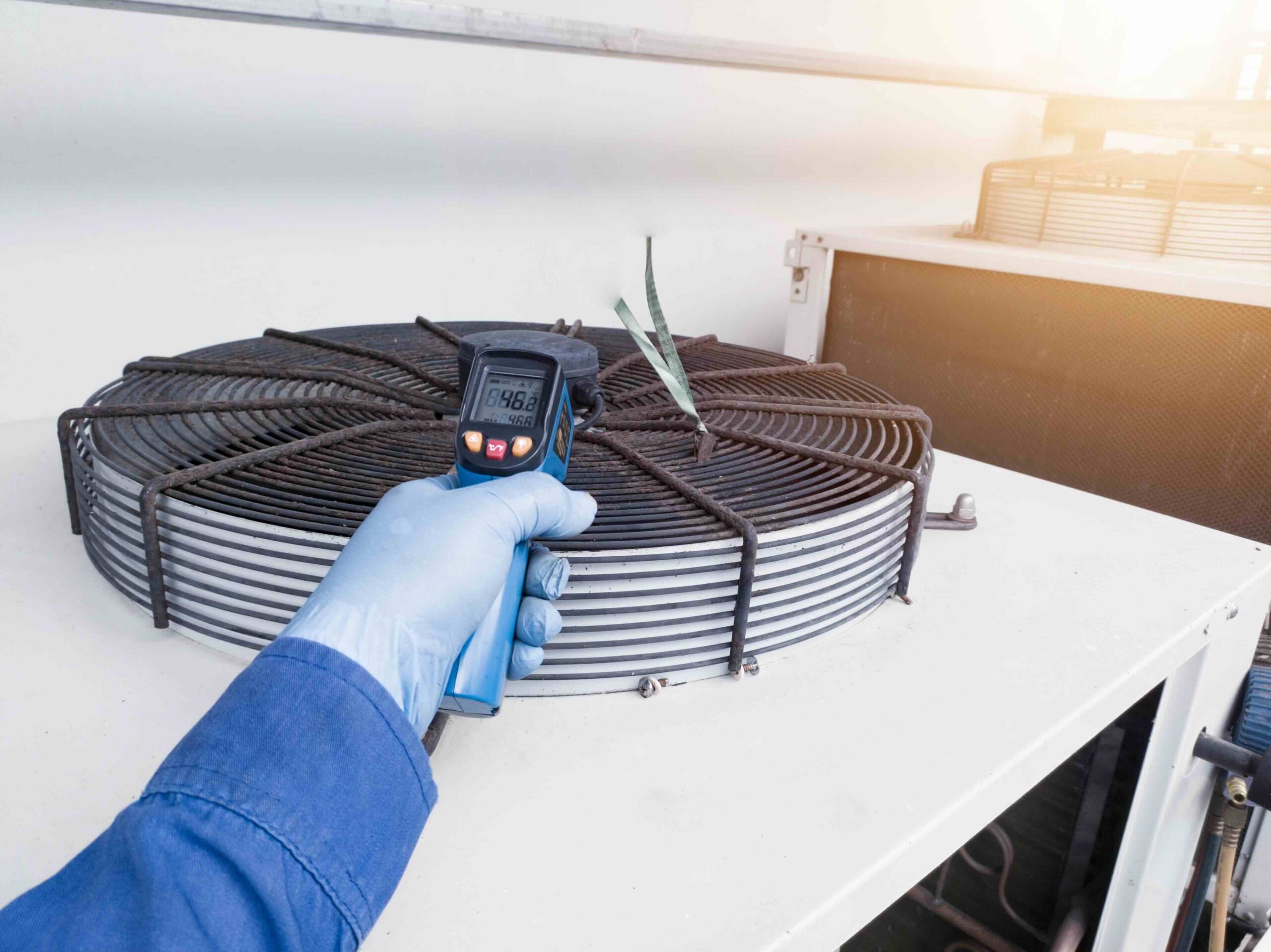
The AC condenser is the outdoor component of your split-system air conditioner. It works in tandem with the indoor evaporator coil to move heat out of your home. Here is the basic idea: refrigerant absorbs heat from the air inside your house, travels outside to the condenser, releases that heat into the outdoor air, and then cycles back inside to repeat the process. The condenser unit houses the compressor, condenser coils, and a fan — all working together to expel heat and keep refrigerant flowing at the right pressure and temperature. It is not glamorous work, but it is essential.
How the AC Condenser Actually Works
When refrigerant arrives at the condenser, it is in a hot, high-pressure gas state after absorbing heat from indoors. The compressor — think of it as the heart of the system — pressurizes the refrigerant and pushes it through the condenser coils. As the refrigerant passes through those coils, the fan blows outdoor air across them, which causes the refrigerant to cool down and convert back into a liquid. That liquid then travels back indoors to the evaporator coil, where it expands, drops in temperature, and starts absorbing heat all over again. The cycle repeats continuously while your system is running. It sounds simple, and the concept is, but the components involved are sophisticated and under constant thermal and mechanical stress.

Key Components Inside the Condenser Unit
Knowing what is inside the condenser helps you understand why repairs can get expensive fast. The main components include:
- Compressor: The most critical and costly part, responsible for pressurizing refrigerant
- Condenser coils: A network of tubes and fins that release absorbed heat into the outdoor air
- Condenser fan motor and blades: Keep air moving across the coils to facilitate heat release
- Capacitors: Help start and run the compressor and fan motors
- Contactor: An electrical switch that controls power flow to the unit
- Refrigerant lines: Connect the outdoor condenser to the indoor evaporator coil
Each of these components can fail independently. Some failures are minor and inexpensive. Others — like a compressor replacement — can run into the thousands of dollars.
Advantages of a Well-Maintained AC Condenser
When your condenser is in good shape, it pays dividends in multiple ways. A properly functioning condenser keeps your home cool efficiently, which means your system does not have to work overtime to hit your target temperature. That translates directly to lower energy bills. It also extends the overall lifespan of the entire HVAC system, because when one component operates cleanly, it reduces strain on everything else. Regular maintenance — cleaning the coils, clearing debris from around the unit, checking refrigerant levels — can keep a condenser running reliably for 15 to 20 years. That is a strong return on a significant home investment.
Common Problems and Drawbacks to Know
No system is bulletproof. AC condensers face a range of issues that homeowners should watch for. Dirty or bent coil fins reduce heat transfer efficiency, causing the system to work harder and cool less effectively. Capacitor failures are extremely common and can prevent the unit from starting at all. Fan motor failures stop airflow across the coils, which causes the system to overheat. Refrigerant leaks compromise the entire cooling cycle. And then there is the compressor — when that fails, you are often looking at a repair bill that rivals the cost of a new unit. Outside exposure also means the condenser faces weather, debris, and UV degradation year after year. These are not reasons to panic, but they are reasons to pay attention.
Practical Maintenance Tips Every Homeowner Should Know
Good condenser maintenance is less complicated than most people expect. There are a few high-value habits worth building into your routine:
- Keep at least two feet of clearance around the unit — shrubs, fences, and clutter restrict airflow
- Gently rinse the condenser coils with a garden hose once per season to remove dust and debris
- Check the unit after storms for debris accumulation or physical damage
- Schedule annual professional HVAC tune-ups before the cooling season starts
- Replace your air filter regularly indoors — a clogged filter forces the whole system to work harder
- Listen for unusual sounds like grinding, rattling, or clicking, which can signal component issues early
These steps do not require technical expertise and can meaningfully extend the life of your system while reducing the likelihood of a mid-summer breakdown.
When to Repair vs. Replace Your AC Condenser
This is the question most homeowners dread, and the answer is not always obvious. A general rule of thumb in the HVAC industry is that if the repair cost exceeds 50 percent of the replacement cost and the unit is more than 10 years old, replacement is typically the smarter financial move. Modern condensers are significantly more energy-efficient than units made a decade ago, so replacing an aging system often delivers noticeable savings on utility bills within the first few years. If your unit is newer and the issue is isolated — say, a failed capacitor or a faulty contactor — repair makes obvious sense. The tough calls tend to involve compressor failures on systems in the middle of their lifespan. That is where a trusted HVAC technician’s opinion becomes valuable.
How AC Condenser Coverage Fits Into Home Warranty Planning
The AC condenser is one of the most expensive components in your home to repair or replace, which makes it one of the most important systems to have covered under a home warranty plan. When a compressor fails or a major condenser component gives out, the out-of-pocket cost can range from several hundred to several thousand dollars without coverage. A home warranty that includes HVAC systems can transform that unexpected expense into a manageable service call fee. That is the kind of financial buffer that makes a meaningful difference, especially for first-time homeowners or anyone on a fixed budget. Not all home warranty plans are created equal, though, so understanding what is and is not covered in your contract is essential before you need to use it.
Why Armadillo Is the Right Home Warranty Partner for AC Condenser Protection
When your AC condenser fails in the middle of July, the last thing you want to do is navigate complicated claims processes or argue over fine print. That is exactly why choosing the right home warranty provider matters. Armadillo home warranty coverage for HVAC systems and AC condensers is built around transparency, simplicity, and real protection for the systems that matter most. There are no confusing tiers designed to obscure what is actually covered — just straightforward plans that account for the real cost of homeownership. If you want to see what protection looks like for your specific home, you can get a free home warranty quote that includes AC condenser and cooling system coverage in a matter of minutes. Peace of mind should not require a law degree to understand, and with Armadillo, it does not.

Frequently Asked Questions About AC Condensers and Home Warranty Coverage
These are the questions homeowners ask most often about AC condensers, how they work, and how home warranty plans can help protect them.
What is the average lifespan of an AC condenser?
Most AC condensers last between 15 and 20 years with proper maintenance. Units in regions with extreme heat or high humidity may experience a shorter lifespan due to increased operational stress.
How much does it cost to replace an AC condenser?
A full AC condenser replacement typically costs between $1,200 and $4,000 depending on the size of the unit, refrigerant type, and local labor rates. Compressor-only replacement can range from $800 to $2,500.
Can an AC condenser be repaired instead of replaced?
Yes, many condenser issues are repairable. Common fixes include capacitor replacements, fan motor repairs, coil cleaning, and refrigerant recharging. Whether repair or replacement makes more sense depends on the unit’s age, the nature of the failure, and the overall repair cost.
Does a home warranty cover the AC condenser?
Many home warranty plans cover the AC condenser and its components, including the compressor, fan motor, and electrical parts. Coverage details vary by provider, so reviewing the contract terms carefully is important before purchasing a plan.
Why is my AC condenser making a loud noise?
Unusual noises from the condenser often indicate a specific component issue. Rattling may suggest debris inside the unit or loose hardware. Grinding typically points to fan motor bearing failure. Clicking or buzzing can signal electrical problems such as a failing capacitor or contactor.
How often should an AC condenser be serviced?
An AC condenser should receive professional service at least once per year, ideally in the spring before the cooling season begins. Homeowners can supplement professional service with basic DIY maintenance like clearing debris and rinsing coils.
What happens if I do not clean my AC condenser?
Neglecting condenser cleaning leads to reduced airflow and heat transfer efficiency. Over time, this causes the system to work harder, increasing energy costs, shortening component lifespans, and raising the likelihood of a breakdown during peak demand.
Can extreme weather damage an AC condenser?
Yes. Hail can dent and damage condenser coil fins, heavy debris from storms can block airflow or damage the fan, and flooding can harm electrical components. Covering the unit during off-season months in harsh climates is a reasonable protective measure.
Is the AC condenser covered under homeowners insurance?
Standard homeowners insurance typically does not cover mechanical failures of the AC condenser. It may cover damage caused by a covered peril such as a fallen tree or storm, but wear-and-tear breakdowns are generally excluded. A home warranty is designed specifically to fill that gap.
What is the difference between an AC condenser and an AC compressor?
The AC compressor is a component located inside the condenser unit. The condenser refers to the entire outdoor unit, which includes the compressor, coils, fan, and associated electrical parts. A compressor failure is often the most severe and expensive type of condenser problem.