Understanding Your AC Condenser: A Homeowner’s Guide to Cooling Efficiency
When summer temperatures climb and your home transforms into a retreat from the heat, your air conditioner becomes more than a luxury—it’s a necessity. At the heart of your home’s cooling system is the AC condenser. While often overlooked, this component plays a central role in keeping your indoor environment comfortable. Knowing how it works, where it fits into your HVAC system, and what could possibly go wrong helps you make informed decisions, whether you’re maintaining equipment, troubleshooting issues, or protecting your investment with a home warranty. Let’s break down what the AC condenser does, how to keep it running well, and why it deserves your attention.
What Is an AC Condenser and What Does It Do?
The AC condenser is part of your home’s outdoor air conditioning unit. It works together with the evaporator coil and the compressor to cool your air. While the indoor evaporator coil absorbs heat from the air inside your home, the condenser releases that heat outside. Here’s the basic sequence: Warm air is pulled from your home, it travels through the evaporator coil where the refrigerant absorbs heat, and then that refrigerant is pumped to the condenser. There, the heat is released into the outside air, and the cooled refrigerant returns indoors to repeat the cycle.
This heat exchange is what transforms your home from muggy to refreshing. Without the condenser properly doing its job, the refrigerant can’t cool efficiently. Understanding this function helps explain why condenser issues are among the most common (and critical) problems homeowners face each summer.
Key Components That Make the Condenser Work
The AC condenser isn’t just a single part—it’s a system of components working in tandem. First, there’s the compressor, often called the “heart” of the air conditioning system. It compresses the refrigerant, turning it from a low-pressure gas to a high-pressure hot gas. This compressed refrigerant then moves through the condenser coil. Fans then blow air over those coils, allowing the heat to dissipate into the outdoor environment. There are also lines, fins, and sometimes motor-run capacitors that manage current and airflow.
Each component must operate correctly for the system to lower your home’s temperature efficiently. Dirt, grime, or simply aging components can disrupt that delicate process. Regular maintenance provisions, such as cleaning the coils and checking connections, go a long way in preventing operational failure.
How the AC Condenser Fits Into Your Home Cooling System
Many homeowners see an outdoor metal box near the house and assume that’s the whole air conditioner. In truth, the air conditioning system is split between an indoor unit (evaporator) and an outdoor unit (condenser). These systems rely on the refrigerant cycle to move heat out of your home and push cool air in. The condenser is the final exit gate for the absorbed heat. Without it, the system stalls—your refrigerant wouldn’t cycle back to the indoor coil to absorb more heat, and your home would quickly warm up.
The AC condenser is always working in concert with your thermostat settings, blower fan, and ductwork. When any part malfunctions, the condenser may take the brunt of wear and tear, often forcing it to work harder than intended.
Benefits of a Well-Maintained AC Condenser
When functioning correctly and efficiently, your AC condenser ensures optimal energy use and indoor comfort. One of the top benefits is lower energy bills. A clean and tuned condenser doesn’t have to overwork itself, meaning less electricity consumed overall. Comfort is another crucial advantage. If your condenser is running smoothly, your AC can effectively cool the home, eliminate humidity, and cycle air consistently across all rooms.
Long-term equipment life is another major factor. Many HVAC system replacements are driven by condenser failure simply due to neglected maintenance. Keeping your condenser in good shape protects your AC system’s lifespan and saves substantially on potential repair or replacement costs.
Common AC Condenser Problems and Warning Signs
Repeated cycling, insufficient cooling, and higher-than-usual electricity bills all point to potential condenser issues. Homeowners should listen for unusual sounds near the outdoor unit, observe whether it seems to run constantly without delivering cool air, or spot visible signs like ice buildup or leaks.
One of the frequent culprits is dirty condenser coils. When dust, leaves, or debris coat the coils, heat transfer is blocked, reducing efficiency. Electrical issues like capacitor failure, motor burnout, or wiring problems can also halt function. Older systems may face refrigerant leaks or compressor failure, which usually necessitate a full system inspection and might signal the end of the unit’s lifespan.
Professional Maintenance vs. DIY Approaches
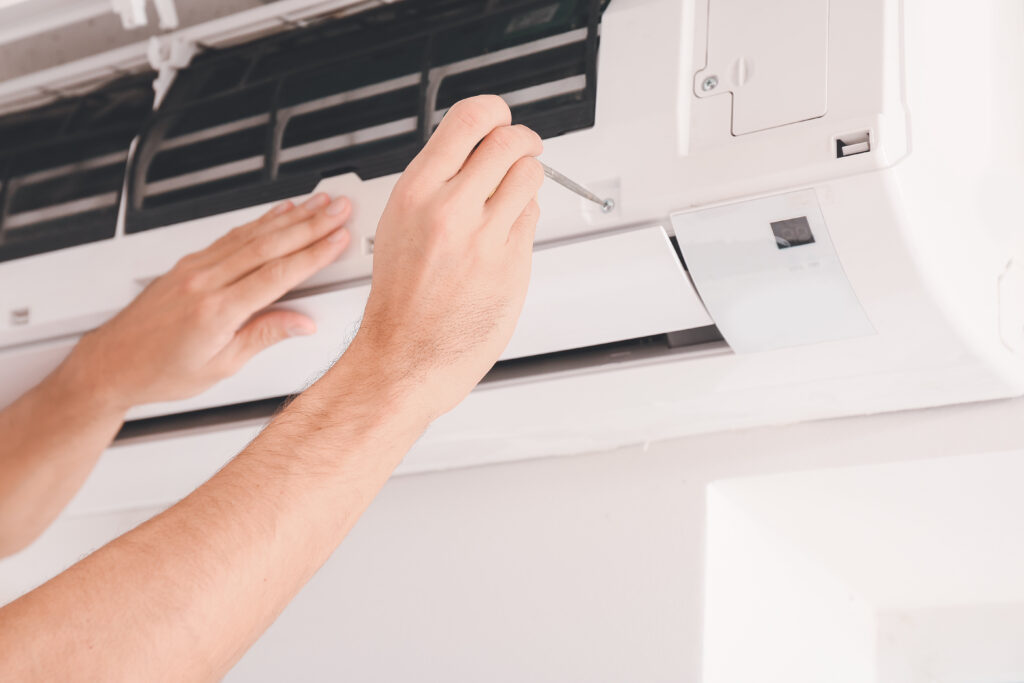
There are a few preventative actions homeowners can take safely: hosing down the coils (with the power off, always), keeping plant life and debris two feet away from the unit, and visually inspecting for obvious signs of wear. However, deeper diagnostics and cleaning should be left to licensed HVAC professionals. They have the training and tools to detect refrigerant leaks, test capacitors, and ensure adequate air pressure within the system.
Annual maintenance visits are generally more affordable than emergency repair calls. They also align perfectly with home warranty policies, ensuring any covered failures after inspection are swiftly addressed. When you invest in professional care, you increase your system’s reliability and support long-term efficiency.
When Replacement Makes More Sense Than Repair
Sometimes, repair may not be the most cost-effective solution—especially if your condenser is over 10 years old. Older systems use discontinued refrigerants that are harder to replace and not as environmentally friendly. Compressors, a key part of the condenser, are expensive to replace and often push total repair costs above the value of a new unit.
When repairs start creeping beyond a few hundred dollars or become increasingly frequent, consider discussing replacement options with your HVAC specialist. If your system is already covered under a home warranty, some of these costs could be minimized—or even fully covered—based on the type and age of the equipment you have in place.
Protecting Your HVAC Investment with Armadillo
Your AC condenser isn’t just a box outside—it’s a primary reason your home remains livable in extreme heat. Ensuring its performance today helps avoid stress tomorrow. At Armadillo, we understand the real cost of HVAC system failure. That’s why our flexible, transparent home warranty plans cover essential systems, including your air conditioning components. With real-time digital management, fast claims processing, and customizable plans, protecting your cooling system has never been easier. Explore how Armadillo can keep your cool intact by visiting www.armadillo.one. Ready to lock in coverage? Get started now with a custom quote at our Plan Builder.