What Is AC Freon and Why Does It Matter for Your Home?
If your air conditioner has ever stopped cooling properly on a sweltering summer afternoon, there is a reasonable chance someone mentioned the word “freon.” It gets tossed around a lot in HVAC conversations, but not everyone knows exactly what it means or why it carries such a significant price tag. Freon is a brand name that became the general term for refrigerant — the chemical compound that makes your air conditioning system capable of pulling heat out of your home and replacing it with cooler air. Without it, your AC is essentially just a very expensive fan. Understanding what freon is, what it costs, and why those costs can catch homeowners completely off guard is genuinely useful information, especially when your system is aging or behaving oddly during peak season.
How Refrigerant Actually Works Inside Your AC System
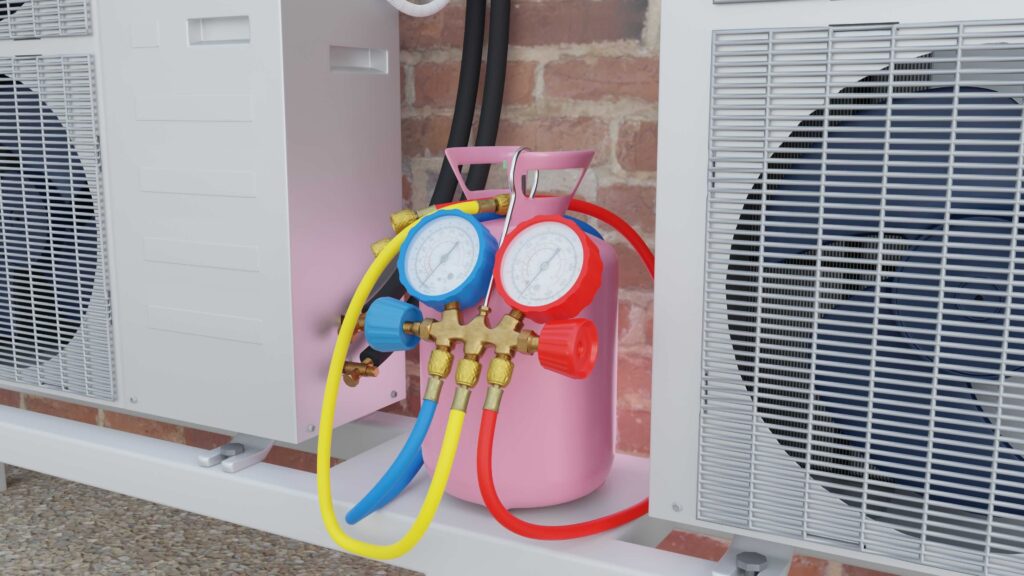
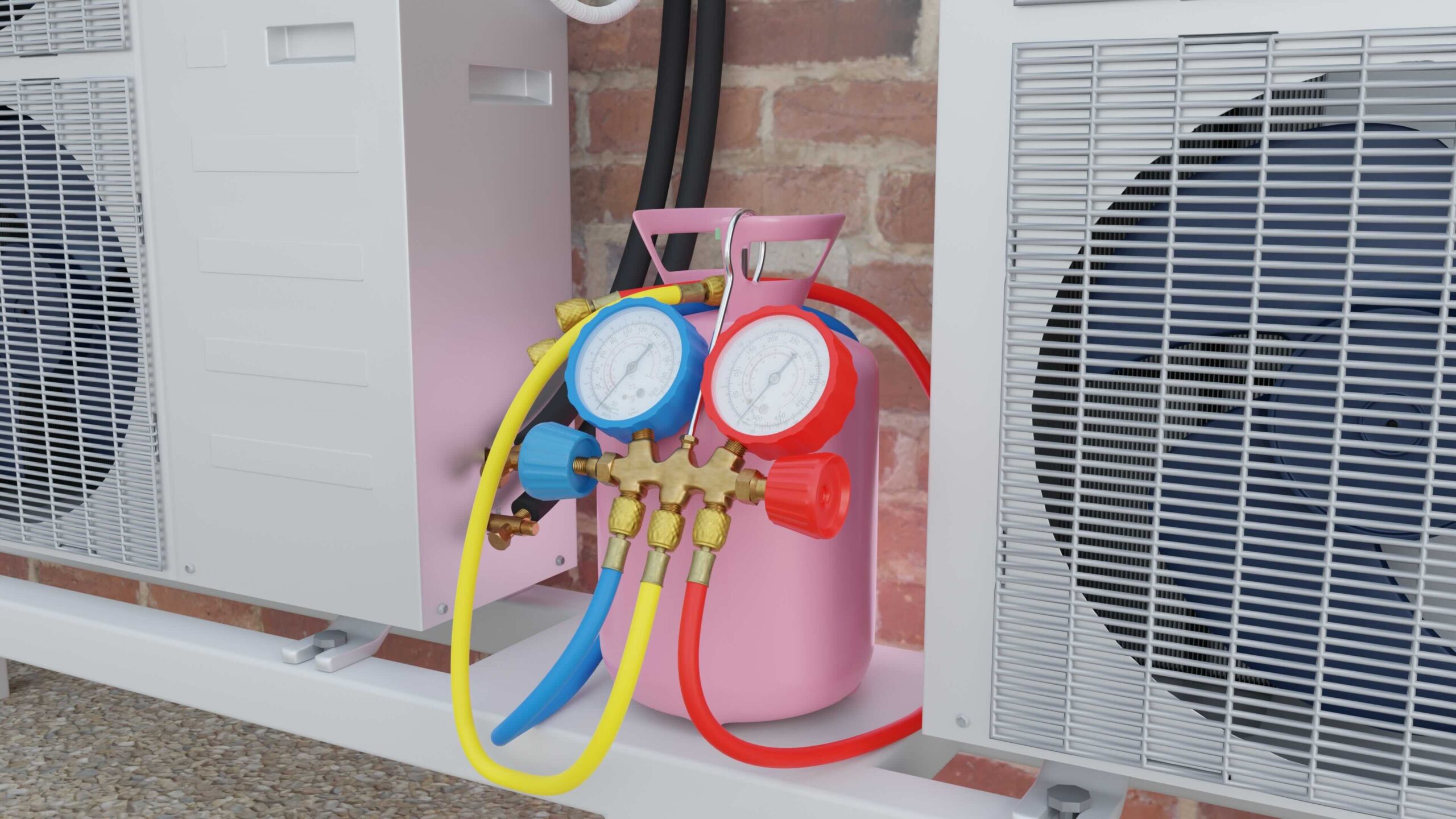
Here is the simple version. Refrigerant moves in a continuous loop through your air conditioning system, cycling between liquid and gas states. When it absorbs heat from the warm air inside your home, it evaporates into a gas. That gas is then compressed, releases the heat outside, condenses back into a liquid, and the whole process repeats. It is a closed-loop system, which means — and this part matters — your AC should never actually run out of refrigerant under normal operating conditions. Refrigerant does not get used up like fuel. If your system is low on refrigerant, that almost always means there is a leak somewhere, and the refrigerant needs to be found, patched, and then recharged. That distinction is important when you start looking at the cost of freon service calls.
The Real Cost of AC Freon: What Homeowners Are Paying
This is where things get interesting — and occasionally frustrating. The price of AC refrigerant varies significantly depending on the type your system uses. Older systems manufactured before 2010 typically use R-22, commonly known as Freon. R-22 has been phased out under EPA regulations, which means it is no longer produced domestically, and the supply has dwindled considerably. As a result, R-22 can cost anywhere from $50 to $150 per pound, and a standard recharge might require 2 to 4 pounds. That means just the refrigerant alone on an older system could run $100 to $600 before labor. Newer systems use R-410A or the even more current R-454B, both of which are far more affordable, typically ranging from $3 to $8 per pound at wholesale — though labor and service fees bring the total bill to somewhere between $150 and $400 for most homeowners. The age of your system plays a massive role in what you will pay.

Why R-22 Freon Prices Have Skyrocketed
The phase-out of R-22 under the Montreal Protocol and subsequent EPA regulations did not happen overnight, but the effects have been dramatic. Production and import of R-22 were banned in the United States starting January 1, 2020. What remains in circulation comes from recovered and recycled sources, and that supply is finite and shrinking. HVAC contractors who still service R-22 systems are paying significantly more to source the refrigerant, and those costs get passed directly to homeowners. If you have an older system and you are dealing with a refrigerant leak, you are essentially paying a premium to keep aging equipment running. At some point, the math tips in favor of full system replacement rather than repeated recharges on a system that keeps losing refrigerant.
Signs Your AC System May Have a Refrigerant Leak
Catching a refrigerant issue early can save you from a much larger repair bill down the road. There are several warning signs worth watching for throughout the cooling season.
- Your home takes noticeably longer to cool down than it used to, even on mild days
- The air coming from your vents feels less cold than expected
- Ice forms on the refrigerant lines or the evaporator coil near your air handler
- Your energy bills climb without any obvious change in usage habits
- You hear a hissing or bubbling sound near the indoor or outdoor unit
- The AC runs continuously but never quite reaches the set temperature
If any of these are familiar, it is worth scheduling a diagnostic visit with a licensed HVAC technician rather than waiting for the system to fail entirely during peak summer heat.
Advantages of Addressing Refrigerant Issues Promptly
There is a tendency to delay AC repairs because they never feel urgent until the system stops working. But acting early on a refrigerant problem has real, measurable benefits. A system running low on refrigerant works harder to achieve the same result, placing additional strain on the compressor — which is the most expensive component in the entire unit. Compressor replacement can cost anywhere from $1,200 to $2,800 depending on the system, so avoiding that failure alone justifies the cost of a timely recharge and leak repair. Beyond equipment longevity, a properly charged system runs more efficiently, which means lower energy bills and better indoor comfort throughout the season.
The Drawbacks: When Freon Costs Stop Making Sense
Spending several hundred dollars on refrigerant for an older system is not always the wrong call, but it requires some honest math. If your AC unit is more than 12 to 15 years old and relies on R-22, repeated recharges can quietly become more expensive than a planned replacement. A new system using current refrigerants is more energy efficient, covered under manufacturer warranty, and will not require the same premium refrigerant sourcing. The drawback of modern refrigerant transitions is that R-410A is also being phased down under updated EPA regulations, which means the industry is mid-transition again — something worth discussing with your HVAC contractor before making major repair investments.
Practical Tips for Managing AC Refrigerant Costs
There are straightforward ways to reduce your exposure to expensive refrigerant service calls over time.
- Schedule annual AC maintenance before the cooling season begins — a technician can catch small leaks before they become costly
- Ask your HVAC contractor to document refrigerant levels each visit so you have a baseline for comparison
- Know what type of refrigerant your system uses and research the current market rate before agreeing to a recharge
- If your system uses R-22 and has leaked twice in under three years, get a replacement quote — you may be spending more than necessary on a declining asset
- Consider a home warranty plan that covers AC repairs, including refrigerant-related service calls, to manage unexpected costs
How Home Warranties Can Help with AC Refrigerant Costs
This is where a home warranty enters the conversation in a genuinely practical way. Many homeowners do not realize that some home warranty plans cover the cost of refrigerant as part of an AC repair claim — though coverage terms vary by provider and plan. When an HVAC technician diagnoses a refrigerant leak under a warranty claim, the cost of the refrigerant itself, along with the labor to locate the leak and recharge the system, may be included in the repair. Given that a single freon service call can easily run $300 to $600 or more for older systems, having that coverage in place before the breakdown happens is a fundamentally different financial position than calling a technician without any coverage at all. The key is understanding your plan’s specific language around refrigerants, limits, and what is and is not included.

Why Armadillo Is Worth Considering for AC and HVAC Coverage
When it comes to protecting your home’s cooling system — especially with AC refrigerant costs climbing the way they are — having a home warranty built around real transparency and straightforward coverage terms makes a meaningful difference. Armadillo was designed with homeowners in mind, not fine print. If you have been researching home warranty plans that cover AC refrigerant and HVAC system repairs, Armadillo offers coverage that is honest, clear, and built to handle the kind of unexpected costs that refrigerant leaks tend to create. You do not have to wait for a breakdown to take action — you can get a free home warranty quote for AC and cooling system coverage in just a few minutes and know exactly what you are protected against before summer hits. That kind of preparation tends to feel very smart around the second week of August.
Frequently Asked Questions About AC Freon Costs and Home Warranty Coverage
These are the questions homeowners most commonly ask when navigating AC refrigerant issues, service calls, and home warranty coverage options.
How much does it cost to recharge AC freon in a home system?
The total cost typically ranges from $150 to $600 depending on the type of refrigerant your system uses, how much is needed, and local labor rates. Systems using older R-22 refrigerant are significantly more expensive to recharge than those using R-410A or newer alternatives.
Does a home warranty cover AC freon or refrigerant costs?
Many home warranty plans do include refrigerant as part of an AC repair claim, but coverage terms vary. Some plans cap refrigerant costs or exclude it entirely, so it is important to read the specific plan language before assuming it is covered.
Why is R-22 freon so expensive now?
R-22 production and import was banned in the United States as of January 2020 under EPA regulations. The remaining supply comes from recovered and recycled sources, which has driven prices up considerably compared to newer refrigerant types.
How do I know if my AC system is leaking refrigerant?
Common signs include reduced cooling performance, ice forming on refrigerant lines, higher than normal energy bills, hissing sounds near the unit, and an AC that runs constantly without reaching the set temperature. A licensed HVAC technician can confirm a leak with a proper diagnostic.
Is it worth recharging an old AC system that uses R-22?
It depends on the system’s age and condition. If the unit is older than 12 to 15 years and has had multiple refrigerant leaks, the cumulative cost of recharges often approaches or exceeds the cost of replacement. Getting a replacement quote for comparison is a reasonable step.
How often does an AC system need refrigerant added?
Under normal conditions, a properly functioning AC system should never need refrigerant added because it operates in a closed loop. If refrigerant is needed, it indicates a leak that should be located and repaired before recharging the system.
What type of refrigerant do newer AC systems use?
Most systems installed between roughly 2010 and 2025 use R-410A. Newer systems introduced after EPA phase-down regulations are transitioning to R-454B and similar lower-global-warming-potential alternatives. Your system documentation or the label on the outdoor unit will specify the type.
Can I add refrigerant to my AC system myself?
No. Handling refrigerants requires EPA Section 608 certification. It is illegal for uncertified individuals to purchase or handle refrigerants in the quantities used in residential AC systems. Always hire a licensed HVAC technician for refrigerant service.
Will replacing my AC system eliminate refrigerant cost concerns?
A new system will use current-generation refrigerant that is more affordable and widely available than R-22, and it will operate under manufacturer warranty for parts and labor for a set period. That said, transitioning regulations mean the industry is still evolving, so discussing long-term refrigerant availability with your installer is worthwhile.
What should I ask my HVAC technician before agreeing to a freon recharge?
Ask what type of refrigerant your system uses, the current cost per pound they charge, whether a leak test will be performed before recharging, and what the estimated total will be for parts and labor. If your system is older, also ask for a comparative replacement quote so you can make an informed decision.