What Is an Air Conditioning Inspection and Why Does It Matter?
If you have ever been blindsided by a cooling system failure in the middle of July, you already understand the value of staying ahead of potential problems. An air conditioning inspection is a professional evaluation of your entire AC system, conducted to assess its current condition, efficiency, and safety. It is not a repair visit. It is not a reactive call after something breaks. It is a proactive look under the hood, so to speak, at one of the most essential systems in your home. And when done regularly, it can be the difference between a minor tune-up and a very expensive emergency replacement.
How an Air Conditioning Inspection Actually Works
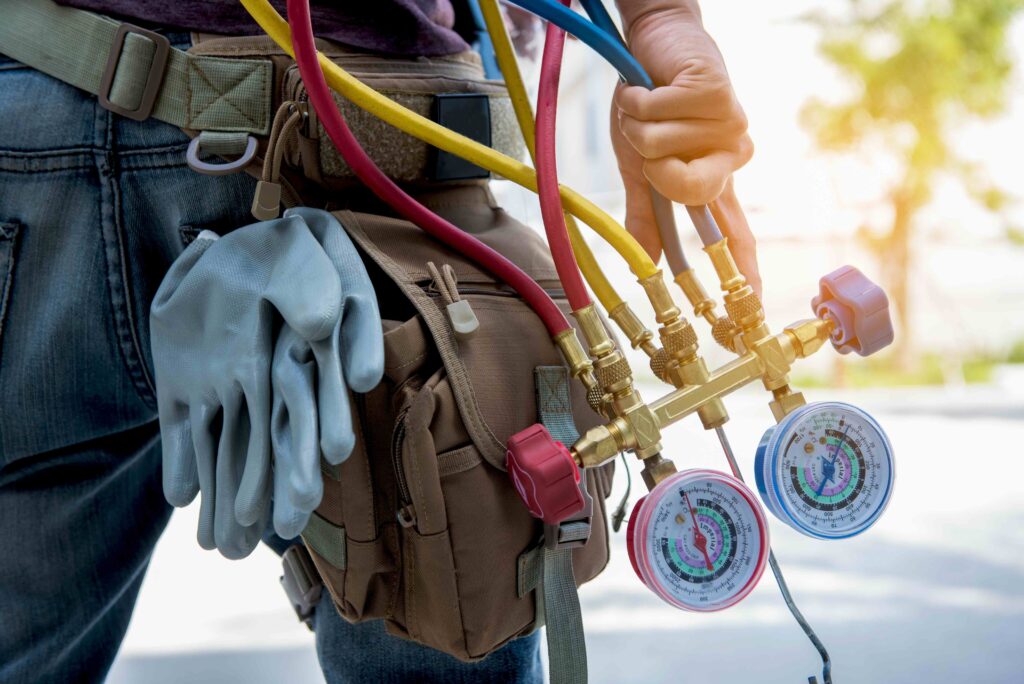
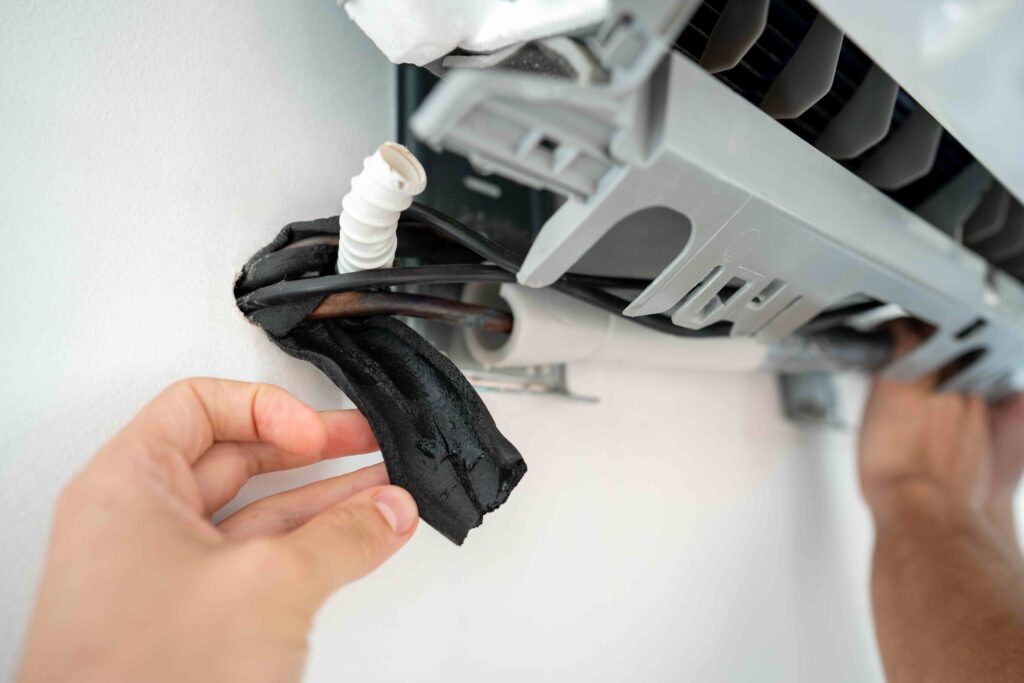
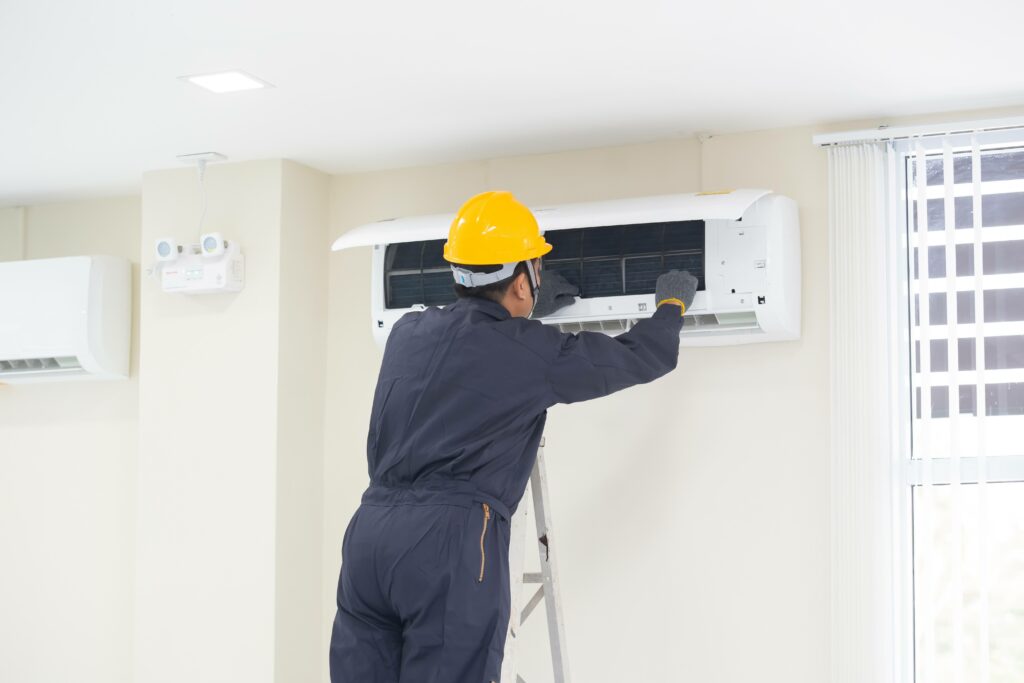
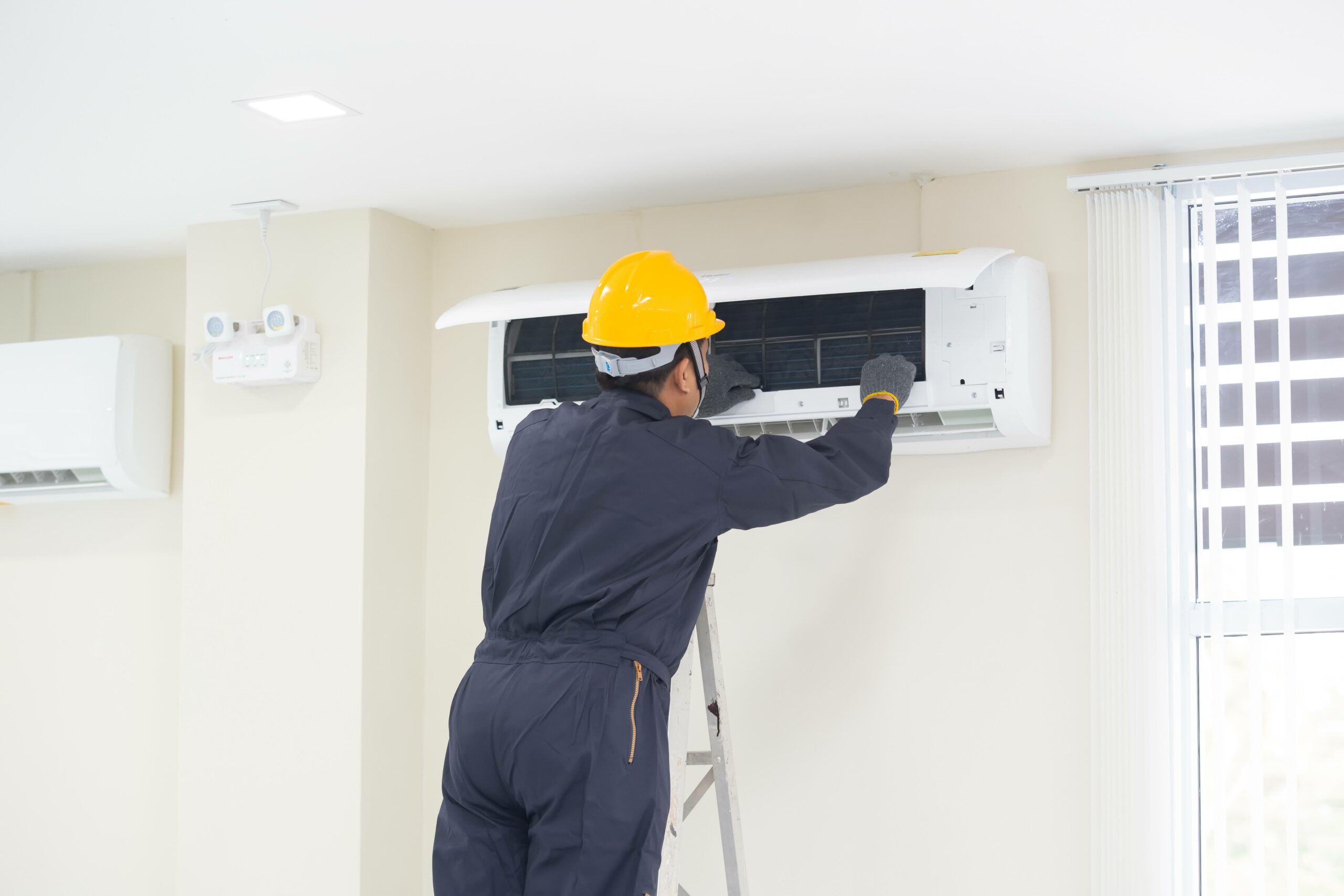
A certified HVAC technician will walk through a methodical checklist during a professional AC inspection. The process typically covers both the indoor and outdoor components of the system, touching everything from the evaporator coils to the condenser unit, refrigerant levels, electrical connections, thermostat calibration, and airflow through the duct system. The technician is essentially building a health profile of the system. They are checking for wear, corrosion, blockages, pressure imbalances, and anything else that signals stress or inefficiency. Most inspections take between one and two hours, depending on the size of the system and how accessible the components are. What you get at the end is a clearer picture of where your system stands and what, if anything, needs attention.
What Gets Checked During a Standard AC Inspection
It helps to know specifically what a technician is looking at during an inspection, because that context makes it easier to understand the value you are getting. Here is a breakdown of the most commonly evaluated components:
- Thermostat accuracy and calibration
- Air filter condition and airflow restriction
- Evaporator and condenser coil cleanliness
- Refrigerant charge levels and potential leak detection
- Electrical connections, capacitors, and contactors
- Blower motor and belt condition
- Condensate drain line and pan for blockage or overflow
- Ductwork integrity and airflow distribution
- Overall system cycling and temperature differential
Each of these items contributes to how efficiently and reliably your system runs. A technician who skips even a few of these categories is not giving you a thorough inspection, and that is worth knowing before you book an appointment.
The Key Advantages of Scheduling Regular AC Inspections
There is a reason HVAC professionals and home warranty providers consistently recommend annual inspections. The benefits are tangible, not theoretical. For starters, catching a refrigerant leak early is significantly less expensive than waiting until the compressor fails because of it. Cleaning dirty coils can improve energy efficiency by a measurable margin, which translates directly into lower monthly utility bills. A well-maintained system also tends to have a longer operational lifespan, meaning you are stretching the return on your original investment further than you might with a neglected unit. And there is the comfort factor, which is easy to overlook until it is gone. A system that has been inspected and tuned runs more consistently and quietly, with fewer temperature swings and fewer surprise shutdowns during peak heat.

Common Drawbacks and Limitations Homeowners Should Know
Like anything else, AC inspections are not without their limitations. The most common frustration homeowners encounter is discovering that an inspection surfaces issues requiring immediate repair, which can feel like the inspection itself caused the problem. It did not. Those issues existed before the technician arrived. Another drawback is cost variability. Inspection pricing can range from nominal to surprisingly steep depending on your region, the size of your system, and whether it includes any service work like coil cleaning or refrigerant top-offs. Some homeowners also run into the challenge of contractor upselling, where a technician recommends repairs that may not be immediately necessary. Getting a second opinion on major recommended repairs is always a reasonable approach.
How Often Should You Schedule an AC Inspection?
The general consensus among HVAC professionals is once per year, typically in the spring before the heavy cooling season begins. This timing allows any discovered issues to be addressed before your system is being pushed to its limits daily. If your home has a heat pump that handles both cooling and heating functions, twice-yearly inspections are often recommended. Older systems, those approaching or past the ten-year mark, may also benefit from more frequent evaluations simply because components are more likely to show wear. If you have recently purchased a home and have no service history for the AC system, scheduling an inspection as soon as possible is a smart first move.
Signs Your Air Conditioner Needs an Inspection Right Now
Sometimes you do not have the luxury of waiting for the annual checkup. Certain symptoms indicate your system needs a professional look sooner rather than later. Unusual sounds like grinding, banging, or squealing suggest mechanical issues. Warm air coming from vents when the system is set to cool points to refrigerant or compressor problems. Unusually high energy bills without an obvious explanation often indicate the system is working harder than it should to achieve the same result. Ice forming on the evaporator coil or on the outdoor unit is another red flag. And if the system is cycling on and off more frequently than usual, that short-cycling behavior is worth investigating before it escalates into a compressor failure.
Practical Tips for Getting the Most Out of Your AC Inspection
Preparation matters when it comes to HVAC inspections. Before the technician arrives, make sure the area around the outdoor condenser unit is clear of debris, vegetation, or stored items. Change the air filter if you know it has been a while, or at least note when it was last changed so the technician has accurate information. Have a list of any observations you have made about the system, such as noises, smells, or performance changes, because that information is genuinely useful for diagnostics. After the inspection, ask for a written summary of findings and any recommendations. A reputable HVAC professional will provide this without hesitation, and it gives you a documented baseline for future inspections.
How Home Warranties Factor Into Air Conditioning Maintenance
This is where the relationship between regular inspections and home warranty coverage becomes important. Many home warranty plans include coverage for central air conditioning systems, meaning if a covered component fails, the repair or replacement cost is handled through the plan rather than out of pocket. However, most warranty providers require that covered systems have been reasonably maintained. A history of annual inspections supports that maintenance record and strengthens your position if you ever need to file a claim. It is worth reading your plan documentation carefully to understand what maintenance is expected and what components are specifically covered under your air conditioning protection.
Why Armadillo Is Worth Considering for Your AC Coverage Needs
When your air conditioning system fails, the last thing you want to navigate is an opaque claims process or a warranty provider that makes you feel like you are working against them. Armadillo was built around a fundamentally different approach: transparent coverage, real support, and a straightforward experience for homeowners who simply want their systems to work. If you are looking for a home warranty plan that covers central air conditioning systems and major home appliances, Armadillo offers plans designed with clarity and value in mind. Whether your system is aging and you are bracing for what might come next, or you just moved into a new home and want protection in place before the next inspection surfaces something unexpected, you can get a personalized home warranty quote for air conditioning coverage in minutes and see exactly what is included before you commit to anything.

Frequently Asked Questions About Air Conditioning Inspections
Here are answers to the questions homeowners ask most often about AC inspections, maintenance, and what to expect from the process.
How long does an air conditioning inspection typically take?
Most standard AC inspections take between one and two hours, though larger systems or those with multiple zones may require additional time.
What is the difference between an AC inspection and an AC tune-up?
An inspection evaluates the condition of the system and identifies issues. A tune-up typically includes minor service work like cleaning coils, lubricating components, and adjusting settings. Many HVAC companies offer both as part of a single visit.
How much does an AC inspection cost?
Costs vary by region and provider, but most inspections range from $75 to $200. Prices may increase if service work is included or if the system is complex.
Can I perform an AC inspection myself?
Homeowners can handle basic maintenance like changing filters and clearing debris from the outdoor unit, but a thorough inspection of refrigerant levels, electrical components, and coil conditions requires a licensed HVAC technician.
What happens if the inspection reveals a problem?
The technician will document the issue and provide a repair recommendation. You can choose to have it addressed immediately, get a second quote, or plan for the repair based on urgency and budget.
Does a home warranty cover air conditioning repairs found during an inspection?
Coverage depends on your specific warranty plan and the nature of the repair. Most home warranty plans cover mechanical failures of covered components, not pre-existing conditions identified at the time of purchase. Reviewing your plan terms is essential.
When is the best time of year to schedule an AC inspection?
Spring is the ideal time, before peak cooling season begins. This gives you time to address any findings before your system is running at full capacity during the hottest months.
How do I find a qualified HVAC technician for an inspection?
Look for technicians who hold EPA Section 608 certification for refrigerant handling and are licensed in your state. NATE certification is another indicator of professional competence in the HVAC field.
Will skipping an annual inspection void my home warranty coverage?
Not always, but some warranty providers may deny claims if they determine a failure resulted from neglect or lack of maintenance. Keeping a record of annual inspections protects your coverage in those situations.
How many years does a central air conditioning system typically last?
With proper maintenance and regular inspections, most central air conditioning systems last between 15 and 20 years. Neglected systems often fail significantly earlier, sometimes within 10 to 12 years.