Understanding AC Recharge and Grounding: A Homeowner’s Guide
The modern home depends on a range of systems to stay safe, efficient, and comfortable, and none is more essential during peak summer than the air conditioning system. Yet, like all hardworking appliances, your air conditioner isn’t immune to strain. Two often-misunderstood maintenance tasks—AC recharge and proper electrical grounding—can determine whether your HVAC system runs like clockwork or struggles to meet demand. This article breaks down both concepts so homeowners can understand their importance, how they work, and what problems they solve.
What Is an AC Recharge?
Simply put, an AC recharge is a process in which refrigerant—also known as coolant—is added back into your air conditioning system. Refrigerant is the substance responsible for absorbing and releasing heat in the heat exchange cycle, ultimately cooling the air that circulates in your home. Over time, either through wear, small leaks, or corrosion, refrigerant levels can drop. When this happens, your air conditioner may blow warm air, work harder to maintain temperature, or shut down unexpectedly.
Contrary to common belief, refrigerant is not consumed like fuel. An AC system is a closed-loop design, and under normal circumstances, that refrigerant should remain at the same level permanently. If it needs recharging, it almost always signals a leak or a defect. When a technician performs an AC recharge, the first step is typically identifying and repairing the leak. Once sealed, the system is vacuumed to remove moisture and contaminants, then recharged to factory specifications with the proper type and amount of refrigerant.
How Does AC Recharging Work?
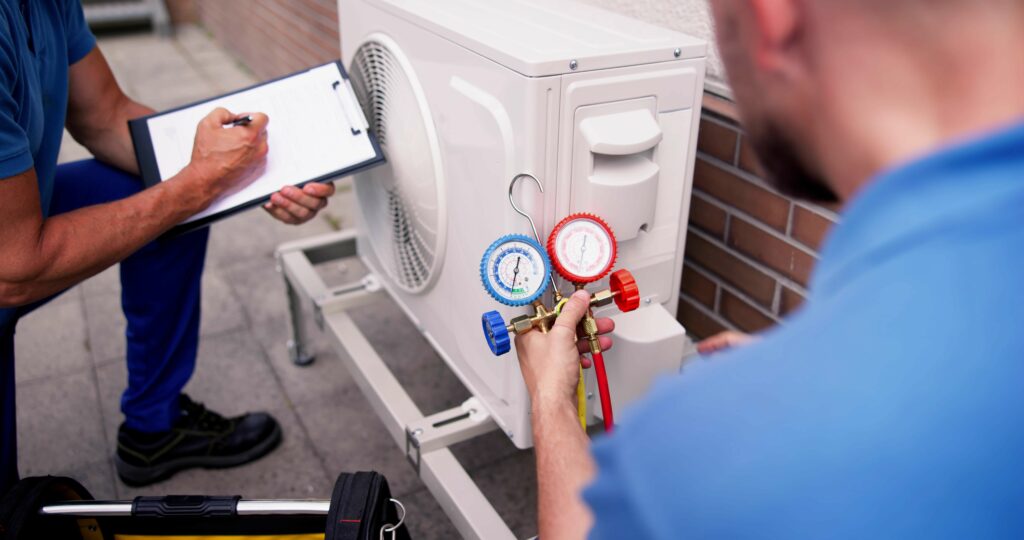
The recharge process involves several key steps and is best performed by HVAC professionals licensed to handle refrigerants. After confirming a drop in refrigerant pressure using diagnostic tools, the technician inspects the evaporator and condenser coils, compressor, and joints for signs of leaks. Detection methods might include UV dye or an electronic leak detector. Once a leak is fixed, the tech uses a pump to create a vacuum inside the system. This removes any residual air or moisture that could compromise performance or freeze inside the coils.
Then, based on the manufacturer’s guidelines, the technician adds the right type and quantity of refrigerant. Specific types of air conditioners require specific types of refrigerants. It’s not one-size-fits-all. For example, since the phase-down of R-22 Freon, newer systems use R-410A, which operates at higher pressure and is not compatible with older units. Accurate charging is crucial—too much refrigerant can be almost as damaging as too little, affecting efficiency and potentially damaging the compressor.
Why AC Recharge Is Important for System Longevity
Running an air conditioner with insufficient refrigerant can place considerable strain on the compressor—the heart of the cooling process. Much like running a car without oil, your AC cannot function properly if the compressor becomes overheated or seizes. A recharge restores equilibrium and efficiency, enabling the air conditioner to operate as intended without overworking itself.
Homeowners who notice sudden drops in cooling efficiency, unexplained spikes in electricity bills, or long cycles without the space getting cooler should suspect a refrigerant issue. Prompt attention can prevent major and costly repairs. Furthermore, post-recharge performance increases often include shorter cycle times, improved airflow, and more consistent humidity control—especially beneficial during humid summer months.
Understanding Electrical Grounding in HVAC Systems
Less visible but equally critical is proper electrical grounding of your AC system. Grounding provides a safe path for excess or fault current to travel into the earth without causing injury or damage. Since air conditioners operate with high-voltage electrical components including compressors, condenser fans, and control boards, grounding serves as the silent hero of safety and system stability.
AC units that are not properly grounded are more vulnerable to power surges during lightning storms or grid fluctuations. Ungrounded circuits can also lead to intermittent failures in thermostat communication, burnt components, and increased risk of electrical fire. Grounding is conducted during installation and should comply with the National Electrical Code, but over time, corrosion, loose connections, or upgrades to your electrical panel can disrupt grounding continuity.
Common Signs Grounding May Be Compromised
Strange humming noises, flickering lights when the unit turns on, or unexpected tripping of breakers may all be symptoms. It’s not always obvious. Many homeowners encounter these anomalies and assume the AC unit is failing—when in reality, the issue lies in the way it’s connected to the home’s power supply. Annual or biannual HVAC tune-ups often include grounding checks as part of the inspection process and can save you from preventable failures.
In newer systems, particularly those with smart thermostats, microprocessors, and variable-speed motors, clean and stable electrical current is even more essential. Grounding not only protects your equipment but helps diagnose issues accurately. A poorly grounded unit may deliver confusing signals during troubleshooting, leading to misdiagnosis and unnecessary parts replacement.
Pros and Cons of AC Recharging and Grounding Maintenance
Proactive maintenance like recharging and electrical inspection delivers measurable benefits. Improved energy efficiency translates into lower utility costs. Proper refrigerant levels ensure conditioned air is delivered consistently and without overwork. Grounded equipment lasts longer, avoids costly electrical malfunctions, and keeps you and your family safe from electrical hazards.
Still, there are challenges. AC recharges are not a DIY-friendly task due to strict regulations around refrigerant handling and system complexity. The root cause—a refrigerant leak—typically requires site-specific expertise and tools. Similarly, grounding issues often lie hidden behind walls, panels, or buried conditions, making them difficult to identify without diagnostic instruments. Both maintenance tasks involve time, cost, and specialized labor, especially if original installation work was not performed to code.
Choosing the Right Home Warranty for AC Support
When it comes to maintaining peace of mind, a home warranty that specifically covers air conditioning systems—down to recharges and electrical components—can significantly ease the burden. Refrigerant leaks, compressor issues, and circuit board failures are among the most common home warranty claims. Yet many plans don’t cover the cost of recharging refrigerant or diagnosing grounding defects unless specifically outlined in the service agreement.
That’s where clarity and coverage matter. Knowing what’s included, what’s excluded, and how comprehensive your plan is can save thousands in unexpected repair costs. Look for home warranty providers that include AC system repairs, electrical diagnostics, and refrigerant recharges in their core coverage. It’s not just about avoiding hot days without cooling—it’s about protecting the long-term health of your home’s most essential hardware.
Why Armadillo Is the Smart Choice for AC Confidence
Whether it’s the July heatwave or a flickering thermostat in the spring, your home’s cooling system deserves expert protection. Armadillo offers transparent, reliable home warranty plans with real value. Unlike limited policies that leave refrigerant or electrical issues uncovered, Armadillo provides comprehensive options that include AC diagnostics, recharges, and grounding-related protections. Plus, their online plan builder makes customizing your coverage fast and stress-free. You can learn more about how Armadillo stands apart through their homepage, or start building your plan today with the plan builder. Don’t wait for a heatwave to realize your AC needs help—secure your home comfort with a warranty that understands what modern homeowners need.