How Much Does It Cost to Recharge Your Air Conditioner? A Homeowner’s Guide to HVAC Maintenance
When the outdoor temperature climbs and comfort indoors becomes non-negotiable, your home’s air conditioning system becomes essential. But like any complex mechanical system, even the best AC units need occasional care—and recharging the refrigerant is a common maintenance task that can confuse many homeowners. Whether you’re noticing reduced cooling performance or you’ve heard the term “AC recharge” for the first time, understanding what it involves and what it costs is key to making the right decision for your home. Let’s walk through everything you need to know about air conditioning recharges: what they are, how much they cost, and how a home warranty can help offset the expense.
What Does It Mean to Recharge an Air Conditioner?
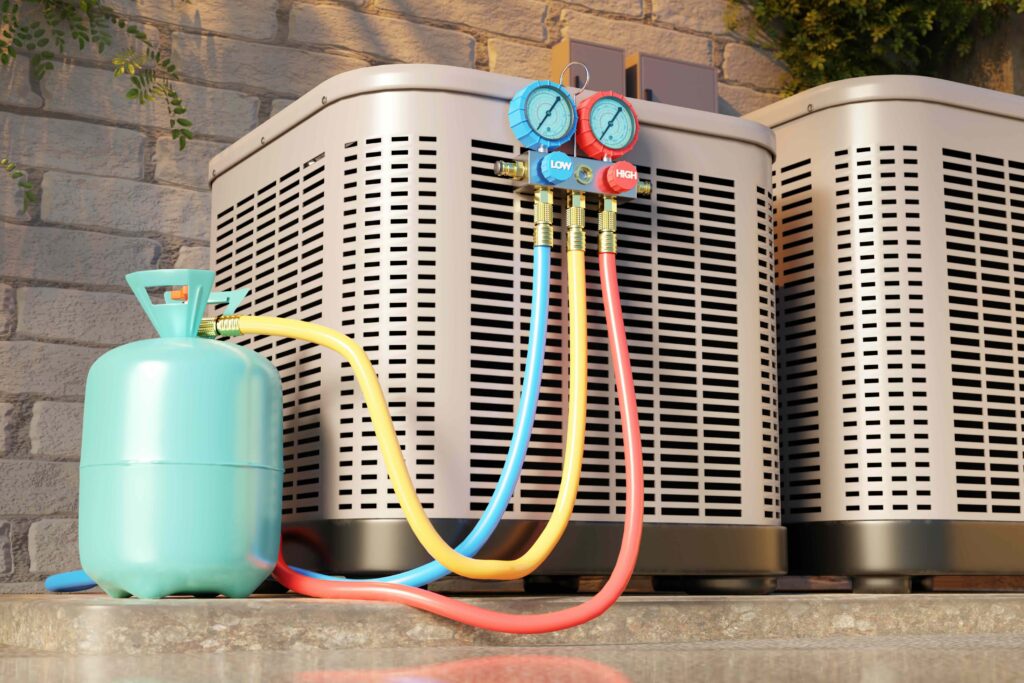
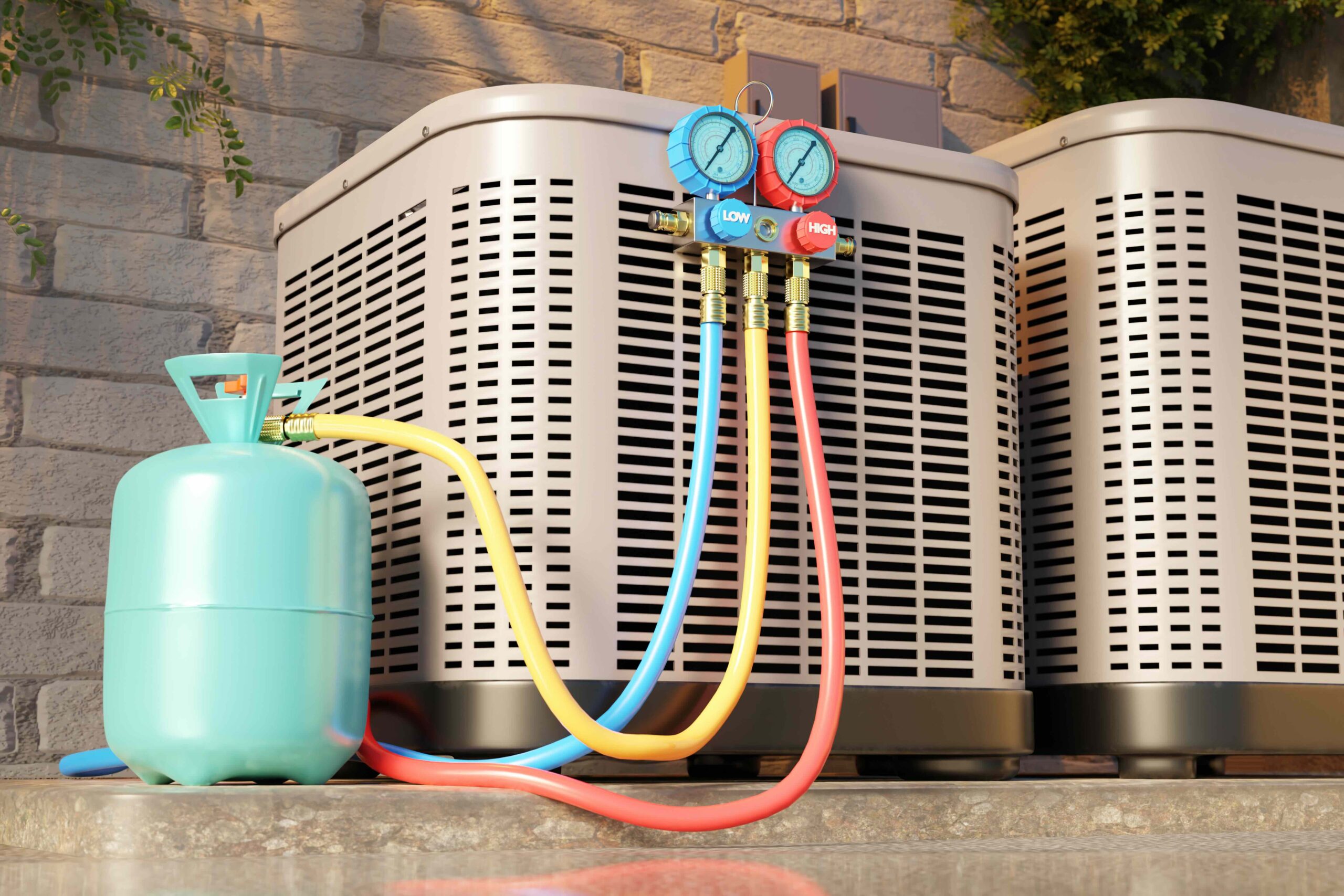
Air conditioners don’t use up refrigerant like a car might use gasoline. Instead, refrigerant circulates continuously through your HVAC system, transferring heat from inside your home to the outdoors. Under normal conditions, refrigerant is a closed system—so if your AC is low on it, there’s typically a leak. “Recharging” your AC really means identifying and repairing the leak, then replenishing the system with the appropriate amount of refrigerant to restore optimal performance.
There are different types of refrigerants used across AC systems, like R-22 (now phased out in the U.S.) or R-410A, which is more environmentally friendly. The type of refrigerant your unit requires directly affects the cost of the recharge—and not all HVAC technicians are certified to work with all types. Always use a licensed professional for this service due to the dangers and regulations involved.
Signs Your Air Conditioner May Need a Recharge
It’s not unusual to misinterpret AC issues as thermostat problems or aging equipment, but low refrigerant levels come with specific symptoms. If your vents are blowing warm or mildly cool air, or if the system runs longer without reaching the set temperature, it might be time for a recharge. Ice formation on the evaporator coils or refrigerant lines is another clear warning. Hissing noises can also signal a leak. These signs not only indicate performance issues but could also lead to long-term damage if not addressed quickly. Ignoring them can strain the compressor, a far costlier component to repair or replace.
How Much Does an AC Recharge Cost?
The cost of recharging your air conditioner depends on several factors: the type of refrigerant, the amount required, and whether the leak repair is included. On average, homeowners can expect to pay between $150 and $650 for an AC recharge. For minor leaks where only a small top-off is needed, you might come in at the lower end of the range. However, if your system uses R-22, which has become rarer (and more regulated), costs can exceed $800 due to limited supply and phase-out regulations.
Labor is another major factor. HVAC technicians typically charge between $100 and $150 per hour, and identifying a leak can take one to two hours. Adding in parts and refrigerant further escalates the price. Some companies charge by the pound of refrigerant, so if your system needs a full recharge, those costs climb quickly. Transparent estimates and service warranties help mitigate surprises, which is where home warranty coverage plays an essential role.
Why AC Recharges Are Not a DIY Project
Refrigerant handling is regulated by federal law under Section 608 of the Clean Air Act. Only certified technicians can purchase and handle refrigerants like R-410A. It’s not just about legal responsibility—these substances can be hazardous to your health and the environment if improperly managed. Trying to recharge your system on your own risks injury, damage to your AC unit, and voiding any manufacturer’s warranty or home service coverage you might have in place.
Even locating the source of a leak can require specialized tools and knowledge. Subtle differences in pressure and temperature diagnostics are how HVAC pros determine what’s wrong. Attempting a DIY fix might delay necessary repairs, leading to higher long-term costs.
How a Home Warranty Can Cover AC Recharges
One of the smartest ways to mitigate the cost of HVAC repairs, including refrigerant-related services, is through a comprehensive home warranty. Unlike homeowners insurance, which handles unexpected events like fires or storms, home warranties focus on covering the wear and tear of major home systems and appliances. A robust home warranty package often covers the diagnostics, labor, and refrigerant refill associated with an AC repair—after the standard service fee, typically ranging from $75 to $125.
This means when your AC starts fading in the middle of a July heatwave, you’re not facing hundreds of dollars in surprise repair bills. With warranty protection, you have access to pre-screened, knowledgeable technicians who handle everything from the initial leak detection to the final recharge. That convenience, coupled with predictable costs, brings peace of mind during the hottest (and most breakdown-prone) months.
Replacing vs. Recharging: What Makes Sense?
Not every AC unit is worth recharging. Older systems, especially those over 12-15 years, may be inefficient or near the end of their life span. If your unit still runs on R-22 refrigerant, any major repair should prompt consideration of full replacement. The Environmental Protection Agency banned the manufacture and import of R-22 in 2020, meaning this older refrigerant is now very expensive and difficult to source. Investing in a new system that uses R-410A or newer refrigerants not only reduces environmental impact but also improves energy efficiency and future serviceability.
On the other hand, if your system is relatively new and otherwise in good condition, a single recharge—especially when protected under a home warranty—makes financial sense. Evaluating cost over time, warranty coverage, and energy performance should guide whether you recharge or replace.
Maximizing System Longevity With Preventive Care
The best way to avoid the need for recharges is through routine HVAC maintenance. Professional inspections, ideally done twice a year (in early spring and fall), keep you ahead of potential issues. During these inspections, technicians clean components, check refrigerant levels, and identify leaks before they become major problems. Keeping air filters clean and ensuring proper airflow across coils extends the life of your system and reduces energy use.
Being proactive extends the performance of your investment and ensures your warranty—either manufacturer’s or third-party—isn’t voided due to neglect. Preventive care costs far less than emergency summertime repairs, especially when every service call includes labor and refrigerant costs.
Protect Your HVAC System With Armadillo
When it comes to keeping your home cool, comfortable, and budget-protected, having a plan in place makes all the difference. Armadillo offers flexible, transparent, and easy-to-manage home warranty coverage designed for real homes and real homeowners. Their plans include protection for HVAC systems, including refrigerant refills with diagnosed repairs, so you’re not left sweating over the cost of an unexpected AC recharge. Explore your options at www.armadillo.one or get started on building your custom coverage at this link. With Armadillo on your side, your AC—and your peace of mind—stay fully charged.