
What Is AC Recharge and Why Does It Matter for Your Home?
If your air conditioner has been blowing warm air on a hot afternoon, you have probably heard someone mention an AC recharge. It sounds simple enough, but what exactly does it mean, and should you be concerned when someone brings it up? The short answer is yes, you should pay attention, because an AC recharge is not a routine maintenance item. It is a signal that something else is going on with your system. Understanding what an AC recharge actually involves can save you money, protect your equipment, and help you have more informed conversations with HVAC technicians.
The Basic Mechanics Behind How Your AC System Works
Your air conditioning system operates on a closed-loop refrigeration cycle. Inside that loop is refrigerant, a chemical compound that absorbs heat from the air inside your home and releases it outside. The refrigerant moves between two coils, the evaporator coil indoors and the condenser coil outside, changing between liquid and gas states as it travels. This process is what creates the cooling effect you feel when the system is running properly. The critical thing to understand here is that refrigerant is not consumed like fuel. It circulates continuously in a sealed system, so under normal conditions, it never runs out.
So What Does an AC Recharge Actually Mean?
An AC recharge refers to the process of adding refrigerant back into the system. Technicians sometimes use the term “topping off” the refrigerant. It is typically done when the refrigerant level has dropped below the manufacturer’s specified charge. Now, here is the part that catches many homeowners off guard: if your system needs more refrigerant, it almost certainly means there is a leak somewhere in the system. Refrigerant does not evaporate or get used up. If the levels are low, something has allowed it to escape. Simply adding more refrigerant without addressing the source of the leak is a temporary fix at best.

Signs Your AC System Might Be Low on Refrigerant
Catching refrigerant issues early can prevent a minor service call from turning into a major repair. There are several indicators that your system may be running low and that a recharge conversation with a technician is on the horizon.
- The air coming from your vents feels warm or only mildly cool even when the thermostat is set low
- Your air conditioner runs continuously but never seems to reach the set temperature
- Ice forms on the refrigerant lines or on the outdoor unit
- You notice a hissing or bubbling sound near the refrigerant lines, which can indicate a leak
- Your energy bills have increased without any obvious explanation
- Humidity inside your home feels higher than usual even when the system is running
If you notice any combination of these signs, the right move is to contact a licensed HVAC technician for a proper diagnosis. They will pressure-test the system and use specialized equipment to detect leaks before recharging the refrigerant.
The Refrigerant Recharge Process Step by Step
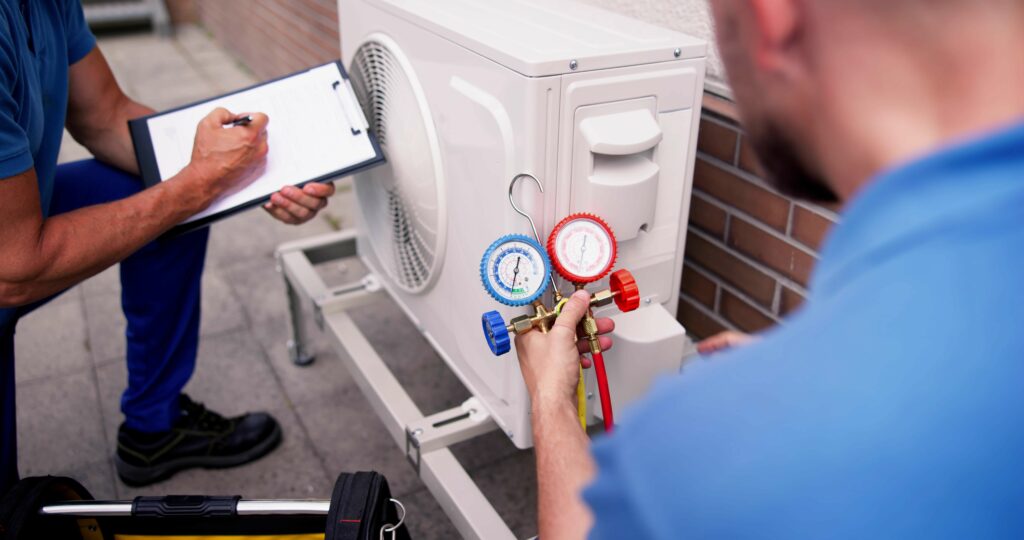
When a technician comes out to recharge your AC system, there is a defined process involved. First, they will assess the current refrigerant level using gauges connected to the service ports on the unit. If levels are low, they will inspect the system for leaks using either dye injection, electronic leak detectors, or UV lights. Once any leaks are located and repaired, the technician will recover any remaining refrigerant in the system, evacuate the system to remove moisture and non-condensable gases, and then recharge it to the proper specification. The type of refrigerant used matters, too. Older systems use R-22, which has been phased out under federal regulations and is now expensive and difficult to source. Newer systems use R-410A or the increasingly common R-32 and R-454B alternatives.
How Much Does an AC Recharge Cost?
Costs vary depending on several factors, including your geographic location, the type of refrigerant your system uses, and the extent of any underlying leak repairs. On average, homeowners can expect to pay anywhere from one hundred fifty dollars to over five hundred dollars for a refrigerant recharge. If your system still uses R-22, costs can climb significantly higher due to supply constraints. Keep in mind that the recharge itself is only part of the expense. If a leak is present, finding and repairing it adds to the bill. In some cases, particularly with older systems, the cost of repair may prompt a conversation about whether a full system replacement makes more financial sense.
Key Advantages of Addressing Refrigerant Issues Promptly
Handling low refrigerant levels as soon as they are detected offers real benefits for both your comfort and your home’s budget. Running an AC system with insufficient refrigerant puts additional stress on the compressor, which is one of the most expensive components in the entire system. Prolonged operation under these conditions can lead to compressor failure, and that is a repair that can cost as much as a new unit in some cases. Prompt attention keeps your system running efficiently, reduces energy consumption, maintains healthy indoor humidity levels, and extends the overall lifespan of your equipment.
Common Drawbacks and Misunderstandings to Watch Out For
There are a few pitfalls in the AC recharge process that homeowners should be aware of before agreeing to any service work. Some less reputable service companies will offer a quick refrigerant top-off without checking for a leak first. This approach essentially guarantees you will need the same service again in the near future, and you will keep paying for refrigerant that continues to escape. Additionally, handling refrigerant is regulated by the Environmental Protection Agency. Technicians must be EPA Section 608 certified to purchase and work with refrigerants legally. If someone offers to recharge your system without proper credentials, that is a red flag. Always verify certifications before allowing work to proceed.
How Home Warranty Coverage Fits Into the Picture
When your AC system develops a refrigerant issue, the last thing you want to be doing is mentally calculating how to cover an unexpected repair bill. This is where a home warranty becomes genuinely valuable. A quality home warranty plan can cover the cost of diagnosing and repairing HVAC systems, including issues related to refrigerant leaks and the components associated with them. It is worth reviewing your specific plan terms carefully to understand what is included, since coverage details vary between providers. What matters is having a plan in place before the system fails so that when a technician’s invoice arrives, you are not absorbing the full cost out of pocket.
If you are thinking about protecting your HVAC system and avoiding the kind of unexpected repair expenses that come with refrigerant issues, Armadillo home warranty coverage for air conditioning systems is built to help homeowners stay protected without the confusion or fine-print frustration. Armadillo keeps things straightforward, with clear coverage terms and a process that actually works when you need it most. Whether you are dealing with a refrigerant leak, a failing compressor, or any number of other covered issues, getting started is simple. You can get a free home warranty quote for your AC system in seconds and find a plan that fits both your home and your budget before the next heat wave arrives.

Frequently Asked Questions About AC Recharge
The following answers address some of the most common questions homeowners have about AC recharge, refrigerant, and what to expect during the service process.
Is an AC recharge something I can do myself?
No. Handling refrigerant requires EPA Section 608 certification, and purchasing refrigerant without that certification is illegal under federal law. AC recharge must be performed by a licensed and certified HVAC technician.
How often does an AC system need to be recharged?
A properly functioning sealed system should never need a recharge. If your system requires refrigerant to be added, it indicates a leak is present somewhere in the system that needs to be identified and repaired.
Can I run my AC if it is low on refrigerant?
You can, but you should not for any extended period. Running the system with low refrigerant forces the compressor to work harder and can cause permanent damage to this expensive component over time.
What refrigerant does my AC system use?
This depends on the age and model of your unit. Systems manufactured before 2010 typically use R-22. Newer systems generally use R-410A, and the most recent models are transitioning to R-32 or R-454B blends. The refrigerant type is usually listed on the outdoor unit label.
Why is R-22 refrigerant so expensive now?
R-22 was phased out under the Montreal Protocol due to its ozone-depleting properties. Production and import of new R-22 ceased in 2020, making existing supplies scarce and significantly more expensive than alternative refrigerants.
Will my home warranty cover an AC refrigerant recharge?
Coverage depends on the specific terms of your plan. Many home warranty providers cover the diagnosis and repair of refrigerant leaks as part of HVAC coverage, but it is important to review your contract details or speak directly with your provider to confirm what is included.
How long does an AC recharge service take?
A straightforward recharge with no complicated leak repairs can typically be completed within one to two hours. If the technician needs to locate and repair a leak first, the process may take longer depending on the complexity and location of the issue.
What happens if a refrigerant leak goes unrepaired?
Leaving a leak unaddressed will cause refrigerant levels to continue dropping, which will progressively reduce cooling efficiency, increase energy consumption, and eventually cause the compressor to overheat and fail. Compressor failure is one of the most costly AC repairs a homeowner can face.
Is frozen ice on my AC unit a sign I need a recharge?
Ice on the evaporator coil or refrigerant lines is a common symptom of low refrigerant, though it can also result from restricted airflow due to a dirty filter or blocked vents. A technician will diagnose the root cause before recommending a recharge.
Does adding refrigerant improve the efficiency of my AC system?
Yes, restoring refrigerant to the proper level allows the system to operate as designed, which improves cooling capacity and overall efficiency. However, this improvement is only sustained if the underlying leak is repaired at the same time.