
Understanding Air Conditioner Recharging and Grounding in the Home Warranty Landscape
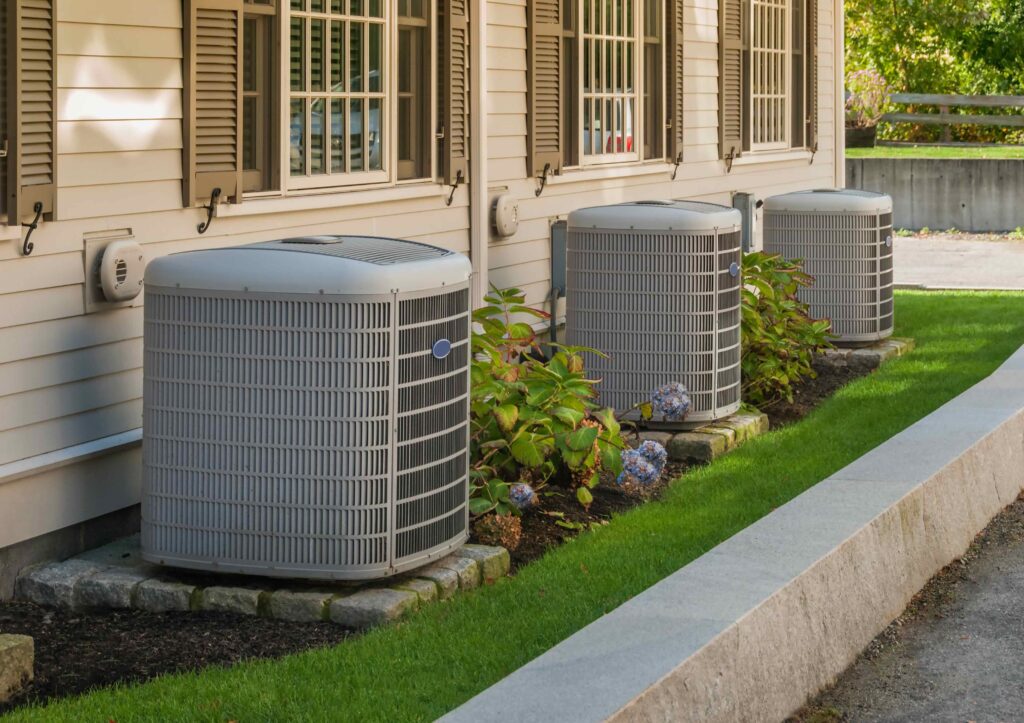
Air conditioning systems are an essential feature of home life, particularly during the warmest months of the year. Yet, as with any major home system, their effectiveness can diminish over time. Two of the most commonly misunderstood aspects of maintaining these systems are air conditioner recharging and grounding. Both play distinct but critical roles in the performance, safety, and long-term value of your cooling equipment. If you’re a homeowner looking to understand where your warranty fits into all of this, it’s helpful to first grasp what these processes entail, how they function, and where service coverage begins and ends.
What Exactly Is Air Conditioner Recharging and Why It Matters
Air conditioner recharging refers to the process of replenishing the refrigerant that your AC system uses to cool the air in your home. Refrigerant is essentially the lifeblood of your air conditioner. When levels are adequate, the system circulates cool air efficiently. But if low, which often results from leaks or slow degradation over time, the system struggles to perform. You might notice warmer air from vents, longer running times, or a total inability to cool certain rooms. These are signs your system may require a recharge.
It’s important to understand that air conditioners are not designed to consume refrigerant the way cars consume fuel. Under normal circumstances, refrigerant should never need to be replaced. So, if levels are low, something is wrong—likely a leak. Recharging fixes the symptom, but not the source. A reputable HVAC technician will first look for leaks, repair them, and then recharge the system to manufacturer-specified levels using the appropriate type of refrigerant. This work requires certification, as improper handling can create both environmental and mechanical hazards.
How Grounding Protects Your AC Unit—And You
While less visible, grounding is a crucial safety feature for your air conditioning system. Grounding is the process of creating a safe path for excess electrical energy to travel into the earth rather than into your home’s electrical infrastructure. When done properly, grounding protects your air conditioner from electrical surges, reduces the risk of fire, and safeguards household devices sharing the same electrical circuit.
In most modern homes, grounding is integrated into the overall electrical design, using copper wiring and grounding rods that ensure fault current has a safe exit route. However, older homes or DIY installations may lack proper grounding or have outdated components that don’t meet current safety codes. This oversight becomes particularly dangerous during power fluctuations or lightning storms, situations which can severely damage unprotected HVAC equipment. For homeowners, it’s worth verifying the status of your AC grounding during routine inspections or repair visits.
The Role of Home Warranties in Air Conditioner Recharging
Here’s where the lines blur a little. Air conditioner recharging is typically not included as a stand-alone service in basic home warranty plans. That’s because low refrigerant generally indicates another issue—usually a leak—which falls under wear and tear or system failure. Most home warranty providers, however, do include refrigerant replacement if it is associated with a covered repair. So, the recharge is performed in conjunction with identifying and fixing the actual defect within the sealed system.
Homeowners often mistake recharging for maintenance, but it’s categorized as a repair. This distinction is important when evaluating home warranty coverage. Keep in mind that preventive maintenance, such as checking refrigerant levels, cleaning condenser coils, or replacing filters, is not usually covered. But a sudden breakdown of the compressor or evaporator coil leading to low refrigerant? That might be. Always read the service agreement carefully to pinpoint what your plan protects against and where you may have out-of-pocket exposure.
Common Drawbacks Related to Recharging and Grounding
Refrigerant recharging can be costly if performed annually due to unresolved leaks—that’s not normal wear and tear, that’s neglect. Continued recharging without addressing the underlying cause rapidly accumulates both financial and mechanical risk. In the long term, compressors may overwork and fail prematurely, leading to more expensive repairs not always covered by basic warranty plans.
Grounding, meanwhile, poses a more passive threat when inadequately installed. HVAC systems with improper grounding are vulnerable to voltage instability and surge damage. These faults can mimic other issues, confusing diagnostic efforts and causing repair delays, particularly during peak seasons. Additionally, poor grounding increases the risk of insurance claims by worsening fire hazards. It’s rarely at the top of a homeowner’s to-do list, but verifying grounding integrity is a wise preventative action, especially after adding major appliances or making electrical modifications to your home.
Recognizing When It’s Time to Recharge or Inspect Grounding
It’s not always immediately obvious when your system requires attention. For recharging, signs include struggling to reach set temperatures, visible ice on your refrigerant line, or unexpected shutdowns paired with high humidity indoors. For grounding concerns, the clues are more subtle—buzzing sounds, inconsistent operation when other appliances are in use, or tripping breakers. A qualified HVAC contractor equipped with the right diagnostic tools can quickly determine the cause and recommend repairs within your warranty scope if applicable.
How a Home Warranty Streamlines Emergency Cooling Repairs
Sudden AC failure mid-summer is not only inconvenient; it’s expensive. A robust home warranty plan simplifies what is otherwise a stressful situation. Once you’ve confirmed coverage and submitted a service request, a trained technician is dispatched for diagnostics. If the cause turns out to be refrigerant loss due to a covered defect, the repair and recharge are typically included in your service fee. For older systems or uncertainty around electrical code compliance, a comprehensive plan may also include optional coverage for secondary components, such as capacitors or wiring corrections, which influence grounding performance and overall unit stability.
Why Armadillo Makes Sense for Reliable AC System Coverage
Aging air conditioning systems aren’t just a comfort issue—they’re a liability. With Armadillo, your policy ensures that if a covered component causes refrigerant leakage or compromises your system’s safety, the fix is handled quickly, transparently, and without the daunting costs of emergency HVAC visits. Our plans are built around what modern homeowners actually need: clarity, speed of service, and meaningful protection. Explore our easy-to-understand coverage options by visiting our homepage, or if you’re ready to protect your HVAC now, begin customizing your plan directly through the Armadillo plan builder. Your home deserves support that adapts with its systems—and we’re here to provide it.