What Is Air Conditioning Refrigerant and Why Does It Matter?
If your air conditioner has ever stopped cooling properly, there is a reasonable chance someone mentioned the word “refrigerant.” It gets brought up a lot, but most homeowners have no real idea what it is, what it costs, or why it matters so much. That is a gap worth closing. Refrigerant is the chemical compound that makes your air conditioning system actually work. Without it, your AC is just moving warm air around your home and doing absolutely nothing useful. Understanding how refrigerant functions, what it costs to service, and how to protect yourself from unexpected expenses is genuinely valuable information for any homeowner.
How Air Conditioning Refrigerant Actually Works
The cooling process inside your AC system is a continuous cycle. Refrigerant absorbs heat from the air inside your home and carries it outside, where that heat is released. Then the refrigerant returns indoors and does it again. This loop runs constantly while your system is on. The refrigerant changes between liquid and gas states as it moves through the system, and that phase transition is what makes the heat transfer possible. It does not get consumed in the process, which is an important distinction. A properly functioning, sealed AC system should maintain the same refrigerant charge for the life of the equipment. If refrigerant levels are low, something has gone wrong, typically a leak.
Types of Refrigerant Used in Home HVAC Systems
The type of refrigerant in your system depends largely on when your air conditioner was manufactured. For years, R-22, commonly known as Freon, was the industry standard. However, R-22 is an ozone-depleting substance and has been phased out under environmental regulations. Production and import of R-22 was banned in the United States starting January 1, 2020. That matters to homeowners because R-22 systems that develop leaks now rely entirely on recycled or reclaimed supply, which has become increasingly scarce and expensive. Most systems installed after 2010 use R-410A, a more environmentally responsible refrigerant, though the industry is continuing to evolve toward newer alternatives like R-32 and R-454B.
The Real Cost of Refrigerant for Homeowners
Here is where things get genuinely important. The cost of refrigerant has shifted dramatically, especially for older systems. R-22 refrigerant that once cost roughly five to ten dollars per pound now regularly sells for anywhere from fifty to one hundred fifty dollars per pound on the open market, sometimes more depending on supply and regional availability. A typical residential AC system holds between five and fifteen pounds of refrigerant, so a full recharge on an older R-22 unit could cost several hundred to well over a thousand dollars in refrigerant alone, before you factor in labor and diagnostics. R-410A is considerably more affordable right now, but prices have also been climbing as regulatory changes continue to affect supply chains.
Signs Your System May Have a Refrigerant Leak
Because refrigerant should not deplete under normal circumstances, low refrigerant almost always indicates a leak somewhere in the system. There are a few signs homeowners can look for before calling a technician.
- Your home is not reaching the set temperature even when the system runs continuously
- Ice is forming on the refrigerant lines or the indoor evaporator coil
- You hear a hissing or bubbling noise near the indoor or outdoor unit
- Your energy bills have increased without an obvious explanation
- There is warm air coming from the supply vents when the AC is running
Any one of these symptoms warrants a call to a licensed HVAC technician. Adding refrigerant without repairing the leak is not a solution. It is a temporary and expensive stopgap that delays an inevitable repair.
What an HVAC Technician Does During a Refrigerant Service
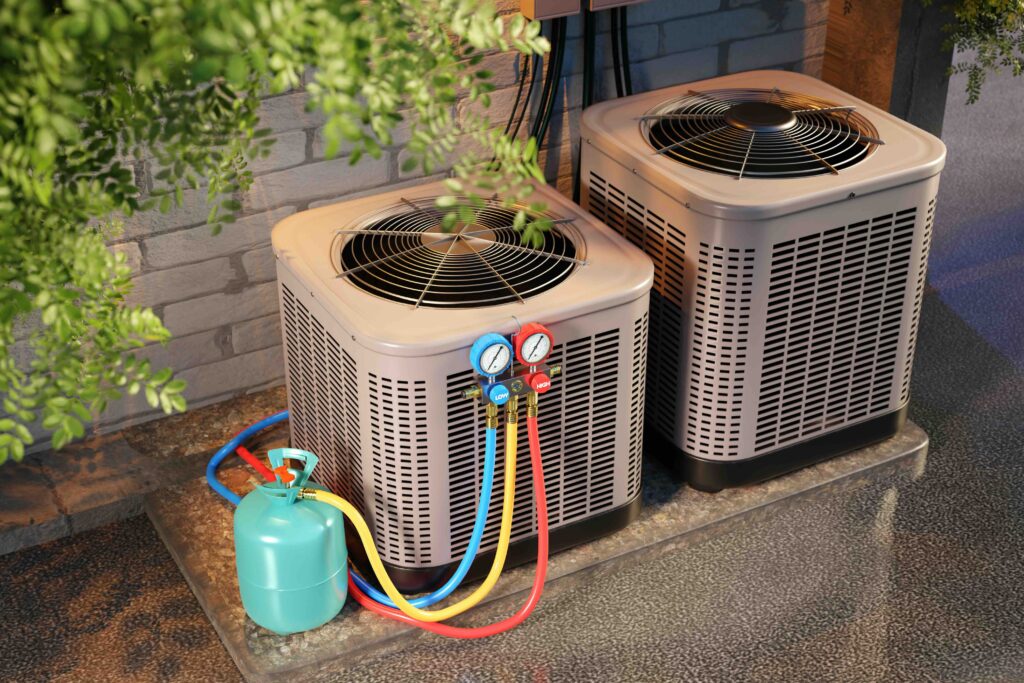
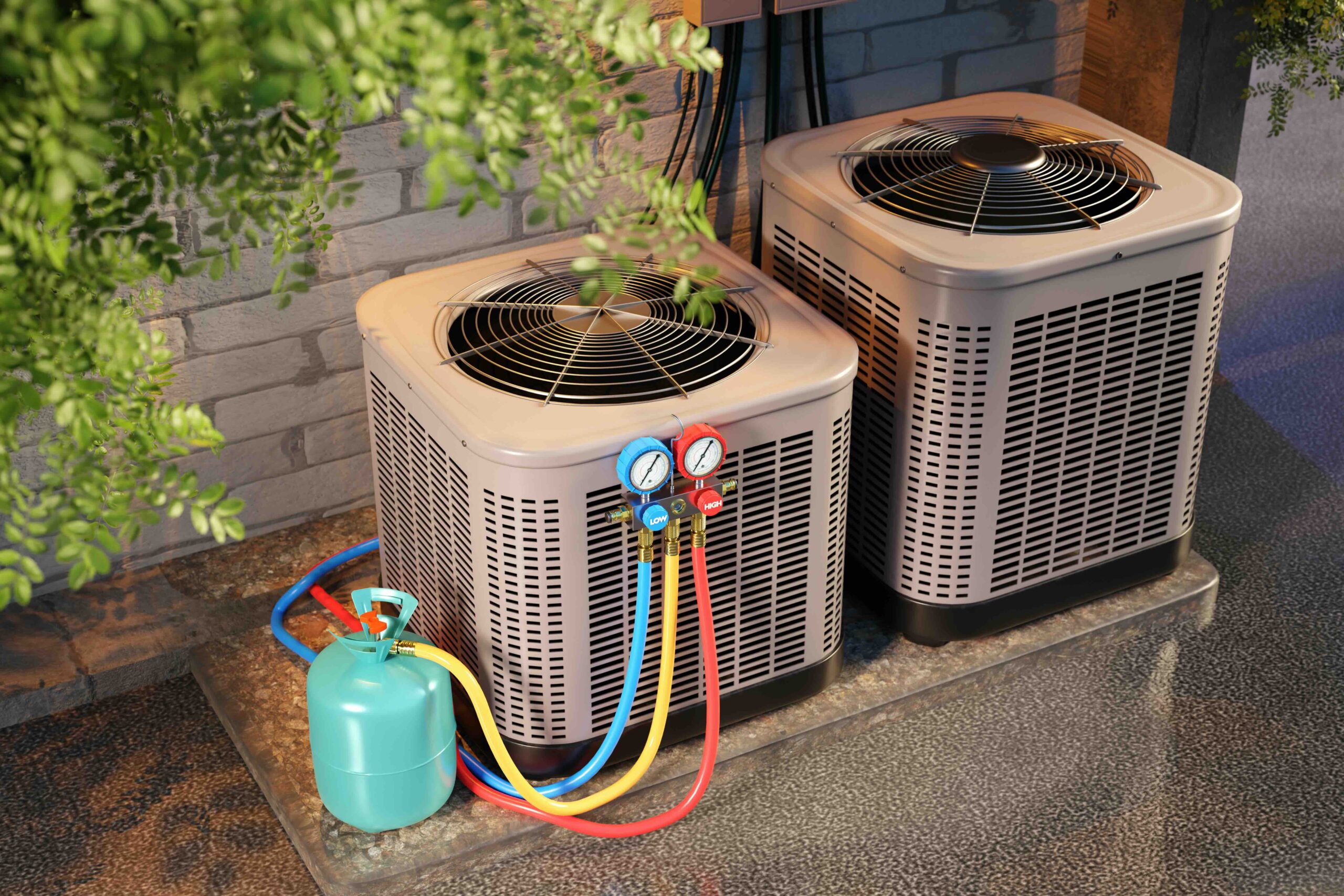
When a technician services your refrigerant, the process involves more than just topping off the system. A proper service call includes pressure testing to locate the source of a leak, repairing the leak, and then recharging the system to the manufacturer-specified level. Federal law requires that technicians handling refrigerants hold an EPA Section 608 certification, so this is not a DIY situation under any circumstances. The full cost of a refrigerant-related service call, including labor, leak repair, and refrigerant itself, commonly ranges from three hundred to over two thousand dollars depending on the refrigerant type, how much is needed, and the severity of the leak location.

Key Advantages of Understanding Your Refrigerant Situation
Homeowners who understand their refrigerant type and system age are simply better positioned to make smart financial decisions. If you have an older R-22 system, you can evaluate whether continued investment in repairs makes economic sense compared to replacing the unit with a modern, R-410A or newer system. Knowing the refrigerant type before an emergency happens also helps you get accurate cost estimates and avoid being caught off guard by a repair bill that feels enormous without context. Proactive awareness is always less expensive than reactive panic.
Common Drawbacks and Limitations to Be Aware Of
There are real frustrations in this space that homeowners should understand. The phase-out of R-22 means that older systems are becoming progressively more expensive to maintain, even if the mechanical components are otherwise in good condition. This creates a difficult situation where a homeowner might have a system that functions well but faces disproportionately high repair costs due to refrigerant availability. Additionally, many standard home warranty plans have historically placed limitations or exclusions on refrigerant coverage, either capping the amount covered per pound or excluding it from covered repairs entirely. Reading the fine print on any home warranty contract is essential, and refrigerant coverage is one of the specific line items worth examining closely before signing.
Practical Tips for Managing AC Refrigerant Costs at Home
There are a few things homeowners can do to stay ahead of refrigerant-related costs and protect their systems.
- Schedule annual HVAC maintenance with a licensed technician to catch small leaks before they become major issues
- Know what type of refrigerant your system uses, which is typically listed on the nameplate of your outdoor unit
- Consider the age of your system when evaluating repair versus replacement decisions, especially for R-22 equipment
- Keep your air filter clean and replace it regularly to reduce strain on the system overall
- Look into home warranty coverage that specifically addresses refrigerant costs and leaks in its terms
Why Armadillo Home Warranty Makes Sense for AC Refrigerant Coverage
When an AC refrigerant issue strikes, the last thing you want is to absorb a thousand-dollar surprise repair because your coverage fell short. That is exactly the kind of situation a well-structured home warranty is designed to address. Armadillo was built with homeowners in mind, specifically to close the gaps that traditional home warranties leave open. If you want a modern approach to protecting your home’s critical systems, including your air conditioning, Armadillo home warranty coverage for HVAC systems and refrigerant repairs is worth a serious look. The coverage is straightforward, the claims process is designed to be genuinely simple, and the value is built around what real homeowners actually face. If your AC system is aging or you have been putting off addressing a refrigerant concern, now is the right moment to act before the issue gets more expensive. You can get a free home warranty quote that covers air conditioning refrigerant and system repairs in just a few minutes and see exactly what kind of protection is available for your home.

Frequently Asked Questions About AC Refrigerant and Home Warranty Coverage
These are the questions homeowners ask most often when navigating refrigerant costs, system maintenance, and warranty protection for their air conditioning equipment.
How much does it cost to recharge AC refrigerant in a home system?
The total cost depends on the type of refrigerant and how much is needed. R-410A recharges typically range from one hundred fifty to five hundred dollars. R-22 recharges can run significantly higher, often between five hundred and two thousand dollars or more, due to limited supply and elevated per-pound pricing.
Does a home warranty cover AC refrigerant?
Coverage varies by provider and plan. Some home warranties cover refrigerant as part of AC system repairs, while others cap reimbursement per pound or exclude it entirely. Always review the terms carefully before purchasing a plan, and ask specifically about refrigerant coverage limits.
How do I know what refrigerant type my AC uses?
Check the data plate or nameplate on your outdoor condenser unit. It will list the refrigerant type required for your system. You can also find this information in your equipment’s owner manual or by asking your HVAC technician.
Is low refrigerant always caused by a leak?
Yes. Refrigerant does not get consumed during normal operation. If levels are low, it means refrigerant has escaped the system, which indicates a leak that must be identified and repaired before the system is recharged.
Can I add refrigerant to my AC system myself?
No. Handling refrigerant requires an EPA Section 608 certification. It is illegal for uncertified individuals to purchase or handle refrigerants in the United States. This work must be performed by a licensed HVAC professional.
How long does refrigerant last in an AC system?
In a properly sealed system with no leaks, refrigerant should last the entire lifespan of the equipment. There is no scheduled interval for replacing or replenishing refrigerant under normal operating conditions.
What happens if I keep running my AC with low refrigerant?
Running the system with insufficient refrigerant puts excessive strain on the compressor, which is the most expensive component of your AC system. Continued operation in this state can cause permanent compressor damage, turning what might have been a repair into a full system replacement.
Is R-22 refrigerant still available?
Yes, but only through recycled or reclaimed supply. New production and importation of R-22 was banned in the United States in 2020. This limited supply is why per-pound costs have increased substantially and why the economics of maintaining older R-22 systems have shifted so dramatically.
At what point should I replace my AC instead of repairing a refrigerant leak?
A general rule of thumb is to multiply the age of the system by the cost of the repair. If that number exceeds the cost of a new system, replacement is typically the smarter financial decision. For R-22 systems older than fifteen years, refrigerant repair costs often cross that threshold quickly.
Does regular HVAC maintenance help prevent refrigerant leaks?
Annual maintenance allows technicians to catch early signs of developing leaks, corrosion, or component wear before they become larger failures. While maintenance cannot guarantee a leak will never occur, it significantly reduces the likelihood of discovering a major refrigerant problem during peak cooling season when repair costs and wait times tend to be highest.