Why Your AC Needs a Spring Tune-Up Before Summer Arrives
There is a particular kind of dread that comes with turning on your air conditioner for the first time in months, only to hear something you did not expect — a clunk, a rattle, or worse, nothing at all. Spring is the window between that scenario and a summer that actually goes the way you planned. An AC spring tune-up is one of the most straightforward preventive maintenance steps a homeowner can take, and yet it tends to get skipped until the system is already struggling. Understanding what the tune-up actually involves, what it does for your equipment, and what it does not cover helps you approach the season with both confidence and realistic expectations.
What Is an AC Spring Tune-Up, Exactly
An AC spring tune-up is a scheduled maintenance visit performed by an HVAC technician, typically in the weeks before cooling season begins in earnest. The goal is to inspect, clean, and calibrate your central air conditioning system so it is operating at its intended efficiency when temperatures start climbing. It is not a repair call — nothing has to be broken to justify the visit. Think of it as the equivalent of a vehicle inspection before a long road trip. You are not waiting for a flat tire. You are making sure one does not happen at the worst possible moment.
What Happens During the Service Visit
A standard AC tune-up covers more ground than most homeowners realize. When a qualified technician shows up in the spring, they are working through a checklist that touches nearly every major component of your cooling system.
- Inspect and clean the evaporator and condenser coils
- Check refrigerant levels and look for signs of leakage
- Lubricate moving parts including motors and fan bearings
- Test the thermostat calibration and electrical connections
- Clear condensate drain lines to prevent moisture backup
- Measure airflow through the system and across the coils
- Inspect the blower motor and assess belt tension if applicable
- Replace or inspect the air filter
Each of those items connects to a real performance or reliability outcome. Dirty coils force the system to work harder. Low refrigerant signals a potential leak that will only worsen. Blocked drain lines create moisture problems that spread well beyond the equipment itself. The tune-up addresses each of these before they become headlines on a repair invoice.

The Real Advantages of Scheduling Annual Maintenance
The benefits of a spring tune-up extend beyond simply confirming the system turns on. Efficiency is the big one. An air conditioner operating with clean coils, proper refrigerant charge, and well-lubricated components uses measurably less energy to produce the same amount of cooling. For most households, that translates directly to lower electricity bills during the months when the system runs daily. Over a full cooling season, the savings can offset the cost of the maintenance visit with room to spare.
Longevity is the other major advantage. HVAC systems are not inexpensive to replace. A new central air conditioning system can run anywhere from several thousand to well over ten thousand dollars depending on size, efficiency rating, and installation complexity. Regular maintenance extends the useful life of that equipment meaningfully. Industry data consistently points to a difference of several years between systems that receive annual service and those that do not. That gap represents real money and real peace of mind.
Common Drawbacks and Honest Limitations
A tune-up is not a guarantee. It does not make aging equipment immune to failure, and it does not cover repairs. If a technician discovers a failing capacitor, a refrigerant leak that needs sealing, or a blower motor showing signs of wear, those repairs are separate from the tune-up itself and priced accordingly. Homeowners sometimes arrive at the maintenance visit expecting a clean bill of health and leave with a repair estimate they were not anticipating. That is not a failure of the tune-up process — it is actually the system working correctly. Better to find the problem in April than in the middle of a July heat wave.
There is also the matter of older systems. A tune-up on equipment that is fifteen or more years old may confirm that the unit is running but may not meaningfully extend its lifespan. At some point, maintenance costs and repair frequency begin to signal that replacement is the smarter investment. A good technician will tell you honestly where that line is for your specific equipment.
How to Prepare Your Home Before the Technician Arrives
Getting the most out of a tune-up visit starts before the technician walks through the door. A few simple steps on the homeowner side make the inspection go more efficiently and ensure nothing important gets overlooked.
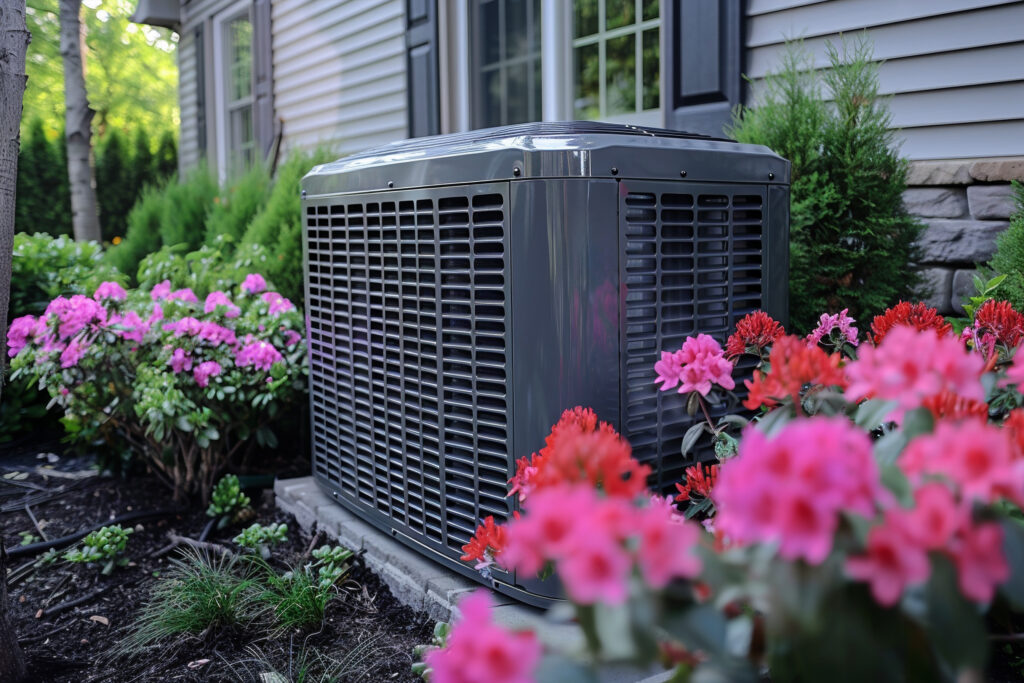
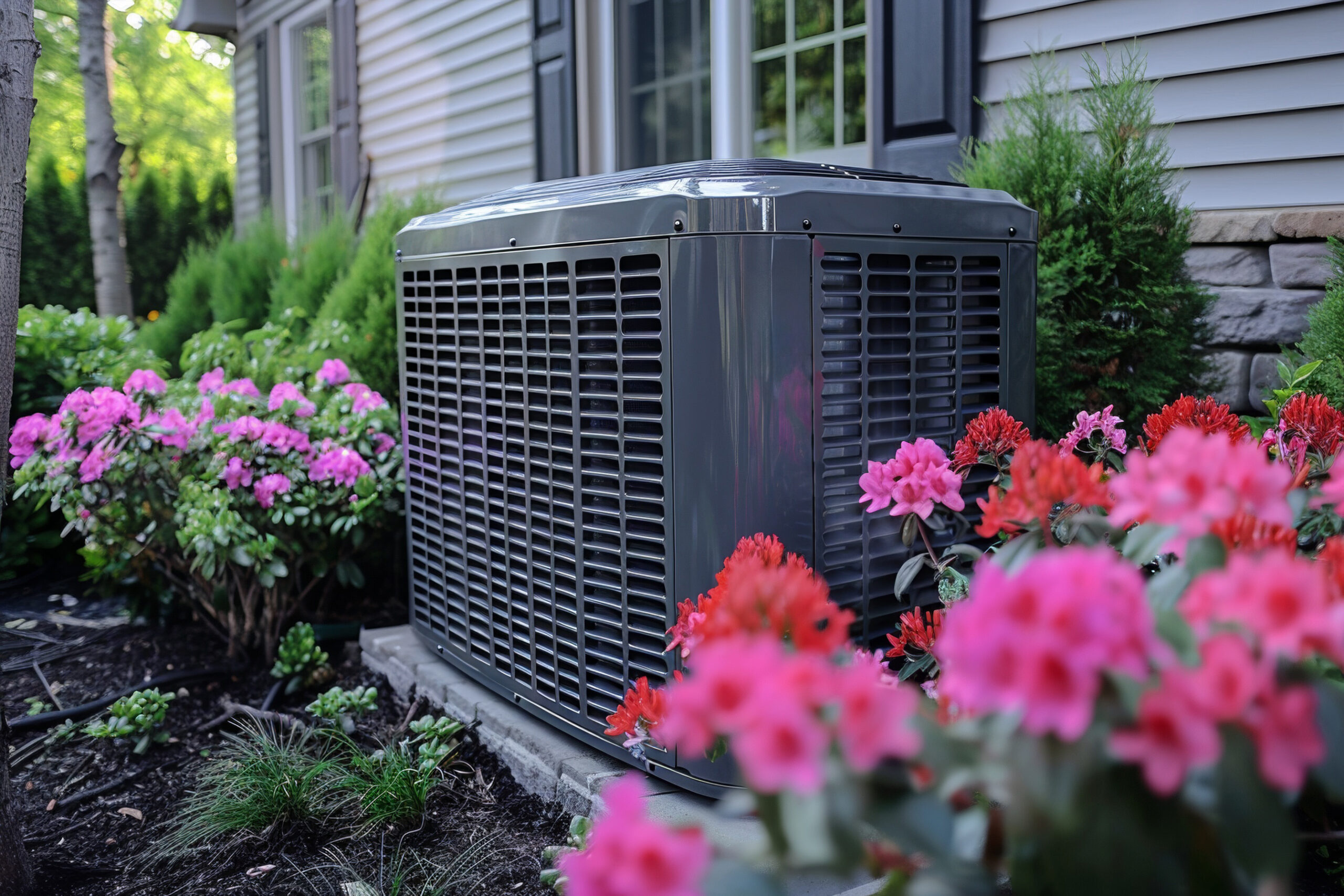
- Clear at least two feet of space around the outdoor condenser unit
- Replace or have a fresh filter available if yours is overdue
- Make note of any performance issues from last season, such as uneven cooling or unusual sounds
- Ensure the thermostat is accessible and has working batteries if applicable
- Check that the area around the indoor air handler is clear for easy access
Timing Matters More Than Most Homeowners Think
Spring tune-ups should happen before the system is under heavy load, which typically means scheduling sometime between late February and early May depending on your climate. The practical reason is simple: HVAC companies book up fast once temperatures spike. If you wait until the first genuinely hot week to call, you may be waiting days or longer for an available appointment. Scheduling in the shoulder season means faster access to qualified technicians and more flexibility if a follow-up repair is needed before summer arrives in full force.
What to Ask Your HVAC Technician During the Visit
Treating a tune-up visit as a passive event is a missed opportunity. The technician has eyes on your system in a way you simply do not have on a day-to-day basis. Ask them directly about the age and condition of your equipment, whether any components appear to be approaching end of life, what the refrigerant situation looks like, and whether there are any efficiency upgrades worth considering. A qualified technician will answer those questions honestly. If yours seems reluctant to discuss findings in plain language, that itself is useful information.
How a Home Warranty Fits Into the AC Maintenance Picture
Maintenance and protection serve different functions, and the distinction matters. A spring tune-up is proactive — it keeps equipment running efficiently and catches developing problems early. A home warranty is reactive — it covers the cost of repair or replacement when a covered system or appliance fails due to normal wear and use. The two work well together precisely because maintenance reduces the frequency of failures while a home warranty limits the financial damage when failures happen anyway.
When your air conditioner breaks down in the middle of summer, the repair cost can run into the hundreds or thousands of dollars depending on the component. A home warranty that covers HVAC systems means that call goes through a plan rather than directly to your credit card. That kind of coverage becomes especially relevant in the months following a spring tune-up, when your system has been inspected and cleared but is about to face its highest workload of the year.
Why Armadillo Belongs in Your Home Protection Plan This Season
If you are investing in an AC spring tune-up to protect your cooling system, the next logical step is making sure you have coverage when something still goes wrong. Armadillo home warranty plans designed to protect your HVAC system and major home appliances offer straightforward protection without the frustrating fine print that tends to define the home warranty experience elsewhere. Armadillo operates on a model built around transparency, which means you understand what is covered before you need to use it — not after. Cooling system repairs are exactly the kind of high-cost, unpredictable expense that a home warranty is built to handle, and having that coverage in place before summer arrives is the kind of decision that tends to look very smart in hindsight. If you are ready to stop leaving expensive repairs to chance, now is the time to get a home warranty quote that covers your air conditioner and more and find out what a plan actually costs for your home.

Frequently Asked Questions About AC Spring Tune-Ups
How often should I schedule an AC tune-up?
Most HVAC professionals recommend scheduling a tune-up once per year, ideally in the spring before the primary cooling season begins. Some homes with older equipment or high usage may benefit from bi-annual service that also includes a fall heating inspection.
How much does an AC spring tune-up typically cost?
Costs vary by region and provider, but a standard AC tune-up generally runs between $75 and $200. Some HVAC companies offer service agreements that bundle annual maintenance into a lower per-visit rate.
Does a tune-up include refrigerant refills?
Not automatically. A tune-up includes checking refrigerant levels. If levels are low, adding refrigerant is typically billed separately because low refrigerant usually indicates a leak that also needs to be addressed.
Can I perform an AC tune-up myself?
Homeowners can handle basic tasks like replacing air filters, clearing debris around the outdoor unit, and checking thermostat settings. However, the core components of a tune-up — refrigerant checks, electrical testing, and coil cleaning — require a licensed HVAC technician with proper equipment.
What happens if I skip the annual tune-up?
Skipping maintenance allows minor issues to develop undetected, increases energy consumption due to reduced efficiency, and statistically shortens the operational lifespan of the equipment. It also means you are more likely to discover problems at the least convenient moment.
Will a home warranty cover my AC if I skipped maintenance?
Home warranty coverage terms vary by provider. Some plans require documented maintenance history to honor claims, while others focus strictly on whether the failure resulted from normal wear and use. Reviewing your specific plan terms is essential to understanding how maintenance history affects your coverage.
How long does a standard AC tune-up appointment take?
Most tune-up visits take between one and two hours for a standard central air conditioning system. Larger or more complex systems, or those with identified issues requiring closer inspection, may take longer.
When is the best time of year to book an AC tune-up?
Late February through April is generally the ideal window. Booking during this period gives you access to more appointment availability, ensures the system is ready before peak heat arrives, and leaves time to schedule follow-up repairs if the technician finds anything that needs attention.
Does a new air conditioner still need annual tune-ups?
Yes. Even new equipment benefits from annual maintenance. Many manufacturer warranties actually require documented professional service as a condition of honoring the warranty, so skipping tune-ups on newer systems can have more than one set of consequences.
What is the difference between a tune-up and a diagnostic visit?
A tune-up is preventive maintenance performed on a functioning system. A diagnostic visit is a service call initiated because the system is experiencing a specific problem. The two serve different purposes and are typically priced and structured differently by HVAC providers.