What Is an AC Tune-Up and Why Does It Matter for Your Home?
If your air conditioner has been quietly humming along all winter without a second thought from you, it is probably due for some attention before the heat arrives. An AC tune-up is a scheduled preventive maintenance service performed on your central air conditioning system, typically before the cooling season begins. It involves a trained technician inspecting, cleaning, and adjusting various components of your system to make sure everything is operating at its best. Think of it like an annual physical for your HVAC unit. You might feel fine, but a professional check-up can catch something you would have never noticed on your own until it became a real problem.
How an AC Tune-Up Actually Works
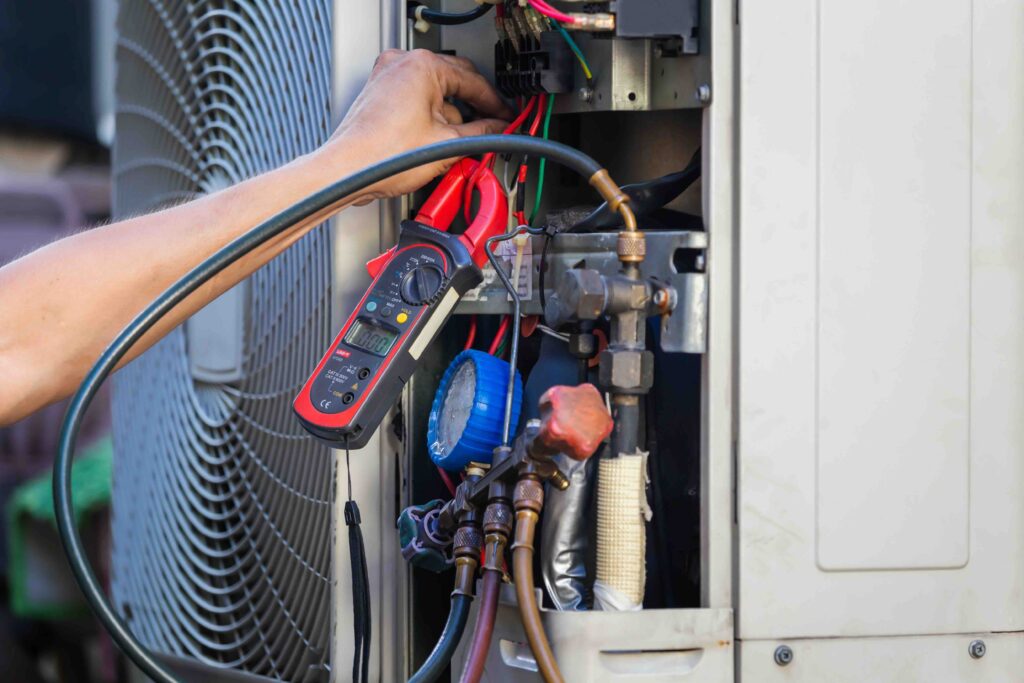
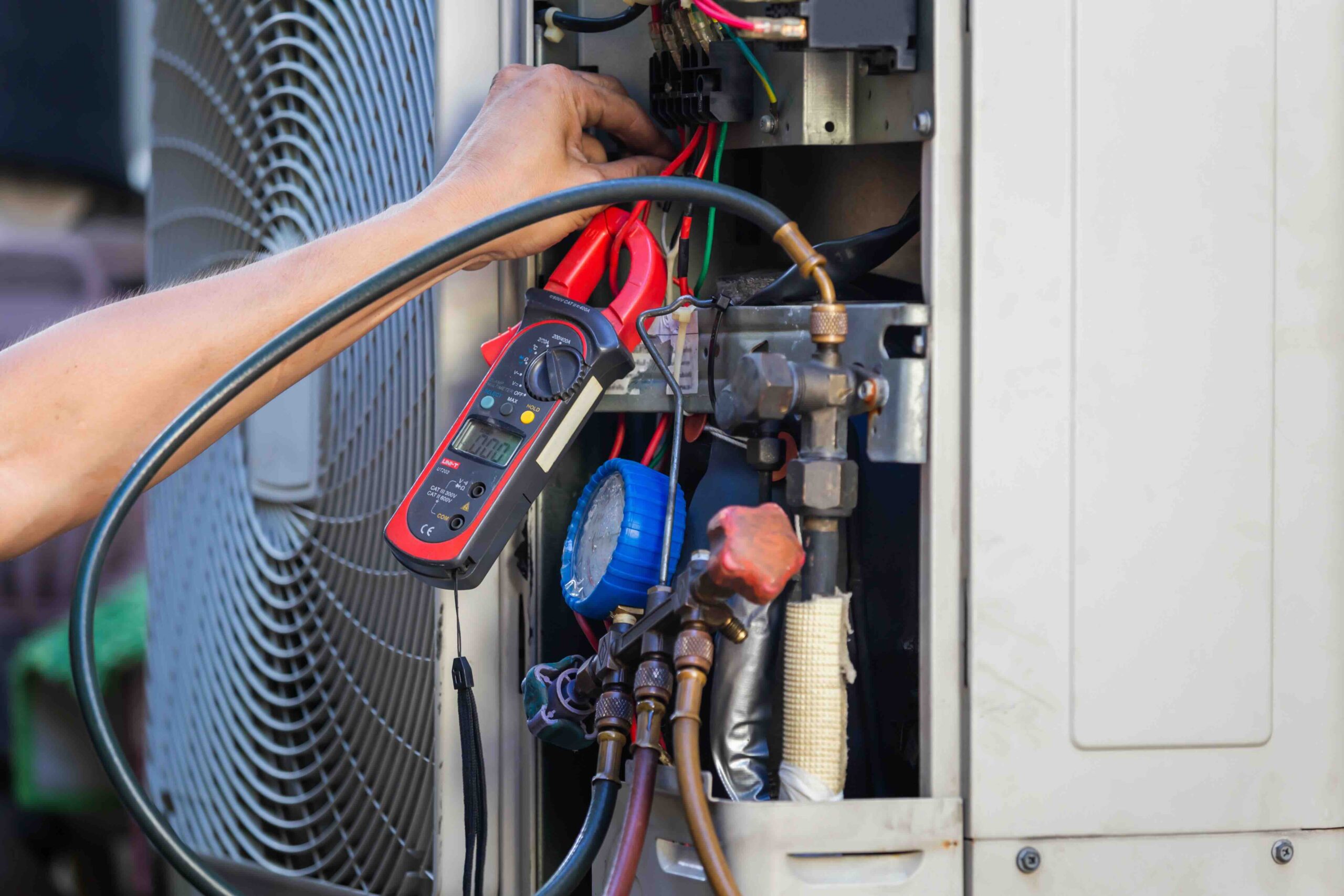
When a technician arrives for a tune-up, the service goes well beyond a quick glance at your unit. The process typically starts with an inspection of the entire system, inside and out. From there, the technician gets into the mechanical and operational details that determine whether your AC is truly running efficiently or just running. Here is what a standard AC tune-up usually covers:
- Checking and replacing the air filter if needed
- Cleaning the evaporator and condenser coils
- Inspecting refrigerant levels and checking for leaks
- Lubricating moving parts such as fan motors and bearings
- Testing electrical connections and inspecting the capacitor and contactor
- Checking thermostat calibration and system controls
- Inspecting the condensate drain line for blockages
- Measuring airflow and verifying proper system cycling
Each of these steps plays a role in keeping your system from working harder than it has to. A clogged coil or a low refrigerant charge can quietly drive up your energy bill for months before anyone notices. A tune-up catches that before it snowballs.
The Key Advantages of Scheduling Regular AC Maintenance
There is a strong case for making this an annual habit, not just a one-time fix. Consistent AC maintenance keeps your system efficient, which directly affects your monthly energy costs. According to the U.S. Department of Energy, a well-maintained air conditioner can operate significantly more efficiently than a neglected one, which translates to real savings over time. Beyond cost, regular tune-ups extend the lifespan of your equipment. HVAC systems that receive routine care routinely outlast those that do not. You are also far less likely to experience a system failure on the hottest day of the year, which is precisely when AC units tend to give out. There is also an indoor air quality angle here. A clean system with a fresh filter and clear drain line circulates better air through your home, which matters more than most people realize.
Common Drawbacks and Honest Limitations to Know
A tune-up is not a cure-all, and it is worth being upfront about that. If your system is aging or has pre-existing mechanical issues, a tune-up can identify those problems but cannot always fix them within the scope of a standard service. Additional repairs may be recommended, which adds cost. Some homeowners are also surprised to learn that a tune-up does not include parts replacement by default. If your capacitor is failing or your refrigerant is low, those corrections typically come with separate charges. Pricing for tune-up services also varies widely depending on your region and provider, so it pays to compare before committing. Finally, a tune-up does not make an old system new. If your unit is approaching 12 to 15 years of age, the conversation may eventually turn toward replacement rather than maintenance.

How Often Should Homeowners Schedule an AC Tune-Up?
The general recommendation is once per year, ideally in the spring before cooling season begins. If you live in a region where your air conditioner runs almost year-round, twice-yearly service is worth considering. Pairing your AC tune-up with your furnace inspection in the fall is a smart way to stay on top of your entire HVAC system without letting anything slip through the cracks. Most HVAC companies offer maintenance agreements that handle scheduling for you automatically, which takes the mental load off entirely.
Signs Your AC Needs a Tune-Up Right Now
Sometimes the schedule tells you it is time, and sometimes your system does. There are a few signals homeowners should not ignore. If your energy bills have crept up without an obvious reason, reduced efficiency is often the culprit. Unusual sounds like rattling, grinding, or high-pitched squealing suggest mechanical components that need attention. Weak airflow from your vents, rooms that are not cooling evenly, or a system that short-cycles on and off more than usual are all signs that something is off. A musty smell coming from your vents can point to mold growth in the drain line or on the coils. Any of these alone is worth a call to a technician.
DIY Versus Professional AC Maintenance: Where the Line Is
There are a handful of things homeowners can reasonably handle on their own. Replacing the air filter every one to three months is the single most impactful DIY maintenance task you can perform. Keeping the area around your outdoor condenser unit clear of debris, leaves, and overgrown vegetation also makes a difference. Gently rinsing the exterior condenser fins with a garden hose is something many homeowners handle themselves as well. That said, refrigerant handling requires EPA certification, and electrical component testing involves real safety risk. Coil cleaning chemicals can damage equipment if misapplied. The interior work of a tune-up genuinely belongs in the hands of a licensed HVAC technician. Attempting it without the right tools and training can create more problems than it solves.
What to Expect from a Tune-Up Service Call
A standard AC tune-up appointment typically takes between one and two hours depending on the size of your system and its current condition. The technician will usually walk you through any findings at the end of the visit and present options if additional repairs are warranted. It is reasonable to ask for a written summary of everything that was inspected and any recommendations going forward. Good technicians welcome that conversation. If the company is also trying to sell you a replacement system on the first visit without a clear explanation of why your current unit cannot be serviced, that is worth a second opinion.
AC Tune-Ups and Home Warranty Coverage: Understanding the Connection
This is where a lot of homeowners get tripped up. A home warranty plan and an AC tune-up service are not the same thing, but they work well together. A home warranty typically covers the cost of repairing or replacing a covered system when it breaks down due to normal wear and tear. What it generally does not cover is routine preventive maintenance, which is where the tune-up comes in. Think of it this way: the tune-up keeps your system running well, and the home warranty protects you when something breaks despite your best efforts. Having both in place is the most financially sound approach to managing a major home system like your air conditioner.

Why Armadillo Is the Right Home Warranty Partner for AC Owners
You have taken the time to understand what an AC tune-up is and why it matters. That level of attention to your home deserves protection that actually holds up when something goes wrong. Armadillo was built for homeowners who take their systems seriously and want coverage that is straightforward, honest, and responsive. When your air conditioner develops a covered failure despite proper maintenance, Armadillo is the kind of plan that steps in without putting you through an obstacle course to get service. For homeowners who want to understand exactly what they are covered for before committing, Armadillo home warranty plans for HVAC systems and home appliances lay out the details clearly so there are no surprises when you need to file a claim. If you are ready to stop wondering what a major repair could cost you out of pocket, you can get a free home warranty quote for your air conditioning system and more in just a few minutes. Maintaining your AC is smart. Protecting it is smarter.
Frequently Asked Questions About AC Tune-Up Service
Real questions from homeowners about what to expect from AC maintenance, what it covers, and how it connects to home warranty protection.
What does an AC tune-up include?
A standard AC tune-up includes inspection and cleaning of the coils, checking refrigerant levels, testing electrical components, lubricating moving parts, inspecting the condensate drain, verifying thermostat calibration, and assessing overall system performance.
How long does an AC tune-up take?
Most AC tune-up appointments take between one and two hours, depending on the size of the system, its current condition, and whether any issues are discovered during the inspection.
How much does an AC tune-up cost?
Costs typically range from $75 to $200 for a standard tune-up, though pricing varies by region, provider, and whether additional repairs or refrigerant recharge are needed.
Does a home warranty cover an AC tune-up?
Generally, no. Home warranties cover repair or replacement of systems that fail due to normal wear and tear. Routine preventive maintenance like a tune-up is the homeowner’s responsibility and is not typically covered under a home warranty plan.
When is the best time of year to schedule an AC tune-up?
Spring is the ideal time, before the cooling season begins. Scheduling early gives technicians more availability and ensures your system is ready before temperatures rise.
Can an AC tune-up improve energy efficiency?
Yes. A well-maintained air conditioner runs more efficiently, which reduces energy consumption and can lower your monthly utility bills. Dirty coils, low refrigerant, and clogged filters all force the system to work harder than necessary.
What happens if I skip my annual AC tune-up?
Skipping routine maintenance increases the risk of system inefficiency, higher energy costs, unexpected breakdowns, and a shortened equipment lifespan. Issues that could have been caught early become more expensive over time.
Will an AC tune-up fix a refrigerant leak?
A tune-up will identify a refrigerant leak, but repairing the leak and recharging the system are typically billed as separate services outside the standard tune-up scope.
Is an AC tune-up worth it for an older unit?
It depends on the unit’s age and condition. Tune-ups can extend the life of older systems, but if the unit is approaching 12 to 15 years old and experiencing repeated issues, a technician may recommend replacement as the more cost-effective long-term option.
Does a home warranty require proof of AC maintenance?
Some home warranty providers may ask about maintenance history when evaluating a claim. Keeping records of your annual tune-up services is a good practice and can support your claim if a covered failure occurs.