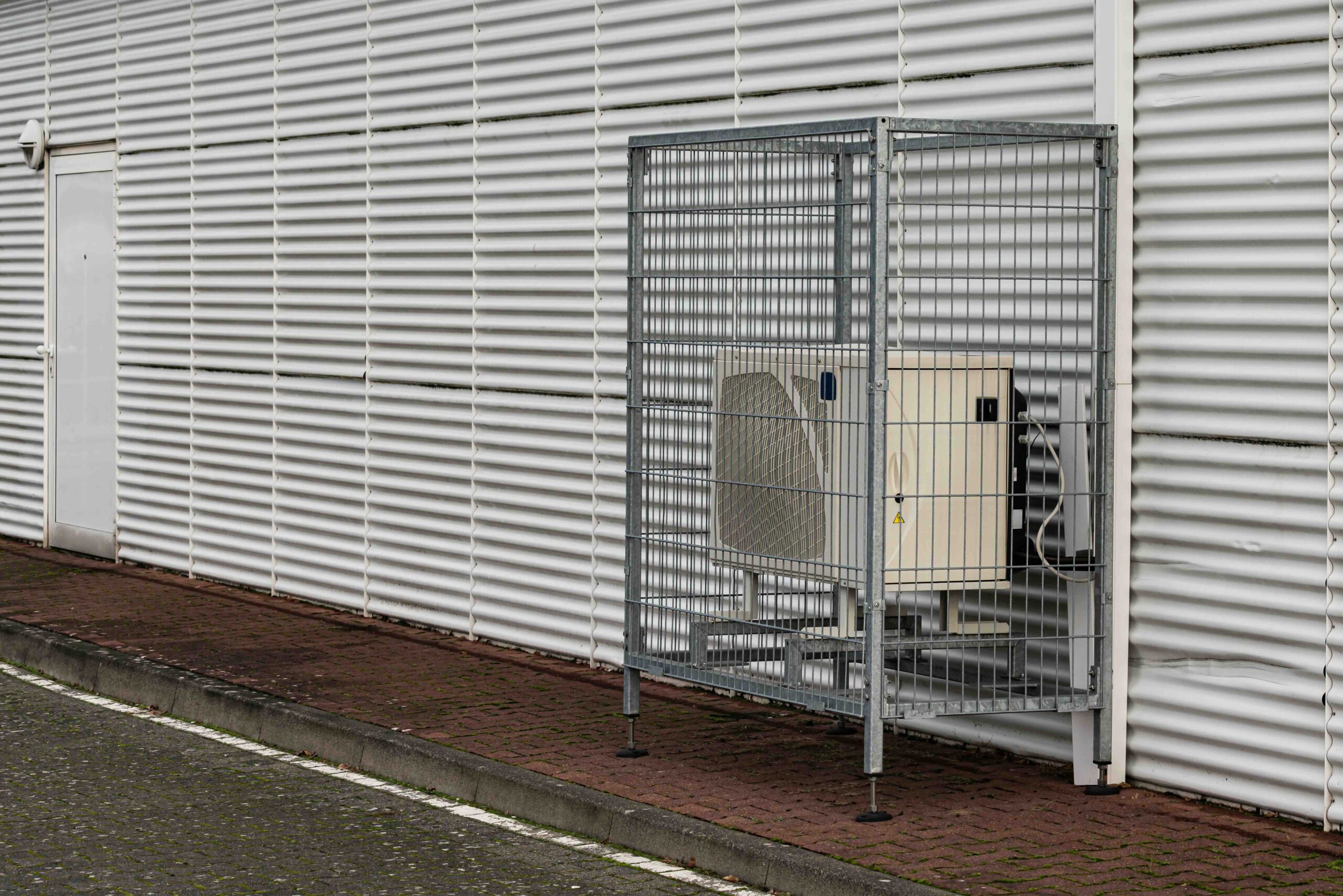
What Is Air Conditioning Unit Fencing and Why Does It Matter?
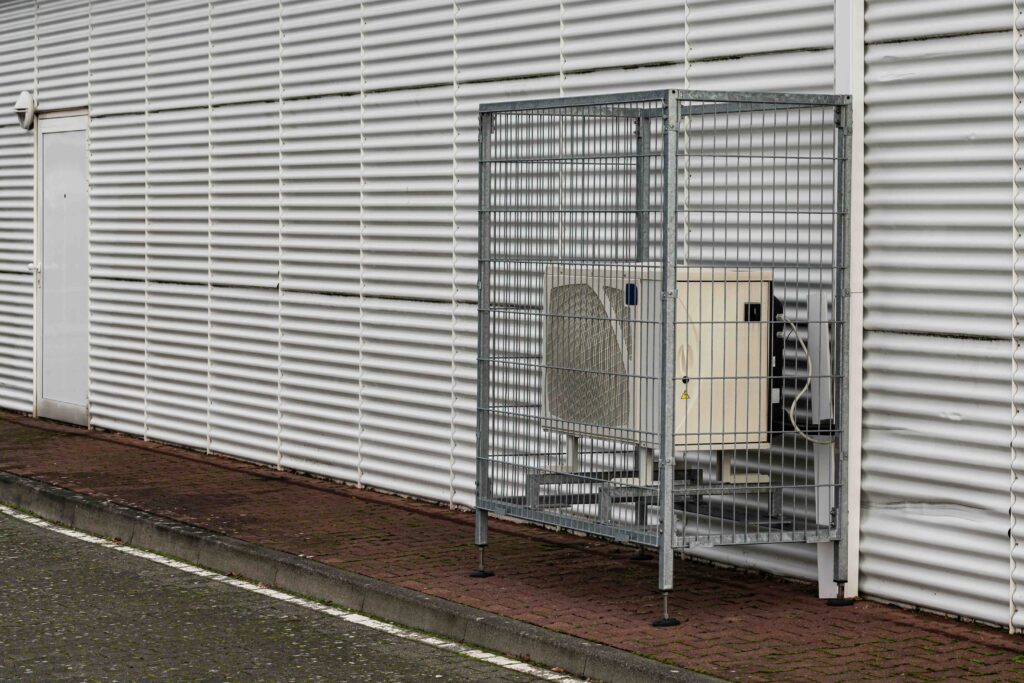
If you have central air conditioning, you already know the outdoor unit — that boxy metal cabinet sitting somewhere outside your home, humming away during the warmer months. What you might not have thought much about is whether that unit is protected from the world around it. Air conditioning unit fencing is exactly what it sounds like: a physical barrier, typically made from wood, metal, vinyl, or composite materials, installed around the exterior AC unit to shield it from damage, improve curb appeal, and in some cases, deter theft. It sounds straightforward, and it mostly is — but there are quite a few details worth understanding before you decide to install one.
How Air Conditioning Unit Fencing Works
The outdoor component of your central air system is called the condenser unit. It pulls heat from inside your home and releases it outside through a process involving refrigerant, a compressor, and a condenser coil. The fan on top draws air through the sides of the unit, which means airflow is essential. Any enclosure you install around an AC unit must account for that — if airflow is restricted, the system works harder, runs less efficiently, and can overheat or fail prematurely. Good AC unit fencing is designed with spacing, slats, or gaps that allow adequate ventilation while still providing a visual barrier or physical deterrent. The fence should never be flush against the unit. Most HVAC professionals recommend at least eighteen to twenty-four inches of clearance on all sides, and the top should remain open entirely.
Common Materials Used for AC Unit Enclosures
The material you choose affects both function and longevity, and there are a few popular options homeowners tend to gravitate toward. Each has its tradeoffs.
- Wood lattice or slatted panels: A classic look that blends well with landscaping, though it requires regular maintenance and can deteriorate in wet climates.
- Vinyl or PVC fencing: Low maintenance and moisture-resistant, though some styles offer less airflow than others if the slats are tightly spaced.
- Metal or aluminum screens: Durable and often more open in structure, making them a practical choice for airflow without sacrificing protection.
- Composite materials: A newer option that mimics wood aesthetically while holding up better against weather and pests.
- Decorative garden fencing or trellises: Budget-friendly and visually appealing, though they offer minimal security against tampering or theft.
The Real Benefits of Enclosing Your Outdoor AC Unit
Beyond the obvious aesthetic improvement, there are some genuinely practical reasons to consider this upgrade. First, curb appeal is real — outdoor condenser units are not exactly attractive, and if your unit sits in a prominent spot in your yard or near a patio, a well-designed enclosure can make a noticeable difference. Second, physical protection matters. Falling branches, wayward lawn equipment, and even curious pets can damage the fins and coils on a condenser unit more easily than most homeowners realize. Those fins are thin and bend easily, and bent fins reduce efficiency. Third, in areas where copper theft is a concern, a locked or secured enclosure can deter opportunistic theft of copper refrigerant lines — a problem that has been growing in many parts of the country. Finally, some homeowners find that a shaded enclosure, particularly one with a roof or overhead cover, can marginally improve efficiency by reducing direct sun exposure on the unit, though this is a minor factor compared to proper airflow.

Key Drawbacks to Be Aware Of Before You Build
Not every enclosure project goes smoothly, and there are a few common mistakes that can end up costing more than the installation itself. Restricted airflow is the most significant risk. If the enclosure is too tight, the condenser cannot expel heat properly, leading to higher energy bills and accelerated wear on components. Accessibility is another concern — HVAC technicians need to be able to reach the unit for routine maintenance, refrigerant checks, and repairs. An enclosure that requires significant disassembly just to service the unit is a practical problem that will get old quickly. There is also the issue of debris accumulation. An enclosure that traps leaves, dirt, and moisture around the unit can create conditions that accelerate corrosion or clog the coil. Installation cost varies widely as well, ranging from a modest DIY weekend project to several hundred dollars for a custom-built enclosure installed by a contractor.
Installation Tips for Homeowners Considering This Project
If you are planning to add an enclosure around your outdoor AC unit, a few guiding principles will save you significant headaches. Always prioritize clearance over aesthetics — no fence design, no matter how attractive, is worth the cost of reduced HVAC efficiency or a compressor failure. Check with your HVAC manufacturer’s documentation, as many units specify minimum clearance requirements that should be followed. If you are building a permanent structure, check your local building codes, since some municipalities require permits for permanent enclosures. Consider incorporating a hinged gate or removable panel on at least one side to give technicians easy access without disassembling the whole structure. Avoid planting dense shrubs directly against the fence, since vegetation can further restrict airflow and attract insects or rodents that may find their way into the unit.
How AC Unit Fencing Relates to Your Home’s Overall Maintenance
The outdoor condenser is one of the most expensive components in your entire home system. Replacing a condenser unit can run anywhere from one thousand to four thousand dollars or more depending on the size and type of system. That context reframes what might otherwise seem like a cosmetic decision — protecting that investment with a well-designed enclosure is genuinely a maintenance consideration, not just a landscaping choice. Pairing an enclosure with regular HVAC maintenance, including annual tune-ups, filter changes, and coil cleaning, gives you the best chance of maximizing the lifespan of the unit. Most HVAC systems are designed to last fifteen to twenty years under proper conditions, and neglect or physical damage can cut that significantly short.
What to Look for in a Professional Installation
If a DIY build is not your preference, hiring a contractor or a specialty fencing company is a reasonable option. When evaluating professionals, look for someone who either has experience with HVAC enclosures specifically or who is willing to consult with an HVAC technician before finalizing the design. Ask about the minimum clearances they plan to incorporate, and confirm that the design allows for unobstructed service access. Get a few quotes, compare materials, and consider the long-term maintenance requirements of whatever material is selected. A well-built enclosure installed by a knowledgeable professional should last for years without requiring significant attention.
How a Home Warranty Fits Into the AC Protection Picture
Physical fencing protects the outside of your condenser unit from the world around it. But mechanical failures — a compressor that fails, a fan motor that burns out, or a refrigerant leak that develops over time — are a different category of risk entirely. That is where a home warranty becomes a relevant part of the conversation. A home warranty plan that covers your HVAC system can protect you from the repair and replacement costs that result from normal wear and tear, which is exactly the kind of failure that even the best-maintained system will eventually experience. The combination of good physical protection through fencing and financial protection through a home warranty covers both categories of risk.
Why Armadillo Is a Smart Choice for Homeowners Who Take AC Protection Seriously
If you have put thought into protecting your outdoor condenser unit with proper fencing and maintenance, then you already understand what it means to take a proactive approach to homeownership. That mindset is exactly what Armadillo home warranty coverage for HVAC systems and major appliances is built for. Armadillo offers straightforward, transparent plans that cover the mechanical systems you depend on most, including your air conditioning system, without the confusing fine print that makes some home warranties feel more like obstacles than solutions. When your AC unit experiences a covered breakdown, you should not have to spend an afternoon arguing with a warranty company over whether the failure qualifies — that is the kind of friction Armadillo works to eliminate. If you want to see exactly what is covered and what a plan would cost for your home, you can get a free home warranty quote for AC and HVAC system coverage in just a few minutes. Physical protection and financial protection work best together, and pairing smart installation choices with a dependable warranty plan is one of the more practical decisions a homeowner can make.

Frequently Asked Questions About Air Conditioning Unit Fencing
Does fencing around an AC unit affect its efficiency?
It can, either positively or negatively depending on the design. A poorly ventilated enclosure that restricts airflow will reduce efficiency and increase wear on the system. A well-designed enclosure with proper clearance and open spacing will have minimal to no negative impact on performance.
How much clearance should an AC unit fence have?
Most HVAC manufacturers and professionals recommend a minimum of eighteen to twenty-four inches of clearance on all sides of the condenser unit. The top of the unit should remain fully open to allow heat to escape without obstruction.
Can I build an AC enclosure myself or do I need a contractor?
Many homeowners successfully build their own enclosures using prefabricated lattice panels or slatted wood fencing. However, if you are building a permanent structure or are unfamiliar with HVAC clearance requirements, consulting with a professional is a worthwhile step to avoid costly mistakes.
Will an AC unit enclosure require a permit?
This depends on your local building codes and the nature of the structure. Temporary or lightweight enclosures typically do not require permits, while permanent structures may. Contact your local municipality or homeowner’s association before beginning construction.
Does AC unit fencing protect against theft?
A secured enclosure with a locking gate can deter opportunistic theft of copper refrigerant lines and components, which is a known issue in some areas. While it is not a guarantee, a physical barrier does add a meaningful layer of deterrence compared to leaving the unit exposed.
What is the best material for an outdoor AC unit enclosure?
There is no single best material, as it depends on your climate, budget, and aesthetic preferences. Vinyl and composite materials offer low maintenance and weather resistance. Wood provides a natural look but requires upkeep. Metal or aluminum offers durability and good airflow characteristics.
How does a home warranty cover the outdoor AC unit?
A home warranty that includes HVAC coverage typically covers mechanical components of the central air system, including the condenser unit, compressor, fan motor, and related electrical parts, when they fail due to normal wear and tear. Physical damage from outside causes is generally not covered under a warranty plan.
Should I cover my AC unit with a fence during the off-season?
A fence can remain in place year-round since it is designed for permanent installation with proper clearance. Solid covers placed directly over the unit in winter are a separate topic and are generally not recommended because they trap moisture and can invite rodents seeking shelter.
Can plants or shrubs be used in place of a fence around the AC unit?
Shrubs and plants are sometimes used to screen outdoor units visually, but they require careful management to ensure they do not grow too close and restrict airflow. They also tend to shed debris that can clog the condenser coil, so regular trimming and cleaning are essential if this approach is used.
Does an AC unit enclosure add value to a home?
While a well-designed enclosure improves curb appeal, its direct impact on appraised home value is minimal. However, the indirect benefits — equipment protection, deferred repair costs, and an overall well-maintained appearance — contribute positively to how buyers and inspectors perceive the property.