What Is an AC Unit Replacement and Why Does It Matter for Your Home?
Your air conditioning system is one of the hardest-working components in your entire home. It runs through sweltering summers, humid afternoons, and those stubborn heat waves that stretch into October. So when it starts failing, the impact is immediate and uncomfortable. AC unit replacement is exactly what it sounds like — the full removal of your existing central air conditioning system and the installation of a new one. This is not a repair. It is not a tune-up. It is a complete system changeover, and it comes with a cost, a process, and a set of decisions that every homeowner should understand before the situation becomes urgent. The more you know going in, the better outcome you will have coming out.
How Your Central Air Conditioning System Actually Works
Before diving into replacement specifics, it helps to understand what you are actually replacing. A central air conditioning system works by pulling warm air from inside your home, running it across a set of refrigerant-filled coils that absorb the heat, and then pushing the cooled air back through your ductwork. The heat that was absorbed gets expelled outside through the condenser unit — that large metal box sitting beside your house. The refrigerant cycles continuously between the indoor air handler and the outdoor condenser, making the whole process possible. There are also components like the compressor, the blower motor, the evaporator coil, and the thermostat all working in coordination. When one major component fails beyond repair, or when the system as a whole becomes inefficient, replacement becomes the most practical path forward.
Signs That Your AC System Needs to Be Replaced, Not Repaired
This is where homeowners often get stuck. Repair or replace? The answer depends on several factors working together. Age is a major one — most central AC systems have a functional lifespan of 15 to 20 years. Beyond that range, repairs start to feel like putting a bandage on something that needs surgery. Here are some of the clearest signals that replacement makes more sense than another service call:
- Your system is more than 15 years old and requires frequent repairs
- Your energy bills have been climbing without a clear explanation
- The system uses R-22 refrigerant, which is no longer manufactured in the U.S.
- Rooms in your home are heating unevenly regardless of thermostat settings
- The repair estimate exceeds 50 percent of the cost of a new unit
- Your system runs constantly but never fully cools the space
Any one of these on its own might not be definitive. But two or more together? That is usually a strong case for replacement.

What the AC Unit Replacement Process Looks Like
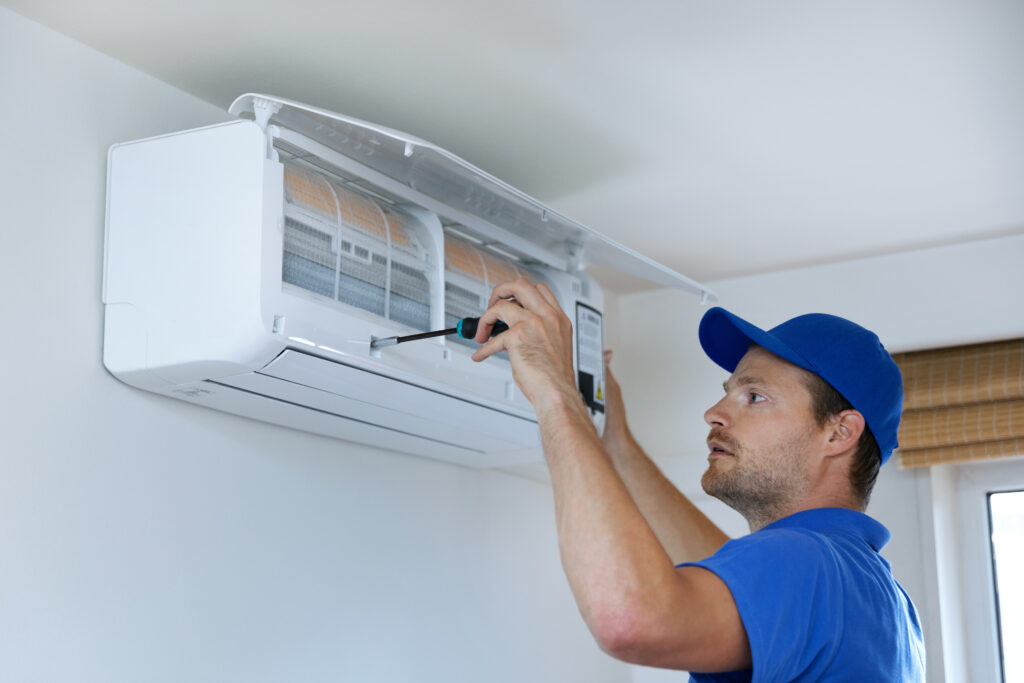
Once you have decided to move forward with a replacement, it is helpful to know what happens next. A licensed HVAC technician will start with a load calculation — a technical assessment of your home’s square footage, insulation quality, window layout, and local climate. This determines what size system you actually need. Sizing matters enormously. Too small and the system runs constantly without keeping up. Too large and it cycles on and off too quickly, leading to humidity problems and premature wear. After the right unit is selected, the old system is removed and properly disposed of. The new equipment is then installed, the refrigerant lines are connected or replaced, and the system is tested thoroughly before the technician leaves. The whole process typically takes one to two days depending on the complexity of the installation.
Key Advantages of Replacing Your AC Unit
There are real, tangible benefits to getting a new system — and they go beyond just having cold air again. Modern AC units are significantly more energy-efficient than systems manufactured even a decade ago. Current SEER2 ratings, which measure seasonal energy efficiency, far exceed those of older equipment. A new system can meaningfully reduce your monthly utility bills, sometimes by a noticeable margin during peak cooling months. You also gain access to improved air filtration, better humidity control, and quieter operation. Smart thermostat compatibility is standard in most new systems, giving you more control over your comfort and your energy consumption. And perhaps most importantly, a new system comes with a manufacturer warranty, giving you a fresh layer of protection right from day one.
Common Drawbacks and Challenges to Be Aware Of
AC unit replacement is not without its complications. The upfront cost is the most significant barrier for most homeowners. A full central air conditioning replacement, including both the indoor and outdoor components, typically ranges from $5,000 to $12,000 or more depending on the size of the system, the complexity of the installation, and regional labor rates. Beyond cost, there can also be compatibility issues if your ductwork is old or undersized for a new high-efficiency system. In some cases, duct repairs or modifications add to the total project cost. Permit requirements vary by municipality, and some jurisdictions require inspections before the new system can be activated. None of these are reasons to avoid replacement — they are just factors to build into your planning and budget from the start.
How to Choose the Right HVAC Contractor for the Job
The quality of your AC replacement outcome depends heavily on the contractor doing the work. Licensing, insurance, and manufacturer certifications matter. Look for technicians who are NATE-certified, which stands for North American Technician Excellence — an industry credential that signals a higher standard of training. Get at least three quotes before committing. Ask each contractor to walk you through their load calculation process, because anyone who skips that step is cutting corners. Ask about equipment brands they carry, warranty terms on both parts and labor, and how they handle post-installation service. Reviews from local homeowners are valuable, but direct questions about their process tell you even more about how they operate.
Understanding SEER Ratings and Energy Efficiency in New AC Systems
When you start shopping for a new AC unit, you will encounter SEER and SEER2 ratings almost immediately. SEER stands for Seasonal Energy Efficiency Ratio. The higher the rating, the more efficiently the unit converts electricity into cooling power. As of 2023, the minimum SEER2 standards increased in most U.S. regions, meaning even entry-level systems are more efficient than they used to be. Mid-range systems typically fall between 16 and 18 SEER2, while premium variable-speed systems can reach 20 or higher. Higher efficiency does mean a higher purchase price upfront. But the long-term operating savings often make that investment worthwhile, especially in climates where air conditioning runs for six or more months a year. Factor in available utility rebates, which many energy providers offer for high-efficiency equipment, and the math becomes more favorable.
Why Armadillo Is the Smart Choice When Your AC System Needs Replacing
AC unit replacement is one of the most significant and unexpected expenses a homeowner can face. The cost alone can disrupt a household budget in a matter of days, and that is precisely the kind of financial exposure that home warranty protection for central air conditioning systems is designed to address. Armadillo offers home warranty coverage built for real homeowners navigating real problems — not fine print designed to find a way out of paying. When your AC system fails due to normal wear and tear, Armadillo steps in to help coordinate the repair or replacement process, connecting you with qualified technicians and protecting you from bearing the full financial weight on your own. If you want a clear-eyed look at your coverage options before your next cooling season, take two minutes to get a free home warranty quote that includes AC unit replacement coverage. The right plan costs far less than a single major HVAC replacement — and it gives you something just as valuable as cold air: peace of mind.

Frequently Asked Questions About AC Unit Replacement
Here are answers to the questions homeowners ask most often when facing an AC unit replacement decision.
How long does a central AC unit typically last?
Most central air conditioning systems last between 15 and 20 years with regular maintenance. Systems in hotter climates that run more frequently may reach the lower end of that range sooner.
How much does it cost to replace a central AC unit?
The total cost of a central AC replacement generally falls between $5,000 and $12,000, depending on the system size, equipment brand, installation complexity, and local labor rates. High-efficiency systems and ductwork modifications can push costs higher.
Is it better to repair or replace an aging AC unit?
If your system is more than 15 years old and the repair cost exceeds 50 percent of the cost of a new unit, replacement is typically the more financially sound decision over the long term.
What size AC unit does my home need?
Sizing is determined through a load calculation that accounts for your home’s square footage, insulation, ceiling height, window area, and local climate. A licensed HVAC contractor should always perform this assessment before recommending a unit size.
Does a home warranty cover AC unit replacement?
Many home warranty plans include coverage for central air conditioning systems. Coverage specifics vary by provider and plan, so it is important to review what is included before a failure occurs rather than after.
What is a SEER2 rating and why does it matter?
SEER2 is the updated measurement for air conditioning energy efficiency. Higher ratings indicate lower energy consumption per unit of cooling output. Choosing a higher SEER2 system can reduce your monthly electricity costs, particularly in warm climates.
How long does an AC unit replacement installation take?
Most standard AC replacements are completed within one to two days. More complex installations involving ductwork modifications or attic-mounted air handlers may take longer.
Should I replace just the outdoor condenser or the entire system?
HVAC professionals generally recommend replacing the entire system — both the indoor and outdoor components — at the same time. Mismatched components can reduce efficiency and void manufacturer warranties.
What happens to my old AC refrigerant during replacement?
Licensed HVAC technicians are required by law to recover refrigerant from old systems before disposal. They use certified recovery equipment, and the refrigerant is either reclaimed or properly destroyed to comply with EPA regulations.
Can I install a new AC unit myself to save money?
AC installation requires EPA certification for handling refrigerants, and most municipalities require permits and licensed contractor work. Attempting a DIY installation can void equipment warranties and create safety and legal issues.