What Is AC Vent Mold and Why Should Homeowners Take It Seriously?
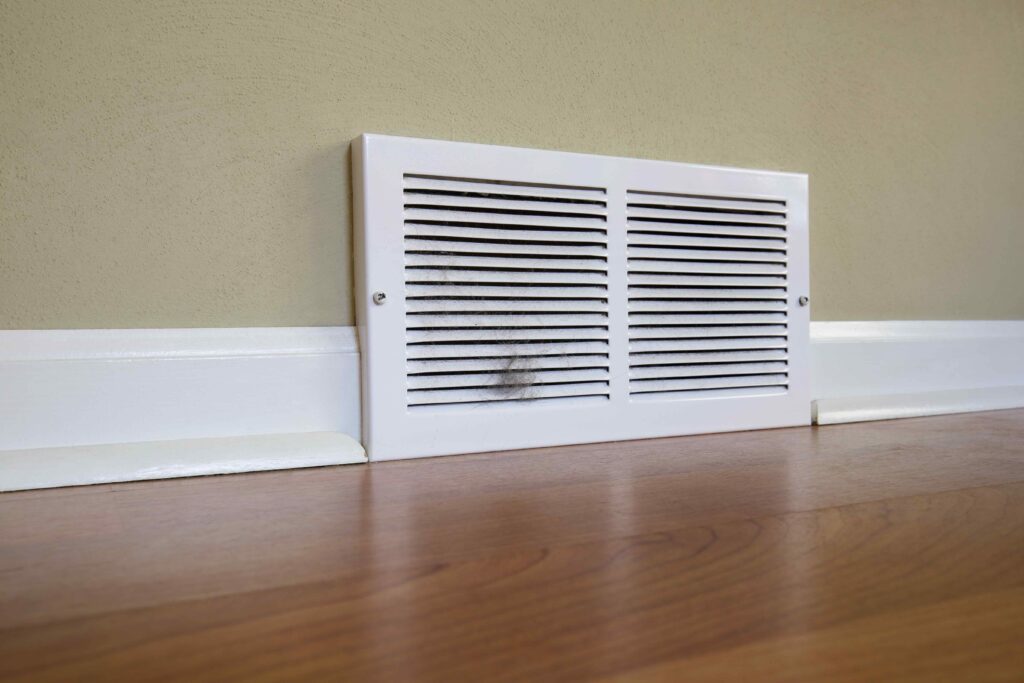
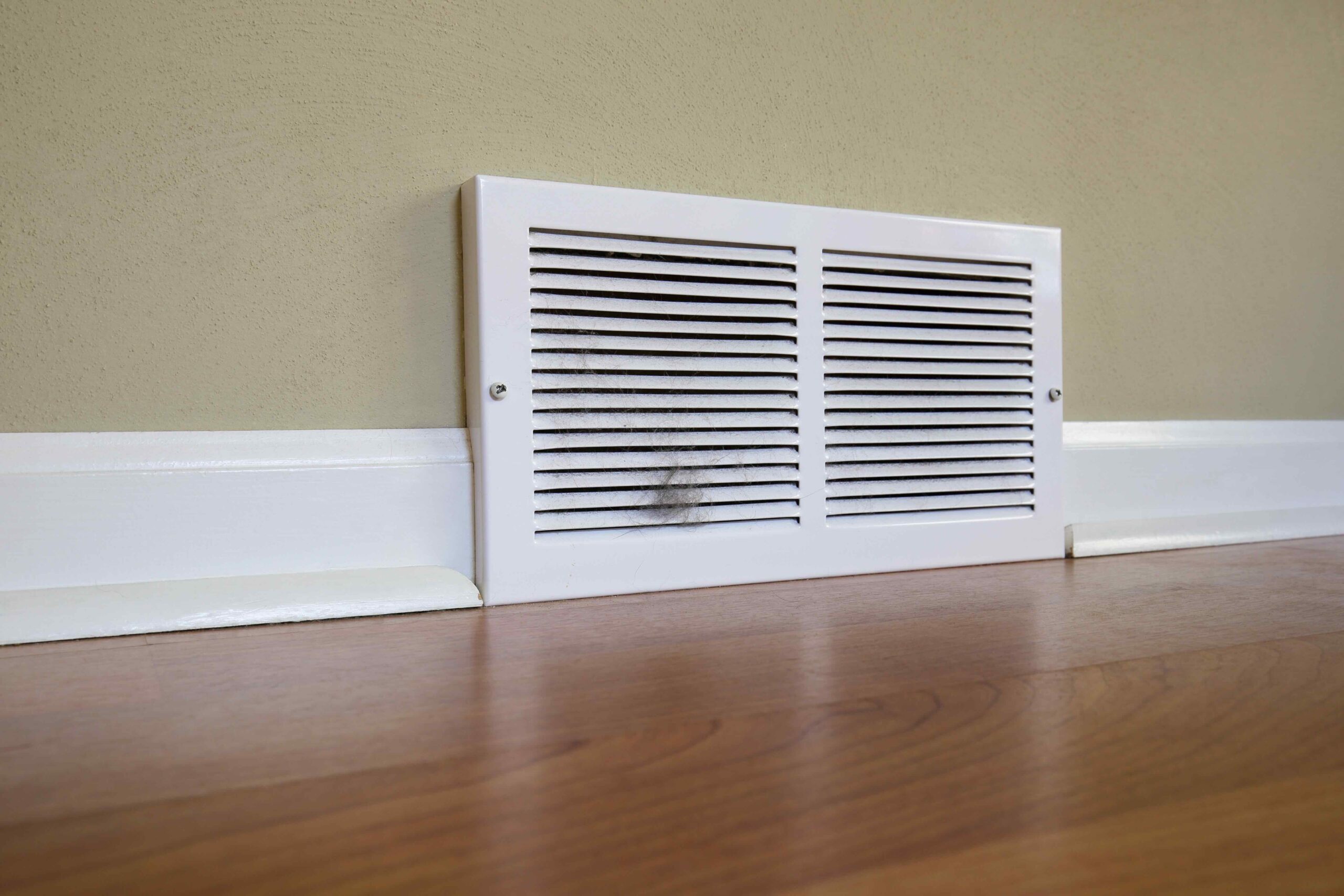
There is something deeply unsettling about looking up at your air conditioning vent and spotting dark, fuzzy patches creeping along the edges. AC vent mold is exactly what it sounds like — mold growth that develops on or around the vents connected to your home’s HVAC system. It is more common than most homeowners realize, and it tends to show up without much warning. One week everything looks fine, and the next you are standing on a stepladder wondering how things got this bad. The truth is that mold near your vents is not just an aesthetic problem. It signals something deeper going on with your air system, and ignoring it can have real consequences for both your home and your health.
How Mold Ends Up Growing on Your AC Vents
Mold needs three things to survive: moisture, warmth, and something organic to feed on. Your HVAC system, unfortunately, can deliver all three without much effort. When cool air from your air conditioner passes through warm ductwork or meets the warmer air in a room, condensation forms on the vent surfaces. That moisture creates the perfect environment for mold spores — which are already floating around in the air — to settle and grow. Dust, dander, and debris that collect inside ducts and on vent covers serve as food sources. The result is visible mold on the vent itself, and potentially invisible mold deeper inside your duct system. It is worth noting that homes in humid climates are especially vulnerable, but no home is completely immune.
Signs You Might Have a Mold Problem at Your AC Vents
Knowing what to look for matters. The signs are not always obvious at first, and by the time visible mold appears, the problem may already be more extensive than what you can see on the surface. Catching it early makes a real difference.
- Visible dark spots, streaks, or fuzzy discoloration on vent covers or surrounding walls
- A musty or earthy smell that gets stronger when the AC runs
- Increased allergy symptoms or respiratory irritation indoors
- Condensation or moisture collecting on vent covers regularly
- Unexplained headaches or fatigue that seems to improve when you leave the house
None of these signs alone confirms a mold problem, but any combination of them warrants a closer look. When in doubt, having a professional inspect your HVAC system is the right call.
The Health Implications of Mold Near Your Vents
This is where the conversation gets more serious. Mold exposure can affect people differently depending on their sensitivity, age, and overall health. Some individuals experience mild irritation — sneezing, watery eyes, a scratchy throat. Others, particularly those with asthma, allergies, or compromised immune systems, can experience more severe respiratory responses. What makes AC vent mold particularly concerning is that your HVAC system is actively circulating air throughout your home. Every time the system kicks on, it has the potential to distribute mold spores to every room. It is not localized. It travels. Addressing the problem promptly is not just about protecting your home’s structure — it is about protecting everyone living inside it.

How to Clean Mold From AC Vents Safely
Surface mold on vent covers can often be addressed with a careful cleaning process, though it is important to approach this with the right precautions. Start by turning off your HVAC system completely. Remove the vent cover and soak it in a solution of water and detergent, or use a mixture of water and white vinegar. For more stubborn mold, a diluted bleach solution works effectively on non-porous surfaces. Scrub thoroughly, rinse, and allow the cover to dry completely before reinstalling. While cleaning, wear gloves and a mask to avoid direct contact with or inhalation of mold spores. What you should not do is clean only the surface and assume the job is done. If mold is on the vent, there is a reasonable chance it has spread further into the ductwork, and that requires professional attention.
When to Call a Professional for AC Vent Mold
There is a clear line between a DIY cleaning situation and one that requires professional intervention. If the mold covers a large surface area, if it keeps returning after cleaning, or if you notice mold on the interior walls of your ducts, you are beyond the scope of a weekend project. HVAC mold remediation professionals have specialized tools and treatments to address mold inside ductwork without spreading spores further through your system. In some cases, sections of ductwork may need to be sealed, treated, or even replaced. It is not the cheapest fix, but it is a necessary one when the situation calls for it. Delaying professional help typically makes the problem — and the cost — worse over time.
Preventing AC Vent Mold Before It Starts
Prevention is genuinely more manageable than remediation, and there are several practical habits that can significantly reduce the likelihood of mold taking hold in your HVAC system.
- Change your air filter regularly — every 30 to 90 days depending on usage and home conditions
- Use a dehumidifier in areas with persistent moisture issues, like basements and laundry rooms
- Schedule annual HVAC inspections to catch early signs of moisture and buildup
- Keep indoor humidity levels between 30 and 50 percent
- Clean vent covers periodically to prevent dust and debris accumulation
- Ensure proper ventilation in bathrooms and kitchens to reduce overall home humidity
These are not dramatic changes, but they add up to meaningful protection. Mold thrives on neglect, and consistent maintenance removes much of what it needs to grow.
What Home Warranties Cover When It Comes to HVAC Issues
Here is something homeowners do not always think about until they are already dealing with a problem: where does a home warranty fit into all of this? Most home warranty plans cover the mechanical components of your HVAC system — things like the air handler, compressor, blower motor, and control board. Mold remediation itself is typically considered a separate issue and may fall under homeowner’s insurance rather than a warranty plan. However, the underlying HVAC failures that contribute to moisture problems — like a malfunctioning condensate drain, a failing blower, or a broken evaporator coil — are often covered. Addressing those mechanical failures early, with the financial protection of a home warranty, can prevent the moisture conditions that lead to mold in the first place. It is a layer of protection that is worth understanding before something goes wrong.
Why Armadillo Is the Smart Choice for Protecting Your HVAC System
When you understand how closely connected your HVAC system is to issues like AC vent mold, it becomes clear why protecting that system matters so much. A breakdown in your air conditioning unit does not just mean discomfort — it can create the exact moisture conditions that allow mold to develop and spread. That is where Armadillo’s comprehensive home warranty coverage for HVAC systems and critical home appliances makes a real difference. Armadillo is built around transparency and straightforward service — no confusing fine print, no runaround when you need help. If your system develops a covered mechanical failure that is contributing to moisture issues in your ductwork, you want a warranty provider that responds quickly and clearly. Take a few minutes to get a free home warranty quote designed to protect your HVAC system and beyond and see exactly what coverage looks like for your home. Proactive protection is always less expensive than reactive repair.

Frequently Asked Questions About AC Vent Mold
These are the questions homeowners ask most often when dealing with or trying to prevent mold around their air conditioning vents.
What causes mold to grow on AC vents?
Mold grows on AC vents when condensation forms on cool vent surfaces and combines with dust, debris, and organic matter that accumulates over time. This moisture-rich environment allows airborne mold spores to settle and multiply.
Is AC vent mold dangerous to my health?
Yes, it can be. Mold spores distributed through an HVAC system can cause respiratory irritation, allergic reactions, and more serious health effects in vulnerable individuals such as children, the elderly, and those with asthma or compromised immune systems.
Can I clean AC vent mold myself?
Surface mold on removable vent covers can be cleaned at home using a detergent solution or diluted bleach. However, if mold is present inside the ductwork or keeps returning after cleaning, professional remediation is necessary.
How do I know if mold is inside my ducts and not just on the vent cover?
A persistent musty odor when the HVAC system runs, recurring mold on vent covers after cleaning, or visible discoloration inside visible duct sections are common indicators that mold may exist deeper in the duct system.
How often should I check my AC vents for mold?
It is a good practice to visually inspect your vent covers every one to two months, especially during high-humidity seasons. Including vent inspection as part of your regular HVAC maintenance routine is an effective preventive measure.
Does a home warranty cover AC vent mold removal?
Mold remediation itself is generally not covered under a standard home warranty. However, the mechanical HVAC failures that contribute to moisture buildup — such as a faulty condensate drain or failing components — are often covered, which can help prevent mold from developing.
What humidity level prevents mold growth in my home?
Keeping indoor relative humidity between 30 and 50 percent significantly reduces the conditions mold needs to grow. A hygrometer can help you monitor indoor humidity levels accurately.
Can a dirty air filter contribute to AC vent mold?
Yes. A clogged or dirty air filter restricts airflow, which can cause the evaporator coil to freeze and then thaw, producing excess moisture that creates favorable conditions for mold growth throughout the system.
How much does professional AC duct mold remediation cost?
Costs vary depending on the extent of the mold and the size of the duct system, but professional duct mold remediation typically ranges from several hundred to several thousand dollars. Early intervention almost always results in lower total costs.
Will replacing my air filter stop mold from growing on vents?
Regularly replacing your air filter is an important preventive step because it reduces the dust and debris that feed mold. However, it does not address underlying moisture issues, so filter maintenance should be part of a broader HVAC upkeep routine.